
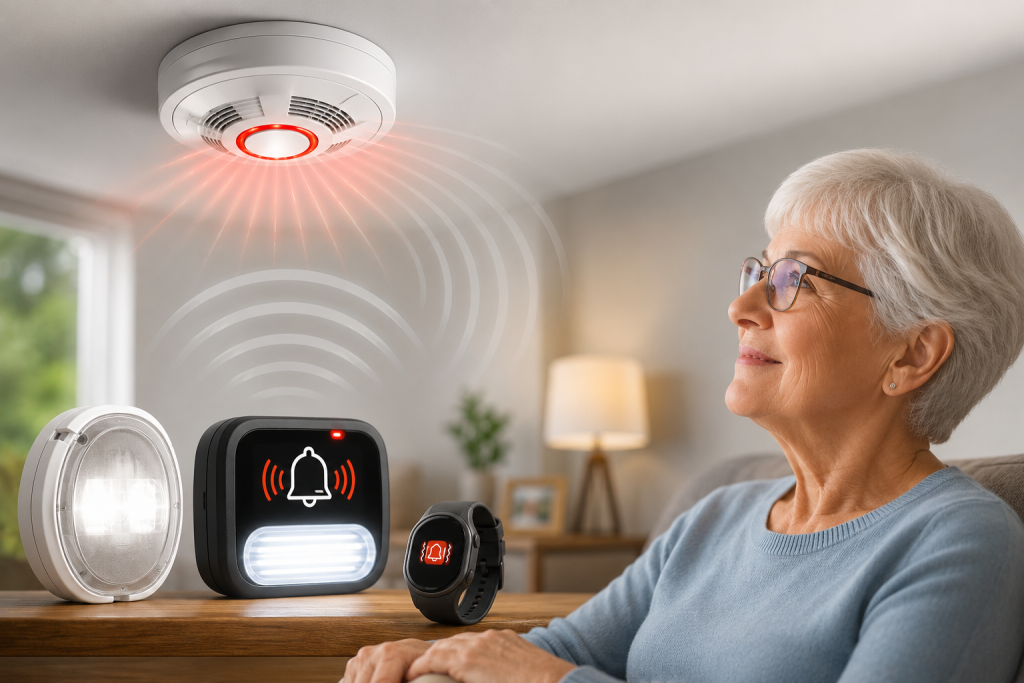
As our parents and loved ones age, home safety becomes one of the biggest concerns we face as caregivers. Something as simple as a smoke detector can make the difference between a close call and a life-threatening emergency. Yet many traditional smoke alarms were never designed with hearing loss in mind.
If your loved one struggles to hear high-pitched sounds, a standard smoke detector may not provide enough warning during a fire or carbon monoxide emergency. Unfortunately, hearing loss becomes increasingly common with age, making it harder for seniors to recognize alarm sounds, especially while sleeping.
The good news is that modern smoke detectors have evolved far beyond basic beeping alarms. Today’s smart safety devices can speak, send notifications to caregivers, and communicate with other alarms throughout the home. These features provide multiple layers of protection that are particularly valuable for hard-of-hearing seniors.
In this guide, we’ll look at the best smoke detector for hard of hearing seniors and explain how smart technology can help caregivers gain greater peace of mind.
| Product | Best For | Key Alert Type | Caregiver Smart App? | Power Source |
|---|---|---|---|---|
| X-Sense XS0B-MR | Overall Choice | Spoken Voice & Mobile Alerts | Yes (Wi-Fi) | Battery Operated |
| X-Sense XP0A-MR | Dual Protection | Location Voice & CO Detection | Yes (Wi-Fi) | Battery Operated |
| First Alert SM110LED-AC | Profound Hearing Loss | 177 Candela LED Strobe | No | Hardwired with 10-Yr Backup |
| First Alert SMCO110LED-AC | Visual Dual Protection | LED Strobe & CO Combo | No | Hardwired with 10-Yr Backup |
Why Traditional Smoke Alarms May Not Be Enough
for standard households, it presents severe challenges for seniors with moderate to profound hearing loss.
Several critical factors reduce the effectiveness of standard alarms:
- High-Frequency Hearing Loss: Age-related hearing loss (presbycusis) almost always affects higher frequencies first. The typical 3,000 Hz beep of a standard alarm sits right in this dead zone.
- Nighttime Vulnerability: Seniors remove their hearing aids or turn off their cochlear implants before bed, leaving them entirely unprotected against standard audio sirens while sleeping.
- Confusion and Disorientation: High-pitched beeps can be difficult to locate spatially, causing a senior to waste valuable seconds trying to figure out where the noise is coming from.
- Isolation: For seniors living independently, a traditional alarm does nothing to alert external family members during a crisis.
As caregivers, we need solutions that provide multiple layers of sensory communication—combining sound, speech, sight, and remote monitoring.
What Makes a Smoke Alarm Suitable for Hard of Hearing Individuals?
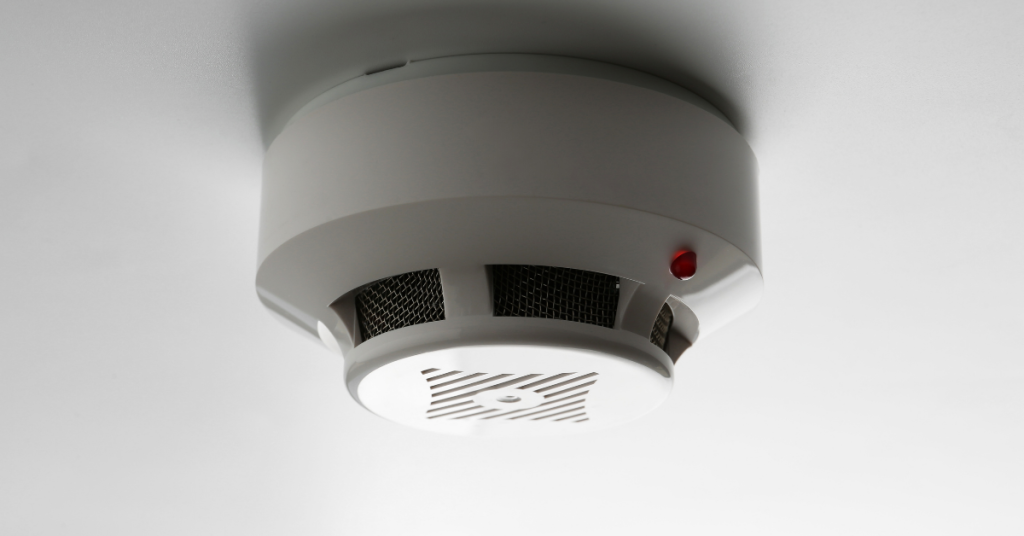
Not all smoke detectors are designed with hearing impairment in mind. When evaluating options for your aging parents, look for these advanced engineering features:
1. The Science of Low-Frequency Tones (520 Hz)
Studies by fire safety organizations have proven that a 520 Hz square-wave tone is significantly more effective at waking up seniors and those with mild-to-moderate hearing loss than standard high-pitched alarms. If you are relying on audio warnings, the frequency matters just as much as the volume.
2. Spoken Voice Announcements
Voice alerts can make a massive psychological and practical difference. Instead of hearing a chaotic siren, the alarm clearly states: “Warning. Smoke detected in the kitchen.” This reduces middle-of-the-night confusion and directs the senior exactly where not to go.
3. Interconnected Systems (Whole-Home Alerts)
Interconnected systems ensure that when one alarm detects smoke in the basement, every single alarm throughout the house activates simultaneously. This is crucial for larger homes where a senior sleeping upstairs might not hear a standalone unit downstairs.
4. High-Intensity Strobes & Tactile Bed Shakers
For individuals with severe-to-profound hearing loss, sound alone isn’t enough.
- Strobe Lights: ADA-compliant, high-intensity flashing lights (usually around 177 candela) are bright enough to penetrate closed eyelids.
- Bed Shakers: For heavy sleepers or those who sleep face-down, a vibrating puck accessory placed under the mattress or pillow provides a physical wake-up call.
5. Smart Mobile App Alerts
Many modern alarms connect directly to home Wi-Fi networks. If smoke is detected, a notification is instantly pushed to the caregiver’s smartphone. This feature is a literal lifesaver for long-distance
The Best Smoke Detector for Hard of Hearing Seniors
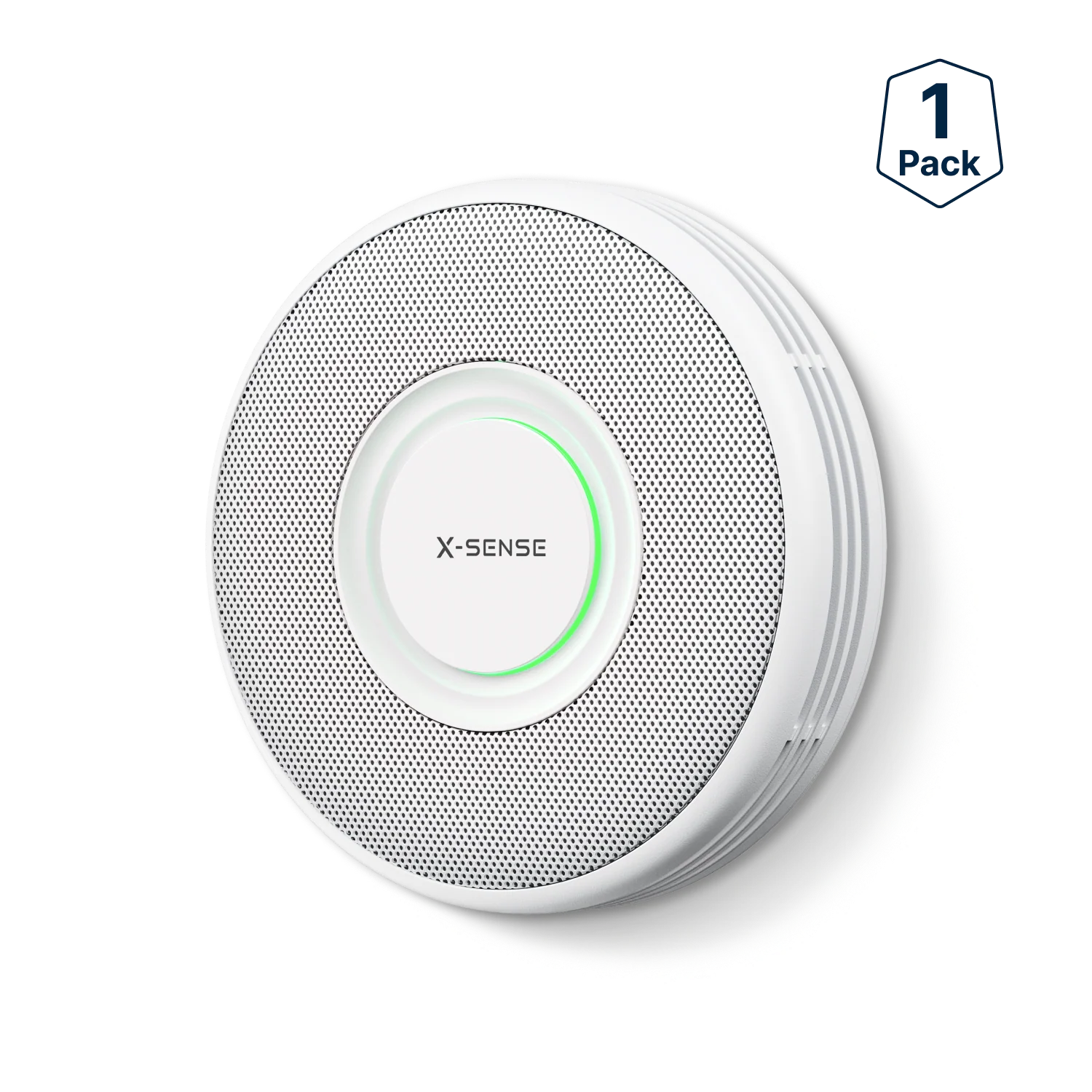
X-Sense XS0B-MR Smart Smoke Alarm
The X-Sense XS0B-MR bridges the gap between independent senior living and remote caregiver oversight. Instead of relying solely on a high-pitched siren that seniors often can’t hear, this smart unit delivers clear spoken voice alerts. It easily interconnects wirelessly with other units to protect the whole home and pushes instant emergency notifications straight to your smartphone if danger is detected.
Seniors with mild-to-moderate hearing loss who live independently and have an active home Wi-Fi network for caregiver monitoring.
- Clear, spoken voice alerts
- Instant smartphone app notifications
- Wireless interconnectivity
- Easy battery-operated setup
- Requires home Wi-Fi for smart capabilities
- No built-in strobe light
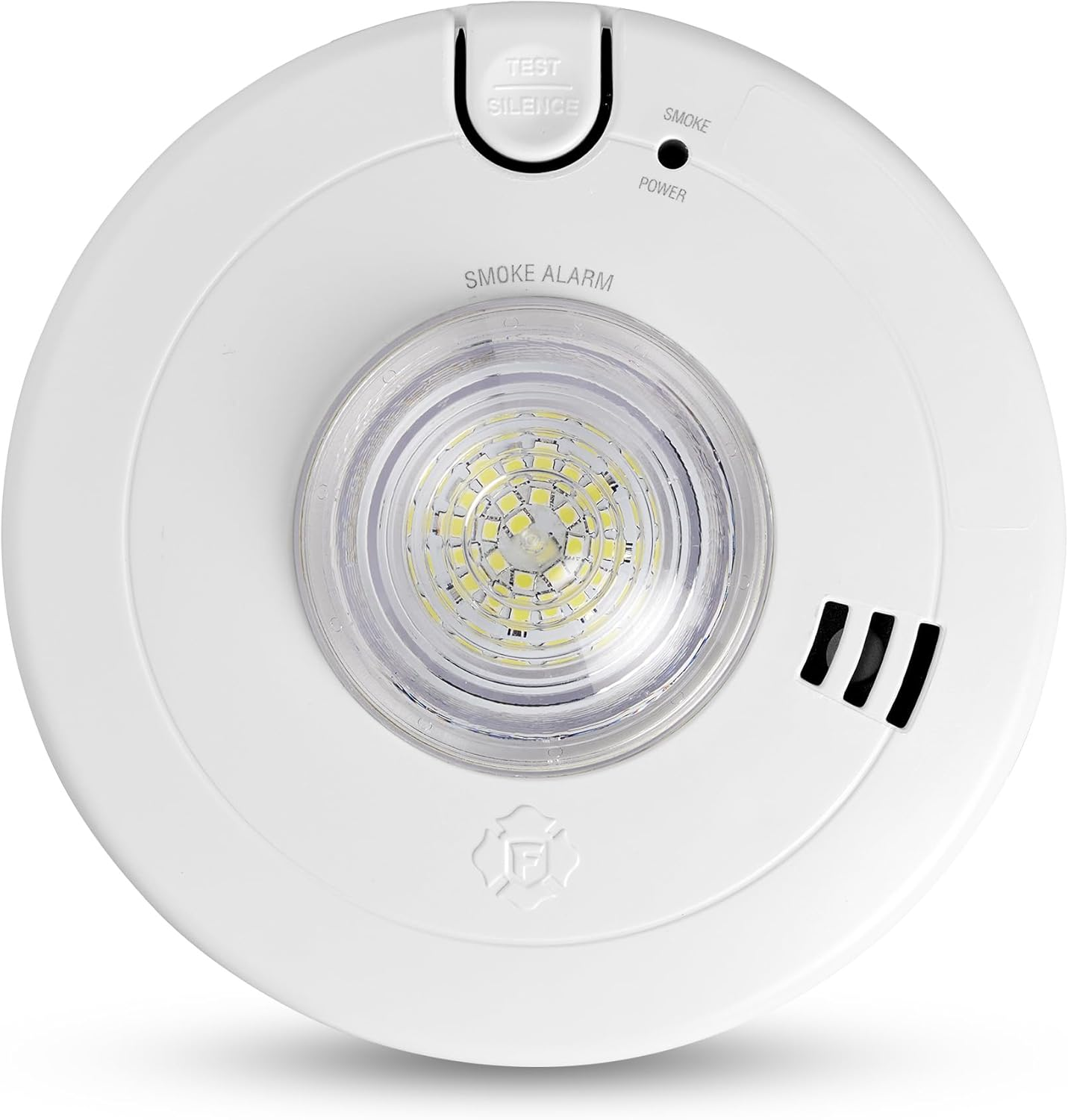
First Alert SM110LED-AC Hardwired Strobe Smoke Alarm
When audio sirens aren’t enough, the First Alert SM110LED-AC provides an unmissable visual defense. Featuring a built-in, ADA-compliant 177 candela LED strobe light, this hardwired alarm is specifically engineered to penetrate closed eyelids and wake up profound sleepers. It links to your home’s main power system and includes a worry-free 10-year sealed backup battery to ensure uninterrupted safety during power outages.
Seniors with severe-to-profound hearing loss who sleep without assistive hearing devices and need a high-intensity visual cue.
- Ultra-bright 177 candela LED strobe
- 10-year sealed battery backup
- Synchronized flashing across connected units
- Eliminates annoying low-battery chirps
- Requires professional hardwired installation
- No smartphone connectivity
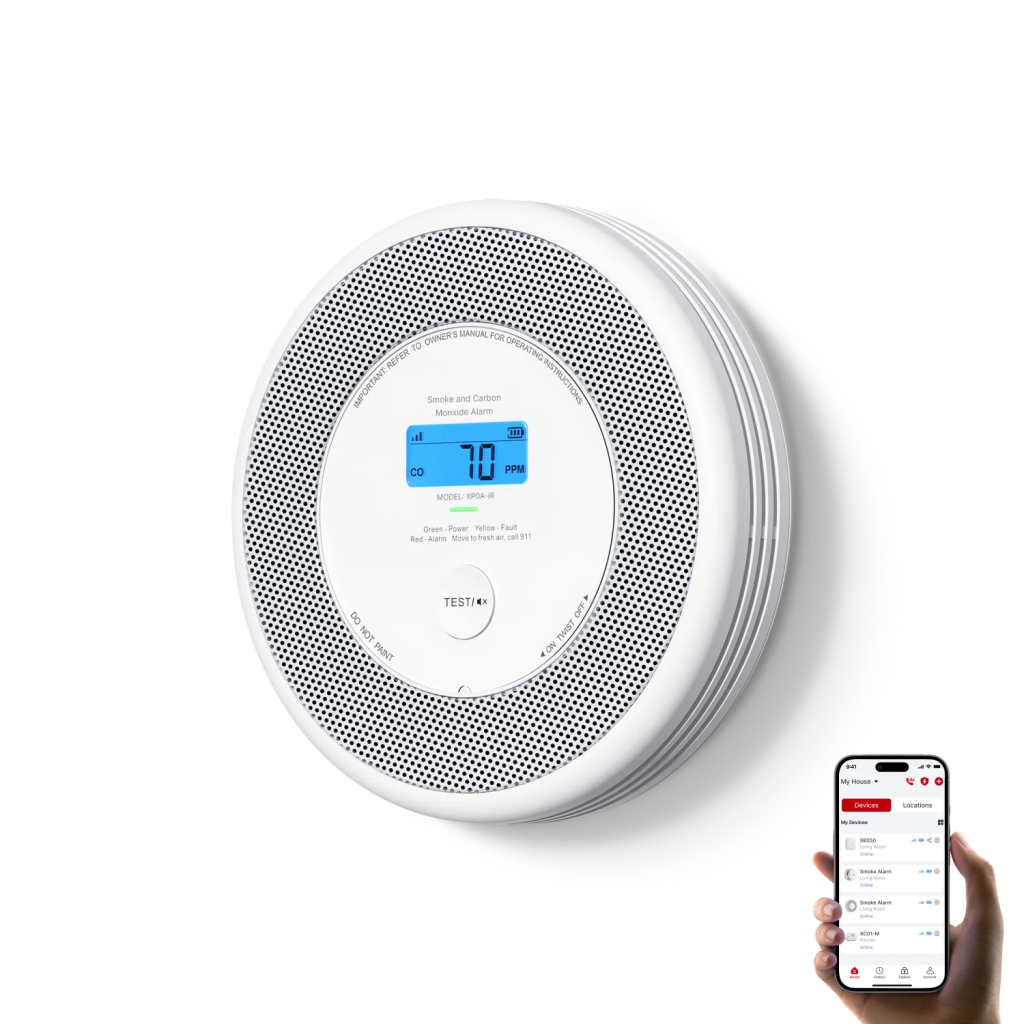
X-Sense XP0A-MR Smart Smoke & Carbon Monoxide Alarm
For comprehensive environmental safety, the X-Sense XP0A-MR provides dual-threat protection against both fire and carbon monoxide (CO) while keeping caregivers firmly in the loop. It utilizes location-based voice alerts to give your loved one clear directions during an emergency and seamlessly connects to your home network for real-time mobile updates.
Homes with gas appliances, fireplaces, or attached garages where remote monitoring and multi-threat detection are priorities.
- 2-in-1 Advanced Detection (photoelectric & electrochemical)
- Location-Based Voice Alerts
- Smart Network Alerts via Wi-Fi
- Requires home Wi-Fi for smart capabilities
- No built-in strobe light
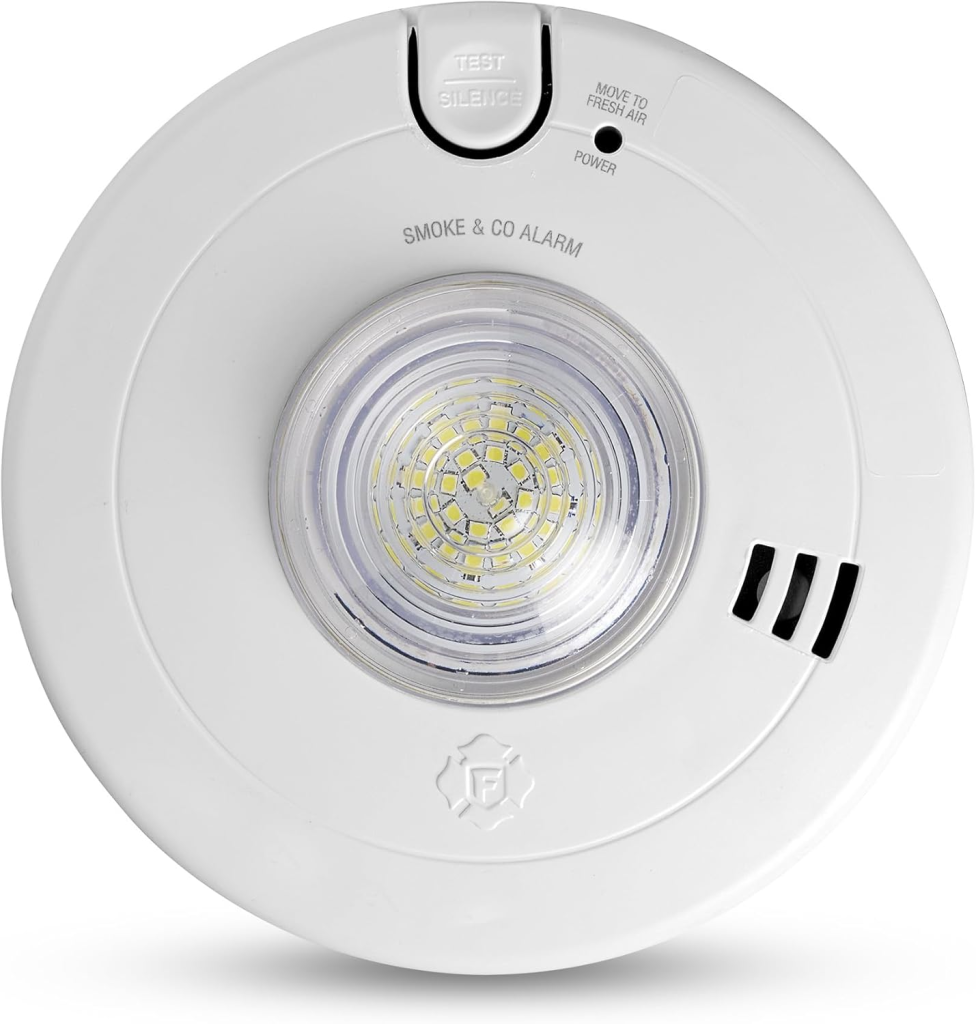
First Alert SMCO110LED-AC Hardwired Combination Alarm
The First Alert SMCO110LED-AC combines maximum visual warning power with dual smoke and carbon monoxide sensors, saving valuable real estate on your senior’s ceiling. It features a hardwired connection with a worry-free 10-year sealed backup battery and an integrated ultra-bright 177 candela LED strobe light built to instantly alert the profoundly deaf.
Hearing-impaired seniors living in homes with gas heating or attached garages who require a hardwired, visual-first safety setup.
- Combo Smoke & CO Sensing
- Integrated Ultra-Bright 177 Candela LED Strobe
- Hardwired with 10-Year Backup Battery
- Requires professional hardwired installation
- No smartphone connectivity
Installation Tips for Maximum Safety
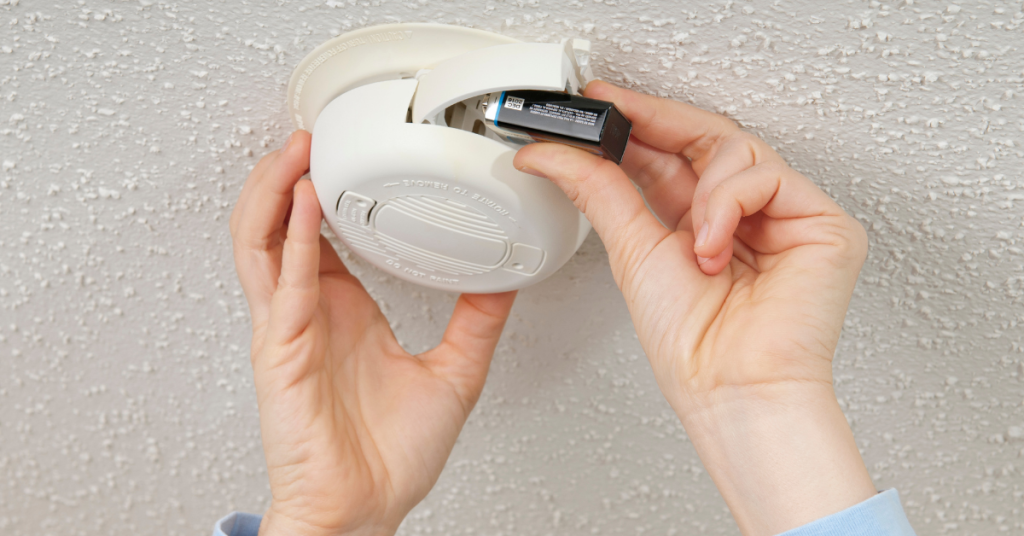
Even the most advanced smoke alarm cannot save a life if it is installed incorrectly. For optimal coverage across a senior’s home:
Where to Install Alarms:
- Inside every bedroom (especially vital for strobe or voice alarms meant to wake someone up).
- Directly outside sleeping areas in main hallways.
- On every level of the home, including finished basements.
- Near main living spaces and common areas.
Places to Avoid:
- Directly above cooking appliances (to avoid false alarms that cause seniors to disable the units).
- Near bathrooms with excessive steam.
- Directly next to HVAC vents or drafty windows, which can blow smoke away from the sensors.
Essential Caregiver Maintenance Checklist:
Practice the Plan: Review emergency evacuation routes with your loved one, ensuring they know what action to take the moment they see the strobe or hear the voice prompt.
Test Monthly: Physically test the alarms at least once a month.
Verify App Connectivity: Check your caregiver smartphone app regularly to ensure the devices haven’t dropped off the home Wi-Fi network.
Final Verdict
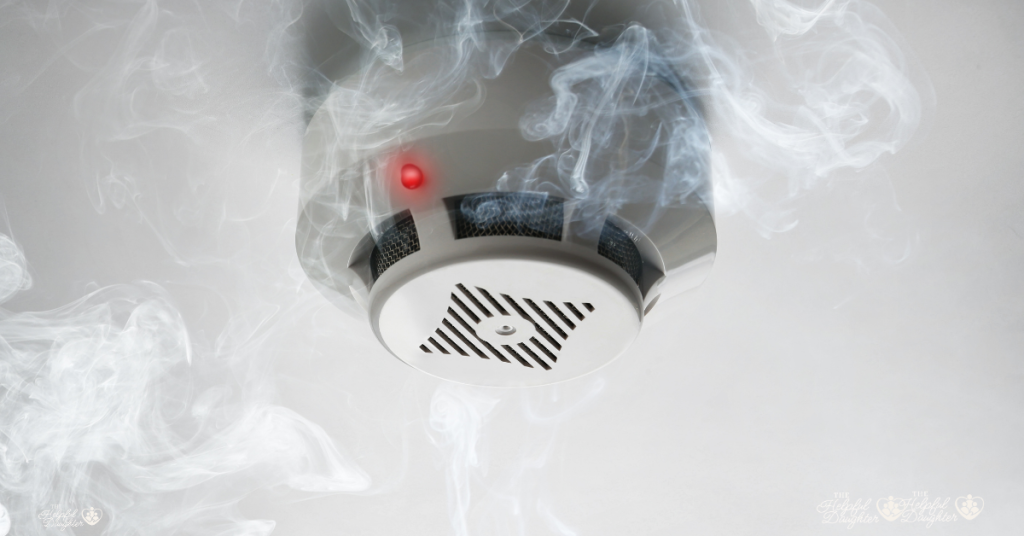
When searching for the best smoke detector for hard of hearing individuals, traditional sirens often fall short.
For seniors with mild-to-moderate hearing loss who want to stay independent, the X-Sense XS0B-MR earns our top recommendation. Its blend of spoken voice alerts, wireless interconnectivity, and smartphone push alerts gives caregivers an unmatchable safety window.
For seniors with severe-to-profound hearing loss, sound should not be your primary defense. Investing in a hardwired visual system like the First Alert Strobe Series ensures that no matter how deep their hearing loss, they will receive a bright, unmissable warning when every second counts.
Frequently Asked Questions
What is the best smoke detector for hard of hearing seniors?
The X-Sense XP0A-iR is one of the best options because it combines voice alerts, smoke detection, carbon monoxide monitoring, and smartphone notifications for caregivers.
Can smart smoke detectors alert family members remotely?
Yes. Many smart smoke detectors send real-time notifications through mobile apps, allowing caregivers and family members to receive alerts wherever they are.
Are voice alerts better than traditional smoke alarms?
For many hard-of-hearing seniors, voice alerts provide clearer information than standard alarm sounds. They help identify the type and location of the emergency.
Do hard-of-hearing seniors need strobe lights with smoke detectors?
Seniors with moderate to severe hearing loss may benefit from strobe lights because they provide a visual warning that complements audible alarms.
Can smoke detectors wake someone with hearing loss?
It depends on the severity of the hearing loss. Some seniors may require additional devices such as bed shakers or strobe lights to ensure they wake during an emergency.
Should smoke and carbon monoxide detectors be combined?
Yes. Combination detectors provide protection from both fire and carbon monoxide while reducing the number of devices that need maintenance.
How many smoke detectors should a senior’s home have?
Experts generally recommend installing smoke detectors inside every bedroom, outside sleeping areas, and on every level of the home.
Can caregivers monitor multiple X-Sense alarms from one app?
Yes. Compatible X-Sense smart alarms can be managed through a single app, making it easier for caregivers to monitor multiple devices throughout the home.
What happens if Wi-Fi goes down?
Most smart smoke detectors continue to function as smoke and carbon monoxide alarms even if internet connectivity is lost. However, remote notifications may be temporarily unavailable until the connection is restored.
How often should smoke detector batteries be replaced?
Battery replacement schedules vary by model. Many modern detectors use sealed long-life batteries that can last up to 10 years before the entire unit requires replacement.