
Last Sunday, while visiting my dad, I noticed something that made my stomach drop. I was standing in his hallway when the toaster kicked up a bit of smoke. A faint, tinny beep came from the ceiling. It was his single, yellowing smoke alarm, installed back when the house was built. Dad didn’t even look up from his crossword puzzle. When I asked him if he heard it, he frowned and said, “Heard what?”
When your parent chooses to remain in their own home as they get older, you want to make sure that independence comes with safety. One of the simplest ways to improve home safety is learning how many smoke detectors does a seniors home need?
The answer depends on the home’s layout, your parent’s abilities, and their specific safety needs. When you are helping an aging parent stay independent, the question is not just how many smoke detectors a home needs—it is whether those alarms provide enough warning for your parent to safely respond.
In this comprehensive guide, we will look at exact numbers, specific room placements, special technology for hearing loss or cognitive changes, and how to build a fire prevention strategy that truly protects the person you love.
Why Seniors Need Extra Fire Safety Considerations
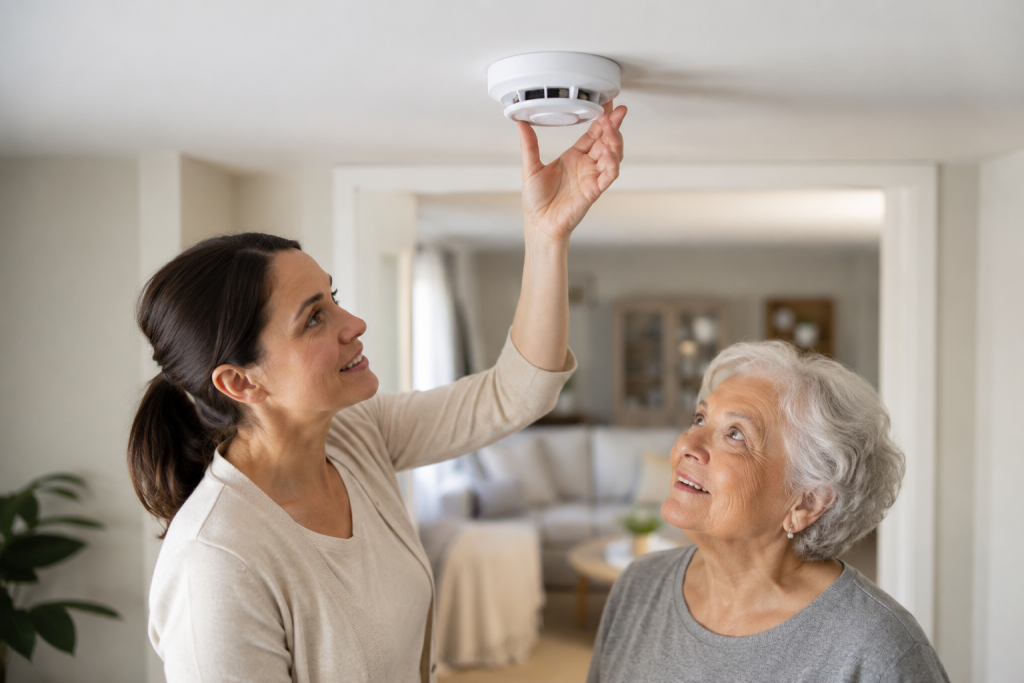
A smoke alarm is designed to detect danger, but seniors may need more time and assistance to respond. A house fire can become life-threatening in less than three minutes. For an older adult, those three minutes can slip away incredibly fast due to unique physical and cognitive vulnerabilities.
Hearing Loss
High-frequency hearing loss is incredibly common as people grow older. Standard smoke alarms emit a piercing, high-pitched beep that sits exactly in the frequency range many seniors lose first. If your dad takes his hearing aids out at night, a standard alarm down the hallway might not wake him up at all.
Reduced Mobility
Someone using a walker, a cane, or a wheelchair needs earlier warning to safely leave. If a fire starts in the basement and the only alarm is outside the bedroom door, by the time that alarm sounds, smoke may already fill the escape route. Seniors with mobility challenges require the absolute earliest possible notice to get moving.
Memory Changes
Someone with dementia or Alzheimer’s disease may experience significant confusion during an emergency. They might:
- Forget what a loud alarm means.
- Become terrified by the noise and hide in a closet or bathroom instead of exiting.
- Struggle with rapid, stressful emergency decisions.
For these individuals, traditional alarms can sometimes cause more panic than safety, requiring caregivers to look into specialized options like voice-alert systems.
Living Alone
Many seniors live independently without someone nearby to help during an emergency. If your mom lives alone and a fire breaks out at 2:00 AM, she relies entirely on the devices inside her walls to be her eyes, ears, and voice to the outside world.
Smoke Detector Placement by Room
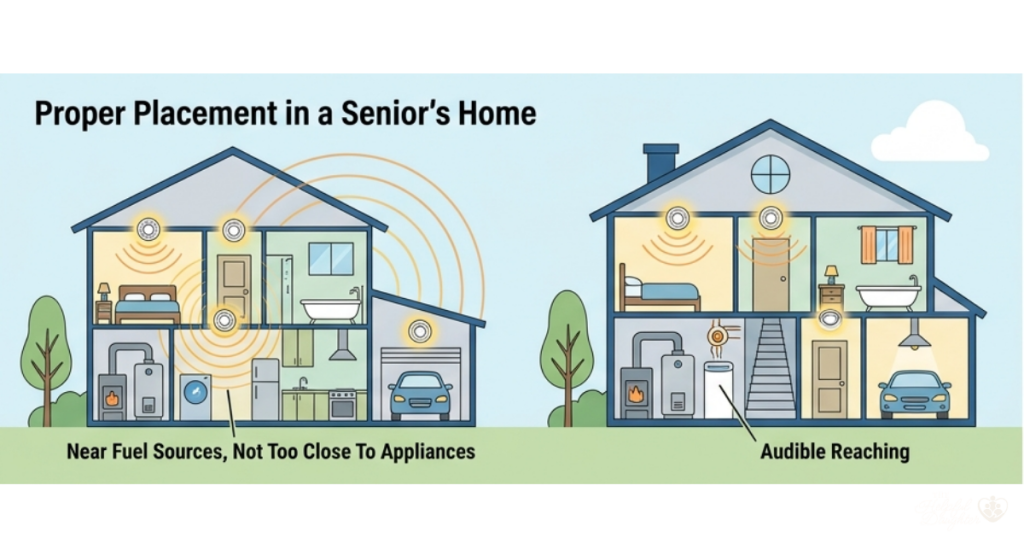
Knowing where should smoke alarms be installed is just as crucial as knowing how many to buy. A poorly placed alarm is either useless or a source of constant, frustrating false alarms.
Bedrooms
Every bedroom should have a smoke alarm. Many home fires happen at night when people are asleep. A bedroom alarm provides the fastest warning directly to the sleeping person. If your parent sleeps with the door closed to keep out drafts, a hallway alarm won’t detect smoke inside the bedroom until it is much too late.
Hallways Outside Bedrooms
Install alarms near bedroom doors, in central sleeping areas, and near stairways. This helps alert people moving through the home and catches smoke traveling upward from lower floors. If a hallway is longer than 30 feet, install an alarm at both ends.
Living Room or Main Area
Many seniors spend most of their time here, relaxing, watching television, or reading. A smoke alarm in the main living space can provide early warning during daytime activities. Keep it away from drafty areas like ceiling fans or heating vents, which can blow smoke away from the sensor.
Kitchen Area
The kitchen is a common source of fires, usually from unattended cooking. However, avoid placing smoke alarms directly above cooking appliances. This causes nuisance alarms from burnt toast or boiling steam, which often leads frustrated seniors to take the batteries out entirely. Instead, install kitchen-area alarms at least 10 feet (3 meters) away from cooking appliances, or use a specialized heat detector instead of a smoke detector in that specific zone.
Basement
Basements often contain furnaces, water heaters, electrical panels, and old storage items. A smoke detector here can provide early warning before the smoke ever rises to the living quarters. Install this alarm on the ceiling at the bottom of the basement stairway.
Should Smoke Detectors Be Interconnected in Senior Homes?
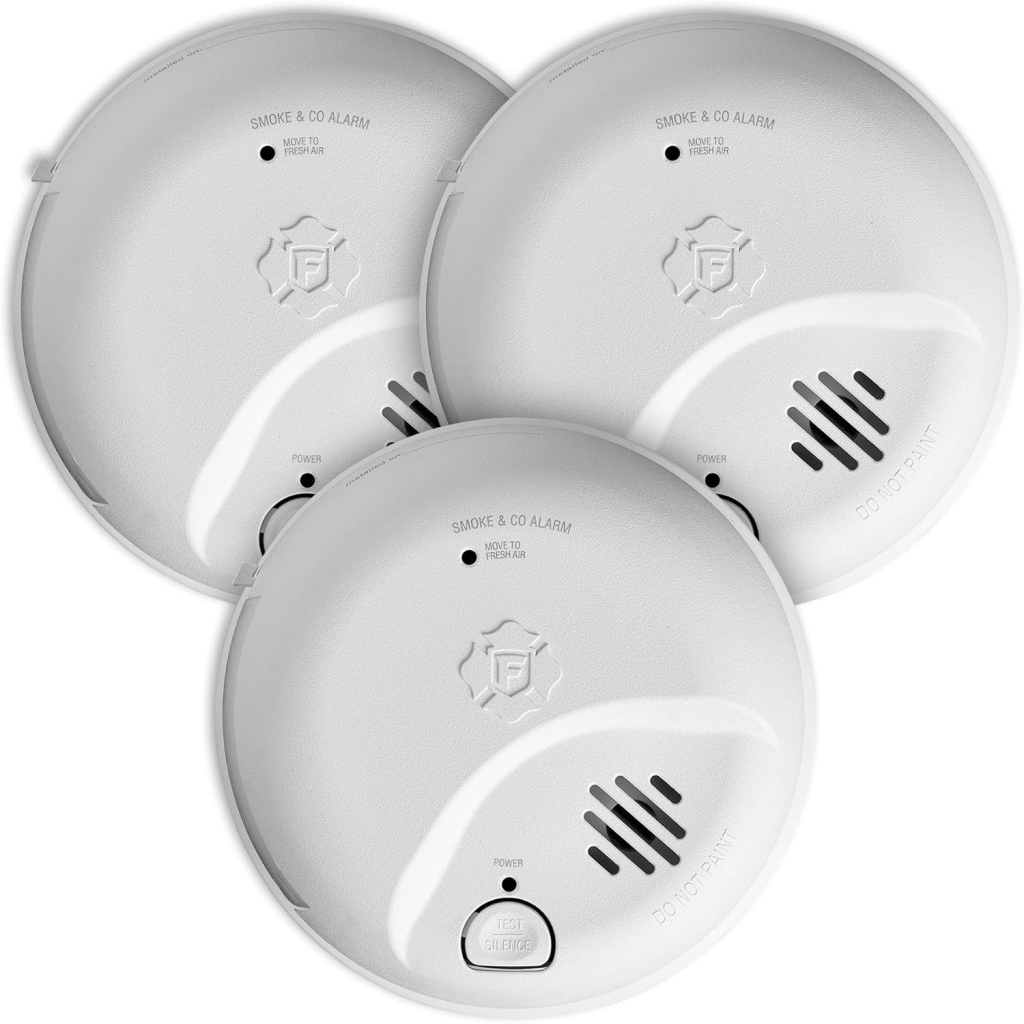
Traditional smoke alarms operate as lone wolves. If an old alarm in the basement goes off, it makes noise in the basement. If your parent is asleep on the second floor, they likely won’t hear it until the fire has grown large enough to trip the upstairs alarm.
This is why interconnected alarms are a game changer for senior safety. Interconnected alarms communicate with each other. If one detects smoke, every connected alarm sounds simultaneously.
Benefits for Seniors
- Faster Warning: Gives your parent the maximum amount of time to grab their walker or cane and escape.
- Helpful in Larger Homes: Eliminates the risk of missing an alert from a distant room or a separate floor.
- Better for Hearing Difficulties: Brings the sound directly into the room where they are located, regardless of where the fire started.
- Reduces Reliance on Hearing One Alarm: Creates a whole-home shield of sound.
If you are upgrading your parent’s home, look into wireless interconnected options. They don’t require ripping out drywall to run new wires; they link up over a secure radio frequency right out of the box. You can read more about specific models in our guide on the Best Interconnected Smoke Alarms for Seniors.
Should Seniors Have Smart Smoke Detectors?
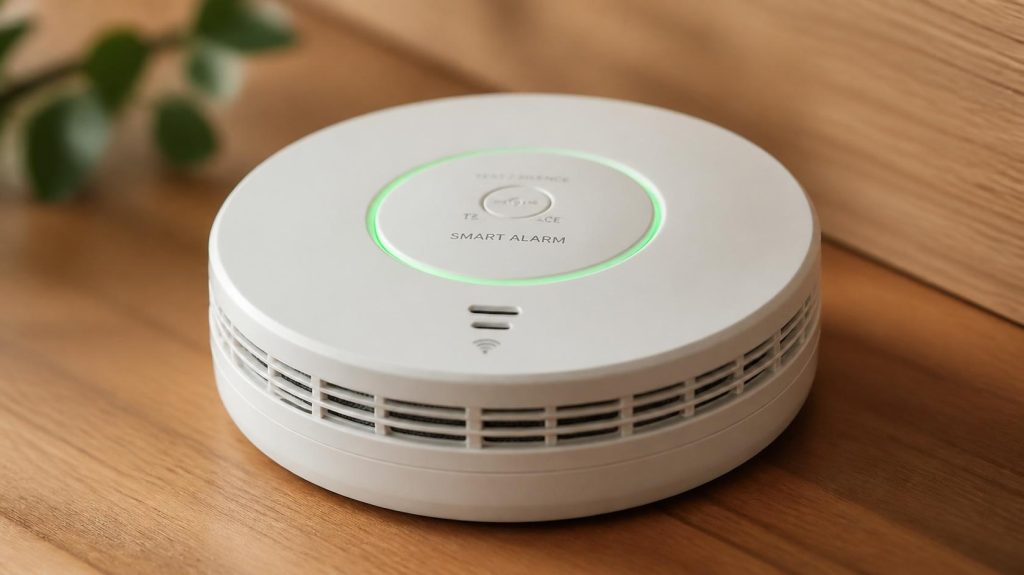
Smart smoke detectors connect to the home’s Wi-Fi network and send real-time notifications to a smartphone application. They provide an incredible layer of security for caregiver home safety tips.
These devices are highly useful for adult children who live far away, seniors living alone, and caregivers managing multiple responsibilities. If an alarm goes off at your dad’s house across town, your phone will flash with an alert telling you exactly which room contains smoke. You can call him immediately, check your home indoor cameras if you have them, or call emergency services directly.
Smart alarms also notify you when their batteries are running low. This prevents that agonizing 2:00 AM low-battery chirp that causes many seniors to climb dangerous ladders or rip the alarm off the ceiling in frustration.
Common Smoke Detector Mistakes in Senior Homes
Even well-meaning families fall into dangerous traps when setting up fire prevention systems for aging parents.
Mistake #1: Relying on One Smoke Alarm
A single alarm over the kitchen doorway cannot protect a whole house. Smoke doesn’t travel through closed doors or around sharp corners fast enough to trigger a single, central alarm before a fire becomes dangerous.
Mistake #2: Installing Alarms Too Far Away
Distance matters, especially for seniors with hearing loss. An alarm positioned at the far end of a basement stairwell won’t easily wake up a senior sleeping at the front of the house on the second floor.
Mistake #3: Forgetting About Carbon Monoxide
Carbon monoxide (CO) is an invisible, odorless, tasteless killer. Aging bodies are more susceptible to carbon monoxide poisoning, which can mimic symptoms of flu or dementia. Seniors should use combination smoke and carbon monoxide alarms, or have separate CO detectors placed on every level near sleeping areas.
Mistake #4: Not Testing Regularly
An old alarm on the ceiling provides a false sense of security. Dust builds up inside the sensors, bugs crawl inside the casings, and batteries degrade. If it isn’t tested, you have no way of knowing if it will work when it counts.
Caregiver Smoke Detector Checklist
Keep this checklist handy or save it to your phone for your next home safety inspection visit.
Caregiver Smoke Detector Checklist
Bedrooms
One working alarm inside every single bedroom.
Hallways
One alarm outside every sleeping zone.
Levels
At least one working alarm on every floor of the home.
Basement
One alarm installed on the ceiling near the bottom of the stairs.
CO Protection
Carbon monoxide sensors installed near all bedrooms.
Testing
Press the test button monthly to confirm the horn works.
Batteries
Change AA/9V batteries yearly (or use 10-year sealed units).
Age Check
Check the back of the unit; replace if older than 10 years.
Escape Plan
Senior knows exactly what to do and where to go if the alarm sounds.
How to Create a Complete Fire Safety Plan for an Aging Parent
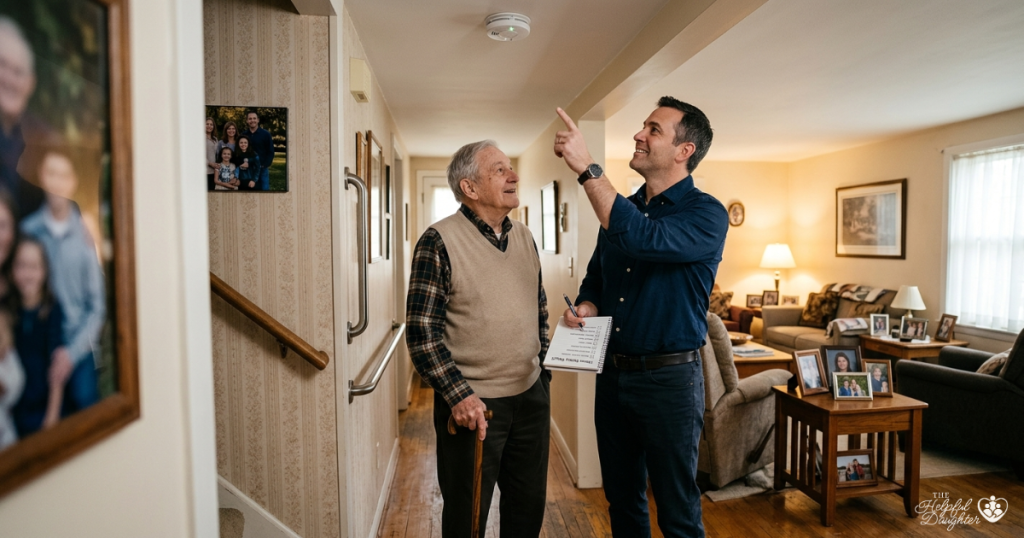
Installing the right number of detectors is step one, but a full safety system requires a clear, actionable plan.
Step 1: Install the Right Number of Alarms
Ensure your coverage matches the specific floor plan of the home, prioritizing bedrooms, hallways, and main common spaces. Use interconnected models if possible.
Step 2: Improve Accessibility
If your parent has significant physical limitations, standard solutions won’t suffice. Consider:
- Louder alarms: Low-frequency alarms that use a deeper, booming tone.
- Flashing lights: Strobe light accessories that activate alongside the alarm sound.
- Bed shakers: Small pads placed under a mattress or pillow that vibrate violently to wake a profound sleeper.
- Smart alerts: Text or app notifications sent straight to your phone.
Step 3: Practice an Emergency Plan
Keep instructions incredibly simple. Don’t design a complex escape route with multiple options. Use clear, direct commands like: “If the alarm rings, do not grab your purse. Leave the house immediately and go straight to the neighbor’s driveway.” If they use a walker, ensure their pathway to the main door is always clear of clutter, throw rugs, or low coffee tables.
Step 4: Review Regularly
People change, and health needs shift. Update your fire safety plan if your parent’s mobility changes, if they develop new cognitive deficits, or if new in-home caregivers join the family circle. Review our comprehensive Smoke Alarm Maintenance Checklist for Caregivers twice a year during daylight saving time changes to ensure everything stays up to date.
Recommended Smoke Detector Products to Compare
Choosing the right brand and model can feel overwhelming when staring at shelves of identical white plastic discs. Let’s compare four reliable market options tailored specifically to senior care needs.
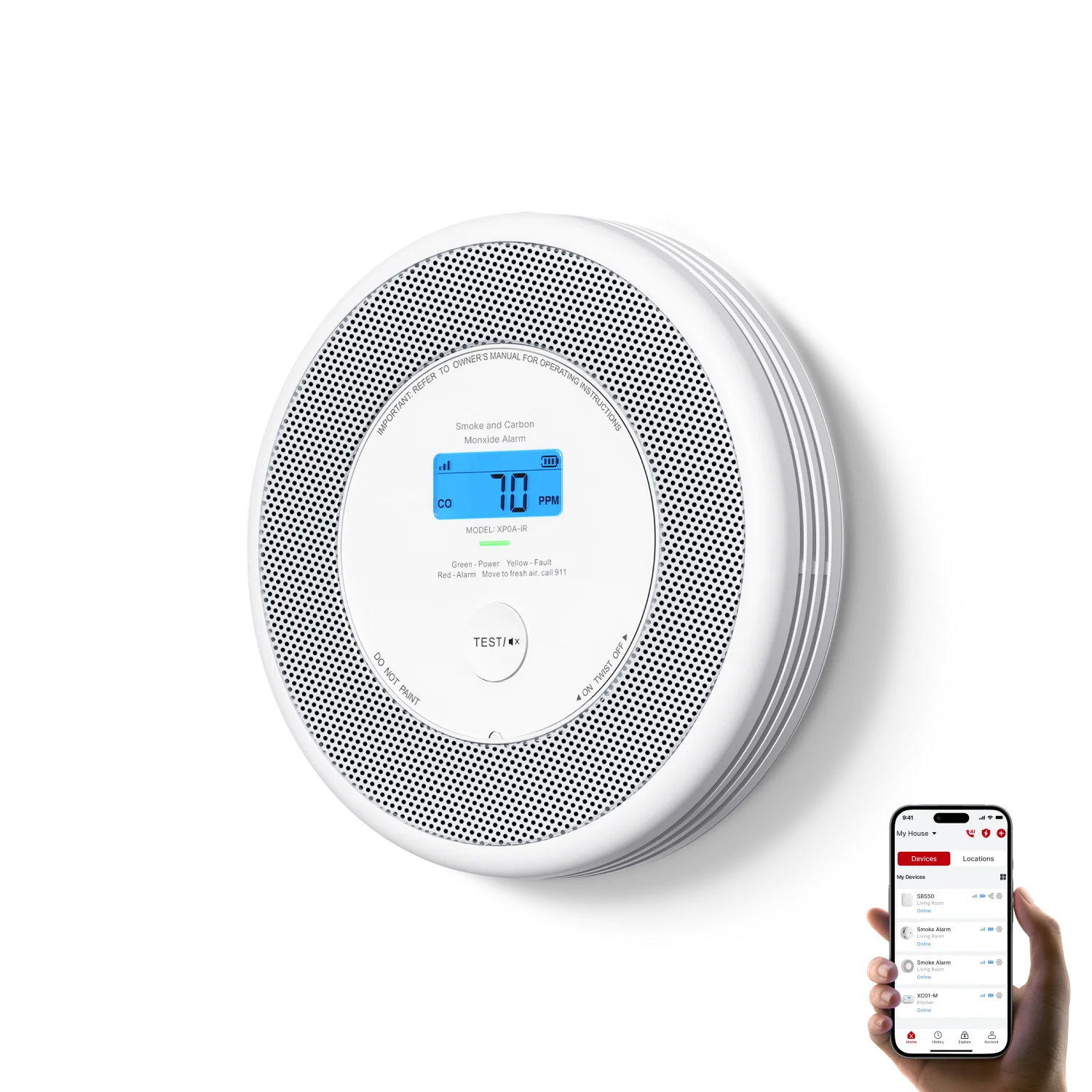
X-Sense Smart Smoke Alarms
Best For: Caregivers wanting smart home features on a tighter budget
A high-tech, budget-conscious security system that connects directly to your Wi-Fi. Featuring robust wireless interconnection and instant phone alerts, it provides modern safety peace of mind without the high cost of premium premium systems.
Key Features
- Wi-Fi Connected: Sends immediate warning notifications directly to your smartphone if an emergency occurs.
- Wireless Interconnection: If one alarm detects a hazard, all interconnected devices in the home sound off instantly.
- In-App Monitoring: Easily check battery life, check device connection status, and test the system from your phone.
- Photoelectric Sensor: Employs highly accurate optical technology to minimize cooking-related false alarms.
Pros
- Smart remote monitoring at an affordable price
- Saves critical evacuation time with interconnection
- Instant smartphone push notifications
- Easy wire-free mounting and setup
Cons
- Lacks voice-alert features
- Requires a stable home Wi-Fi connection
- Initial app configuration can take some time
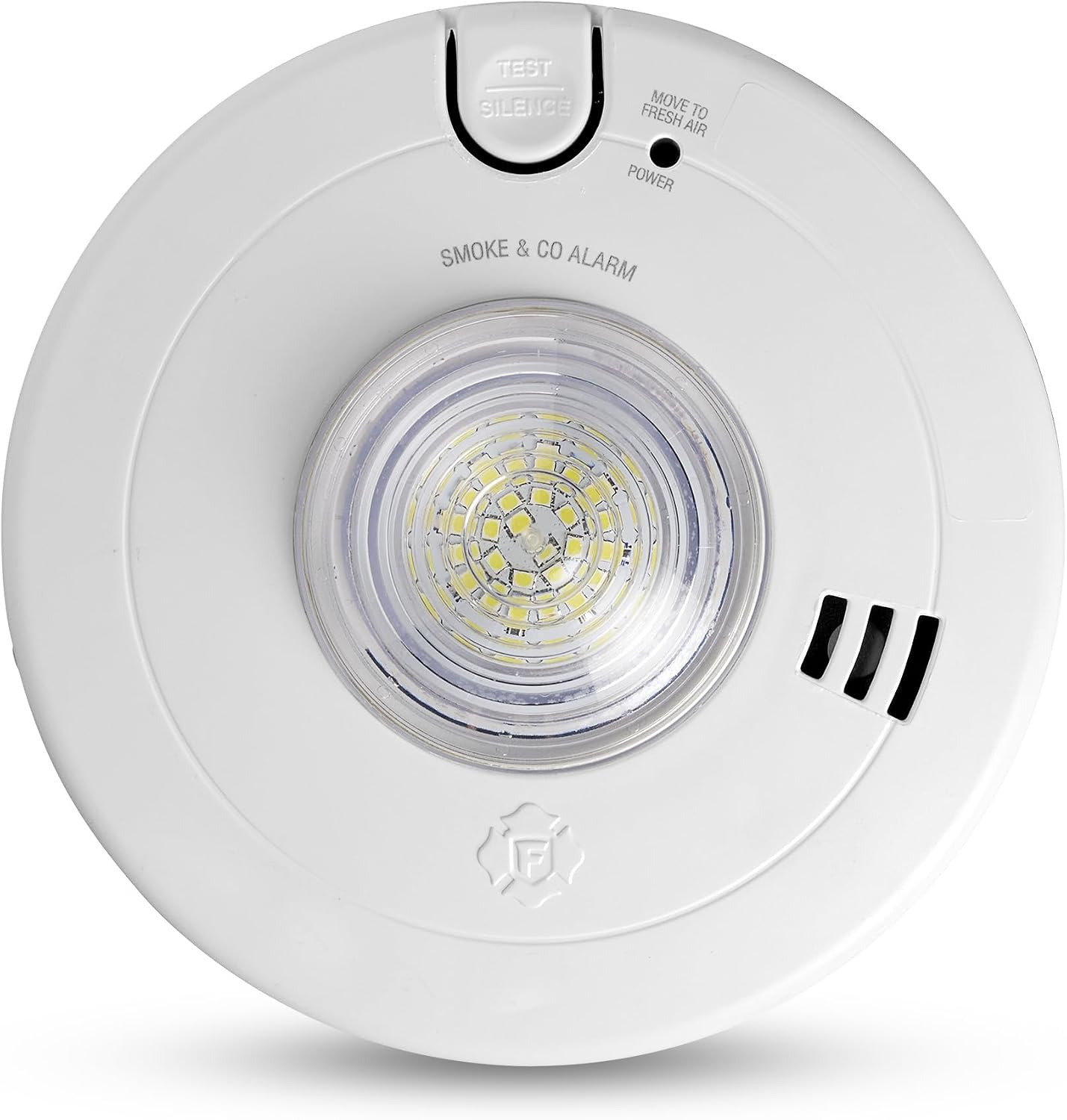
First Alert 10-Year Sealed Battery Alarms
Best For: Caregivers looking for low-maintenance, budget-friendly options
An incredibly reliable, set-it-and-forget-it safety option. Driven by an integrated lithium battery designed to last a full decade, it keeps your aging loved ones safe without the anxiety of middle-of-the-night battery chirps.
Key Features
- 10-Year Sealed Battery: Powered by a lithium battery that provides continuous power for a decade.
- Zero Battery Changes: Eliminates the need to ever climb ladders to replace fading 9-volt batteries.
- Tamperproof Design: Locked casing prevents seniors from removing or disabling batteries out of frustration.
- Slim Profile: Sleek and compact aesthetic that blends cleanly into any ceiling decor.
Pros
- No battery maintenance for 10 years
- Highly budget-friendly option
- Saves seniors from ladder-climbing risks
- Prevents tampering or accidental disablement
Cons
- No smartphone connectivity or smart alerts
- Requires manual monthly test pressing
- Cannot sync alerts to distant caregiver phones
Taking a few hours to audit, count, and upgrade the smoke detectors in your parent’s home is one of those small caregiver tasks that yields massive peace of mind. It ensures that your commitment to their independence is backed up by an invisible, reliable safety net.
Walk through their rooms, check those expiration dates, and make sure they have the early warnings they truly need.
Frequently Asked Questions
How many smoke detectors should a small senior home have?
A small senior home, such as a single-floor apartment or a cozy cottage, should still have a minimum of three to four smoke detectors. You need an alarm inside every bedroom, one located directly outside the sleeping areas in the main hallway, and one in the main living space. Even in smaller square-footage homes, fire and toxic smoke can travel faster than an older adult can move. Ensuring coverage across all active living zones guarantees they get the alert immediately, no matter where they happen to be resting.
Should there be a smoke detector in every bedroom?
Yes, placing smoke alarms inside every single bedroom is essential. A significant percentage of fatal home fires occur during standard sleeping hours. If an older adult sleeps with their bedroom door shut to keep out cold air or noise, a fire starting from an electric blanket, phone charger, or bedside lamp inside that room won’t be caught by a hallway alarm until it is far too late. An in-bedroom alarm provides the immediate, localized warning necessary to wake up and escape.
Do older adults need special smoke alarms?
Many older adults benefit significantly from specialized features rather than basic hardware store alarms. Standard alarms emit high-frequency sound waves that seniors with age-related hearing loss often cannot detect. Upgrading to alarms that feature low-frequency tones, spoken voice alerts, flashing strobe lights, or under-pillow bed shakers ensures they are actually alerted. Furthermore, smart alarms that notify family caregivers offer an extra layer of protection for independent living.
How often should smoke detectors be replaced?
Most smoke detectors must be completely replaced every 10 years from their original date of manufacture, not their date of installation. Over a decade, dust, airborne kitchen grease, and internal component degradation make the sensors less sensitive and unreliable. To check the age of your parent’s alarms, take the unit down and check the label on the back for the manufacture date. If that stamp is older than ten years, or if there is no date label at all, the entire unit needs to go in the trash and be replaced.
Can I install a smoke alarm directly in the kitchen?
You should avoid installing a standard smoke detector directly above a stove or oven. The heat, steam, and minor smoke produced by daily cooking will trigger frequent false alarms. This often leads to seniors removing the batteries or taking the unit down entirely, leaving them unprotected. Instead, install your smoke alarm at least 10 feet away from kitchen appliances. For the kitchen itself, consider a specialized heat detector, which reacts to rapid temperature spikes rather than airborne particles.
What is the difference between photoelectric and ionization smoke detectors?
Ionization detectors are generally quicker at spotting fast-moving, flaming fires, like grease or paper fires. Photoelectric detectors are significantly better at sensing slow, smoky, smoldering fires, like a cigarette burning on a sofa or an overheating electrical cord inside a wall. Because smoldering fires produce massive amounts of toxic, blinding smoke before open flames ever appear, photoelectric alarms are highly recommended for senior living environments to provide maximum evacuation time.
What should I do if my parent keeps disabling their smoke alarms?
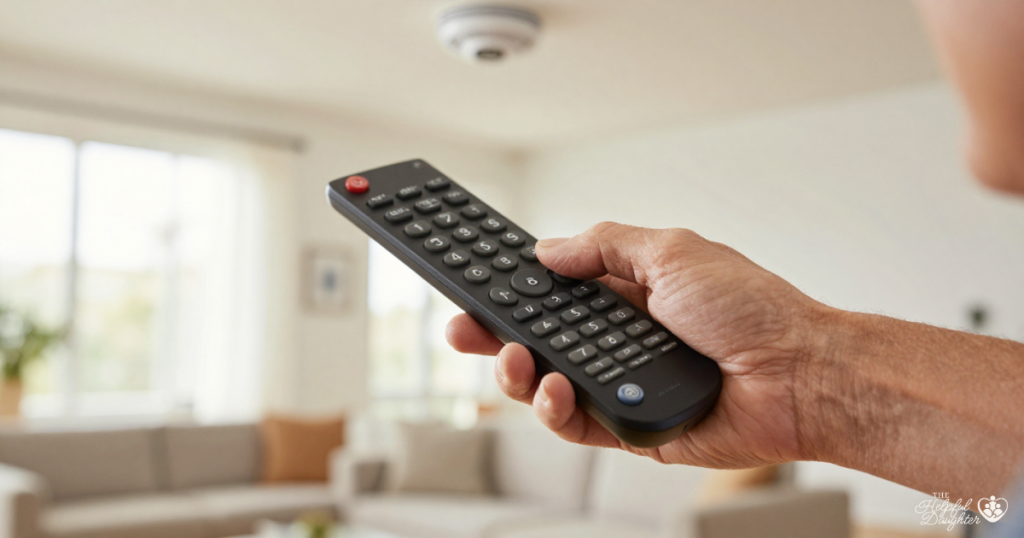
If your parent keeps removing batteries or taking alarms down, it is usually because they are frustrated by annoying false alerts caused by cooking or bathroom steam. Do not argue or leave them unprotected. Instead, swap out their old alarms for models that feature a physical remote control button or an easy-to-reach wall switch that allows them to silence a false alarm safely from the floor. Moving the detector a few feet further away from the kitchen or bathroom can also solve the issue permanently.
Is it better to get battery-operated or hardwired smoke alarms for an older home?
If your parent’s home is already wired for hardwired alarms, you should always replace them with new hardwired units that include a reliable battery backup. Hardwired systems are naturally interconnected. However, if the home is older and only has standalone, battery-powered units, you do not need to hire an electrician to run expensive wires. You can buy modern, wireless interconnected battery-operated alarms that link up over radio frequencies, providing the exact same whole-home safety benefit with a simple screw-in installation.