
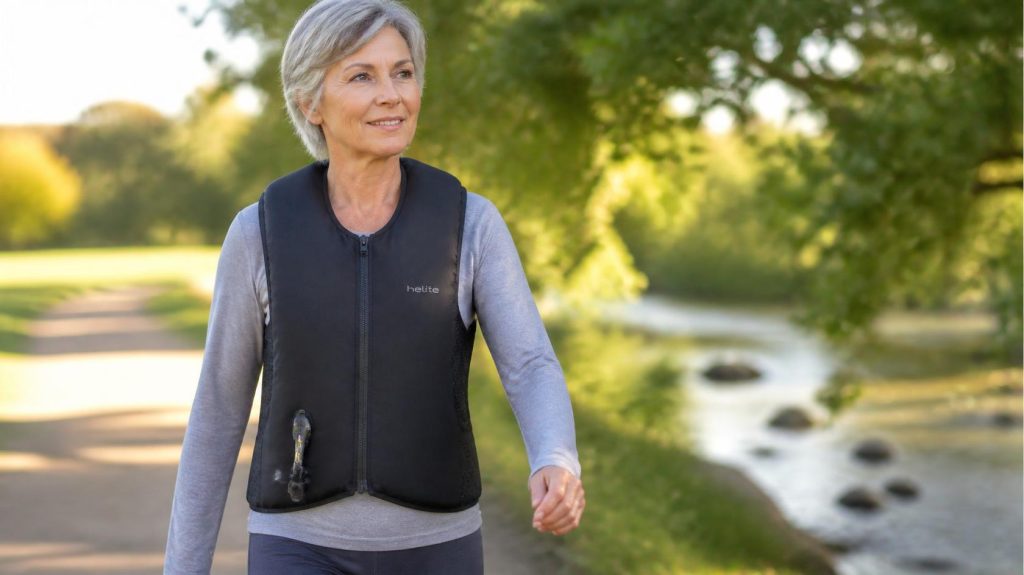
Falls remain one of the most consequential threats to senior safety and independence, particularly for older adults whose bones, balance, or mobility make a seemingly ordinary tumble potentially devastating. However, the term “wearable airbag” extends far beyond geriatrics; modern inflatable protective technology safeguards motorcyclists, equestrians, and industrial workers alike.
Naturally, preventing a fall or accident in the first place should always take precedence. Yet an intriguing strand of protective technology is now addressing another part of the problem: what happens when prevention fails and an impact actually occurs?
Enter the wearable airbag.
Unlike conventional passive padding, an active wearable airbag employs micro-sensors, gyroscopes, and sophisticated movement analysis to recognize a hazardous trajectory. When the system determines that an impact is imminent, it rapidly deploys an air-filled cushion around vulnerable anatomical areas using a cold gas generator or CO2 inflator cartridge.
This comprehensive guide explores what wearable airbags are, how the technology works across different industries, potential advantages, shortcomings, maintenance considerations, and how they compare with other forms of protection.
What Is a Wearable Airbag?
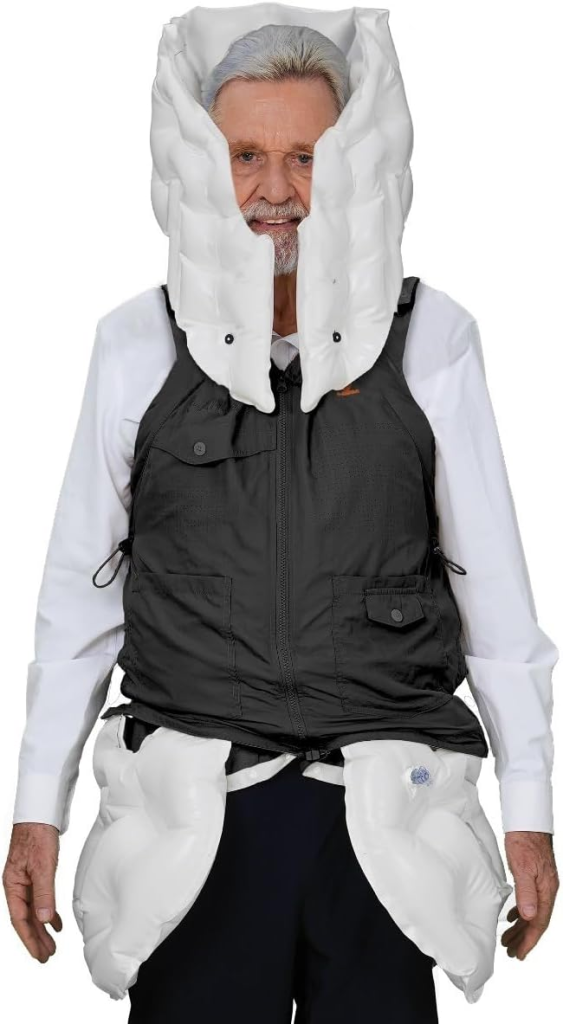
A wearable airbag is an active protective apparatus worn on the body—most commonly integrated into vests, belts, or jackets.
Embedded MEMS sensors continually monitor movement velocity, angular movement, body orientation, and acceleration. When the system identifies a sequence of movements that resembles a dangerous fall or collision, it triggers a rapid deployment mechanism. The airbag inflates around vulnerable areas before the body strikes a hard surface or the ground.
The basic sequence is straightforward:
- Detect the impact trajectory using algorithmic fall-detection -> Deploy the airbag via cold gas generator -> Cushion the impact within milliseconds.
Multi-Industry Applications
While senior fall-protection belts focus on lateral sideways falls to protect the greater trochanter (hip bone), wearable airbags serve multiple high-risk domains:
- Motorcycle Vests: Brands like Dainese D-Air and Helite use sub-0.05-second reaction triggers to protect the spine, chest, and collarbone during high-speed friction and friction-impact events.
- Equestrian Airbags: Designed for horse riders to protect the neck, ribs, and back during rotational falls or sudden unseatings.
- Industrial and Construction Gear: Emerging safety vests designed to protect workers operating at heights from severe occupational falls.
How Does a Wearable Airbag Work?
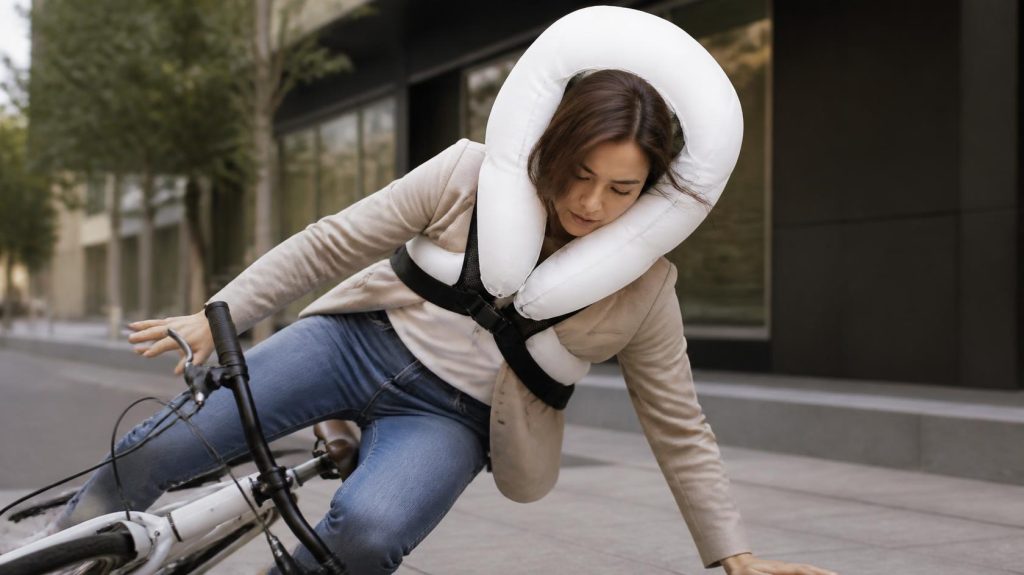
A wearable airbag isn’t merely waiting for the wearer to hit the floor. The device relies on an intricate interplay between motion sensors, machine-learning software algorithms, and a cold-gas inflation mechanism.
During ordinary use, the system continually interprets data points such as:
- Linear acceleration and changes in position
- Angular velocity and body rotation
- Abrupt downward motion
The accompanying algorithm must instantly differentiate routine actions (such as sitting abruptly, bending forward, kneeling, or tripping and regaining balance) from a true trajectory heading toward a collision.
If the algorithm concludes that a significant impact is underway, it punctures a compressed CO2 cartridge, causing the protective cushion to expand around the designated body region in a fraction of a second.
Why Impact Protection Matters
Severe impacts can precipitate cascading health complications:
- Hospitalization and surgical intervention
- Prolonged rehabilitation
- Reduced mobility and loss of independence
- Increased reliance on caregivers
For older adults, video-recorded environments show that numerous hip fractures occur following impacts to the posterolateral pelvis. For motorcyclists and riders, chest and spinal trauma represent primary emergency concerns. Consequently, wearable airbags function as injury-mitigation devices designed to attenuate the forces generated by sudden impacts.
7 Ways a Wearable Airbag Protects Users
1. It Can Cushion Certain Fall Impacts
When a system recognizes an event and deploys successfully, the inflated chamber absorbs and redistributes a significant portion of the impact energy away from vulnerable skeletal structures.
2. It Offers Protection Without Constant Bulk
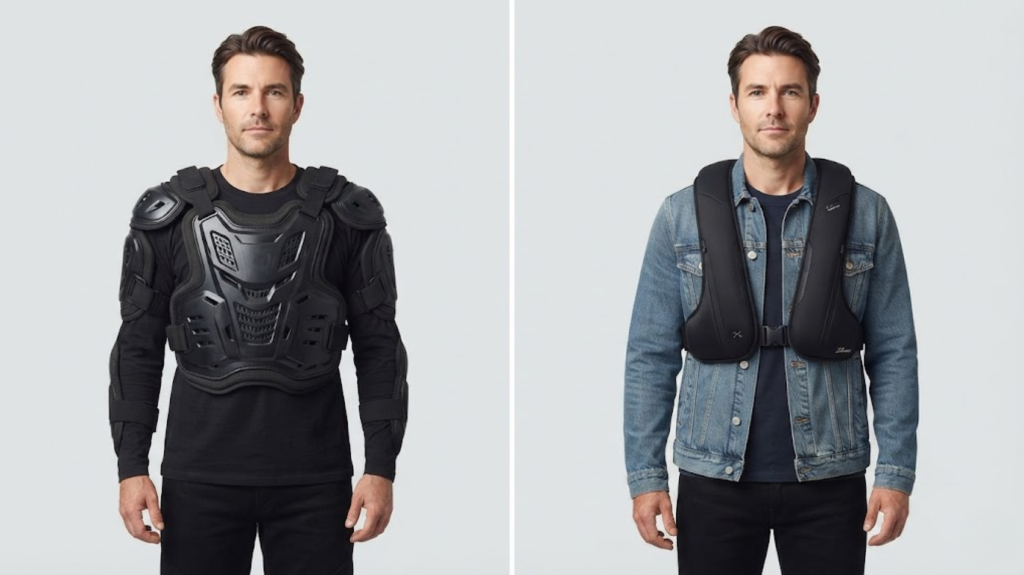
Traditional protective gear relies on permanent foam padding, which users often find cumbersome, warm, or restrictive. Active wearable airbags remain relatively discreet and deflated during normal activities, encouraging much higher adherence rates.
3. It May Reduce the Risk of Serious Injuries
Clinical data highlights the efficacy of these systems. For instance, studies involving high-risk older adults utilizing wearable airbag belts observed a dramatic reduction in major skeletal injuries, fall-related fractures, emergency department visits, and hospitalizations compared to control groups.
4. It Complements an Existing Safety Strategy
A wearable airbag should never replace foundational safety measures. It belongs within a layered strategy that includes environmental hazard removal, strength and balance training, appropriate footwear, and proper maintenance.
5. It Provides Psychological Reassurance
Fear of falling or injury can quietly erode independence, leading individuals to withdraw from daily exercise, outdoor activities, or riding hobbies. Knowing an active safety layer exists provides a helpful psychological buffer for reasonable, active confidence.
6. It Targets High-Risk Profiles
The technology is most relevant for individuals facing a genuinely elevated probability of impact combined with high vulnerability—such as seniors with impaired balance, experienced riders navigating high-speed traffic, or workers at heights.
7. Integration With Smart Technology
Many modern devices pair physical protection with smart features, including wireless connectivity, smartphone app integration, battery-status monitoring, and automated emergency alerts sent to caregivers or emergency contacts.
Wearable Airbag vs. Alternative Protectors
| Feature | Wearable Airbag | Traditional Passive Protector |
| Protection Mechanism | Deploys dynamically via gas inflation | Permanently positioned material |
| Sensors & Algorithms | Yes (MEMS gyroscopes/accelerometers) | No |
| Comfort / Bulk | Lower profile during normal wear | Can feel bulky or warm continuously |
| Maintenance | Requires re-arming and battery management | Generally straightforward / washing |
| Cost | Generally higher upfront and upkeep | Generally lower |
Key Features to Evaluate Before Purchasing
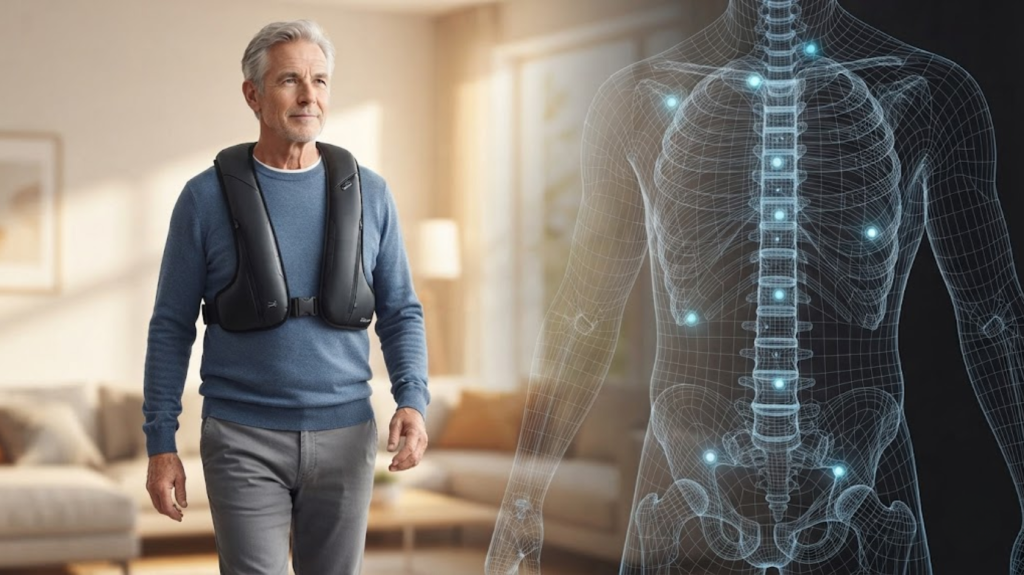
- Deployment Speed: The system must recognize a hazardous trajectory and fully inflate before the body reaches the ground or impact zone.
- Protected Anatomical Areas: Verify whether the system covers the hips, pelvis, tailbone, spine, chest, or neck.
- Re-armability and Maintenance: Check whether you can replace the CO2 cartridge and reset the vest yourself after a deployment, or if it must be shipped back to the manufacturer.
- Battery Life: Ensure the charging regimen fits seamlessly into the user’s daily routine.
- Fit and Sizing: Accurate waist and torso sizing is essential; an improperly positioned airbag will fail to cover the intended zone.
My Recommended Wearable Airbag
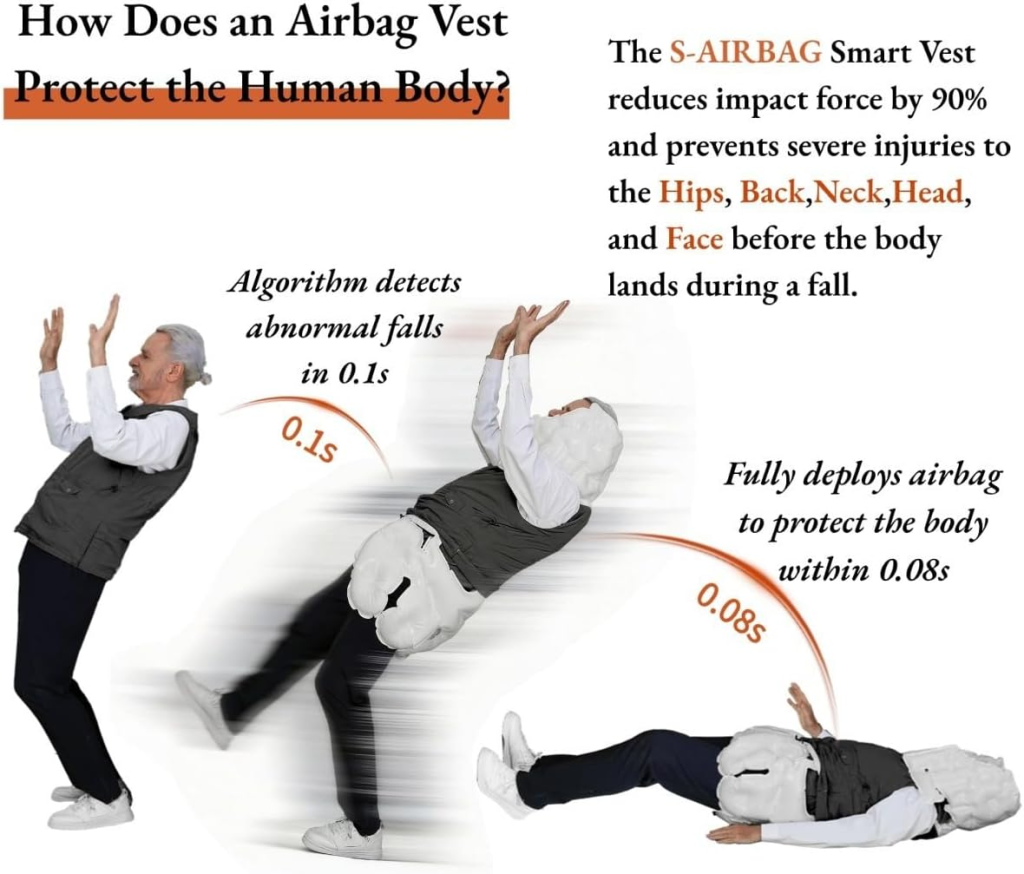
When it comes to senior safety, finding ways to protect loved ones without sacrificing their independence is a major challenge. For proactive, high-tech protection with lightning-fast reaction times and full-body coverage, the S-AIRBAG Elderly Anti Fall Wearable Airbag Vest (S33) redefines active senior safety.
Final Thoughts
For caregivers seeking absolute peace of mind and seniors wanting to maintain their independence without heavy, cumbersome padding, the S-AIRBAG S33 bridges high-tech digital monitoring and rapid physical protection seamlessly. While it requires an upfront investment and basic maintenance, its combination of 0.08-second deployment, 1000Hz motion monitoring, and live app tracking makes it an unmatched investment in safety and autonomy.
Frequently Asked Questions (FAQ)
1. Do wearable airbags actually work?
Yes. Clinical and engineering tests demonstrate that when deployed correctly and rapidly enough, inflation systems significantly reduce peak impact forces transmitted to the skeletal structure.
2. Can a wearable airbag go off by accident?
Accidental deployments are rare because advanced algorithms are specifically trained to filter out normal movements like sitting down, bending over, or minor trips. However, extreme or violent sudden jerks can occasionally trigger false positives depending on the brand.
3. What happens after the airbag deploys?
Once deployed, the air discharges. Depending on the model, the user or a certified service center will need to deflate the bladder, inspect the textile shell for damage, and install a fresh CO2 cartridge.
4. Are wearable airbags allowed on commercial flights?
Because they contain compressed CO2 cartridges, travelers must check airline and TSA regulations regarding travel with inflatable safety vests and spare gas cartridges, as special permissions or declarations are often required.
5. How much do wearable airbags cost?
Consumer wearable airbags typically range from several hundred to over a thousand dollars, depending on whether the application is medical/senior fall protection, motorcycling, or equestrian sports, plus the ongoing cost of replacement cartridges.