
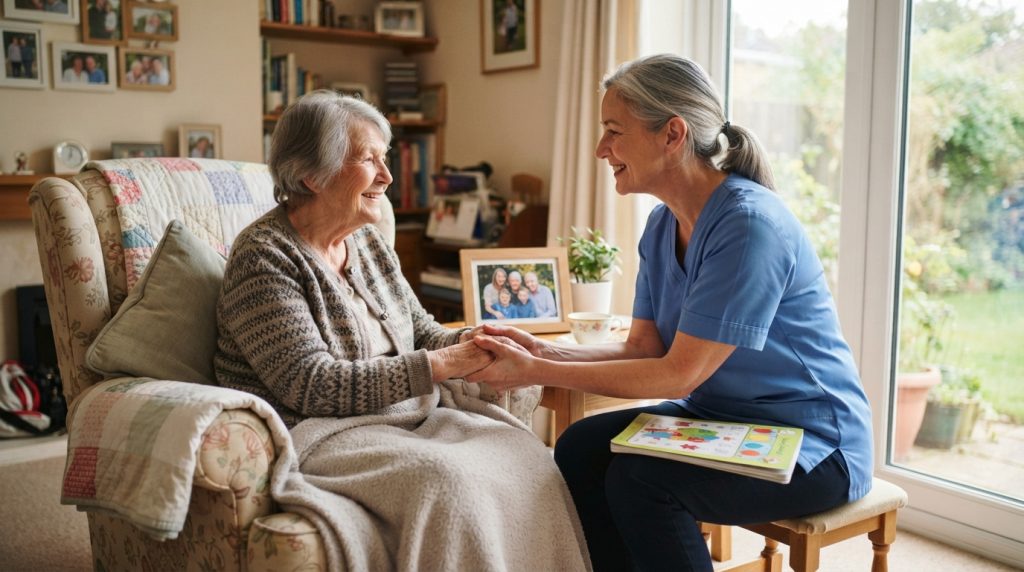
Every morning routine shouldn’t feel like a battlefield. If you’ve ever watched your aging parent dig their heels in, refuse the clothes you laid out, or push away a breakfast plate you prepared with love, you know the heavy emotional toll of daily caregiving friction.
When we step back, we often realize this resistance isn’t coming from a lack of love or cooperation. It happens because care has quietly slipped into a rigid, task-driven checklist. We focus so heavily on what needs to be done that we forget who we are doing it for.
Shifting away from a rigid checklist toward What Is Person Centered Care? acts as an immediate relief valve. This guide explores what this philosophy looks like in practice, why it matters deeply for your aging parent’s emotional and physical well-being, and how you can implement it without burning yourself out.
What Is Person Centered Care?

At its heart, person centered care puts the individual—not the medical condition or the daily task list—at the center of every decision. It recognizes that aging adults are not a collection of diagnoses, mobility issues, or medication schedules, but people with rich histories, lifelong habits, and a deep desire to steer their own lives.
Traditional care models ask: “What tasks need to be completed today?”
Person centered care asks a fundamentally different question: “What matters most to this person today?”
The Core Philosophy
- Honoring Life History: Recognizing that your parent’s past career, culture, and traditions shape how they view comfort and dignity today.
- Preserving Autonomy: Maximizing the choices they can make, no matter how small, to ensure they retain a sense of control over their routine.
- Focusing on Abilities: Looking at what your parent can still do safely rather than immediately taking over tasks out of speed or fear.
- Cultivating Relationships: Viewing caregiving as an interactive partnership built on mutual respect and active listening.
Why Person Centered Care Matters for Seniors

When older adults lose control over their daily lives, the impact goes far beyond temporary frustration. Helplessness triggers anxiety, depression, withdrawal, and physical decline.
Benefits of Person-Centered Care
-
Reduced Anxiety & Agitation: Crucial for memory loss and managing daily stress.
-
Enhanced Sense of Control: Boosts self-esteem and independence.
-
Stronger Relationships: Builds a more trusting partnership between caregiver and parent.
-
Improved Daily Cooperation: Encourages willingness and smoother daily routines.
-
Higher Quality of Life: Promotes overall comfort and happiness at home.
When helping parents who live with cognitive changes like dementia, person-centered approaches are doubly important. Agitation flares up when seniors feel rushed or misunderstood. Anchoring care in their familiar habits dramatically lowers stress for both of you.Traditional Care vs. Person Centered Care
Traditional Care vs. Person-Centered Care
- Morning Dressing: Picking out clothes for maximum efficiency, dressing the parent quickly to stay on schedule.
- Mealtime: Serving a standard nutritional meal at a strict time, feeding them if they eat too slowly.
- Bathing: Insisting on a full morning shower every single day because “it’s hygiene day.”
- Activities: Plunking them down in front of whatever TV show is playing in the common room.
- Morning Dressing: Asking which of two preferred shirts they want to wear today, letting them handle buttons if able.
- Mealtime: Offering familiar foods from their cultural background at a flexible pace, encouraging finger foods for independence.
- Bathing: Respecting past bathing habits (evening bath vs. morning washcloth refresh) and focusing on comfort.
- Activities: Inviting them to fold laundry, listen to favorite records from their youth, or look through family photo albums.
Core Principles to Apply at Home
1. Shift From “Doing For” to “Doing With”
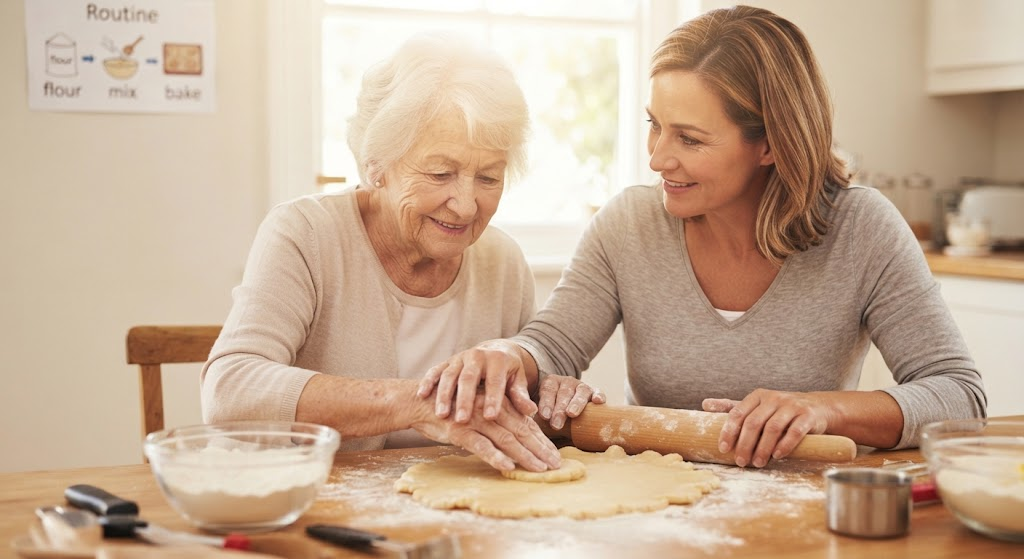
It is almost always faster to do things for an aging parent. If your mother takes ten minutes to button her cardigan, it’s tempting to step in and finish it in ten seconds. However, rushing strips away her practice of independence. Slow down your morning routine so she can participate actively.
2. Document and Honor Personal Preferences
Create a quick reference sheet tracking your parent’s preferences:
- What time do they naturally prefer to wake up and sleep?
- How do they like their coffee or tea?
- What music helps them relax when anxious?
3. Focus on Emotional Validation Over “Correctness”

If your father insists that he needs to go home to check on a house he sold twenty years ago, arguing with logic backfires. Validate the emotion: “You really loved that house, didn’t you? Tell me what your favorite room was.” Shifting to a comforting memory eases anxiety.
A Real-World Shift: Instead of saying, “Time to take a bath,” try asking, “Would you prefer a warm washcloth refresh before bed or after breakfast?” That minor shift gives back power and completely changes the afternoon tone.
Recommended Tools to Support Autonomy
When designing a home environment that fosters person-centered independence, certain tools can make daily routines smoother and safer without making a home feel clinical.

Simplified Daily Routine Clock & Visual Reminders
Helps seniors with short-term memory challenges maintain daily autonomy by displaying time of day in plain English (e.g., “Monday Morning”) rather than confusing digital numbers, reducing anxiety around scheduled tasks.
- Non-abbreviated day and time displays
- Custom medication and meal reminders
- High-contrast anti-glare screen
Conclusion

Embracing person-centered care doesn’t require sweeping lifestyle overhauls. At its core, it simply asks us to slow down, listen closely, and treat our aging parents with the individuality and respect we would want for ourselves.
By trading rigid efficiency for genuine connection, you can ease daily power struggles, protect your parent’s dignity, and restore a sense of warmth and teamwork to your caregiving journey.
Frequently Asked Questions
What is the main difference between traditional care and person-centered care?
Traditional care focuses primarily on medical needs, safety checklists, and completing physical tasks efficiently. Person-centered care treats the individual as a whole person, prioritizing their personal history, daily preferences, and emotional well-being.
How can I practice person centered care if I am pressed for time?
You do not need to change everything at once. Pick a single routine—such as morning dressing or lunch preparation—and focus on offering two simple choices or slowing down your pace slightly.
Is person-centered care suitable for seniors with advanced dementia?
Yes. When seniors with dementia feel rushed or micromanaged, they often react with agitation. Person-centered care respects their emotional reality, avoids unnecessary corrections, and uses familiar habits to maintain a calm environment.
How do I handle family members who disagree with this approach?
Share concrete examples of how honoring small preferences successfully reduced stress or behavioral outbursts. Demonstrating practical, positive outcomes helps align the care team.
Can person centered care be used in professional senior living facilities?
Absolutely. Many assisted living communities now structure their care models around person-centered principles. Ask touring facilities how they capture individual resident histories and maintain schedule flexibility.
What should I do if my parent refuses to participate in choices?
If offering choices causes decision fatigue, pare back the options. Gently guide them with a warm, single recommendation framed around a positive outcome.
How does person centered care prevent caregiver burnout?
Shifting toward a collaborative partnership changes the emotional tone of the house. Letting go of perfectionism and focusing on meaningful connection rather than rigid task completion brings deep emotional relief.
How often should a care plan be updated?
Treat your care plan as a living document. Review it every few months, or whenever your parent experiences a major shift in health, mobility, or cognitive ability.