
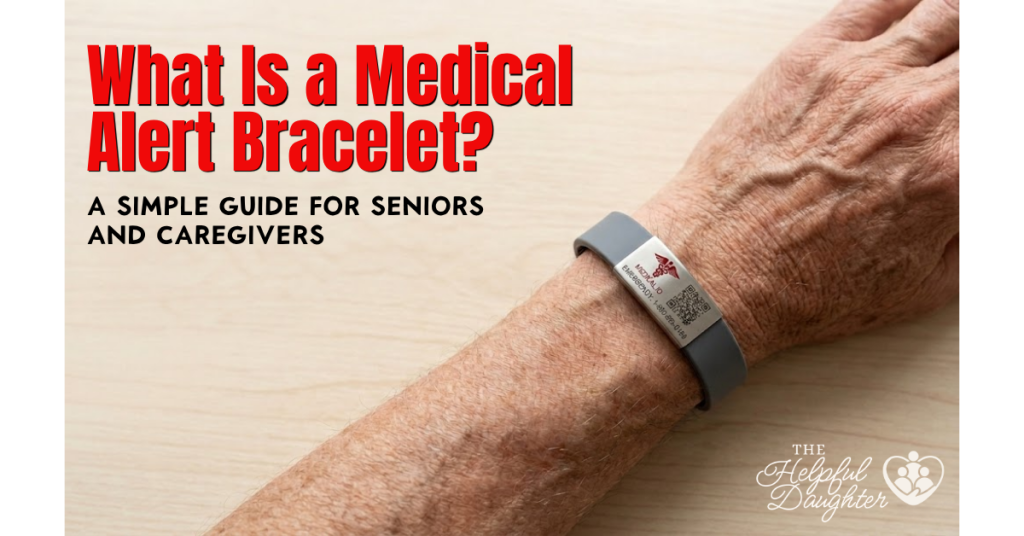
If you’ve ever wondered what is a medical alert bracelet, you’re not alone.
Many people first hear about them when a loved one is diagnosed with a condition, starts new medication, or begins living alone. At first glance, it might just look like a piece of jewelry—but in reality, it can carry life-saving information when it matters most.
A medical alert bracelet is a small wearable ID that provides critical health information to first responders during an emergency. It helps communicate things the person may not be able to say themselves, such as allergies, medical conditions, or medications.
For seniors, caregivers, and people with chronic health issues, it’s one of the simplest safety tools available.
What Is a Medical Alert Bracelet?
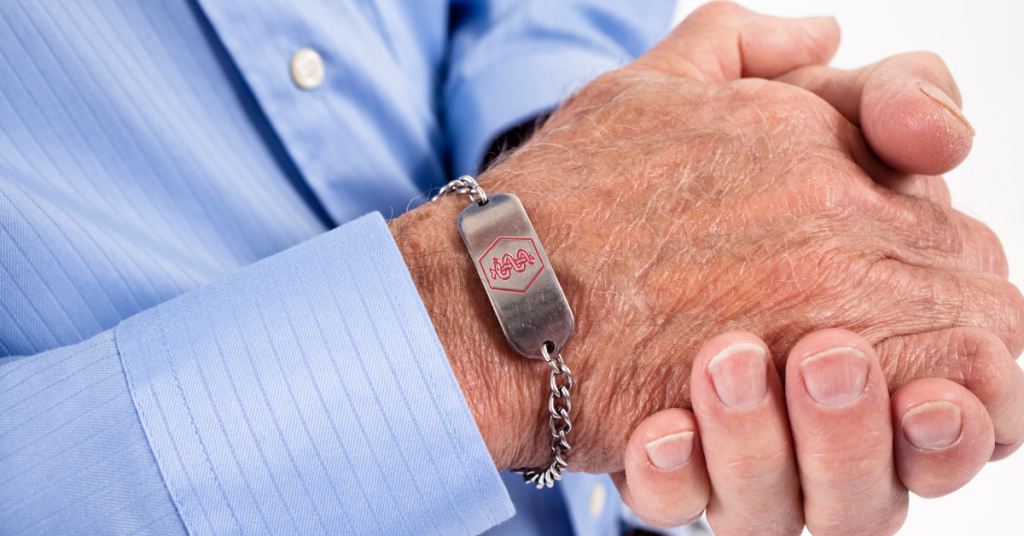
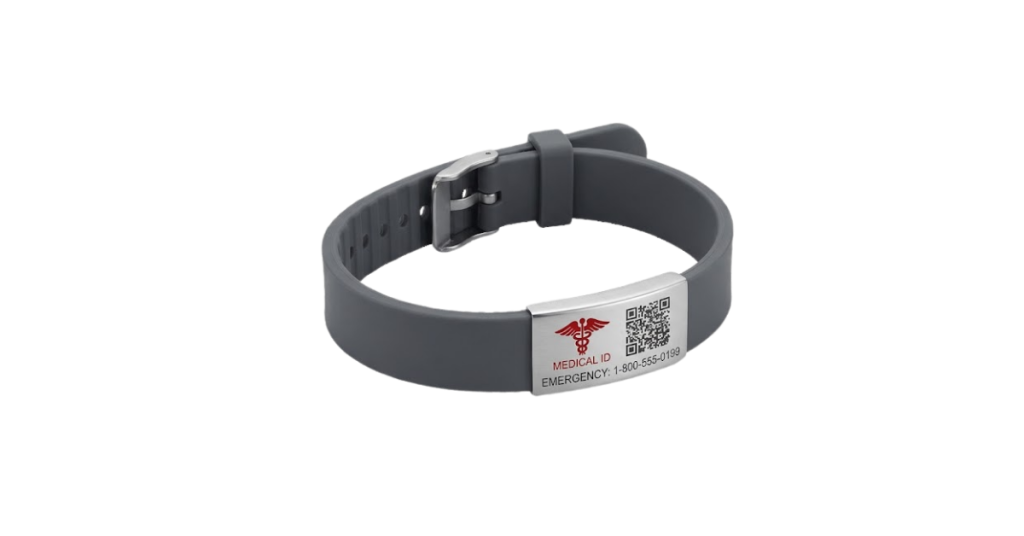
A medical alert bracelet is a piece of jewelry—usually worn on the wrist—that contains important medical information about the wearer.
Traditionally, this information is engraved directly onto the bracelet, such as:
- Medical conditions (diabetes, epilepsy, heart disease, etc.)
- Severe allergies (like penicillin or nuts)
- Blood thinner use
- Emergency contact information
- Organ donor status (in some cases)
The idea is simple: if someone is unconscious or unable to speak, a first responder can quickly look at the bracelet and understand what medical risks they need to consider.
Why Medical Alert Bracelets Matter
When an emergency strikes, time is the enemy. First responders need accurate health data immediately to provide safe treatment. A medical alert bracelet acts as a voice for your loved one when they cannot speak.
It eliminates dangerous guesswork by immediately flagging high-risk scenarios, such as a senior who is unresponsive due to a diabetic episode, an individual with dementia who has wandered, or a patient taking high-risk blood thinners. It’s a simple tool that prevents medical errors and protects their independence.
How Medical Alert Bracelets Work
Traditional medical alert bracelets work through engraved text. However, newer versions have evolved significantly.
Today, there are also smart medical alert bracelets that use QR codes or digital profiles. Instead of limited engraving space, these bracelets allow emergency responders to scan a code and instantly view a full medical profile.
This can include:
- Full medical history
- Medications and dosages
- Allergies and conditions
- Emergency contacts
- Care instructions
Some even allow caregivers to receive alerts if the bracelet is scanned or accessed in an emergency.
Who Should Wear a Medical Alert Bracelet?
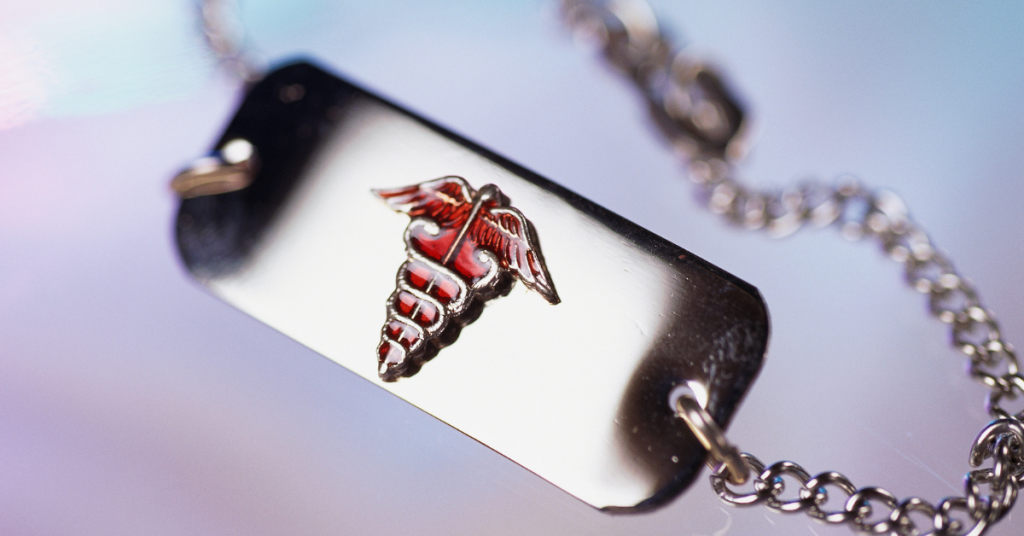
Medical alert bracelets are not just for seniors, although they are very common among older adults. They can benefit:
- Seniors living alone
- People with diabetes
- Individuals with heart conditions
- Epilepsy or seizure disorders
- Severe allergy sufferers
- Alzheimer’s or dementia patients
- People on blood thinners
- Children with medical conditions
- Anyone with a high-risk medical history
Even healthy individuals sometimes wear them while traveling or doing high-risk activities like hiking or solo trips.
Traditional vs Smart Medical Alert Bracelets
There are two main types of medical alert bracelets available today.
Traditional Bracelets
These are engraved metal bands or silicone bracelets.
Pros:
- Simple and reliable
- No technology required
- Always visible
Cons:
- Limited space for information
- Hard to update
- Can become outdated
Smart Medical Alert Bracelets
These connect physical wearables with digital health profiles.
Pros:
- Detailed medical information
- Easy updates anytime
- Caregiver notifications
- More flexible and modern
Cons:
- Requires setup
- Relies on smartphone scanning for full features
For many families today, smart options offer more flexibility as medical needs change over time.
My Pick: Smart Care Medical ID Bracelet
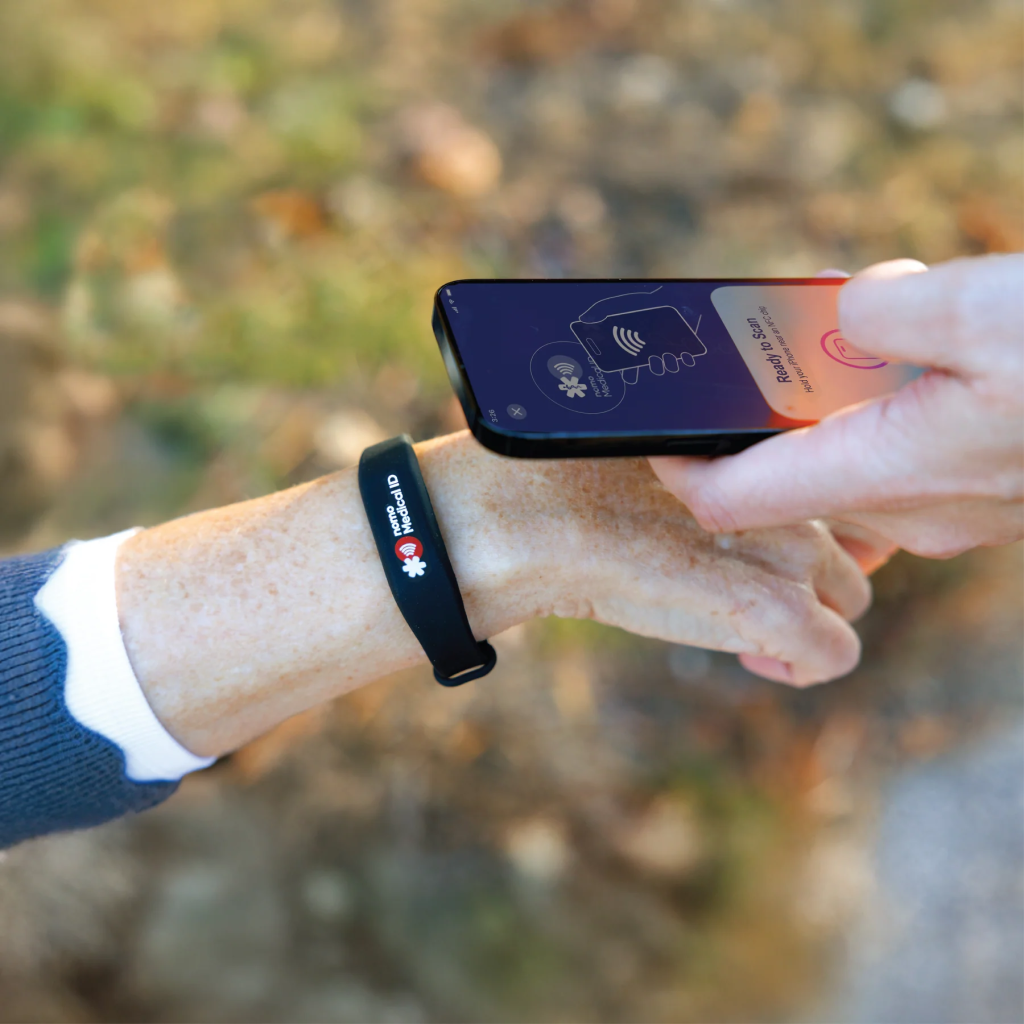
When we think of medical IDs, we often picture cold, clinical metal bands that constantly remind a loved one of their illness. But modern solutions feel less like a medical label and more like a smart, supportive companion.
Take the Nomo Smart Care Medical ID Bracelet as a perfect example.
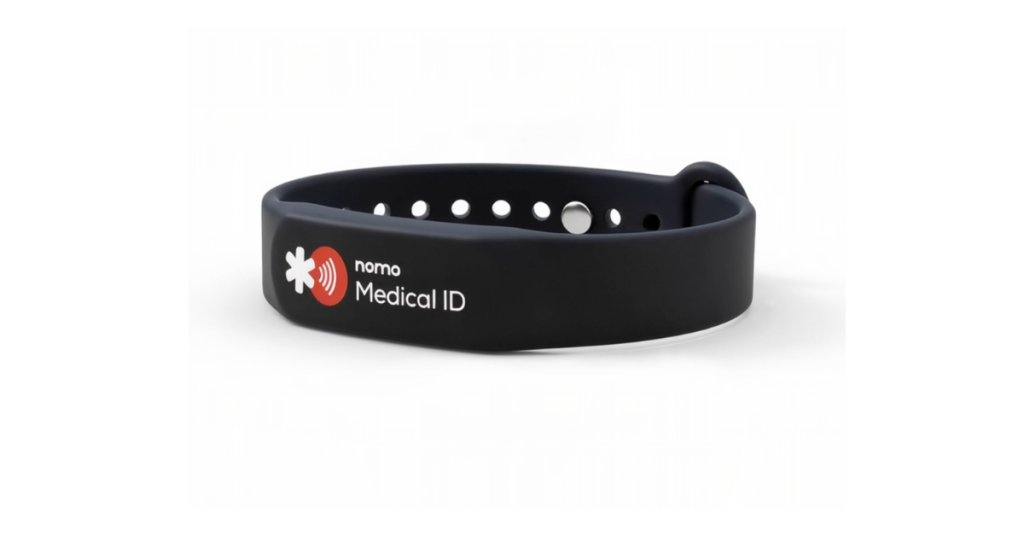
Instead of trying to squeeze complex health details onto a tiny, scratched piece of metal, this bracelet uses a sleek, discreet tag. If an emergency ever happens, a first responder simply scans it to instantly see a complete, accurate picture of your loved one’s health.
Here is how this modern approach changes the game for families:
- It Grows With Them: If their medications or dosages change next Tuesday, you don’t have to buy a brand-new bracelet. You simply update their digital profile online in seconds.
- No Cryptic Medical Jargon: Instead of forcing paramedics to decipher abbreviated medical codes engraved on a wristband, it lays out full medical histories, emergency contacts, and specific care instructions clearly.
- A Safety Net for Caregivers: One of the most comforting features is its ability to send an instant alert to caregivers the moment the bracelet is scanned. You aren’t left in the dark; you know exactly when and where they might need you.
It’s a subtle, elegant way to protect a senior’s independence while giving you the ultimate peace of mind.
Benefits of Wearing a Medical Alert Bracelet
There are several important benefits, especially for seniors and caregivers:
Sometimes, the simplest tools are the most effective.
Frequently Asked Questions
Do medical alert bracelets really help in emergencies?
Yes. First responders are trained to look for medical ID jewelry. It can significantly influence how quickly and safely care is provided.
Can I update my medical alert information?
Traditional bracelets cannot be updated easily. However, smart medical alert bracelets allow information to be changed anytime online.
Are medical alert bracelets only for seniors?
No. They are used by people of all ages, especially those with allergies, chronic conditions, or specific medical risks.
What should I put on a medical alert bracelet?
Most people include:
- Medical conditions
- Allergies
- Key medications
- Emergency contact number
Do doctors recommend medical alert bracelets?
Yes. Many healthcare professionals recommend them for patients with serious or emergency-related conditions.
Final Thoughts
So, what is a medical alert bracelet really about?
It’s not just jewelry—it’s a communication tool that speaks when you can’t. Whether someone is managing a chronic condition or simply wants extra protection while living independently, a medical alert bracelet adds a layer of safety that can make a real difference.
Today’s options go beyond simple engraving. Smart medical alert bracelets now allow real-time updates, digital medical profiles, and caregiver notifications—making them a powerful upgrade for modern care needs.
For families looking for a more connected approach, solutions like the Nomo Smart Care Medical ID Bracelet offer a way to stay informed without being intrusive, helping balance independence with peace of mind.