

Standing in a medical supply aisle or browsing online, you might find yourself staring at an overwhelming array of mobility aids. When you notice your mother starting to trail her hand along the living room wall, or your father leaning heavily on the grocery cart, you know it is time for extra support.
Deciding between a walker vs. cane is one of the first major forks in the road for family caregivers. Choosing the wrong device can backfire. If an older adult uses a cane when they truly need the broad stability of a walker, the risk of a fall increases significantly. Conversely, forcing an independent parent into a bulky walker before they need one can drain their confidence and limit their movement.
This guide helps you look past the medical jargon and evaluate your parent’s actual physical needs. You will learn the specific differences in support, how to spot the signs that a transition is necessary, and how to choose the right device to keep your loved one safe and mobile.
Understanding the Core Differences: Walker Vs Cane
The fundamental difference between a cane and a walker comes down to physics and balance. A cane offers one-sided support, while a walker surrounds the user with a wide base of support on both sides
Think of it this way: when your parent walks, they shift their body weight from one foot to the other. If one leg is weak, or if a hip aches, a cane acts as an extra arm to share the load. A walker, on the other hand, creates a protective perimeter around the user. It allows them to transfer a substantial portion of their body weight directly into their upper body and arms, taking the stress entirely off shaky legs.
The Cane
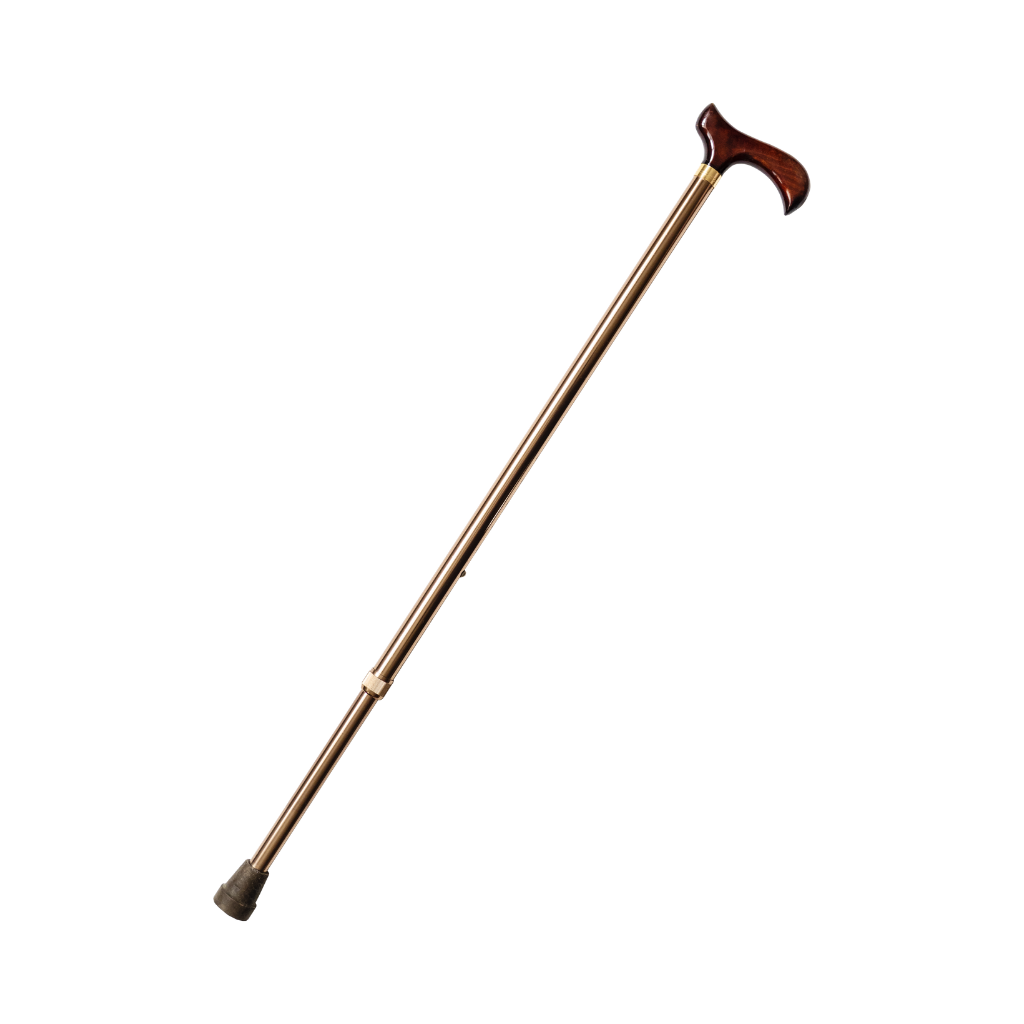
- Weight support: Typically supports up to 25% of a person’s body weight.
- Best for: Mild balance issues, minor weakness on one side, or joint pain in a single hip or knee.
- Portability: Extremely lightweight, easy to tuck into a car trunk, and convenient for navigating tight spaces.
The Walker
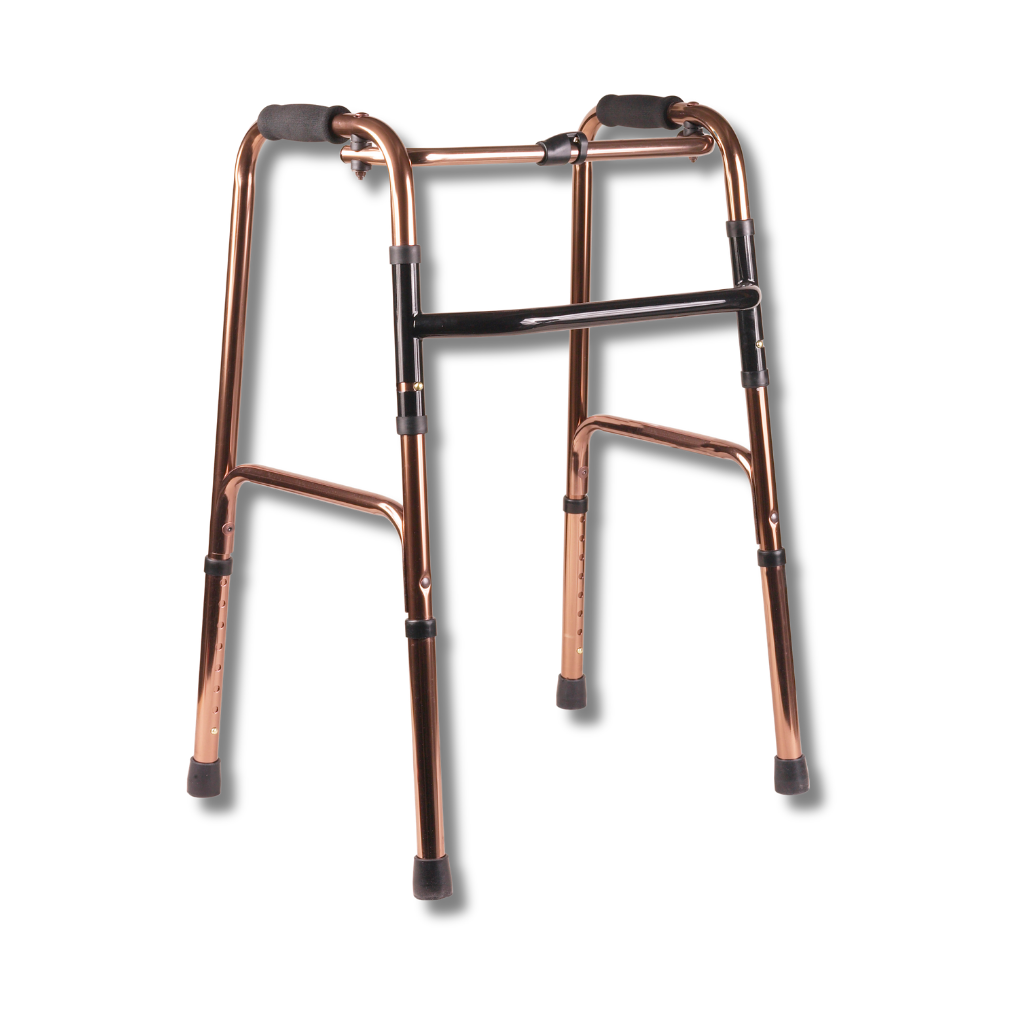
- Best for: Generalized weakness, poor balance on both sides, or recent recovery from surgery.
- Weight support: Can support up to 50% of a person’s body weight, depending on the model.
- Portability: Bulkier, though most fold up for transport. Requires two hands to operate.
When to Choose a Cane
Canes are often the first mobility tool people consider because they look less intrusive. However, they require a surprising amount of coordination and core strength to use safely.
Quick Checklist: Is a Cane Enough?
A cane is likely the right choice if your parent:
- Experiences pain in only one hip, knee, or ankle.
- Has a minor, predictable limp but stable core balance.
- Can easily walk straight lines without drifting to the side.
- Has strong enough hands and wrists to press down firmly on a handle.
Types of Canes Available
Not all canes are created equal. Walking into a store can reveal several distinct styles:
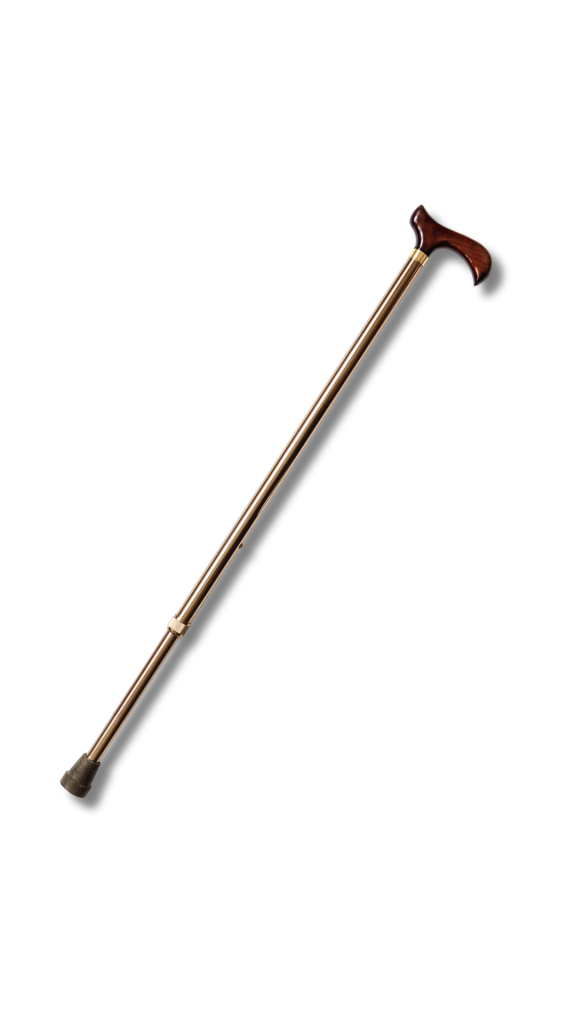
- Standard Single-Tip Cane: Lightweight and sleek. Best for minor balance tweaks or simple joint relief.
- Quad Cane (Four-Prong Base): Features a small rectangular base with four feet. It offers significantly more stability than a standard cane and can even stand up on its own when let go. However, it is heavier and requires a slower, more deliberate walking rhythm to ensure all four tips hit the floor flat at the same time.
When to Choose a Walker
If your parent’s unsteadiness is not limited to one side, or if they have experienced a sudden decline in stamina, a walker is usually the safer choice. Walkers remove the guesswork of balancing on two feet by providing a sturdy frame to lean on.
Quick Checklist: When to Step Up to a Walker
Consider a walker if your parent exhibits these signs:
- They grab walls, doorframes, or furniture when walking through the house.
- They have suffered a recent fall or a close call.
- They feel shaky and unsteady on both sides of their body.
- They need to put significant body weight through their arms to stand or walk.
Types of Walkers Available
Walkers come in a few primary configurations, each serving a different functional purpose:
Standard (Pick-Up) Walker
- This model has four rubber-tipped legs and no wheels. The user must lift the frame slightly and place it forward with each step. It provides the absolute highest level of stability, making it ideal for immediate post-surgery recovery. However, it requires good upper-body strength and can be tiring over long distances.
Two-Wheel Walker
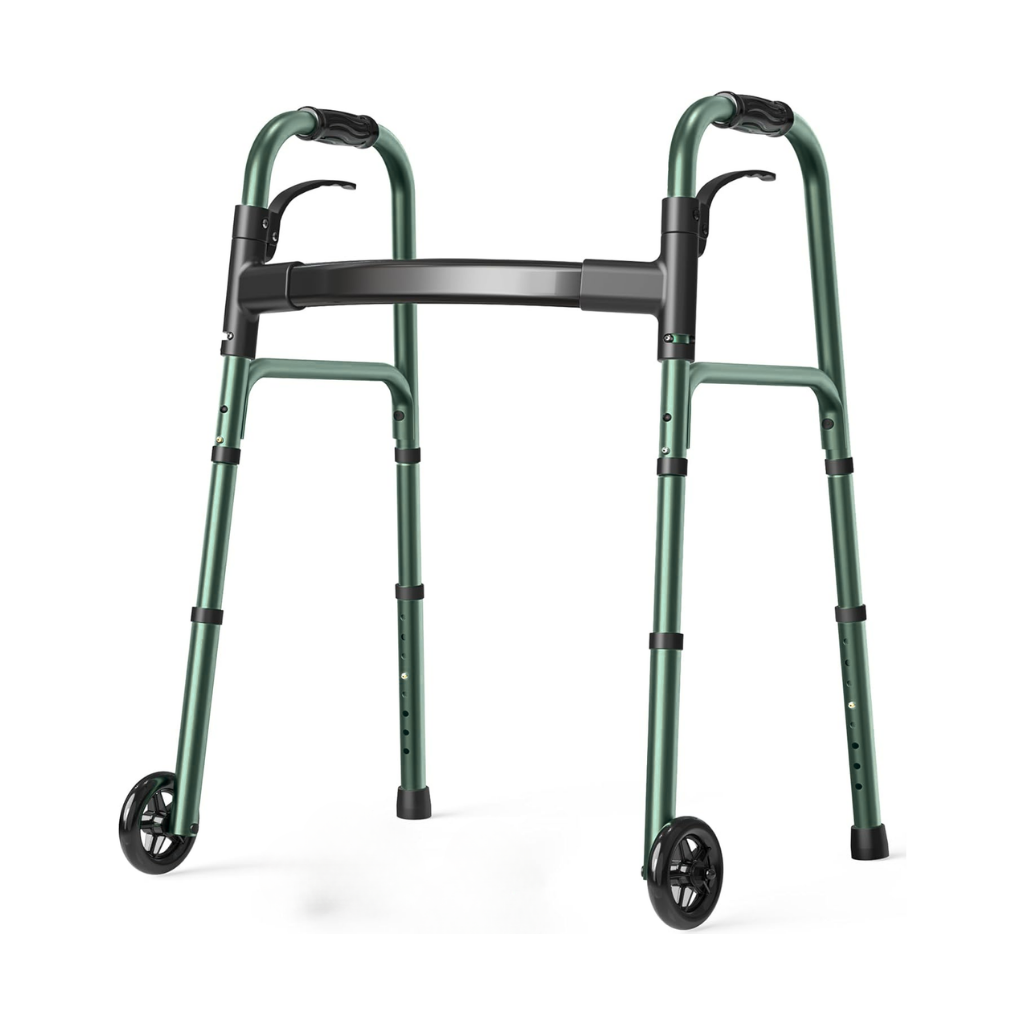
- Features front wheels and rear glide caps. It allows a smoother, rolling stride, meaning the user doesn’t have to lift the entire device. This is a great middle ground for seniors who find standard walkers too exhausting.
Four-Wheel Rollator:
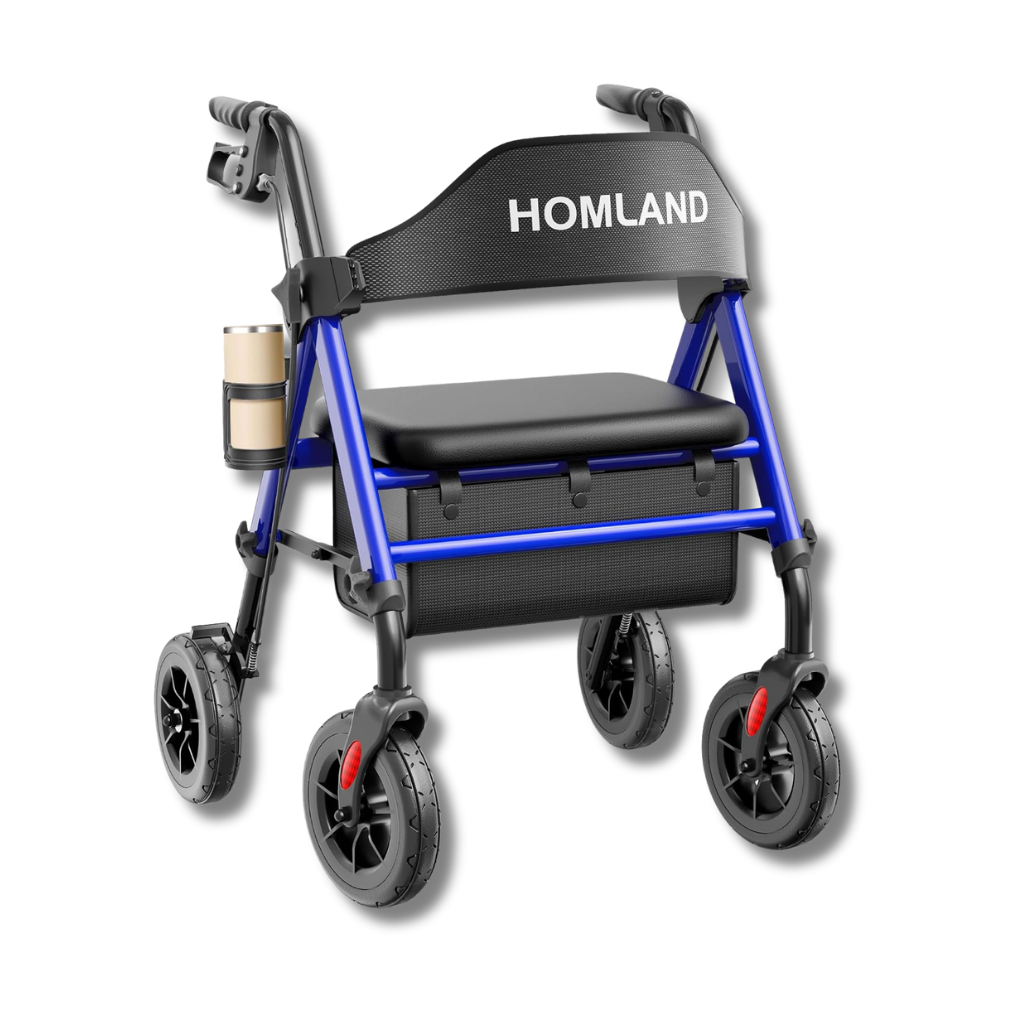
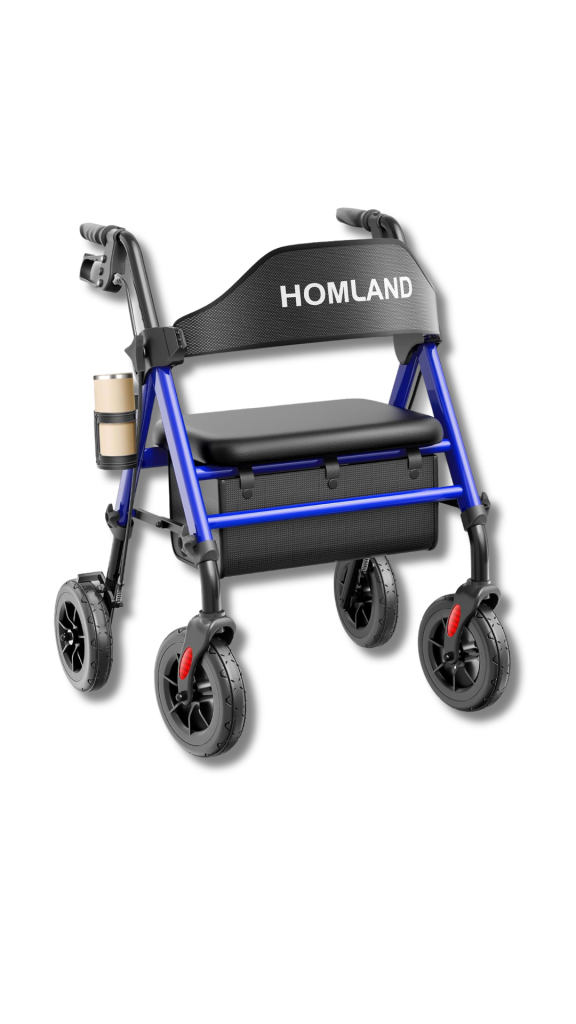
- Equipped with four wheels, hand brakes, and a built-in seat. Rollators are phenomenal for outdoor use and for seniors who have good balance but low endurance (such as those with mild heart or lung conditions). When they get tired, they can simply lock the brakes and sit down.
Note: Rollators are less stable than standard walkers because the wheels can roll out from under the user if they lean too heavily on them.
The Hidden Danger: Improper Sizing and Usage
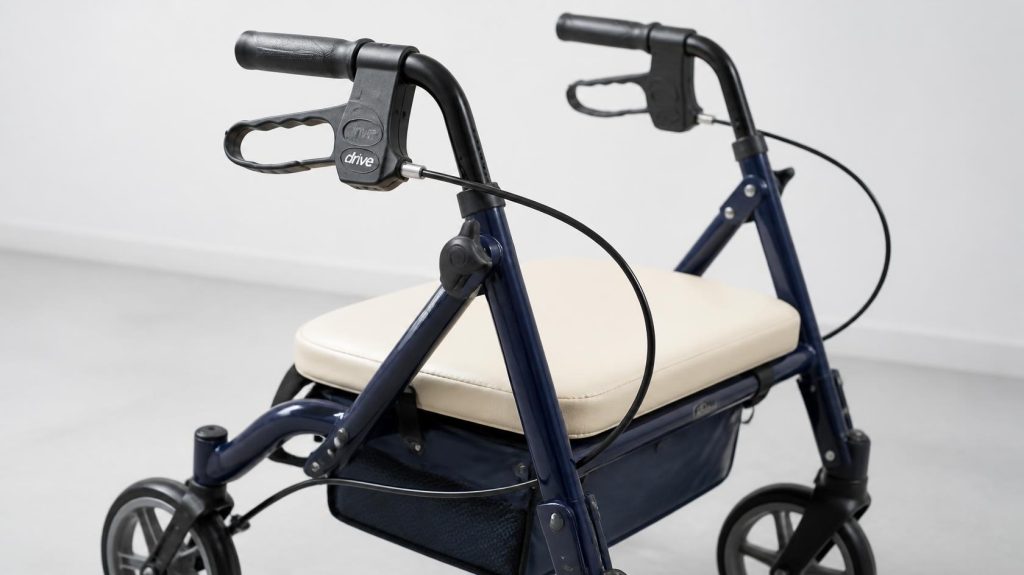
Buying a mobility device is only half the battle. Studies show that a large percentage of mobility aids are used incorrectly or are set to the wrong height.
If a cane or walker is adjusted incorrectly, it can cause severe postural strain, shoulder pain, or even create a new trip hazard.
How to Fit a Device Properly:
- The Wrist Test: Have your parent stand up straight with their arms hanging naturally at their sides. The top handle of the cane or walker should line up precisely with the crease of their wrist.
- The Elbow Bend: When holding the handle, their elbow should bend at a comfortable, natural angle of about 15 to 20 degrees.
- Never Use Walkers on Stairs: This is a critical safety rule. Walkers should never, under any circumstances, be used on stairs or escalators. If your parent lives in a multi-level home, they will need a secure handrail for stairs, or you may need to arrange living spaces on a single floor.
My Top Picks: Walker Vs. Cane
To help you narrow down your choices, we evaluated the top mobility aids on the market for stability, ease of use, and everyday comfort. Whether your loved one needs full frame support for long walks or lightweight, portable balance assistance, these are our top picks for walkers and canes.
1. HOMLAND Foldable Rollator Walker with Seat
Best Overall Outdoor & Endurance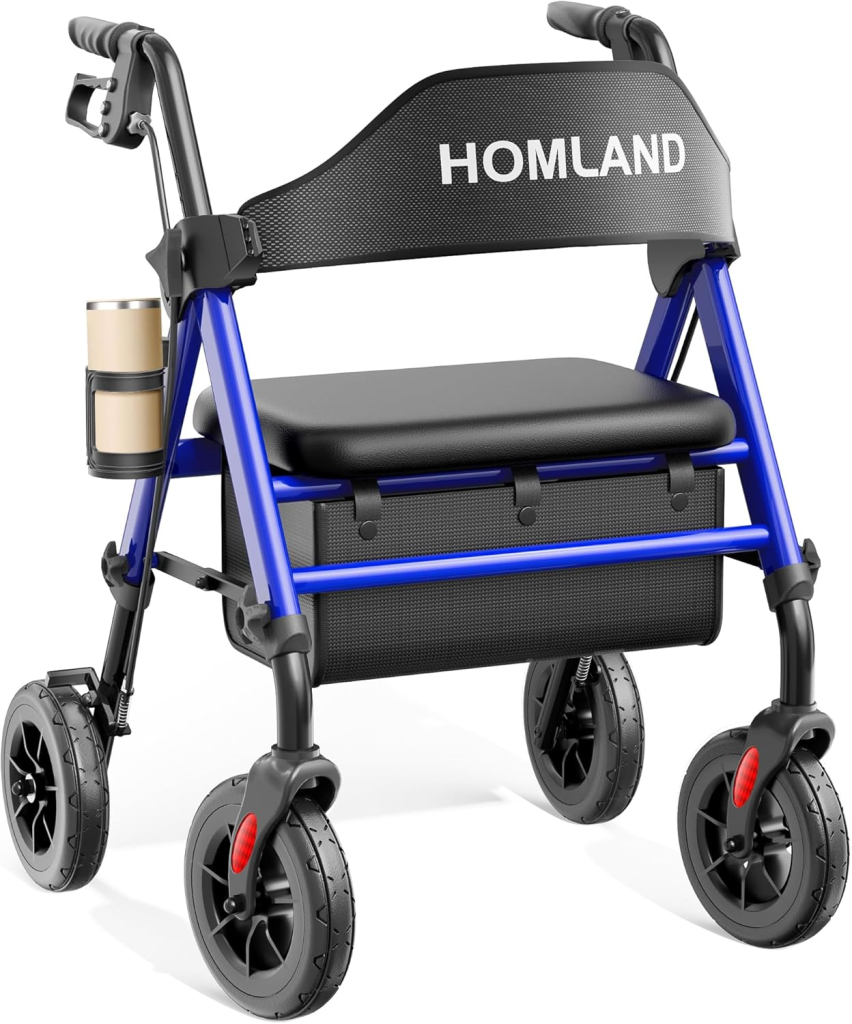
Best For: Active seniors who need reliable balance support, outdoor mobility on uneven terrain, and a comfortable rest seat when stamina declines.
Not Ideal For: Individuals needing maximum rigid weight-bearing support immediately following severe lower-limb surgery who require a non-wheeled standard walker.
Value: Exceptional Feature-Packed Rollator
Product Overview
The HOMLAND Foldable Rollator combines top-tier outdoor stability with user-friendly convenience. Featuring large 8-inch all-terrain rubber wheels, a reinforced aluminum frame, and an enlarged 16-inch cushioned seat, it provides a smooth stride across pavements and park paths while giving seniors the freedom to rest whenever needed.
Key Features & Ease of Use
- Lightweight 17 lb reinforced aluminum folding frame
- 8-inch all-terrain rubber wheels for smooth indoor and outdoor navigation
- Enlarged 16-inch padded seat with ergonomic backrest and integrated cup holder
- Height-adjustable handles with easy-lock hand brake system
- Ease of Use: Excellent. Quick, hassle-free tool-free assembly and lightweight folding design for transport.
Things We Loved
- Large rubber wheels handle cracks and uneven sidewalks effortlessly
- Built-in seat provides instant resting relief during longer outings
- Folds down compactly for trunk storage or closet keeping
Things to Know Before Buying
- Requires active hand strength to engage hand brakes safely on inclines
2. NOARSEN Sturdy Adjustable Walking Cane
Best Freestanding Daily Walking Cane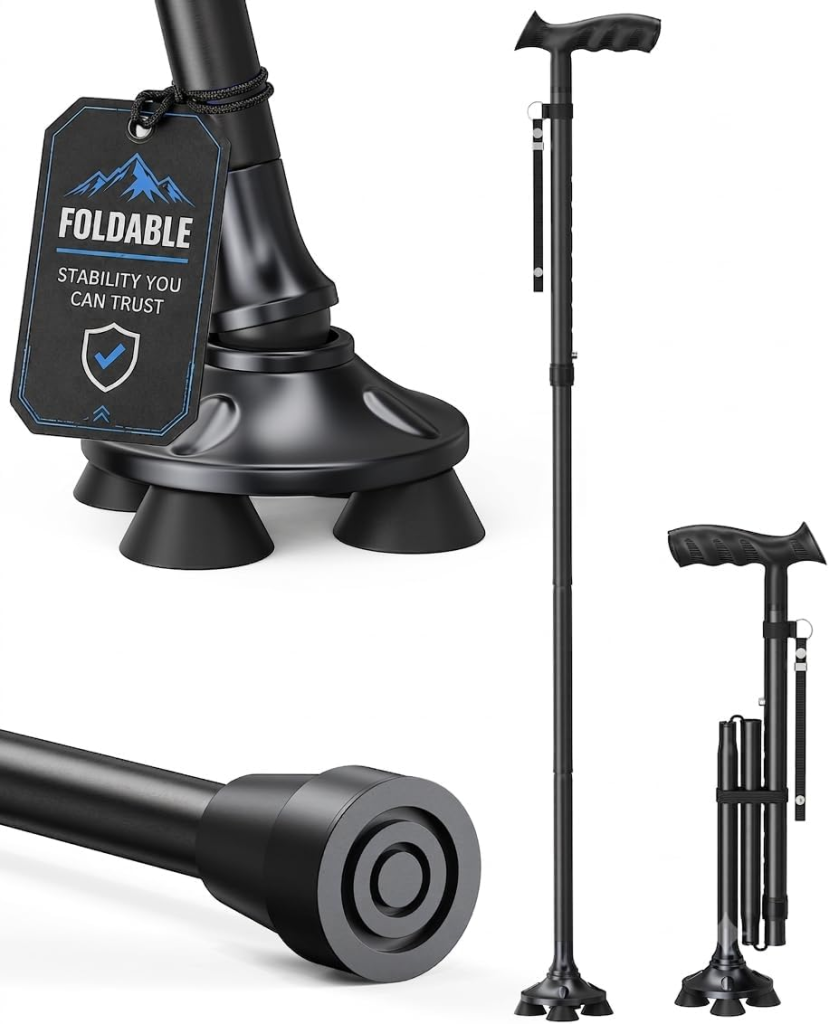
Best For: Seniors with localized joint stiffness, single-side leg weakness, or minor balance issues needing portable, free-standing stability.
Not Ideal For: Individuals with general bilateral balance deficits or severe weakness on both sides who require two-handed walker frame protection.
Value: Great Versatile Everyday Value
Product Overview
The NOARSEN Walking Cane offers lightweight, sturdy support designed for everyday mobility and travel. Constructed from heavy-duty aluminum, it features all-terrain traction tips, an ergonomic comfort grip, and a free-standing design that stops the cane from falling to the floor when you let go.
Key Features & Ease of Use
- Heavy-duty lightweight aluminum construction
- Free-standing self-balancing rubber tip configuration
- Height-adjustable height settings for a customized fit
- Compact foldable design for easy travel and vehicle storage
- Ease of Use: Superior. Ergonomic grip reduces wrist tension during prolonged walking.
Things We Loved
- Stands upright on its own so users don’t have to bend down to pick it up
- Folds down conveniently for restaurants, car travel, or storage
- All-terrain tip provides reliable grip on various indoor and outdoor surfaces
Things to Know Before Buying
- Designed to support up to 25% of body weight, not full weight bearing
Common Caregiver Dilemmas

“My parent refuses to use anything. What do I do?”
Resistance is completely normal. Admitting the need for a mobility aid feels like an emotional concession of aging. Instead of framing the device as a restriction, focus on what it enables. Say, “Let’s look at this rolling walker so we can go out to your favorite garden center without you getting worn out,” rather than, “You need this because you keep falling.” Involving a physical therapist for an objective evaluation can also take the emotional pressure off you as the caregiver.
“Should we skip the cane and go straight to a walker?”
If your parent has noticeable unsteadiness on both sides or has a history of multiple falls, skipping the cane is usually the safest choice. Canes catch minor imbalances, but they cannot stop a major tip-over. When in doubt, consult a physical therapist for a professional gait assessment.
Final Thoughts on Walker vs Cane
Choosing between a walker and a cane ultimately comes down to matching the device to your parent’s unique stability, strength, and lifestyle needs. Whether it is the targeted, lightweight support of a cane or the comprehensive perimeter protection of a walker, the right tool will restore your parent’s confidence and protect them from preventable injuries.
Take things one step at a time, involve a professional if you feel unsure, and remember that introducing support is a powerful step toward keeping your loved one safe and independent.
Frequently Asked Questions
Can my parent use a cane on stairs?
Yes, a cane can be used on stairs if your parent has sufficient balance and upper-body strength, provided there is a sturdy handrail. The golden rule for going up stairs is to step up with the unaffected (stronger) leg first, followed by the weaker leg and the cane. When going down, the cane goes down first, followed by the weaker leg. If they lack confidence, it is always safest to have a caregiver assist them.
What is the difference between a walker and a rollator?
A standard walker features a rigid frame with no wheels that must be lifted with each step, offering maximum stability. A rollator is a four-wheeled device equipped with hand brakes and a built-in seat. Rollators are ideal for individuals with good balance who need help with endurance, while traditional walkers are meant for those who require substantial weight-bearing support.
How do I know if my parent’s cane is the right height?
To check a cane’s height, have your parent stand upright with their shoes on and arms relaxed at their sides. The top of the cane handle should align directly with the crease of their wrist. When they grip the handle, their elbow should flex at a slight, comfortable angle of roughly 15 to 20 degrees.
Can a quad cane replace a standard walker?
No, a quad cane cannot fully replace a standard walker. While a quad cane offers a broader base than a single-tip cane, it still relies on one-handed operation and provides one-sided support. A walker surrounds the user with two-sided support and requires both hands, making it vastly superior for individuals with significant bilateral balance deficits.
Why does my parent’s back hurt when using their walker?
Back pain while using a walker is almost always a sign of incorrect sizing. If the walker handles are set too low, the user is forced to hunch forward, straining their lumbar spine and neck. Adjusting the height upward so the handles meet the wrist crease allows your parent to stand tall with an upright posture, instantly relieving that strain.
Is it safe to use a rollator outdoors?
Yes, four-wheel rollators are actually designed with outdoor use in mind. Their larger wheels handle pavement, sidewalks, and park paths much better than standard indoor walkers. However, caregivers should always remind seniors to check their path for cracks, gravel, or steep slopes where wheels could slip or catch unexpectedly.
When should we transition from a cane to a walker?
You should consider transitioning your parent from a cane to a walker if you notice a worsening of their balance, an increase in close calls or falls, or if they begin leaning heavily on furniture and walls to move around the house. A progressive decline in physical endurance or an upcoming lower-limb surgery are also clear indicators that it is time to upgrade stability levels.