
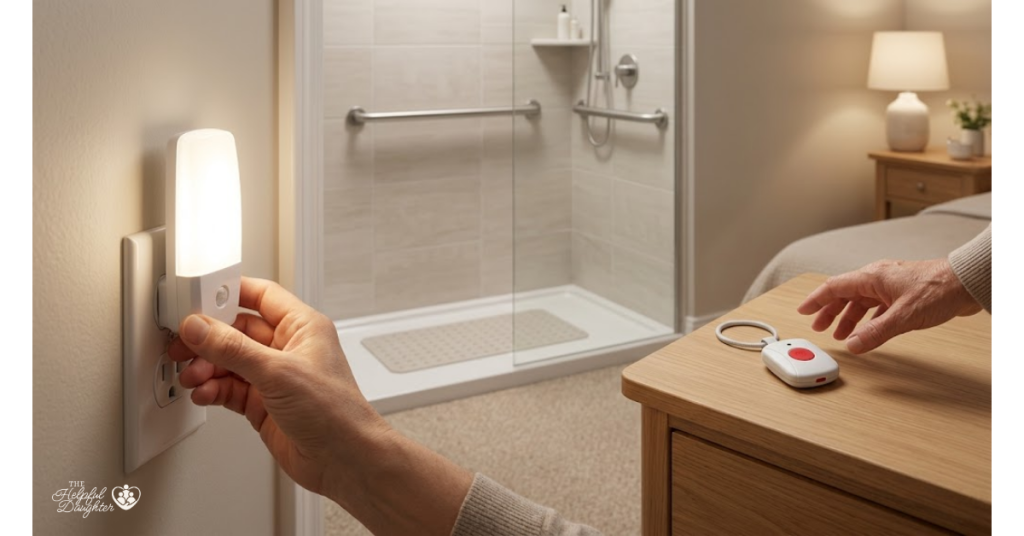
Most people don’t think much about home safety until something happens. A small slip in the bathroom. A stumble on the stairs. A moment of dizziness in the kitchen.
The reality is that homes don’t become more dangerous—but our bodies change. Balance, vision, reaction time, and strength all shift slowly over the years. That means a house that once felt effortless to move around in can start to feel less forgiving.
The good news is that improving safety doesn’t require major renovations or expensive changes. In most cases, a few small adjustments can dramatically reduce risk and help you stay independent longer.
Let’s go through the 10 most practical senior home safety tips that actually make a difference in everyday life.
1. Improve Lighting in Every Room
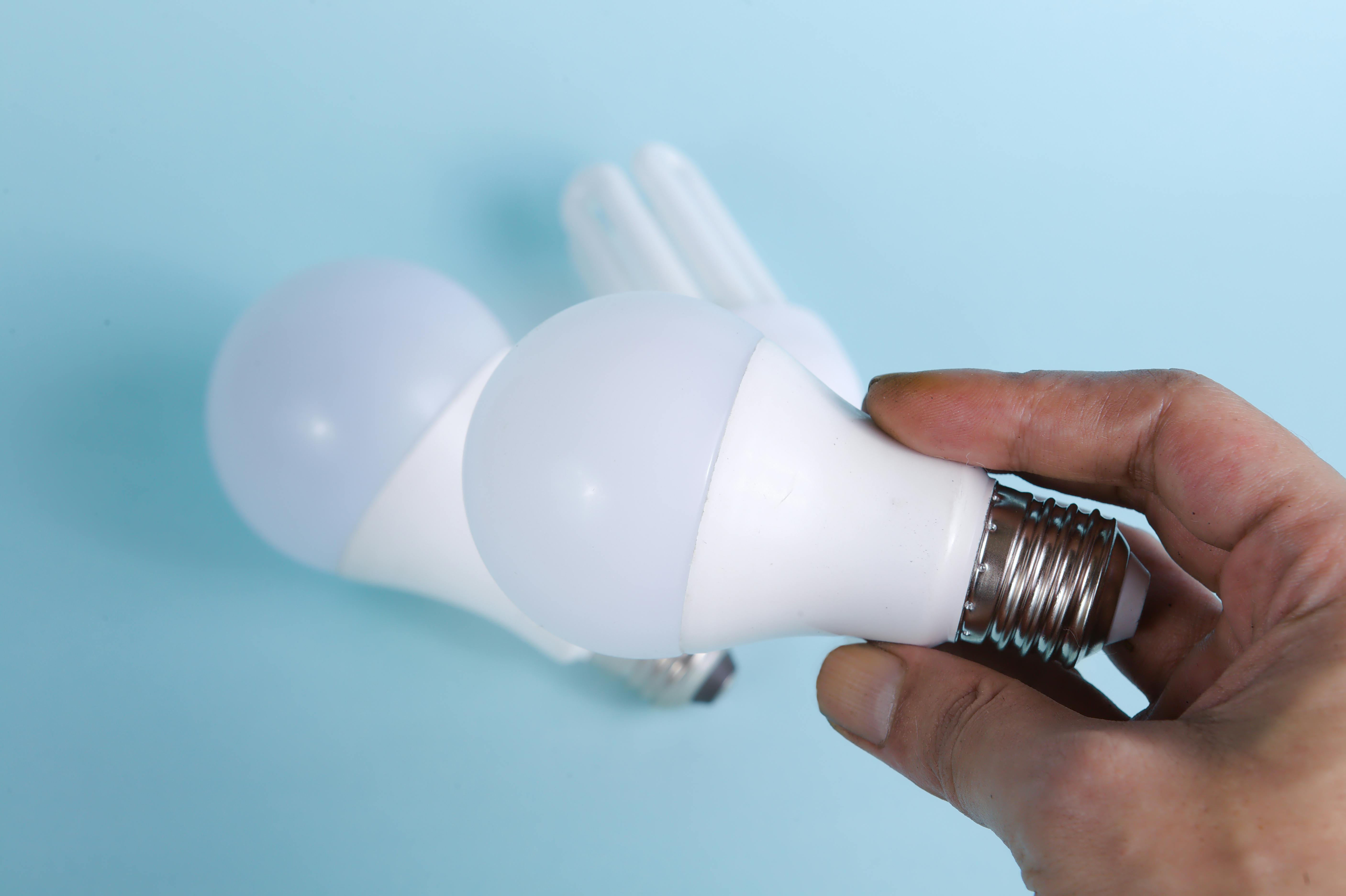
Poor lighting is one of the most underestimated hazards in any home. As we age, our eyes need significantly more light to see clearly, and dim rooms make it incredibly easy to miss a step or overlook an obstacle.
Bright Ideas for Better Visibility
- Swap the Bulbs: Trade out old, dim incandescent bulbs for bright, energy-efficient LEDs.
- Light Up the Transitions: Pay extra attention to hallways, staircases, and doorways where falls frequently happen.
- Keep Switches Accessible: Ensure light switches are right at the entrance of every room so no one is walking in the dark to turn them on.
Pro Tip: Plug-in motion-sensor night lights are a game-changer for midnight bathroom trips. They illuminate the path automatically, saving you from fumbling around in the dark.
Affiliate suggestion:
Many seniors find plug-in motion night lights extremely helpful because they turn on automatically when you walk by.
Look for:
- Motion sensor night lights for hallways
- Plug-in LED night lights for bathrooms
- Rechargeable cordless lamps for bedside use
These small tools reduce the need to fumble for switches at night, especially during bathroom trips.
2. Remove or Secure Loose Rugs
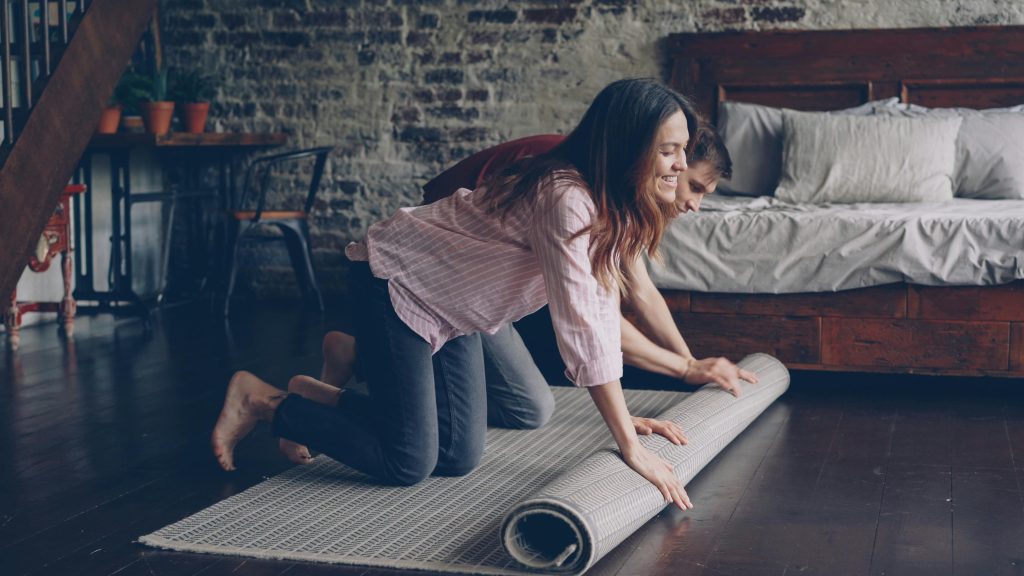
Rugs are cozy—but they are also one of the most common tripping hazards in the home.
Area rugs and throw mats definitely add comfort to a room, but they are also a leading cause of trips and slips. A curled edge or a rug that slides underfoot can compromise balance in a split second.
How to Handle Your Rugs
- The Clear-Out Method: The safest choice is to completely remove rugs from high-traffic walkways, like hallways and the kitchen.
- The Lockdown Method: If you can’t bear to part with a favorite rug, make sure it is completely anchored. Use heavy-duty, double-sided rug tape or high-quality non-slip rubber backings to lock the corners flat to the floor.
Remember: if a rug moves even a little bit when you step on it, it’s a hazard that needs fixing.If you’ve ever caught your foot on a rug edge, you already understand the risk.
Affiliate suggestion:
- Non-slip rug pads for hardwood floors
- Double-sided rug tape for corners
- Gripper mats for entryways
A secure rug is fine. A sliding rug is a fall waiting to happen.
3. Keep Walkways Clear at All Times
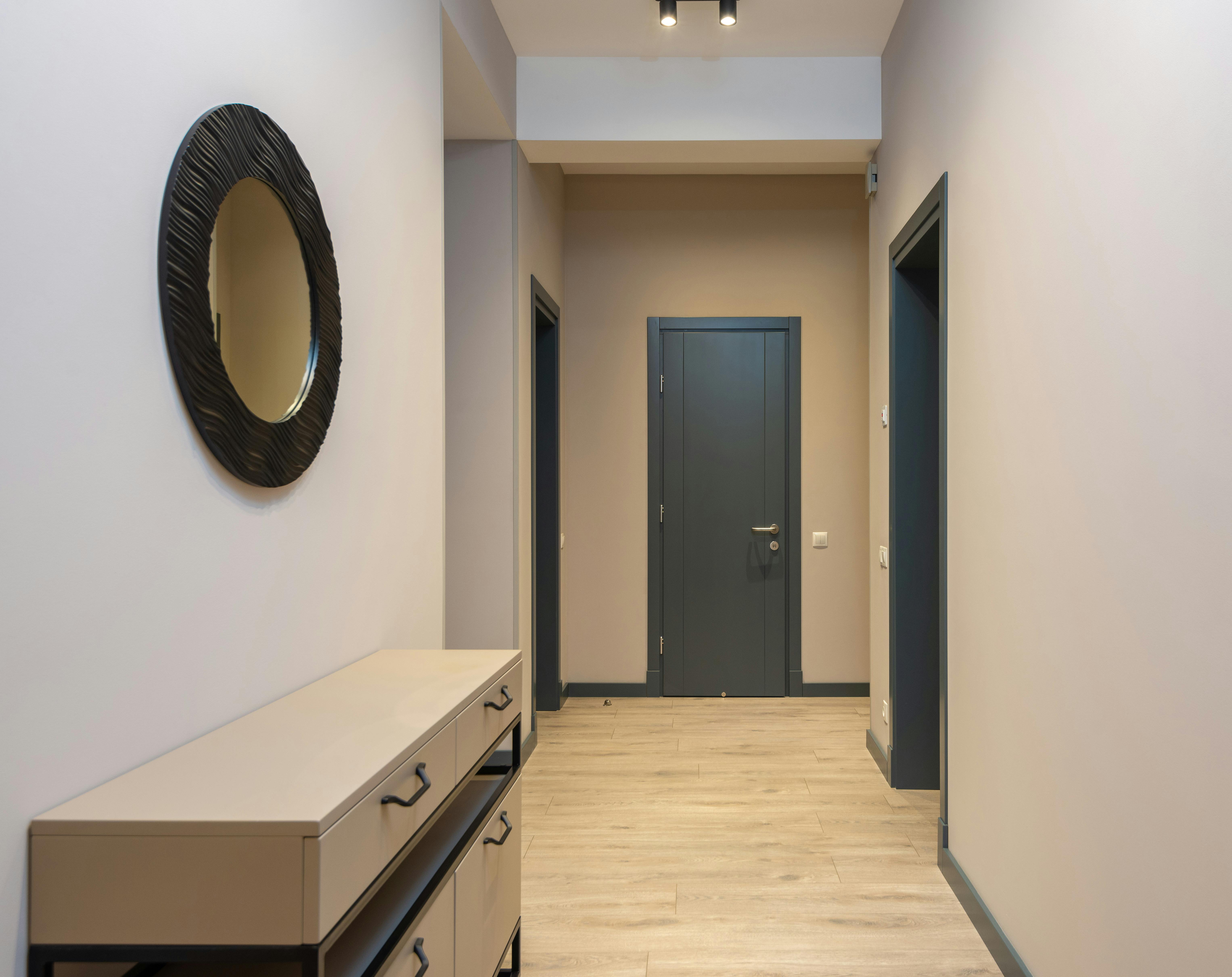
Clutter has a sneaky way of building up over time. A pair of shoes left by the door, a stack of mail on a low table, or a phone charger cable stretched across the floor might not seem dangerous, but over time, our brains stop noticing them—until we trip.
Simple Steps for Clear Paths
- Establish a Zero-Clutter Zone: Keep major pathways through bedrooms, kitchens, and living spaces entirely free of objects.
- Tame the Wires: Use cord organizers or cable clips to pin television and lamp cords safely against the baseboards.
- Smart Storage: Place low-profile shoe racks or baskets right by the entrance so items get put away immediately rather than landing on the floor.
Keeping floors clear is completely free, takes just a few minutes, and is one of the most effective ways to prevent an accidental fall.
Affiliate suggestion:
- Cord organizers and cable clips
- Storage baskets for entryways
- Slim shoe racks for tight spaces
This is one of the easiest safety improvements you can make, and it costs very little.
4. Install Grab Bars in High-Risk Areas
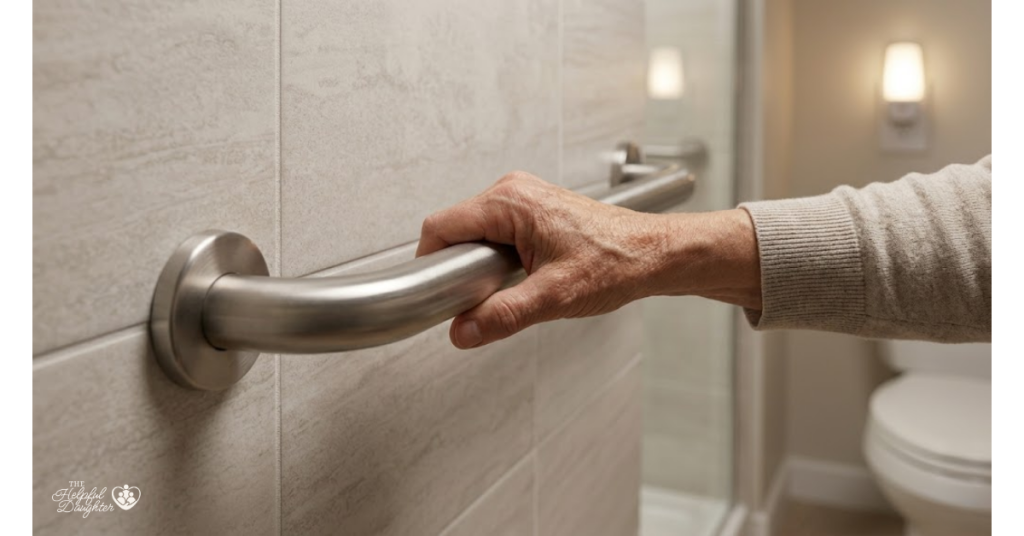
If there is one upgrade that makes a real difference in senior home independence, it’s installing grab bars.
The bathroom is statistically the highest-risk area in most homes. Wet, slippery floors combined with hard tile or porcelain surfaces create a dangerous environment where balance can easily be compromised.
Key Installation Locations
To maximize safety, grab bars should be securely anchored in these three critical zones:
- The Toilet: Assists with sitting down and standing up safely.
- Inside the Shower: Provides continuous stability while washing.
- Outside the Tub: Offers a secure anchor point when stepping over the high ledge.
Recommended Safety Gear
Premium Pick:Stainless Steel Bathroom Grab Bars(Heavy-duty, permanent wall-anchored support)
Travel/Temporary Pick:Suction Grab Bars(Great for travel, but not a substitute for permanent fixtures)
All-In-One Solution:Shower Safety Rail Kits(Comprehensive stability upgrades)
5. Upgrade Your Bathroom Safety Setup
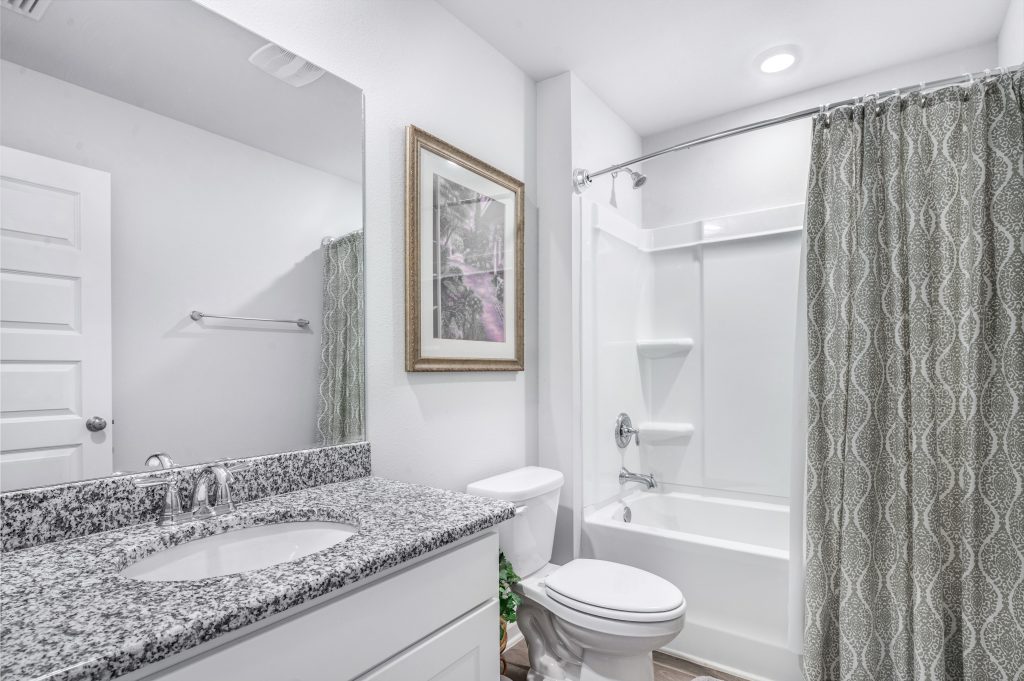
If you want to completely transform your bathroom into a stress-free zone, upgrading your daily shower gear is the way to go.
Standing on slippery surfaces while fatigue sets in is a major hazard. Introducing a few supportive tools can significantly reduce physical strain, conserve energy, and stop a slip before it ever happens.
Key Upgrade Benefits
To maximize safety and comfort, consider adding these three essential elements to your bathing routine:
- Shower Chairs: Provides a stable, secure place to sit down while washing, eliminating the risk of losing your balance from fatigue.
- Non-Slip Rubber Mats: Adds reliable traction directly to the wet tub or shower floor to keep feet firmly planted.
- Handheld Shower Heads: Allows you to direct the water exactly where you need it while seated, preventing unnecessary twisting or reaching.
Recommended Safety Gear
Convenience Pick: Handheld Shower Heads with Long Hoses (Flexible design for effortless rinsing while seated)
Premium Pick: Adjustable Shower Chairs with Back Support (Heavy-duty, comfortable, and stable seating for the shower)
Everyday Essential: Non-Slip Rubber Bath Mats (Suction-backed protection for immediate traction)
6. Make Stairs Safer and Easier to Use
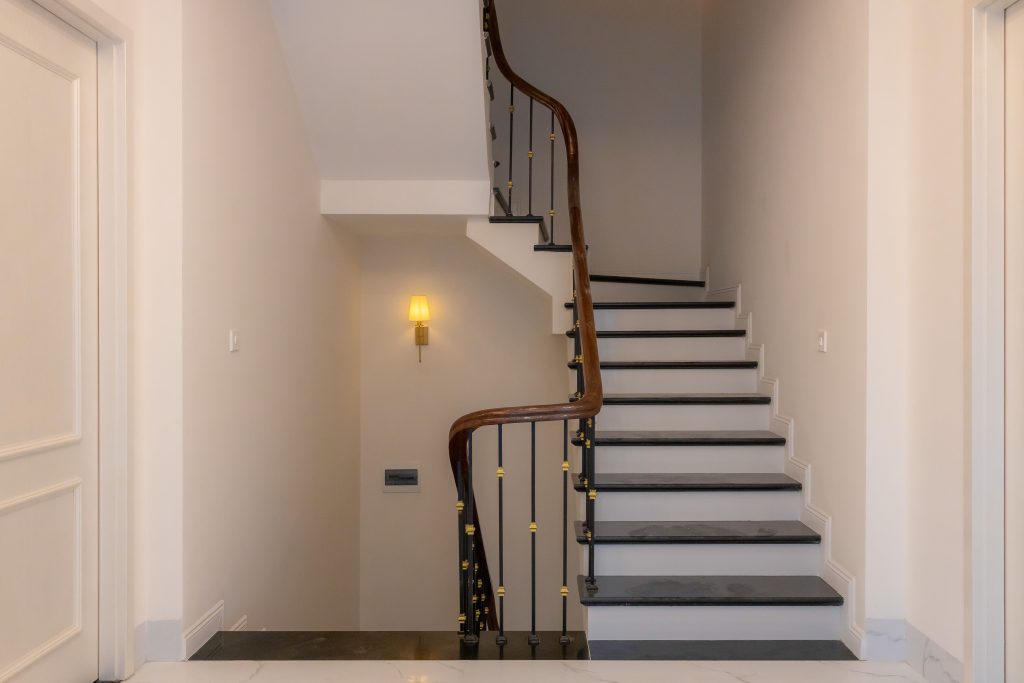
If there is one area of the home that demands the ultimate combination of balance, strength, and vision, it’s the staircase.
Stairs are statistically one of the most challenging structural features for seniors. A single misstep due to poor lighting or a slippery step can lead to a serious accident, making proactive structural tweaks absolutely essential.
Key Structural Improvements
To maximize safety, your staircases should be strictly optimized using these three critical upgrades:
- Double Handrails: Provides continuous, sturdy support for both hands to help distribute weight and maintain balance.
- Stair Treads: Adds immediate grip to slick wooden or carpeted steps to prevent your feet from sliding.
- Dedicated Lighting: Illuminates the exact transition points at both the very top and bottom of the flight.
Recommended Safety Gear
- Premium Pick: Heavy-Duty Handrail Brackets (Rock-solid hardware to ensure your railings never budge)
- Everyday Essential: Non-Slip Stair Tread Strips (Clear or high-visibility textured grip tape for steps)
- Smart Upgrade: LED Stair Lighting Kits (Automatic, bright illumination for night navigation)
7. Keep Emergency Items Within Easy Reach
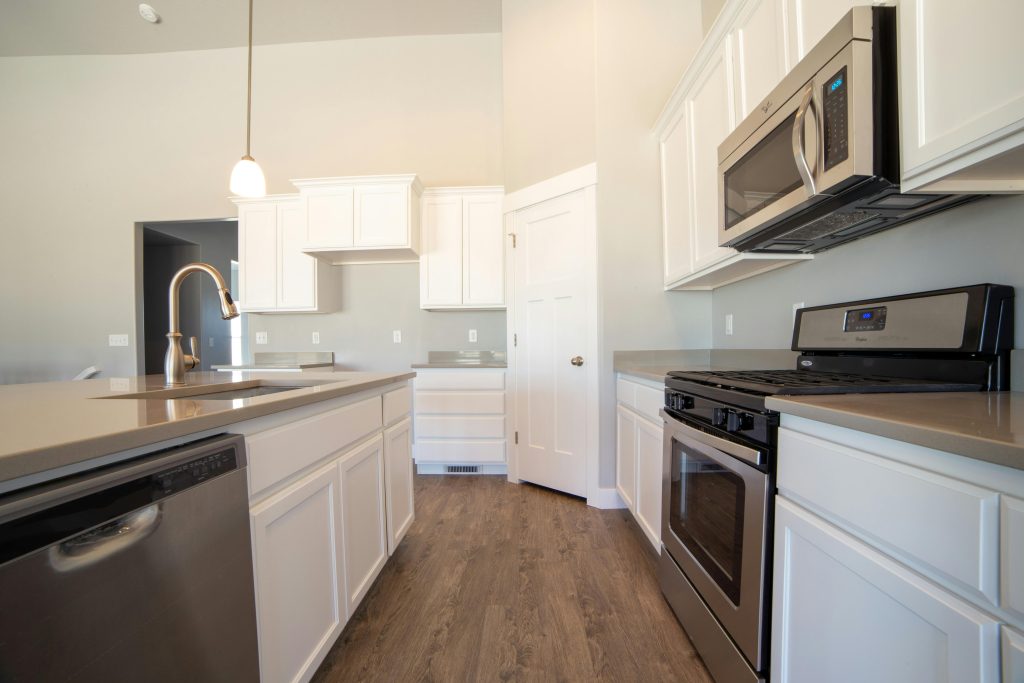
If you want to protect your balance and prevent unnecessary falls, the simplest rule is to stop climbing and overextending for everyday items.
Reaching for high shelves or bending down into deep cabinets actively compromises your center of gravity.
Keeping your daily essentials organized at waist or chest height guarantees you never have to strain when you’re caught off guard.
Key Organization Zones
To maximize safety, ensure your daily essentials are securely grouped in these three critical zones:
- The Bedside: Keeps communication, vision, and navigation tools instantly accessible the moment you wake up.
- The Kitchen Counter: Eliminates the need to use step stools or low cabinets for everyday meal prep.
- The Living Room Side Table: Ensures emergency tools are within arm’s reach while resting or relaxing.
Recommended Safety Gear
- Premium Pick: Large-Button Emergency Flashlights (Easy to grip, highly visible, and always ready during power outages)
- Everyday Essential: Pill Organizers with Compartments (Clear, organized, and simple tracking for daily medications)
- Convenience Pick: Bedside Organizer Caddies (Convenient pouches that hang right off the mattress frame for phones and glasses)
8. Consider a Medical Alert System
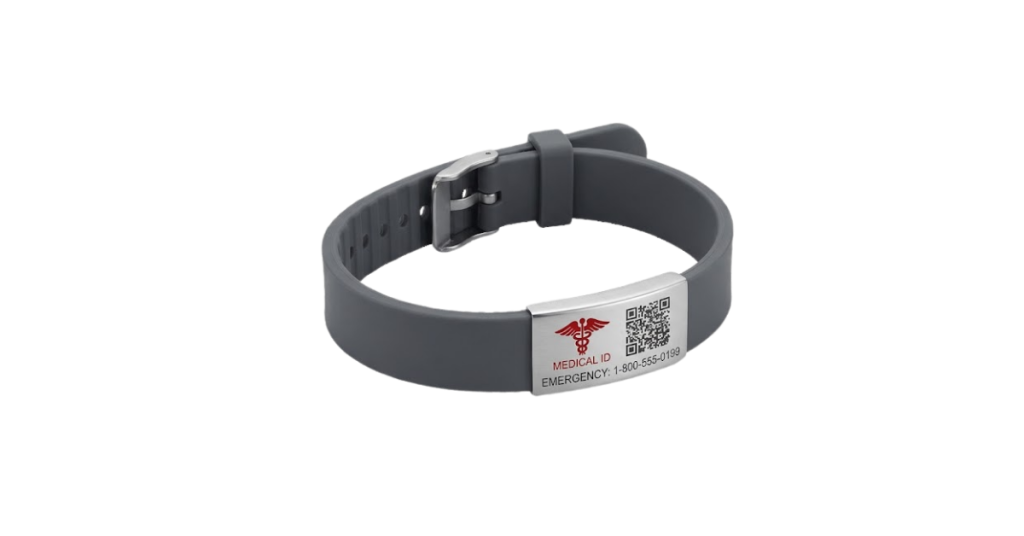
If there is one investment that offers absolute peace of mind for both seniors and their families, it’s a reliable medical alert system.
An unexpected emergency or fall can happen in seconds, and reaching for a telephone across the room isn’t always possible. Having a direct line to professional help attached to your body ensures you are never truly isolated when you need assistance most.
Key System Features
To maximize safety, look for a system that reliably covers these three critical functions:
- One-Touch Help: Connects you instantly to a live emergency dispatcher with a single, simple button press.
- Automatic Fall Detection: Built-in smart sensors call for help even if you are unable to press the button yourself.
- On-The-Go GPS: Tracks your location outside the house so help can find you anywhere you go.
Recommended Safety Gear
- Premium Pick: Wearable Medical Alert Pendants (Lightweight, reliable, and perfectly tailored for continuous daily wear)
- Active Lifestyle Pick: Wristband Alert Systems with GPS (Discreet, watch-style designs for safety outside the home)
- All-In-One Solution: Home Base Emergency Speaker Systems (Powerful, loud central hubs that provide whole-house coverage)
9. Improve Bedroom Safety for Nighttime Movement
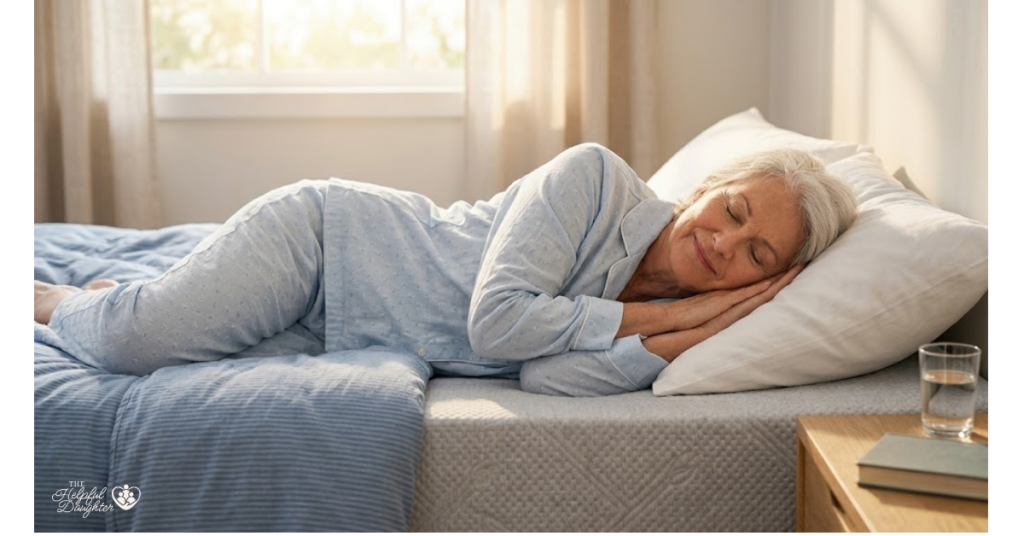
If you want to target the absolute highest-risk timeframe for senior falls, you need to focus on nighttime bedroom safety.
Waking up groggy in the middle of the night to use the restroom combines low visibility, low blood pressure, and impaired coordination. Setting up a seamless, low-effort path from your mattress to the bathroom door is crucial for midnight safety.
Key Bedroom Adjustments
To maximize safety, optimize your sleeping space around these three critical adjustments:
- The Floor Path: Keeps a straight, completely unobstructed line open between the bed and the doorway.
- The Edge of the Bed: Provides a sturdy physical anchor to help you safely transition from lying down to standing up.
- Automatic Lighting: Instantly floods the floorboards with soft light the second your feet hit the ground.
Recommended Safety Gear
- Premium Pick: Motion-Sensor Under-Bed Lighting (Glows automatically when you step out of bed without waking your eyes)
- Everyday Essential: Bed Rails for Support (Sturdy leverage handles that slide securely under the mattress)
- Comfort Pick: Non-Slip Bedroom Rugs (Heavy-backed accent rugs that will not slide under your feet when waking up)
10. Don’t Ignore Small Balance or Vision Changes
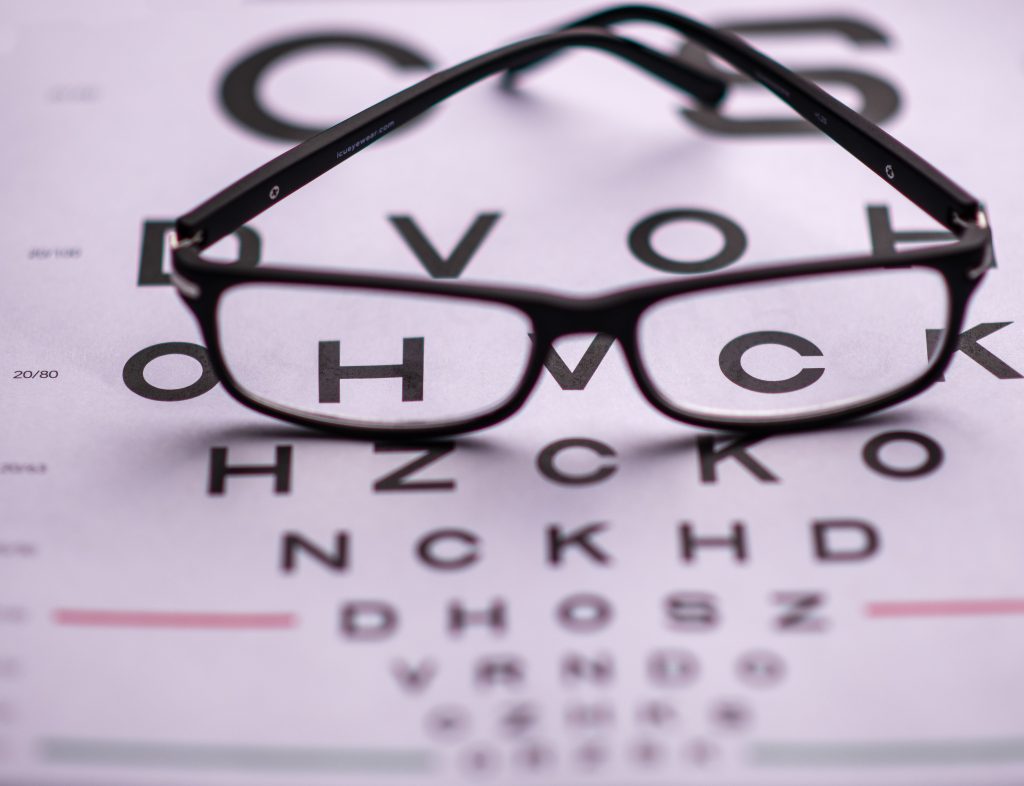
If there is one personal habit that prevents accidents better than any physical product, it’s listening to your own body.
Physical shifts like sudden dizziness, slightly blurry vision, or a temporary loss of balance often happen gradually. Catching these subtle warning signs early allows you to address the root causes before they ever lead to a serious fall.
Key Health Warning Signs
To maximize safety, stay proactive by immediately discussing these three critical changes with your doctor:
- Slight Dizziness: Can point to minor inner ear issues or a simple medication side effect that needs adjusting.
- Blurry Vision: Signals that it’s time for an updated prescription to keep obstacles and steps perfectly clear.
- Reduced Strength: Indicates that simple, low-impact physical therapy could dramatically restore your daily confidence.
Recommended Safety Actions
All-In-One Solution: Dedicated Balance Exercises (Light physical routines, like chair yoga or tai chi, built to protect your natural stability)
Premium Choice: Regular Optometrist Check-Ups (The single best way to ensure your depth perception and vision stay sharp)
Everyday Habit: Routine Doctor Consultations (An easy opportunity to have a physician review your current medications for dizziness side effects)
Final Thoughts: Safety Is About Confidence, Not Fear
Making your home safer isn’t about limiting your freedom—it’s about protecting your absolute independence.
The goal is remarkably simple: to move through your own living spaces without hesitation, without second-guessing each step, and without worrying about avoidable risks. Most of the changes outlined above cost very little time or money, but when combined, they add up to the most valuable asset of all: true peace of mind.
Once your home environment is properly optimized to support you, everything else in daily life becomes so much easier.
Frequently Asked Questions
What is the most common place for seniors to fall at home?
Statistically, the bathroom is the highest-risk area due to slippery, wet surfaces like tile and porcelain. However, transitioning areas like staircases, dark hallways, and bedroom pathways during the night are also major hotspots for accidental trips and slips.
How do you secure a home for an elderly person on a budget?
You don’t need a major remodel to make a massive impact. The most effective, budget-friendly steps include:
- Clearing all clutter and loose cords from walkways (100% free).
- Swapping out old lightbulbs for bright, energy-efficient LEDs.
- Applying heavy-duty double-sided tape or non-slip backing underneath existing area rugs.
Can I use suction grab bars permanently?
No. Suction grab bars are excellent for travel or short-term temporary use, but they are not a reliable substitute for permanent, wall-anchored fixtures. For long-term safety, heavy-duty stainless steel grab bars should always be securely anchored directly into the wall studs.
When should a family consider a medical alert system?
It is best to invest in a medical alert system before an accident happens. If a senior lives alone, manages chronic health conditions, experiences occasional dizziness, or has a history of balance issues, a wearable pendant or GPS wristband provides an immediate, life-saving line of defense.