Disclaimer: This post contains affiliate links. If you make a purchase through these links, I may earn a small commission at no additional cost to you. I only recommend products and services I truly trust to help you and your loved ones. Thank you for supporting The Helpful Daughter! Read full disclosure statement.

Adaptive Equipment for Seniors: The Caregiver’s Complete Guide to Independent Living

Table of Contents

I remember the morning my mother, normally the most independent person I knew, sat on the edge of her bed, defeated. Arthritis in her hands had finally made it impossible for her to button her favorite blouse. She wasn’t upset about the shirt; she was terrified of losing the ability to dress herself. That small, frustrating moment was a turning point in my caregiving journey. It taught me that independence isn’t about doing everything exactly the way we used to; it’s about having the right support to continue doing what matters most.

That support often comes in the form of adaptive equipment for seniors.

You might hear these called adaptive tools for seniors or senior aids for daily living. Whatever the name, these are simple, ingenious devices designed to bridge the gap between physical limitations and daily tasks. They aren’t signs of giving up; they are smart solutions for staying in control.

In this guide, I’ll share the specific tools I researched, tested, and used with my own parents. We’ll explore solutions for dressing, grooming, reaching, and more—all focused on preserving dignity, boosting confidence, and making daily life safer and easier for your loved one.

What is Adaptive Equipment for Seniors

When we think of “medical equipment,” bulky items like walkers or wheelchairs often come to mind. Adaptive tools for seniors are different. They are typically low-tech, user-friendly, and specifically designed to solve everyday problems associated with arthritis, limited mobility, poor grip strength, or restricted reach.

These tools work by modifying how a task is performed, reducing strain on joints and muscles. For example, instead of struggling to grasp a standard zipper pull, an arthritis sufferer can use a simple loop attachment, making the action effortless.

This simple shift can change a senior’s entire morning from a frustrating struggle to a successful start. Providing these tools is a proactive step in caregiving for seniors, addressing challenges before they lead to falls or complete dependence.

Adaptive Equipment for Dressing

Getting dressed is one of the first daily activities that becomes challenging. Limited hand dexterity, reduced shoulder mobility, or difficulty bending can turn a simple morning routine into a lengthy ordeal. These practical senior aids for daily living restore privacy and dignity.
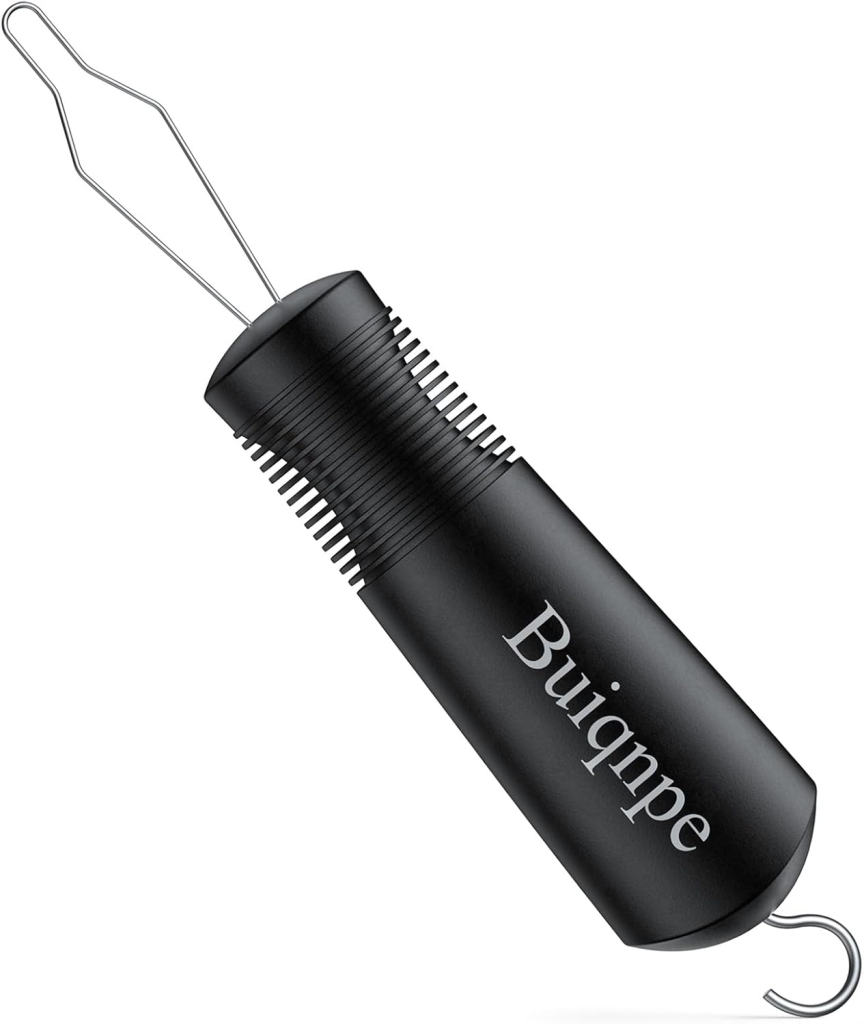
Button Hooks and Zipper Pulls

Small buttons and tiny zipper tabs are notoriously difficult for anyone dealing with arthritis, hand tremors, or neuropathy. These adaptive combo tools eliminate dexterity strain so your loved one can dress independently.

Button Hooks: Pass the wire loop through the buttonhole, catch the button, and slip it back through smoothly without pinching fingers.
Zipper Pulls: A built-in narrow hook easily grabs small zipper tabs, giving leverage to slide jackets and dresses effortlessly.
Caregiver Tip:

Look for a combination tool with a cushioned, wide rubber grip. Practice together a few times—it takes a small amount of coordination at first, but preserves total dressing independence!
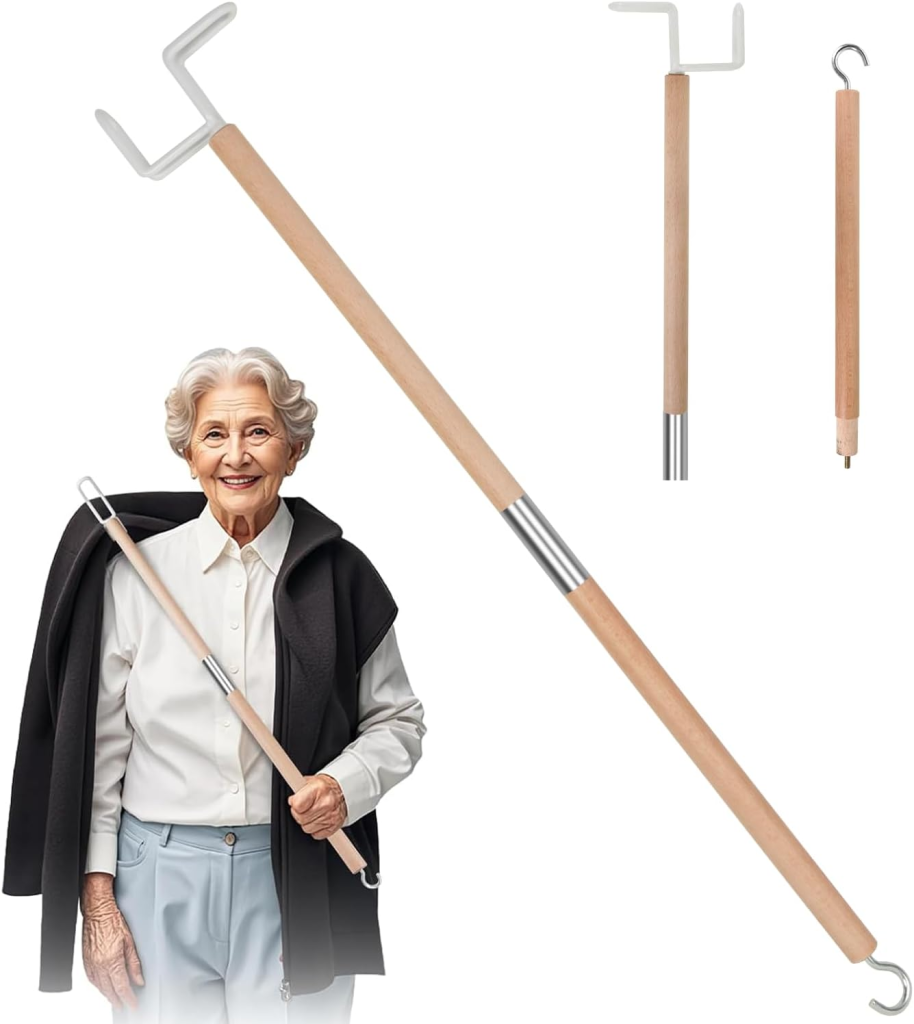
Dressing Sticks

A simple rod, usually wood or plastic, with a specialized “S” hook or a combination of hooks on the end.

How they work: Seniors use the hook to snag pant loops or waistbands and pull them up without bending. The opposite end (the “push” side) can be used to push sleeves off or guide clothing down.
Caregiver Perspective:

This was one of the first tools my dad learned to use after his hip surgery. It gave him a safe way to manage his lower-body clothing independently.
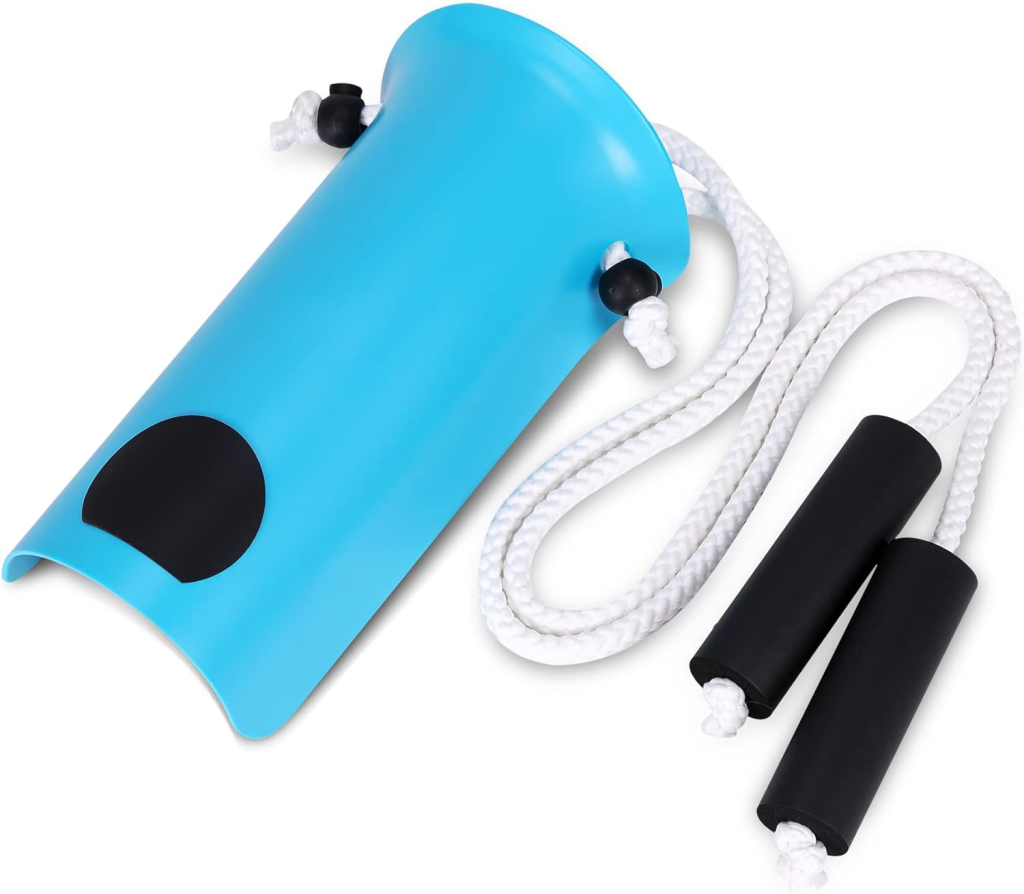
Sock Aides

Putting on socks often requires reaching past the feet, which is impossible for many with back pain or limited flexibility.

What They Are: Typically a flexible plastic trough or a wire frame over which the sock is stretched.
How They Use It: The user pulls the sock onto the aid, places it on the floor, inserts their foot, and pulls the attached straps, sliding the sock effortlessly onto their foot.
Caregiver Tip:

Socks are essential for warmth and preventing slips, especially if your parent wears compression stockings. A sock aid removes the struggle and the fall risk associated with prolonged bending.

Adaptive Equipment for Reaching Objects

If I could recommend only one piece of adaptive equipment for seniors, it would be a long-handled reacher. This simple tool is a game-changer for countless situations.
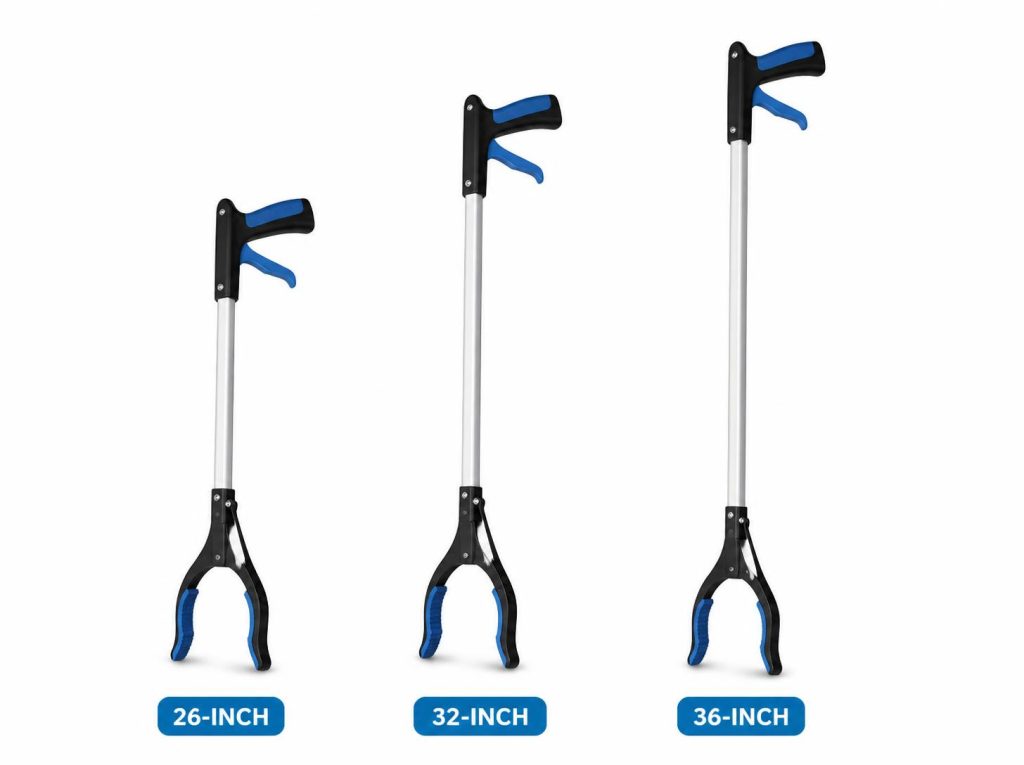
Reacher Grabber Tool

A lightweight metal or plastic grabber, typically 26–32 inches long, operated by a trigger or squeeze handle. Many have magnetic tips for picking up small metal objects like keys or pins.
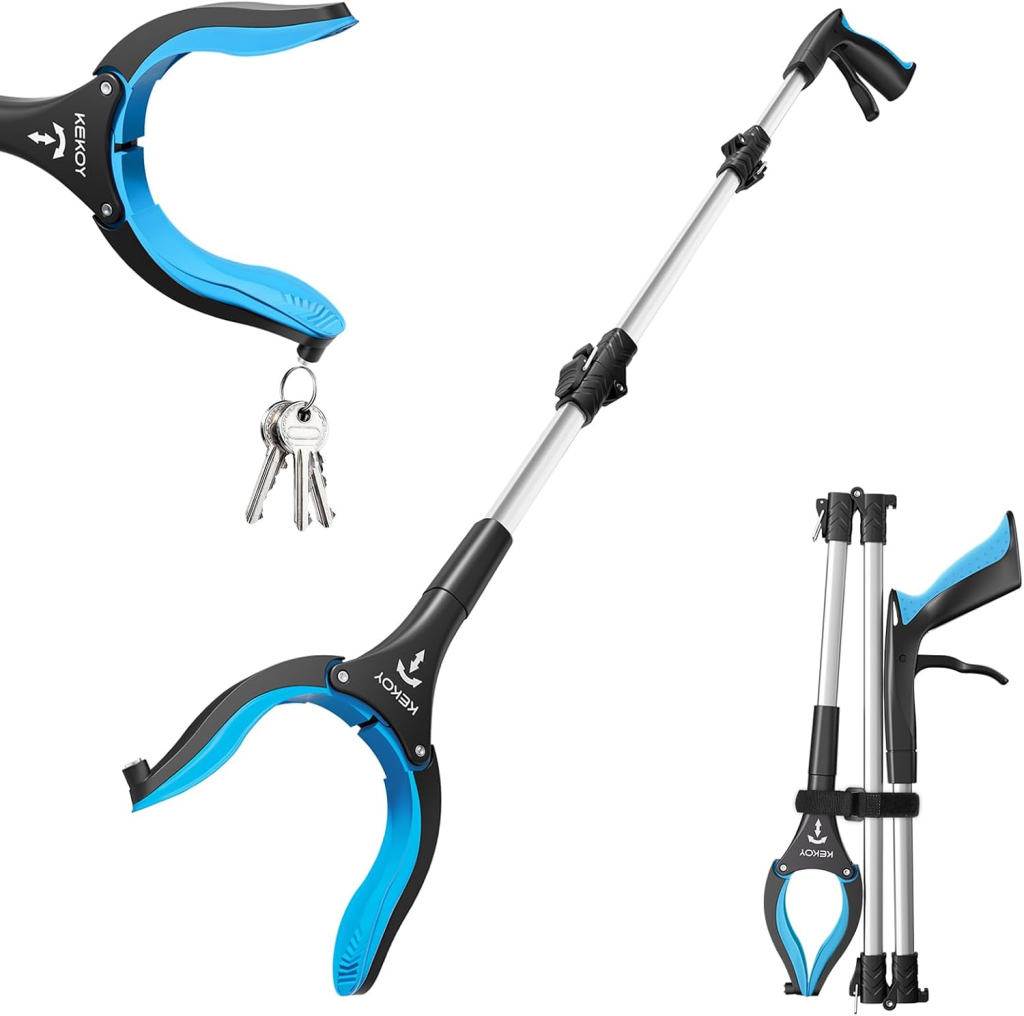
How They Work: It allows seniors to grab items from high shelves, pick things up off the floor without bending, or retrieve items from behind furniture.
Safety Tip: A reacher prevents dangerous over-stretching, climbing on step stools, or bending, significantly reducing the risk of falls in the home.

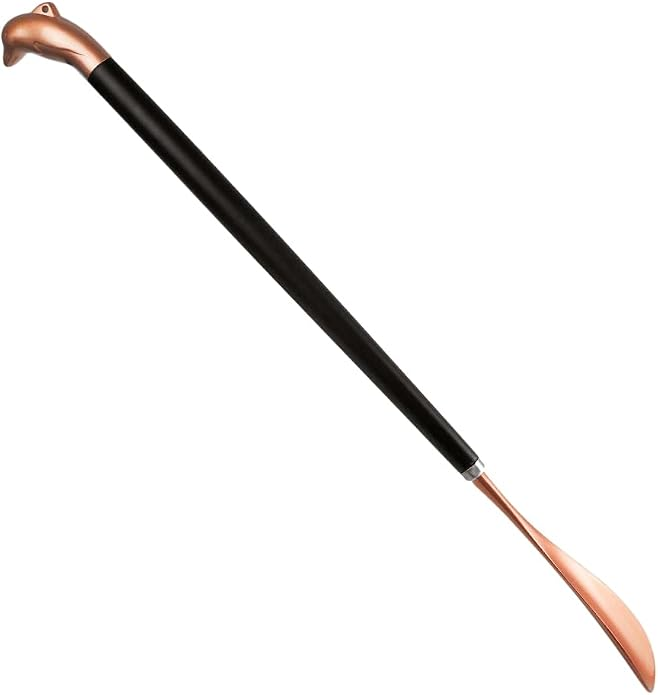
Long-Handled Shoe Horns

Putting on shoes often involves bending at the waist, which can be difficult and dangerous for seniors with balance or back issues.

What They Are: An extended version of a classic shoe horn, ranging from 18 to 30 inches in length.
Why They Matter: By using a long-handled shoe horn, your parent can easily guide their foot into the shoe while standing or sitting comfortably, without having to bend over. This is particularly helpful for closed-toe shoes and sneakers.
Caregiver Tip:

Look for options with removable heads, as sponges should be replaced or cleaned regularly to prevent bacteria buildup. A textured brush might be preferred by some for exfoliation.

Choosing the Right Reacher

Not all reachers are created equal. Consider these factors:

  • Grip Strength: Some triggers require more force than others. For severe arthritis, look for an “easy-squeeze” model or one operated by the whole hand rather than just fingers.
  • Weight and Length: A longer reacher offers more capability but might be heavier or harder to maneuver. A standard 26-inch model works well for most.
  • Jaw Design: Some jaws rotate, which is helpful for picking up odd-shaped items. Others have rubberized tips for a more secure grip.

Adaptive Equipment for The Bathroom

adaptive equipment for seniors

The bathroom is where independence is most valued and where safety risks are highest. Adaptive tools can make hygiene routines safer and less physically demanding.

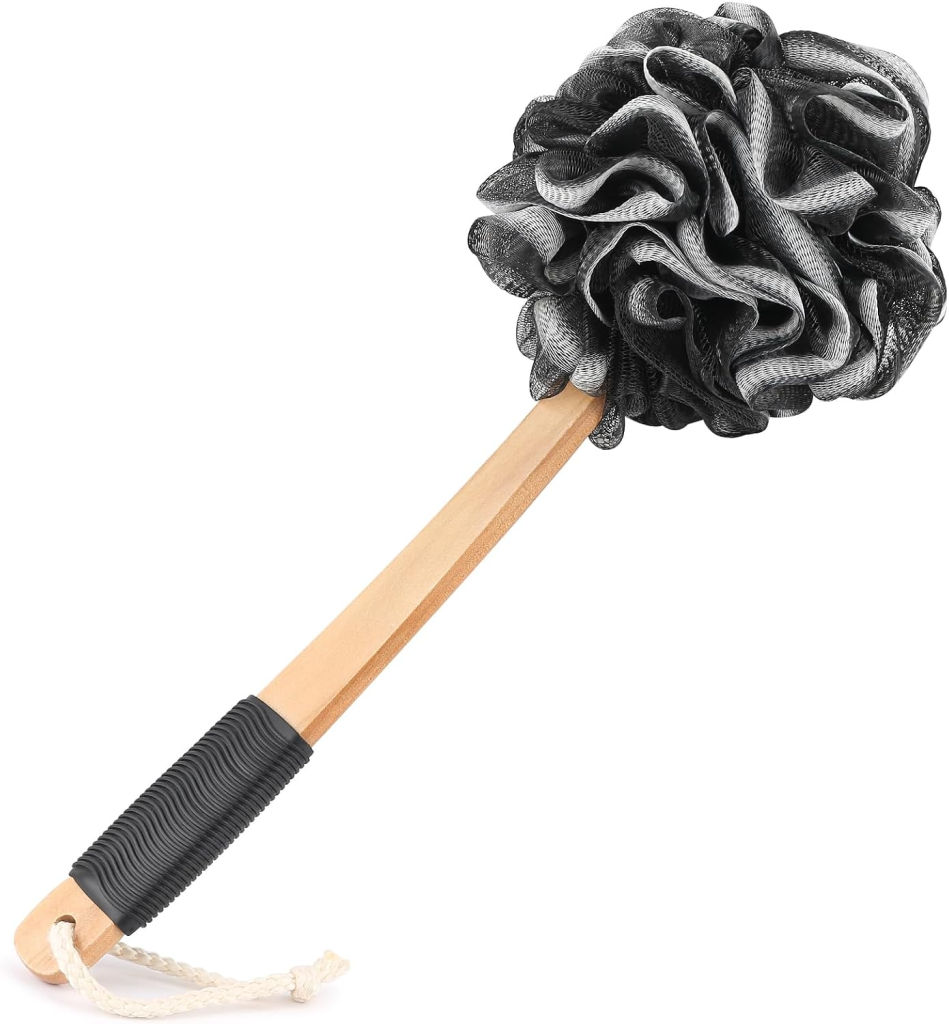
Long-Handled Bath Sponges

Reaching the back, feet, or legs during a shower can be painful or impossible for those with limited shoulder mobility or back pain.

What They Are: Sponges or brushes mounted on extended plastic or wooden handles. Some handles are curved to make reaching specific areas even easier.
Why They Matter: These allow seniors to thoroughly clean their entire body independently, promoting hygiene and preventing skin issues that can arise from hard-to-reach areas.
Caregiver Perspective:

My mother insisted on wearing her stylish loafers, but struggled to get her heel in without squashing the back of the shoe. A long metal shoe horn solved the problem instantly, preserving her shoes and her back.

Adaptive Equipment for Personal Grooming

Maintaining appearance is crucial for self-esteem. Arthritis can make tasks like cutting nails or brushing hair incredibly difficult, leading some seniors to neglect these routines. Arthritis grooming aids are specifically designed to address these challenges.

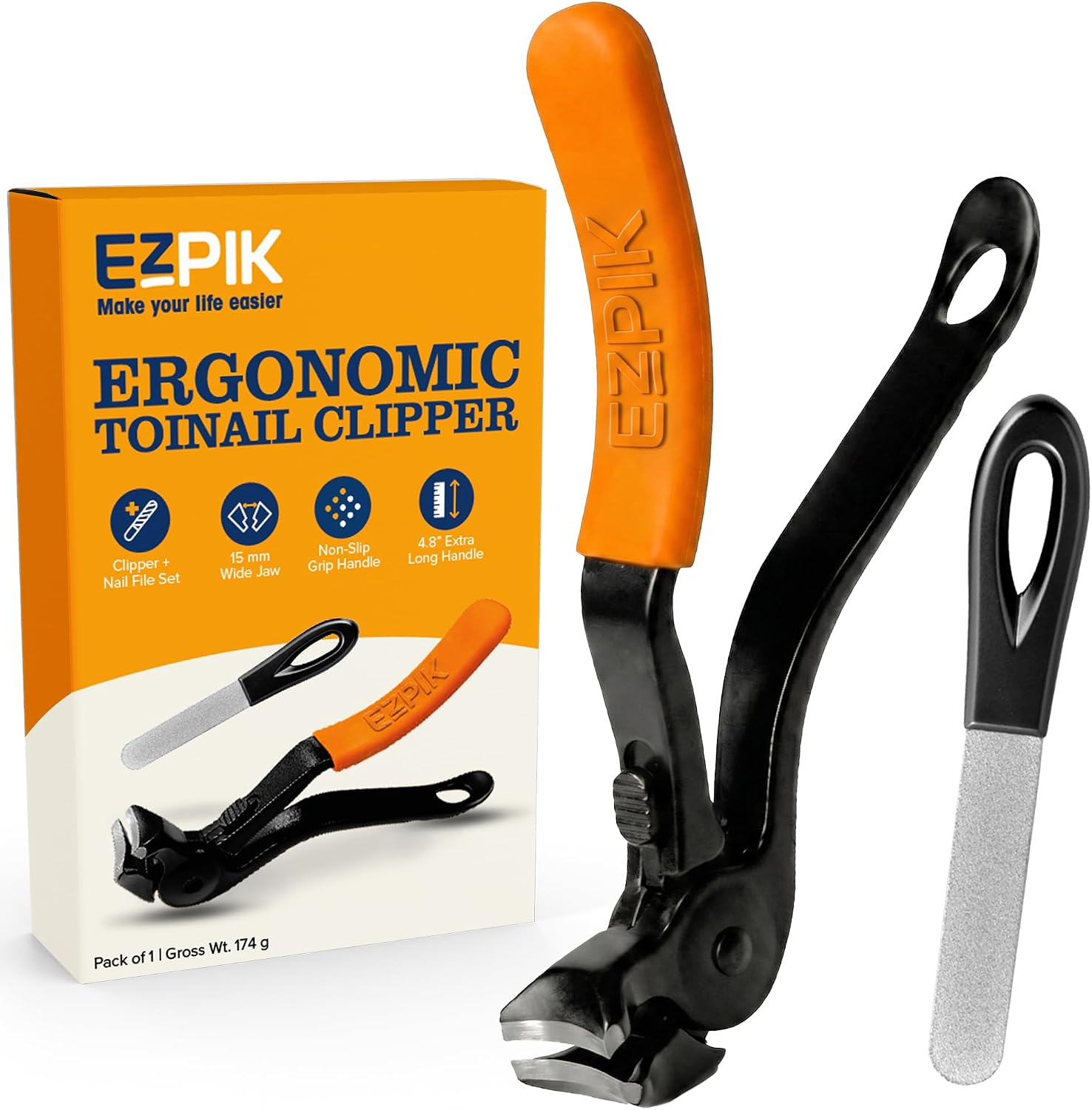
Adaptive Nail Clippers

Standard nail clippers require strong hands and precise finger placement, which are often compromised by arthritis or reduced sensation.

What They Are: Clippers designed for easier use. This might mean a longer handle for better leverage, a wide grip that’s easier to hold, or a tabletop design that allows the user to press down with their palm rather than their fingers.
Why They Matter: Properly trimmed nails are important for hygiene and preventing ingrown toenails. Adaptive clippers allow seniors to maintain this care safely.
Caregiver Perspective:

Toenails are often thicker and harder to reach than fingernails. If your parent cannot safely trim their own toenails, it’s vital to arrange professional foot care, either through a podiatrist or a specialized senior foot care service. Tools should only be used if they can do so safely.

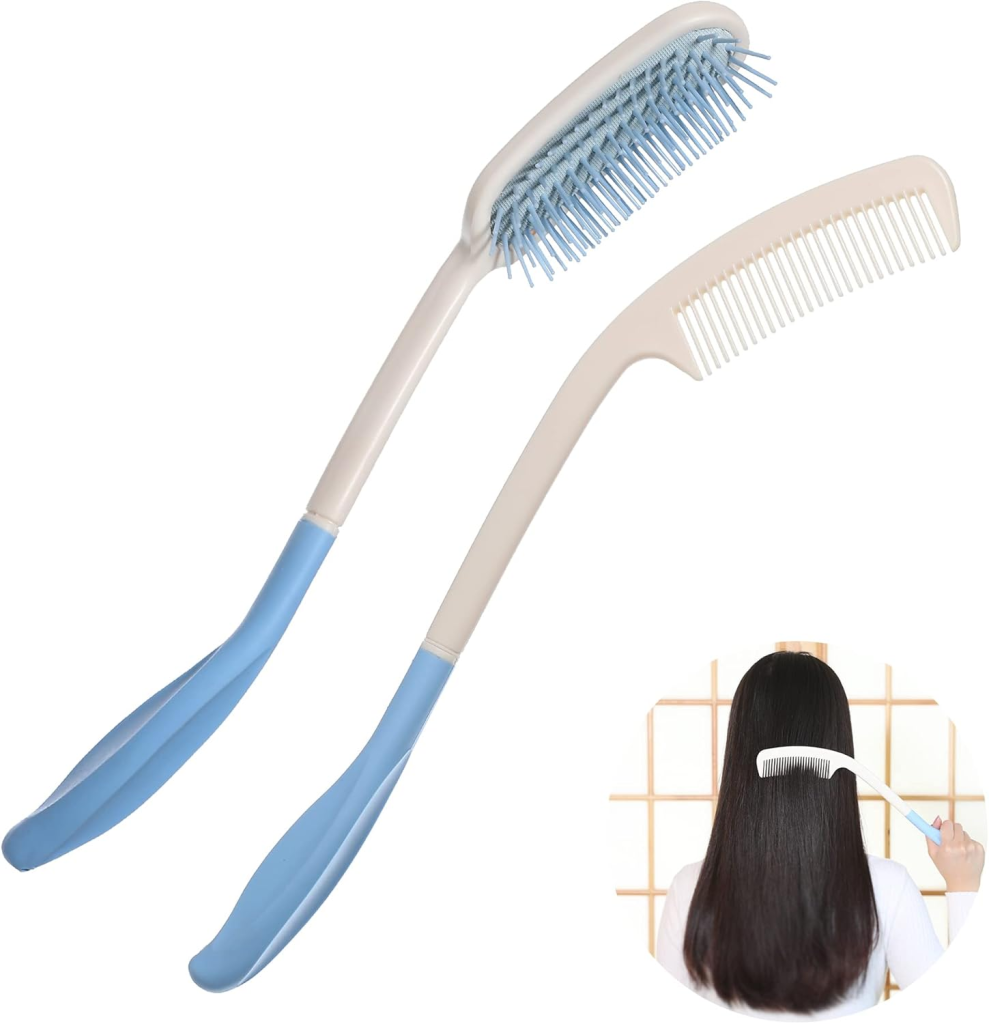
Long-Handled Hairbrushes

Brushing hair requires lifting the arms and hands, which is painful for those with shoulder arthritis or limited range of motion.

What They Are: Hairbrushes and combs with extended handles.
Why They Matter: They allow seniors to reach all areas of their head without straining their shoulders. Some even come with contoured handles designed for a more comfortable grip.
Caregiver Perspective:

Toenails are often thicker and harder to reach than fingernails. If your parent cannot safely trim their own toenails, it’s vital to arrange professional foot care, either through a podiatrist or a specialized senior foot care service. Tools should only be used if they can do so safely.

Using Adaptive Equipment For Seniors

Introducing adaptive tools can sometimes be met with resistance. It’s common for seniors to view them as symbols of decline rather than enablers of independence. Here’s how to approach it with sensitivity:

1. Involve Your Parent in the Decision

Don’t simply buy a pile of equipment and expect them to use it. Talk about the specific tasks that are becoming difficult. “I noticed you seem uncomfortable when you’re getting dressed in the morning. Would something like this button hook make it a little easier?”

2. Frame It Around Independence, Not Disability

Shift the narrative. These aren’t “old people tools”; they are “smart tools” that save energy and prevent pain. Emphasize that using these tools allows them to continue living at home and doing things for themselves, reducing reliance on you or hired help.

3. Focus on One Task at a Time

Don’t overwhelm them with a dozen new gadgets. Start with the tool that solves the most frustrating daily problem, whether it’s putting on socks, reaching items in the kitchen, or managing buttons.

4. Ensure Proper Training and Practice

It takes time to learn how to use some of these devices effectively. Demonstrate how to use the tool yourself, then patiently guide your parent through a few practice sessions. If possible, have an occupational therapist recommend specific tools and teach proper technique, especially for more complex aids.

5. Keep Equipment Accessible and Maintained

Adaptive tools only work if they are available when needed. Store them logically—the sock aid by the bed, the reacher in the living room. Periodically check the equipment to ensure it’s clean, functional, and still the right fit for your parent’s needs.

Final Thoughts

Watching a parent struggle with simple daily tasks is one of the hardest parts of caregiving. It’s heartbreaking to see their frustration and feel their loss of independence.

Adaptive equipment offers a tangible, effective way to help. These tools are more than just plastic and metal; they are bridges to confidence, safety, and dignity. By carefully selecting and introducing these aids, you are empowering your loved one to continue living life on their own terms, right in the comfort of their own home.

My mother eventually grew to love her button hook. She called it her “little helper,” and it became as essential to her

Disclaimer: This post contains affiliate links. If you make a purchase through these links, I may earn a small commission at no additional cost to you. I only recommend products and services I truly trust to help you and your loved ones. Thank you for supporting The Helpful Daughter! Read full disclosure statement.

Picture of Kate Jade
Kate Jade

Kate Jade is a passionate family caregiver advocate and the creator of The Helpful Daughter. Inspired by her personal journey navigating independent living challenges with her parents, Kate curates the best resources, safety tips, and product guides to make life easier for seniors and the people who love them.