

It is 2:00 AM, and you wake up startled by a thud from the guest bedroom. Your heart races as you run down the hall, praying your mom just dropped her book. Instead, you find her sitting on the floor beside her bed, confused and shaken. She tried to get up to use the bathroom in the dark, lost her footing, and slid right out of bed.
Fortunately, she only has a minor bruise this time. But the scare leaves you both rattled. You realize that the place where she should feel safest—her own bed—has become a hazard.
Many of us have been in this exact position. When a parent begins to struggle with balance, getting in and out of bed becomes a daily mountain to climb. You want to protect them, and a bed rail seems like the most straightforward, logical solution.
However, shopping for the best bed rails for seniors is not as simple as picking the first highly-rated item on an online storefront. If chosen or installed incorrectly, bed rails can pose serious safety risks.
This guide will walk you through the safest, most reliable bed assist rails on the market today. We will look at honest pros and cons, explain critical safety warnings that every caregiver must know, and help you choose the right fit for your parent’s specific bed setup.
Why Bed Assist Rails Matter (And the Vital Safety Risks)

Before looking at specific products, we need to address the elephant in the room. A few years ago, the U.S. Consumer Product Safety Commission (CPSC) issued strict warnings and recalled millions of adult bed rails due to entrapment hazards.
Entrapment occurs when a senior gets stuck between the bed rail and the mattress, or within the bars of the rail itself. If a mattress is too light, too soft, or not securely fastened to the bed frame, a gap can open up. If your parent rolls into that gap, they can become trapped, which can lead to serious injury or suffocation.
This does not mean you should avoid bed rails entirely. It means you must choose a high-quality, certified rail and install it with absolute precision.
Assist Rails vs. Barrier Rails
It helps to understand what you are actually trying to accomplish:
- Bed Assist Rails (Transfer Bars): These are smaller rails designed to act as a sturdy handle. They help your parent pull themselves up to a sitting position and find their balance before standing.
- Bed Barrier Rails (Guardrails): These are longer rails designed to keep someone from rolling out of bed.
Most products we recommend in this guide function primarily as assist rails, though some can adjust in length to provide a barrier against nighttime falls.
Key Factors to Consider Before Buying
Before clicking “buy,” take a close look at your parent’s current bedroom setup. A rail that works beautifully on a traditional box spring mattress might be completely useless—or even dangerous—on an adjustable bed.
1. Mattress Type and Thickness
Standard bed rails use a flat metal frame that slips between the mattress and the box spring. They rely on the heavy weight of the mattress to stay in place.
- Memory Foam Mattresses: These are often lighter and more flexible than traditional innerspring mattresses. They can sag or shift, which creates dangerous gaps. If your parent has a memory foam mattress, you need a rail that secures directly to the bed frame with heavy-duty safety straps.
- Adjustable Beds: If the head or foot of the bed moves up and down, a standard under-mattress rail will not work. It can damage the motor or bend the rail. You will need a specialized rail that attaches directly to the metal frame of the adjustable bed.
2. Bed Height
Measure the distance from the floor to the top of the mattress. Some bed rails have legs that extend to the floor for extra weight support. If the bed is unusually high or low, make sure the rail you choose has adjustable leg heights.
3. Physical Strength and Cognitive Health
Does your parent have the cognitive clarity to understand what the rail is for? If a senior has advanced dementia, they might try to climb over a long barrier rail, which actually increases their risk of a severe fall. For individuals with cognitive decline, a small, unobtrusive assist handle is usually much safer than a full-length guardrail.
Honest Reviews of the Best Bed Rails for Seniors
Here is a detailed breakdown of the top-performing bed rails available today, based on safety standards, build quality, and real-world caregiver feedback.
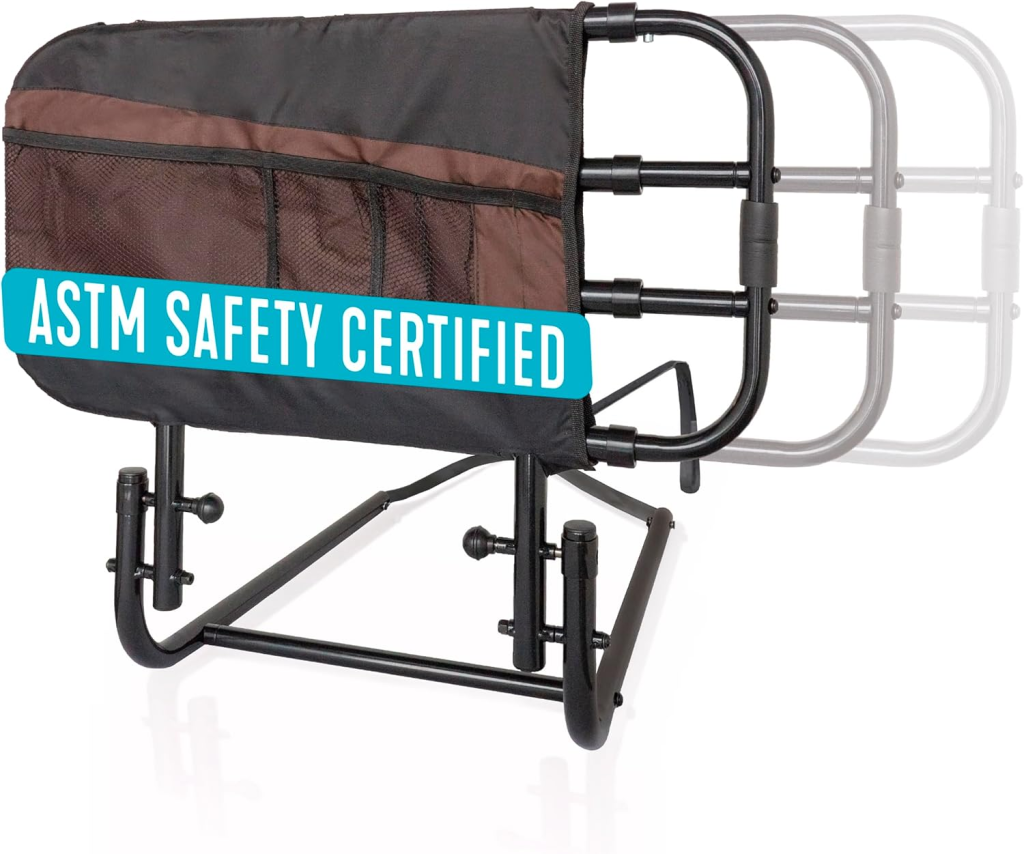
1. Stander Bed Assist Bar
The industry standard for home safety. This compact, incredibly sturdy assist bar is designed to help seniors transition from lying down to standing up with absolute confidence.
Pros
- Heavy-duty safety strap prevents dangerous mattress gaps.
- Compact, low-profile design fits in with home decor.
- Includes a handy organizer pouch for glasses, remotes, and phones.
Cons
- Not designed to act as a full guardrail to prevent rolling out.
- Does not work well on most adjustable beds.
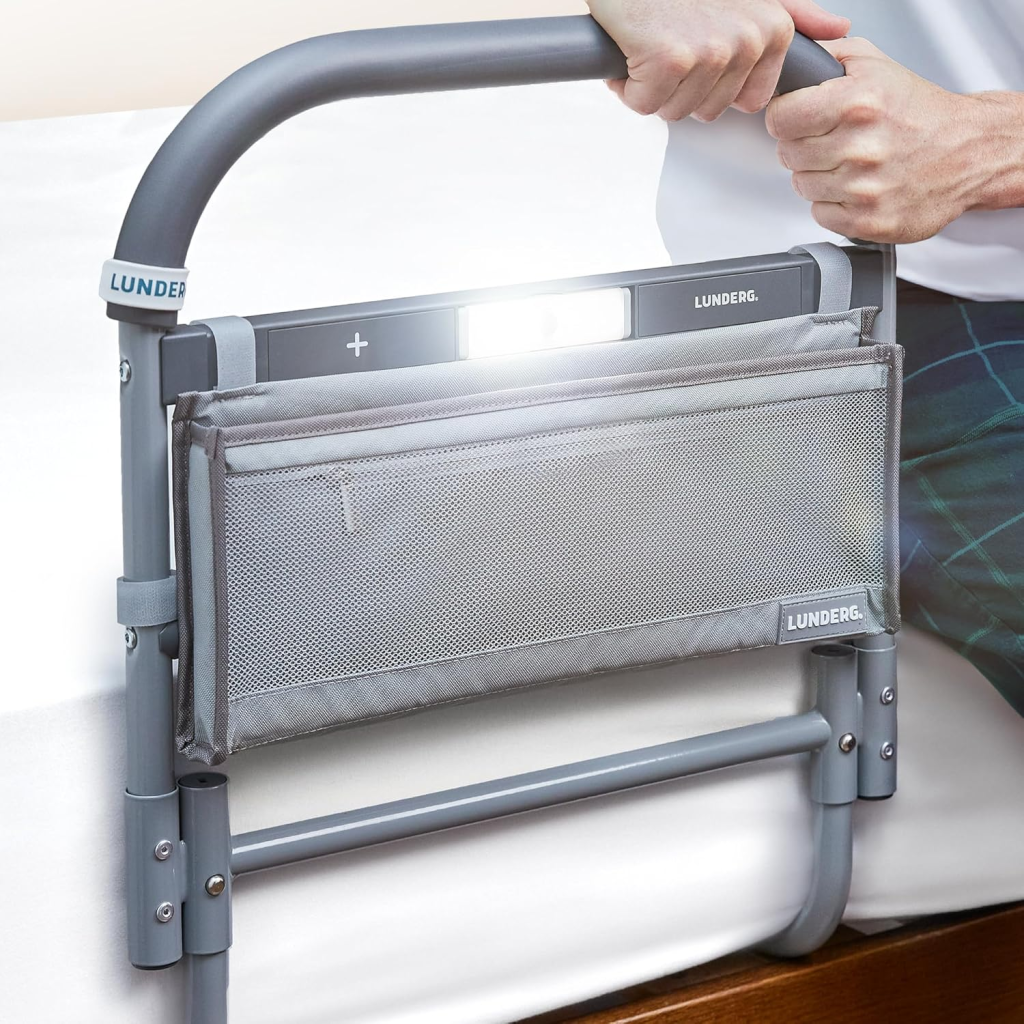
2. Lunderg Bed Rail With Motion Light & Organizer
Designed for maximum security and peace of mind. This extra-wide safety guardrail is engineered to prevent seniors from rolling out of bed, featuring stabilizing legs that extend to the floor and a motion-activated nightlight for safer midnight transitions.
Pros
- Floor-supporting legs provide incredible structural stability up to 300 lbs.
- Extra-wide barrier design provides excellent physical coverage to prevent rolling falls.
- Includes a motion-activated LED light and handy 3-pocket organizer pouch.
Cons
- Takes up significant bedside space, making bed-making a bit more difficult.
- Not suitable for seniors with advanced dementia who may attempt to climb over it.
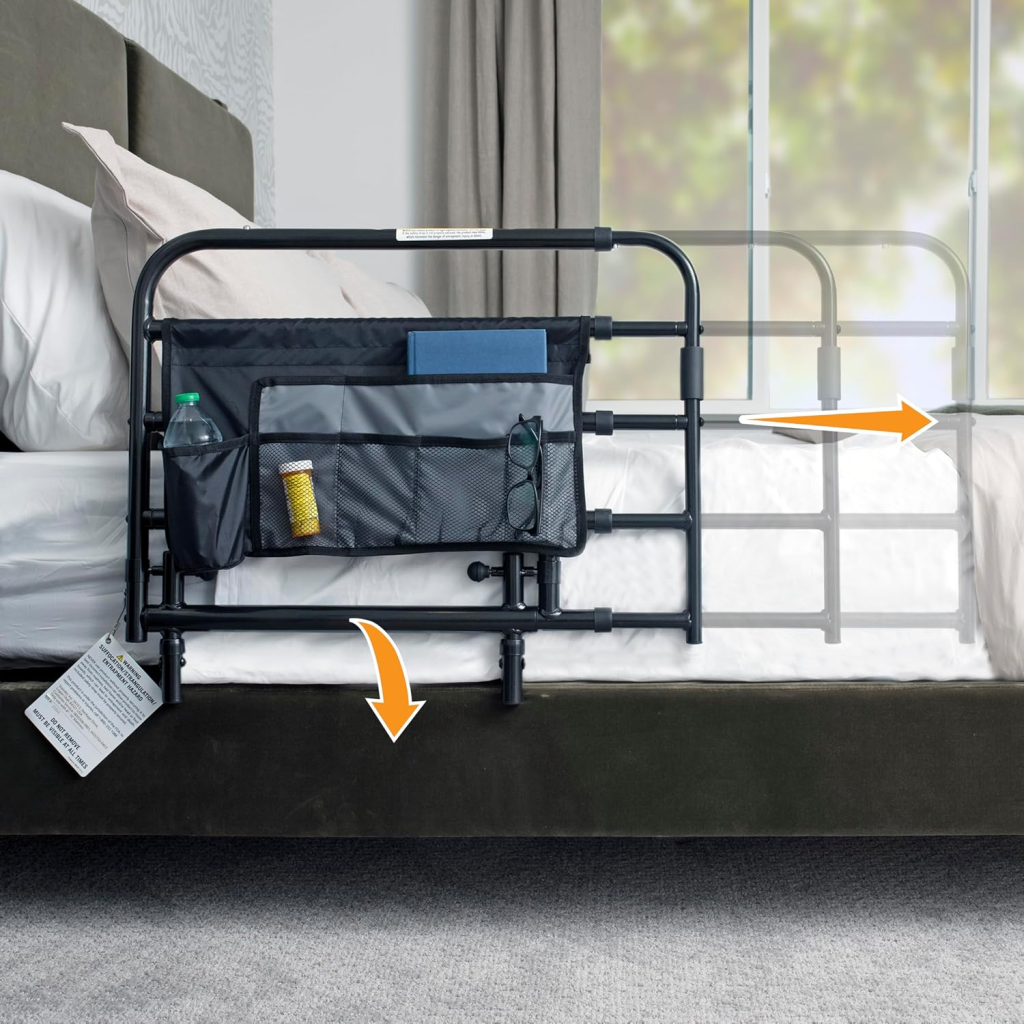
3. Lunderg Bed Rail
Designed for maximum security and peace of mind. This extra-wide safety guardrail is engineered to prevent seniors from rolling out of bed, featuring stabilizing legs that extend to the floor and a motion-activated nightlight for safer midnight transitions.
Pros
- Floor-supporting legs provide incredible structural stability up to 300 lbs.
- Extra-wide barrier design provides excellent physical coverage to prevent rolling falls.
- Includes a motion-activated LED light and handy 3-pocket organizer pouch.
Cons
- Takes up significant bedside space, making bed-making a bit more difficult.
- Not suitable for seniors with advanced dementia who may attempt to climb over it.
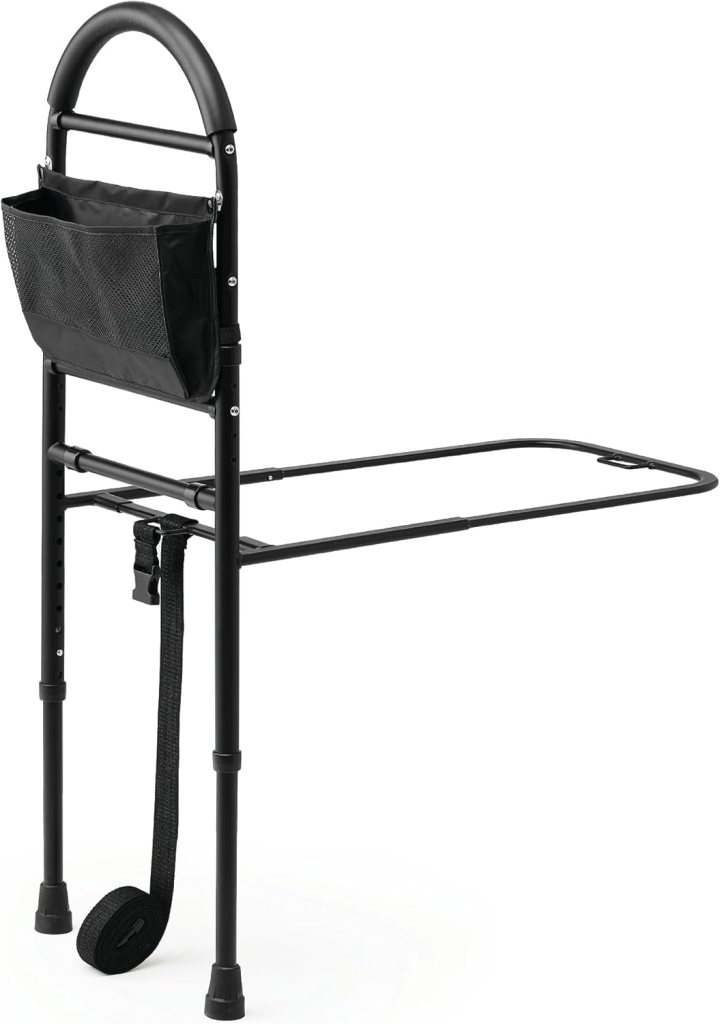
4. Medline Bed Assist Bar
An exceptionally budget-friendly solution from a highly trusted name in medical supplies. This simple, height-adjustable assist bar snaps together effortlessly without tools, making it a reliable, lightweight option for everyday home use or travel.
Pros
- Highly affordable option without sacrificing essential structural support.
- Tool-free assembly with quick-connect pins makes it incredibly easy to set up.
- Fully adjustable height allows you to customize the bar to your mattress setup.
Cons
- The included safety strap is thinner than premium models and needs regular checks.
- Not well-suited for exceptionally thick pillow-top mattresses.
Comparison Table of Top Bed Rails
To help you quickly compare your options, here is a breakdown of how these four top-rated rails stack up against each other:
| Product | Best For | Weight Limit | Leg Support | Folds? | Strap? | Action |
|---|---|---|---|---|---|---|
| Stander Bed Assist Bar | Standing support & low-profile beds | 300 lbs | No | No | Yes | Check Price |
| Lunderg Bed Rail | Roll-out prevention & night safety | 300 lbs | Yes | No | Yes | Check Price |
| Medline Bed Assist Bar | Budget & travel-friendly | 250 lbs | No | No | Yes | Check Price |
| Stander EZ Adjust | Caregiver assistance & adjustable length | 300 lbs | No | Yes | Yes | Check Price |
How to Install a Bed Rail Safely (A Caregiver’s Checklist)
Buying the right rail is only half the battle; proper installation is what actually keeps your parent safe. Use this step-by-step checklist when installing any bed assist rail:
How to Install a Bed Rail Safely
A Caregiver’s Essential Safety Checklist

-
Read the Manual Fully
Every brand has slight structural and design differences. Never skip steps or guess during the assembly process.
-
Install the Safety Strap
Never simply slide a rail under the mattress. You must wrap the safety strap securely around the opposite side of the bed frame or box spring and pull it taut.
-
Check the “Gap” Rule
There must be absolutely no gap between the bed rail and the side of the mattress. If you can fit two fingers between them, the rail is unsafe and needs adjustment.
-
Test for Movement
Grab the rail and shake it vigorously. If it slides, shifts, or wobbles, tighten the straps or adjust the underlying frame structure before allowing use.
-
Account for Mattress Compression
Sit on the edge of the mattress directly next to the rail. If your body weight compresses the mattress enough to create a gap, you may need a firmer mattress or a different style of rail.
-
Perform Weekly Inspections
Safety straps stretch over time and mattresses shift with sheet changes. Make a habit of checking the tightness of the strap every single Sunday.
Smart Alternatives to Bed Rails
Sometimes, a bed rail is not the right answer. If your parent has advanced dementia and is prone to confusion, or if they have an adjustable bed that cannot accommodate a standard rail, consider these highly effective alternatives:
1. Bed Assist Transfer Poles
These are floor-to-ceiling tension poles placed right next to the bed. They feature a padded grab bar that allows your parent to pull themselves up to a standing position. Because they do not attach to the bed, there is zero risk of mattress entrapment.
2. High-Density Foam Wedges
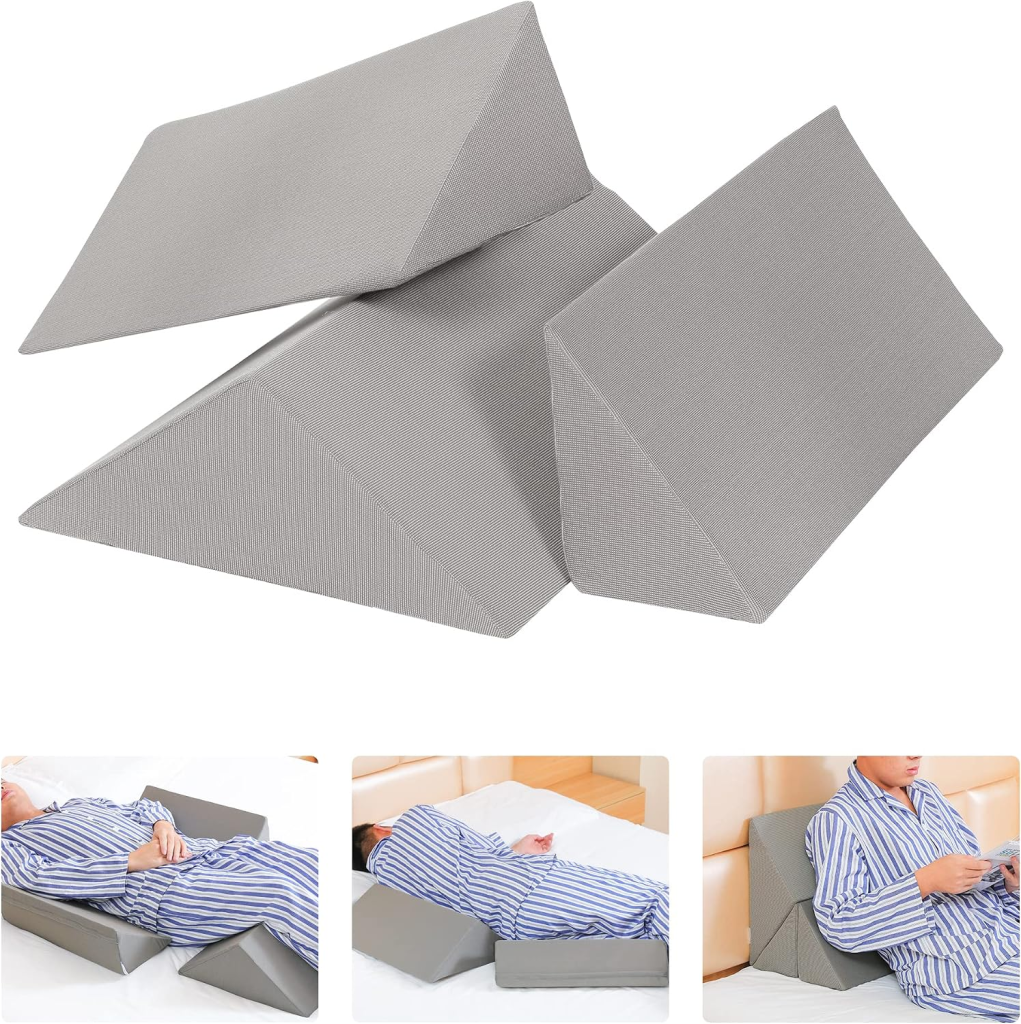
If you are purely worried about your parent rolling out of bed, you can place long, triangular foam wedges (often called bumper bolsters) under the fitted sheet. These create a gentle incline at the edge of the mattress, naturally preventing your parent from rolling over the edge while remaining completely soft and safe.
3. Ultra-Low Beds and Fall Mats
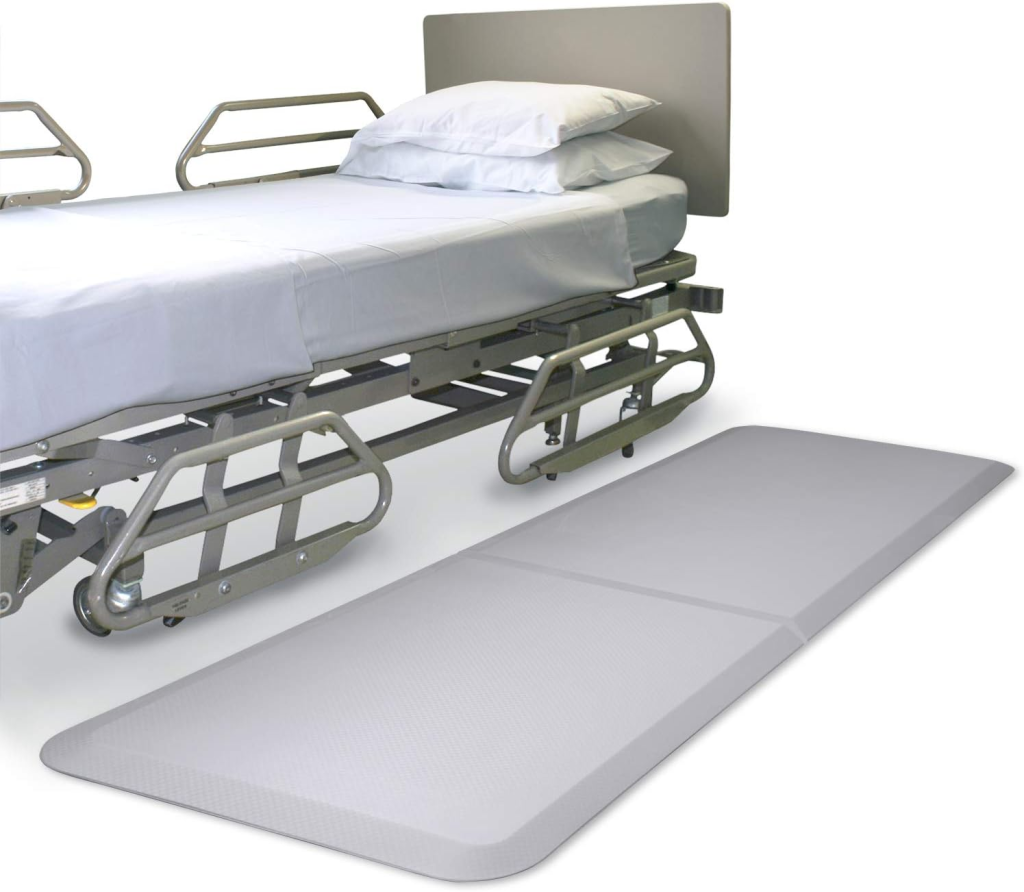
For seniors with severe balance issues or cognitive decline who consistently try to climb out of bed, the safest option is often a “low bed” frame that sits just a few inches off the floor, paired with a thick, impact-absorbing foam fall mat placed beside the bed.
Finding Peace of Mind
Helping a parent maintain their independence while keeping them safe is a delicate balancing act. It is completely normal to feel overwhelmed by the sheer number of safety products and warnings out there.
If you decide that a bed rail is the right choice for your family, take your time during the installation. Check the straps regularly, make sure there are no gaps, and listen to your parent’s feedback about how the rail feels. Sometimes, a small adjustment to the height of the handle can make a world of difference in their confidence.
You are doing an incredible job caring for your parent. By taking these thoughtful, proactive steps to secure their bedroom, you are helping them sleep easier—and giving yourself the peace of mind to do the same.
Frequently Asked Questions
Can I use a bed rail on an adjustable bed?
Most standard bed rails cannot be used on adjustable beds because the movement of the frame will bend the rail or damage the bed’s motor. However, some manufacturers make specialized rails that clamp directly to the metal frame of specific adjustable beds. Always check with both the bed manufacturer and the rail manufacturer before purchasing.
Are bed rails considered a physical restraint?
In professional nursing homes and assisted living facilities, bed rails that prevent a resident from voluntarily getting out of bed are considered physical restraints and are heavily regulated. In a private home, they are generally viewed as assistive devices, but caregivers should always ensure that the senior can still freely exit the bed if they wish to do so.
What is the weight limit for most adult bed rails?
Most high-quality, steel-framed bed rails have a weight capacity of 250 to 300 pounds. If your parent requires bariatric support, look for heavy-duty models specifically rated for 400 pounds or more.
How do I stop the bed rail from sliding out?
You must use the safety strap that comes with the rail. This strap acts as an anchor, running underneath the mattress to the opposite side of the bed frame. Without this strap, the simple friction of the mattress is not enough to keep the rail from sliding out under your parent’s weight.
Will a bed rail work on a platform bed?
Yes, but you have to be careful. If the platform bed has a lip or wooden frame that the mattress sinks into, a folding rail like the Stander EZ Adjust might not be able to fold downward. For platform beds, a simple assist bar with a flat base plate secured with screws or straps is usually the best option.
Are bed rails covered by Medicare?
Generally, traditional Medicare does not cover bed rails for home use because they are classified as “convenience items” rather than Durable Medical Equipment (DME). However, if your parent is prescribed a hospital bed, the rails that come with the hospital bed are typically covered. Some Medicare Advantage (Part C) plans may also offer home safety benefits that cover these items.
My parent has dementia. Is a bed rail safe for them?
If your parent is in the moderate to advanced stages of dementia, a traditional long guardrail can actually be dangerous. They may wake up confused, forget the rail is there, and try to climb over it, resulting in a much worse fall. In these cases, a soft floor mat, a low bed, or a very small, unobtrusive transfer handle is much safer.