
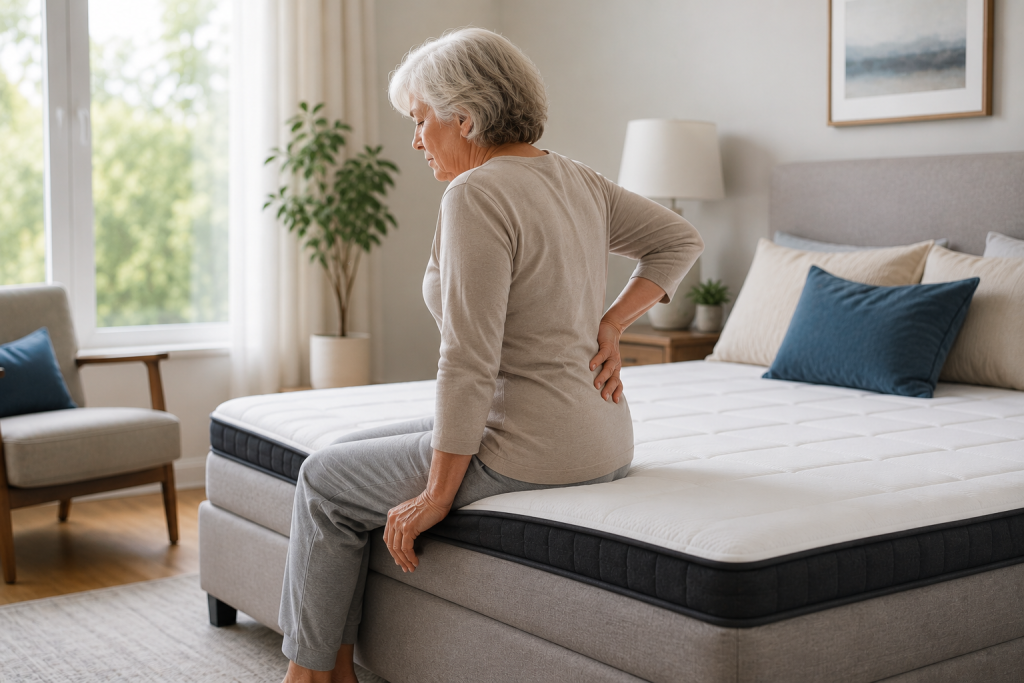
When you are caring for an aging parent or loved one, finding the best mattress for seniors with back pain is often something you don’t think much about—until sleepless nights become a major problem. Maybe your mom mentions her hips ache every single morning, or your dad complains that his lower back hurts worse after a full night’s sleep than it did before he went to bed.
As our bodies age, sleep naturally gets more complicated. Conditions like arthritis, chronic lower back pain, morning stiffness, reduced mobility, and joint sensitivity can turn bedtime into a source of frustration rather than a place of rest.
Unfortunately, poor sleep has a domino effect on senior health. When a senior sleeps poorly, their daytime energy drops, pain tolerance decreases, and everyday movements like walking or staying active become significantly harder.
That is why choosing the best mattress for seniors with back pain matters more than most families realize. The truth is, the mattress your loved one slept comfortably on 15 years ago is likely failing to support their aging body today.
If you are trying to help someone sleep more comfortably and wake up with less stiffness, here is what you need to look for in a therapeutic sleep surface.
What Makes a Good Mattress for Seniors With Back Pain?
Before rushing out to buy a new bed, it helps to understand what actually provides relief. The best mattress for seniors with back pain shouldn’t just feel plush for five minutes in a showroom; it needs to actively support aging joints for eight hours at a time.
Too Firm
The mattress creates hard resistance, causing painful pressure to build up around the shoulders, hips, knees, and lower back.
Too Soft
The spine sinks out of alignment, sagging into a hammock shape that severely worsens morning stiffness and back spasms.
Older adults require a precise balance between structural support and pressure relief.
For seniors dealing with arthritis or chronic pain, the most critical factor to look for is pressure redistribution. In simple terms, this means the mattress material spreads body weight evenly across the entire surface rather than concentrating it on sensitive joints. This single feature can make a dramatic difference in overnight comfort.
Best Overall: NSC Medical Therapeutic Mattresses
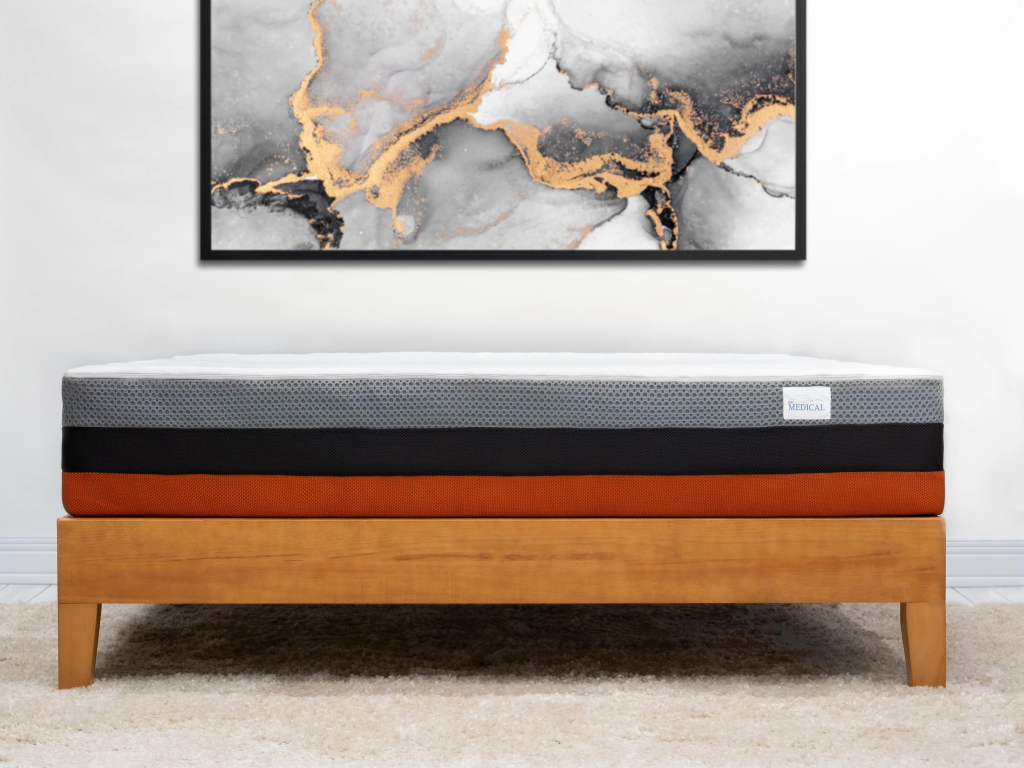
If clinical support, back pain relief, and orthopedic alignment are your top priorities, therapeutic mattresses from NSC Medical are one of the strongest options available.
What sets these mattresses apart is that they are engineered more like medical-grade support surfaces than traditional retail beds. Instead of focusing on trendy sleep marketing or superficial plushness, their entire construction revolves around maximum pressure redistribution.
Why It Works for Aging Bodies
As people age, skin thins, joints become more sensitive, and pressure builds rapidly around areas like the hips, shoulders, spine, and tailbone. An NSC Medical therapeutic mattress works by spreading body weight evenly so no single pressure point carries too much strain.
For seniors with severe arthritis, chronic lower back pain, or mobility challenges, this advanced support leads to:
- Significantly less tossing and turning throughout the night.
- Easier transitions between sleep positions.
- A noticeable reduction in morning stiffness and localized pain.
From a caregiver’s perspective, this option stands out because it focuses purely on health and function. The goal isn’t just a “luxury” bed—the goal is helping your loved one wake up feeling less miserable.
Best For:
- Anyone who regularly wakes up feeling stiff, sore, or exhausted.
- Seniors managing severe arthritis or chronic lower back pain.
- Older adults with high pressure sensitivity or fragile skin.
- Seniors with mobility challenges or those who spend extended periods in bed.
Alternative Options: Memory Foam vs. Hybrid Mattresses
While a specialized therapeutic mattress is ideal, you may also encounter standard memory foam or hybrid options during your search. Here is how they stack up for older adults:
1. Memory Foam Mattresses (Good for Pressure Relief)
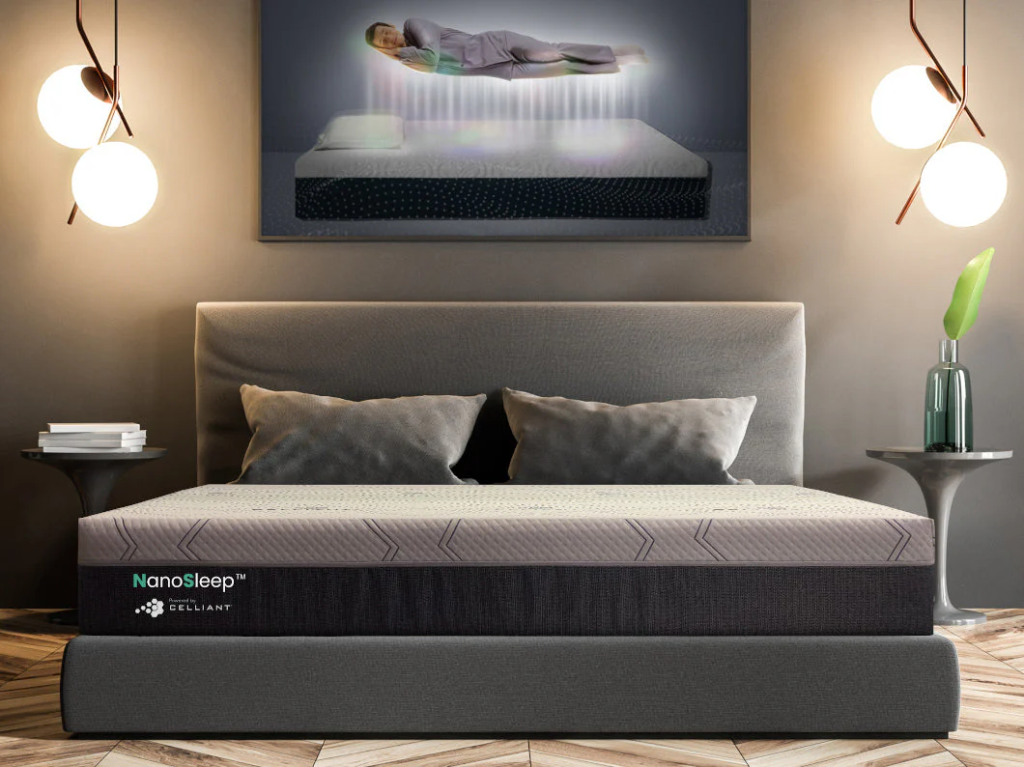
Memory foam is popular because it contours closely to the shape of the body, cushioning aching joints. However, traditional memory foam can be tricky for seniors. Many foams allow the body to sink too deeply, creating a “stuck” sensation. If your loved one already struggles with mobility or muscle weakness, an overly soft foam mattress can make it incredibly difficult to change positions or safely get out of bed in the morning.
2. Hybrid Mattresses (A Balance of Bounce and Contour)
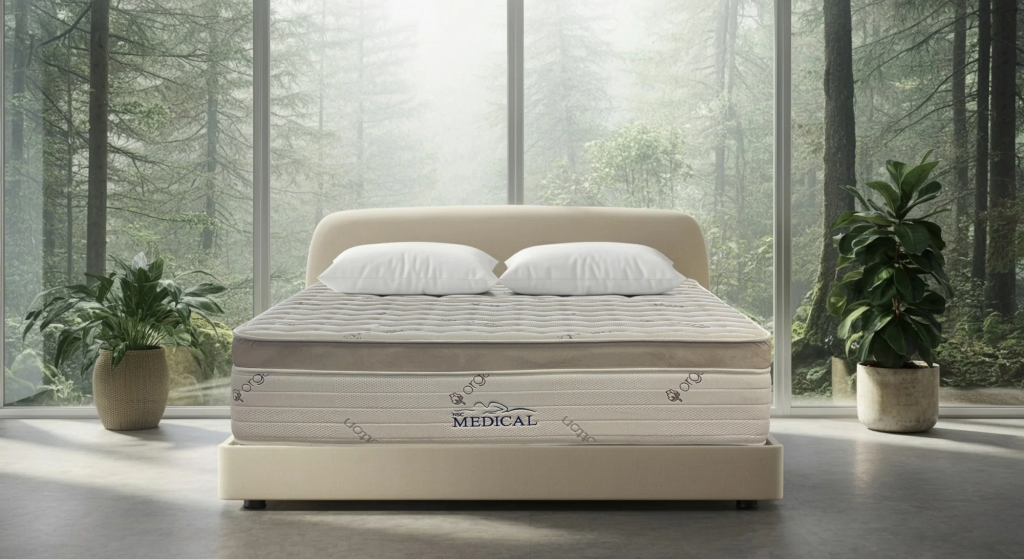
Hybrid mattresses combine an inner core of supportive pocketed coils with top layers of foam or latex. For seniors who want cushioning but still require a stable, buoyant base, a high-quality hybrid offers a great middle ground. The coils provide excellent edge support (making it easier to sit on the edge of the bed when putting on shoes), while the foam layer cushions the joints.
5 Warning Signs It’s Time to Replace a Senior’s Mattress
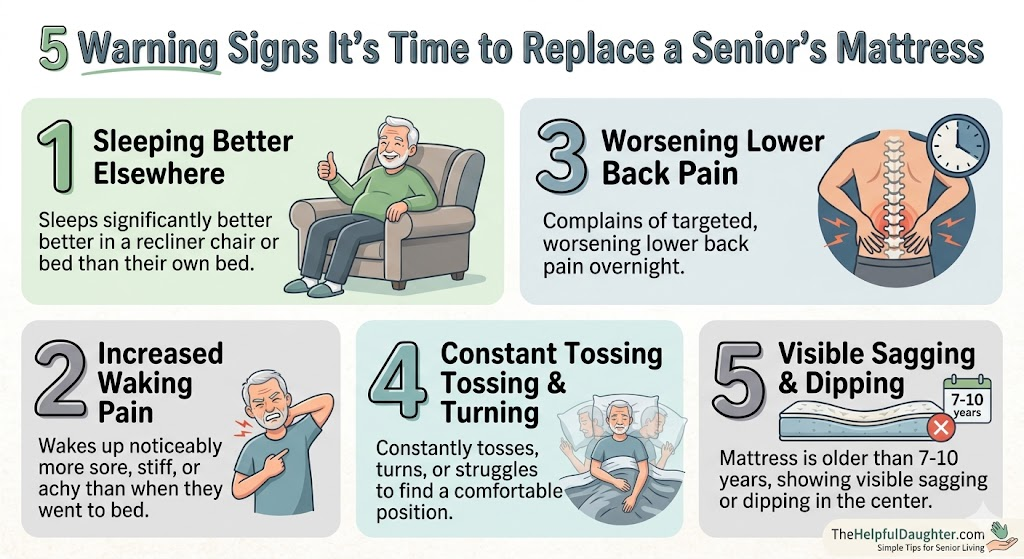
Sometimes, families focus entirely on adjustments to medications, physical therapy, or mobility aids while completely overlooking the bed their loved one sleeps on every single night. It is likely time for an upgrade if your parent:
- Finds themselves sleeping significantly better in a recliner chair or a guest bed than in their own regular bed.
- Wakes up noticeably more sore, stiff, or achy than when they went to bed.
- Complains of targeted, worsening lower back pain overnight.
- Constantly tosses, turns, or struggles to find a comfortable position.
- Has a mattress that is older than 7 to 10 years, showing visible sagging or dipping in the center.
Final Thoughts
Helping an aging parent live comfortably almost always comes down to improving the details of their daily routine: a safer step-in shower, better mobility support, nutritious prepared meals, and—most importantly—restorative sleep.
If your loved one struggles with arthritis, spinal stiffness, or chronic aches, upgrading their sleep surface can make a profound difference in their quality of life. The best mattress for seniors with back pain is one that reduces localized pressure, maintains strict spinal alignment, and allows them to wake up feeling rested rather than restricted.
Investing in a therapeutic option like NSC Medical ensures that your loved one’s bed is actively working to protect their health overnight. When better sleep directly translates to happier, safer, and more mobile mornings, it is worth every bit of attention.
Frequently Asked Questions About the Best Mattress for Seniors With Back Pain
1. What is the best mattress for seniors with back pain?
The best mattress for seniors with back pain typically combines body support with pressure relief. Therapeutic mattresses designed for pressure redistribution are often helpful for aging joints and chronic discomfort.
2. Is memory foam good for seniors with arthritis?
It can be. Memory foam may cushion painful joints, though some seniors find softer foam difficult to move around on or get out of.
3. What type of mattress helps elderly back pain?
Mattresses that support spinal alignment while reducing pressure points tend to work best for elderly adults with back pain.
4. What is pressure redistribution in a mattress?
Pressure redistribution means spreading body weight more evenly to reduce painful pressure on areas like the hips, spine, shoulders, and lower back.
5. Can an old mattress make back pain worse?
Yes. Older mattresses often lose support over time and may contribute to stiffness, soreness, and poor sleep quality.
6. How often should seniors replace a mattress?
Most mattresses should be replaced every 7–10 years, though seniors experiencing pain or sleep discomfort may benefit from replacing one sooner.
7. Is a firm mattress better for seniors?
Not always. Extremely firm mattresses may increase pressure on painful joints. Many seniors do better with balanced support and pressure relief.
8. Are medical-grade mattresses worth it for seniors?
For seniors with chronic pain, arthritis, or mobility challenges, medical-grade mattresses may provide more targeted comfort and support than standard mattresses.