

A caregiver break is something many people need but often struggle to take. When you’re caring for an aging parent, spouse, or loved one, it’s easy to put your own needs at the bottom of the list.
Many caregivers spend their days managing appointments, medications, meals, transportation, and countless other responsibilities. Even during moments when they’re technically “off duty,” their minds are often still focused on the person they care for.
If that sounds familiar, you’re not alone.
Caregiving is one of the most meaningful acts of love a person can provide, but it can also be physically exhausting and emotionally draining. The truth is that taking a break isn’t selfish—it’s necessary. When you allow yourself time to recharge, you become a healthier, more patient, and more effective caregiver.
Here are 7 simple ways to step away without guilt and protect your own well-being along the way.
1. Schedule Time for Yourself Like Any Other Important Appointment
Most caregivers wouldn’t dream of missing a doctor’s appointment for their loved one. Yet many regularly cancel plans for themselves.
One of the easiest ways to prioritize self-care is to schedule it.
Whether it’s 15 minutes to enjoy a cup of coffee, an evening walk, a fitness class, or lunch with a friend, block that time on your calendar and treat it as non-negotiable. You deserve the same care and attention that you give to others. Even small breaks can improve your mood, reduce stress, and help prevent caregiver burnout over time.
2. Remember That Asking for Help Is a Strength
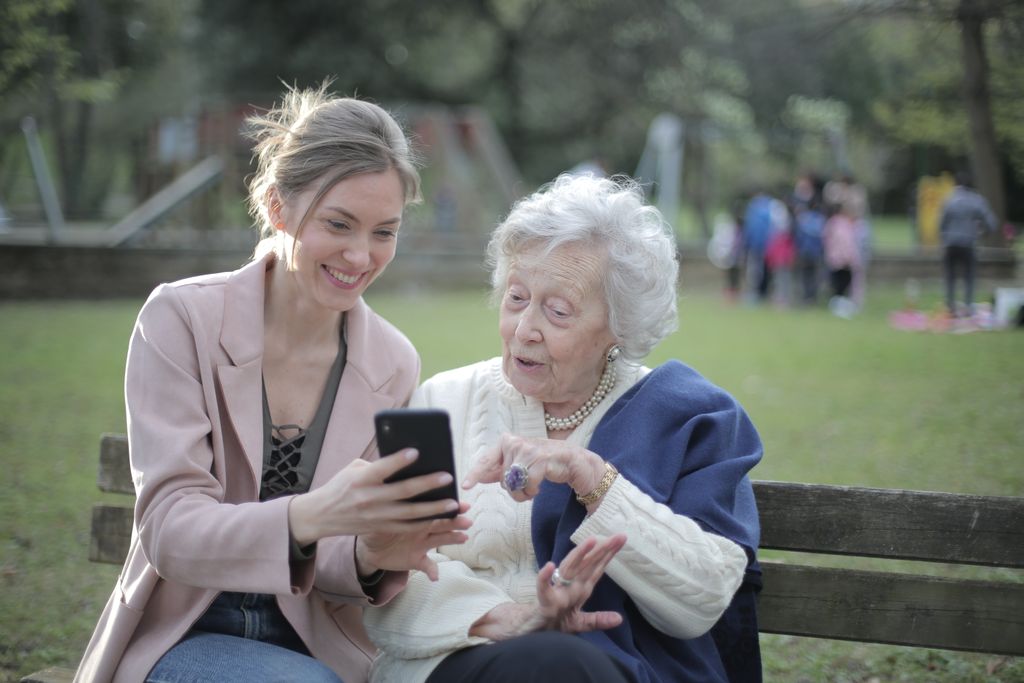
Many caregivers feel like they should be able to handle everything themselves. Unfortunately, trying to do it all often leads to exhaustion.
Family members, friends, neighbors, and community organizations may be more willing to help than you realize. Sometimes people simply don’t know what you need. Instead of saying, “Let me know if you can help,” try making a specific request such as:
- Picking up groceries
- Driving to a medical appointment
- Staying with your loved one for a few hours
- Preparing a meal
Accepting support doesn’t mean you’re failing. It means you’re building a sustainable caregiving plan.
3. Use Technology to Lighten the Load
One of the biggest reasons caregivers struggle to take breaks is worry. What if something happens while I’m away? What if they need help? What if I miss an emergency? Modern caregiving technology can help answer those concerns.
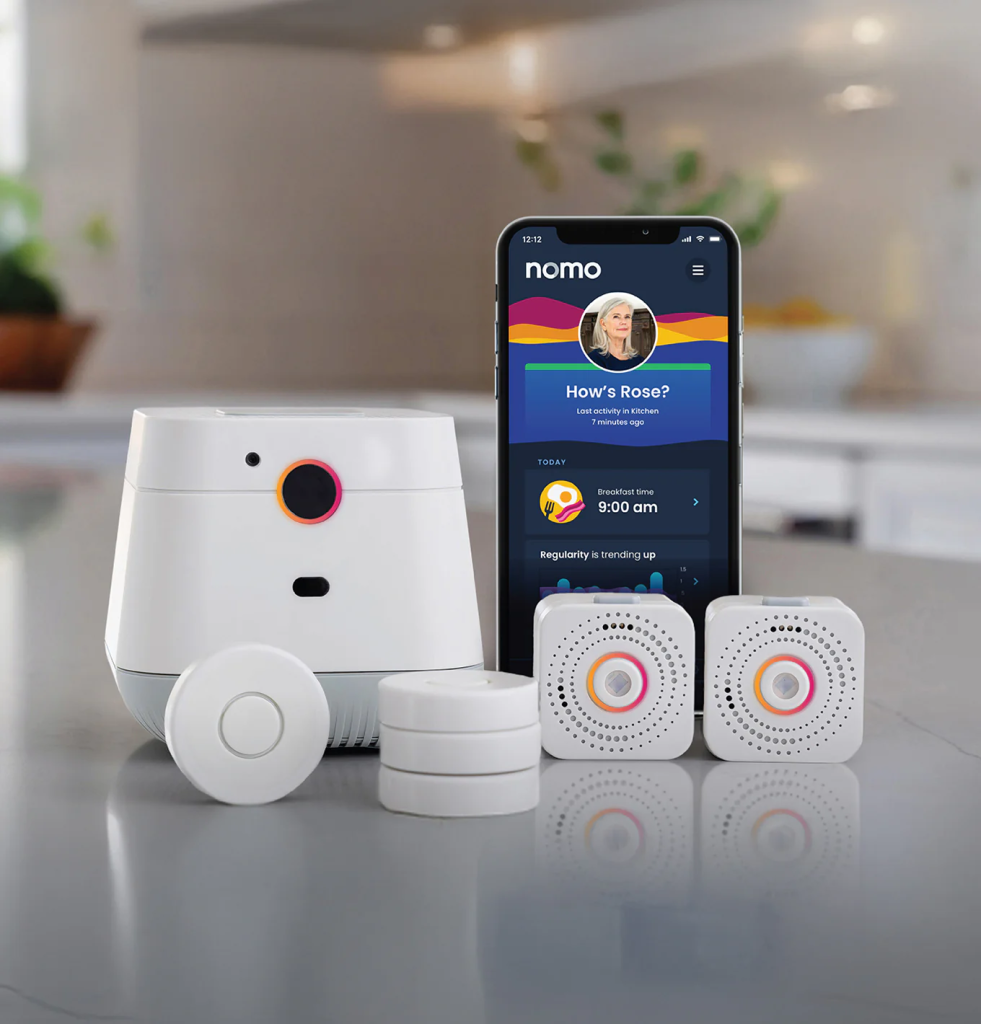
A home monitoring system like Nomo Smart Care gives caregivers greater peace of mind by helping them stay connected to their loved one’s daily activity without being physically present at all times.
Unlike camera-based systems that can feel intrusive, Nomo uses discreet motion sensors to monitor activity throughout the home. If unusual patterns occur—such as prolonged inactivity or changes in routine—caregivers can receive notifications directly on their smartphones.
This means you can run errands, attend appointments, enjoy dinner with friends, or simply take some much-needed time for yourself while still feeling informed about your loved one’s well-being. Technology can never replace human connection, but it can reduce the constant worry that often prevents caregivers from stepping away.
4. Practice Quick Stress-Relief Techniques Throughout the Day
You don’t need an entire weekend away to recharge. Sometimes just a few minutes can make a noticeable difference. When stress starts to build, try deep breathing exercises, a short walk outside, or spending five minutes with a Guided Mental Health & Stress Relief Journal to safely process your thoughts.
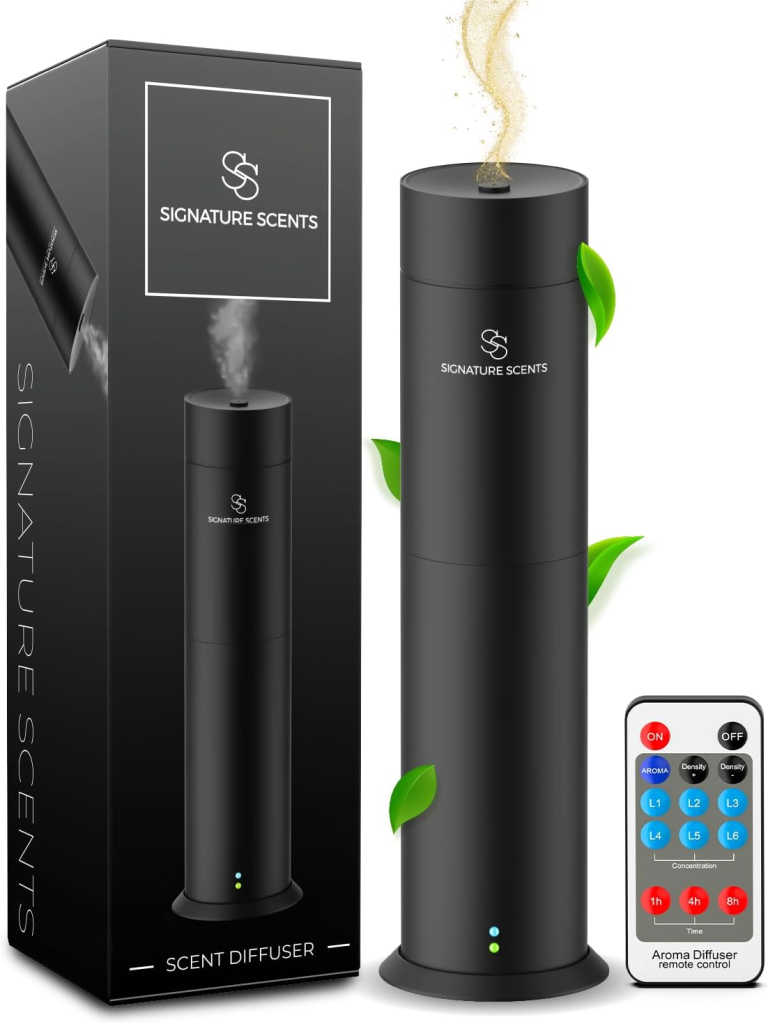
You can also use sensory triggers to quickly reset your nervous system, like filling your environment with calming scents using an Ultrasonic Essential Oil Aromatherapy Diffuser.
These small moments help reset your mind and reduce the tension that naturally accumulates throughout the day. Many caregivers underestimate the power of short breaks, but even five minutes focused on yourself can improve your energy and emotional resilience.
5. Create Simple Rituals That Help You Recharge
Think about the activities that make you feel like yourself again. Maybe it’s reading a novel before bed, gardening on the weekend, or watching your favorite show.
If your favorite ritual is enjoying a quiet morning coffee or tea before everyone else wakes up, you know how frustrating it is to get pulled away to help your loved one, only to return to a cold drink. You can keep your beverage perfectly warm even when duty calls by using an Electric Desktop Mug Warmer.
If your home is busy and you need to block out external environmental stress to truly focus on your ritual, try listening to your favorite music or a calming podcast using a reliable pair of Noise-Canceling Wireless Earbuds.
The key is consistency. When self-care becomes part of your routine instead of an occasional luxury, you’re more likely to maintain your emotional and physical health over the long term. And when you feel better, your loved one benefits too.
6. Create a “10-Minute Respite Kit”

When you only have a few minutes to yourself, you need to trigger your body’s relaxation response fast. Create a literal box or basket of comfort items that are reserved only for your breaks.
You can melt away physical tension and shoulder knots instantly by keeping a Weighted Neck and Shoulder Heating Pad in your personal break basket. Pair this with a luxury hand cream or a favorite dark chocolate bar, and you have an instant oasis waiting for you whenever you get a brief moment to step away.
7. Outsource One Small Weekly Task
Asking family for help is wonderful, but sometimes it’s easier to leverage external services to take a repetitive task off your plate entirely.
Consider outsourcing meal preparation, signing up for a grocery delivery subscription, or hiring a local laundry service once a week. Reclaiming just two hours from mundane household chores gives you a dedicated, predictable window to step away guilt-free.
Why Taking a Break Helps Your Loved One

Many caregivers feel guilty about stepping away because they worry they’re putting their loved one second. In reality, the opposite is often true.
A rested caregiver is more patient, attentive, and emotionally available. Taking time to recharge allows you to provide better care while protecting your own health.
Think about the airline safety instruction we hear before every flight: put on your own oxygen mask before helping others. The same principle applies to caregiving. You cannot pour from an empty cup.
Finding Peace of Mind While Taking Time for Yourself
One of the greatest challenges caregivers face is balancing independence and safety. You want your loved one to maintain their dignity and freedom, but you also want reassurance that they’re okay.
That’s where solutions like Nomo Smart Care can help. By providing discreet home activity monitoring without cameras or wearable devices, Nomo helps families stay informed while respecting privacy.
Caregivers gain confidence knowing they’ll be alerted to unusual activity patterns, allowing them to focus on work, family, errands, or personal time without constant worry. For many families, that peace of mind is invaluable.
Final Thoughts

Caregiving is an extraordinary act of love, but it shouldn’t come at the expense of your own well-being. Taking a break is not selfish. It’s one of the most important things you can do for yourself and for the person who depends on you.
Whether you schedule daily “me time,” ask for help, practice stress-relief techniques, or use supportive technology like Nomo Smart Care, every step you take toward reducing stress makes caregiving more sustainable.
Remember: caring for yourself is part of caring for your loved one.
Frequently Asked Questions About Taking a Caregiver Break
Why do caregivers feel guilty about taking a break?
Many caregivers feel entirely responsible for their loved one’s well-being and worry that stepping away means they aren’t doing enough. In reality, taking regular breaks helps prevent deep burnout and actually improves the quality of care they provide.
How often should caregivers take a break?
Caregivers should try to schedule small, micro-breaks every single day and longer periods of respite care whenever possible. Consistent downtime is vital to maintain both physical and emotional stamina.
What should I put in a caregiver respite kit?
A great respite kit focuses on quick sensory relaxation. Consider adding items like a Weighted Neck and Shoulder Heating Pad, a Guided Mental Health & Stress Relief Journal, soothing essential oils, high-quality hand lotions, or your favorite gourmet snacks.
What chores are easiest to outsource for family caregivers?
Meal preparation and grocery shopping are the easiest and most impactful tasks to outsource. Utilizing meal delivery kits or grocery delivery apps can instantly save a caregiver several hours of labor every single week.
What are the signs of caregiver burnout?
Common signs include chronic physical fatigue, increased irritability, anxiety, difficulty sleeping, feeling a sense of dread or overwhelm, and losing interest in activities you once enjoyed.
Is self-care really important for caregivers?
Yes. Self-care is a medical necessity, not a luxury. It helps caregivers keep their immune system strong, manage chronic stress, and maintain the emotional energy needed to support their loved ones effectively.
What are some quick stress-relief techniques for caregivers?
Deep breathing exercises, intentional stretching, short walks outside, and listening to favorite music through Noise-Canceling Wireless Earbuds can dramatically reduce cortisol and improve focus in just five minutes.
How can I find time for myself as a caregiver?
Start small by scheduling personal time directly on your calendar just as you would a crucial doctor’s appointment. Treat it as completely non-negotiable. Even 15 to 30 minutes a day makes a massive compound difference.
Should caregivers ask family members for help?
Absolutely. Caregiving is rarely sustainable when handled entirely alone. Family members, friends, and local community resources can provide valuable logistical support and give caregivers much-needed time to step away.
How can technology help caregivers take a break?
Technology provides remote monitoring, smart alerts, and real-time insights into a loved one’s daily routine, significantly reducing the need for constant visual check-ins and hands-on supervision.
What is Nomo Smart Care?
Nomo Smart Care is a cutting-edge home monitoring system for seniors that uses motion-based technology to help caregivers stay informed about their loved one’s activity while fully respecting their privacy.
Can a home monitoring system reduce caregiver stress?
Yes. A home monitoring system provides constant peace of mind by instantly alerting caregivers to unusual activity patterns, helping them feel completely comfortable taking time for themselves while staying connected.