
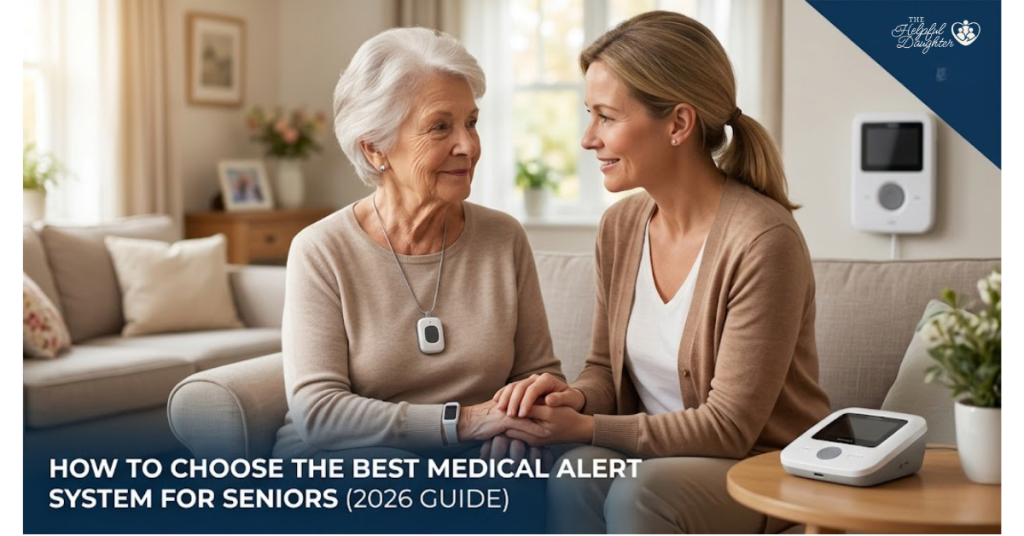
Most people don’t think about emergency response until they need it. But for seniors living independently, maintaining peace of mind is just as important as staying active.
While daily habits keep you moving, choosing the right medical alert systems for seniors ensures that even a small accident—like a sudden slip or dizziness—doesn’t compromise your independence.
These devices are designed to connect you to emergency help instantly, bringing a layer of 24/7 confidence that makes everyday life easier.
Understanding How Medical Alert Systems Work
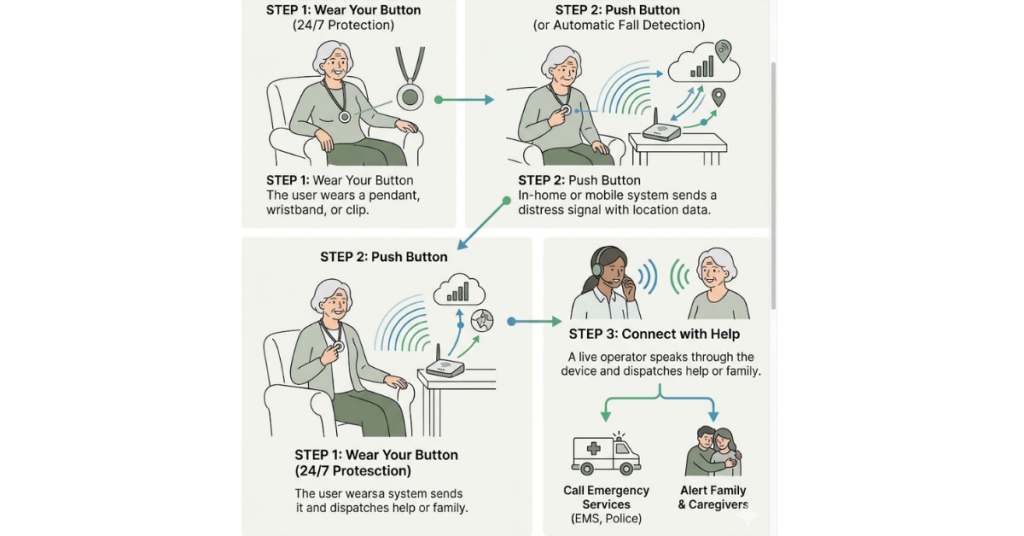
Think of a medical alert system as a direct, 24/7 lifeline to help when you’re completely on your own. Instead of trying to fumble with a locked smartphone screen or rushing to find a phone during a scary moment, you simply wear a lightweight button.
It could be a sleek pendant around your neck, a wristband, or a small clip on your belt. The second you press that button, it immediately rings a live monitoring center. Within moments, a real, trained operator is speaking to you through a two-way voice connection, ready to check on you and either call your family or dispatch emergency services.
Depending on your lifestyle, these systems adjust to protect you wherever you go. If you mostly stay inside, in-home systems use a plug-in base station to cover your living space. If you love running errands or gardening, mobile systems use cellular networks and built-in GPS tracking so operators can pinpoint exactly where you are if you need help on the go.
The biggest game-changer by far is automatic fall detection. Using smart sensors, these devices can actually tell if you’ve suffered a hard, sudden fall and will automatically call for help—even if you’ve been knocked unconscious or can’t reach the button yourself. It’s not about losing your independence; it’s about having a quiet, reliable safety net in the background so you can keep living life on your own terms.
In-Home vs. Mobile Systems: Which Fits Your Life?
Choosing a medical alert system doesn’t have to be overwhelming. It really comes down to one simple question: Where do you spend most of your time? Let’s break down the two main options so you can find the perfect fit for your routine.
In-Home Systems
Best for HomebodiesThese systems rely on a central base station plugged into your home. They protect you while you’re inside or relaxing in the immediate backyard.
- Perfect for: Seniors who spend the majority of their time at home.
- The Big Perks: Lower monthly costs, incredibly simple setup, and zero need to worry about recharging a battery daily.
- Keep in mind: They only work within a certain range of the base station (usually 300 to 1,000 feet).
Mobile Systems (GPS)
Best for On-The-GoThese are lightweight, wearable devices that go everywhere you do, using nationwide cellular networks and built-in GPS tracking.
- Perfect for: Active seniors who love gardening, running errands, walking, or traveling.
- The Big Perks: True peace of mind anywhere in the country. Operators can pinpoint your exact location if you need help.
- Keep in mind: They have a higher monthly fee and require regular charging (just like a smartphone).
Fall Detection: A Feature That Can Make a Real Difference
If there is one modern upgrade worth adding to a medical alert system, it’s automatic fall detection. It works quietly in the background using intelligent smart sensors that can spot the difference between you sitting down quickly on the couch and suffering a sudden, hard fall. If the device detects a real impact, it immediately sends out an alert for help. This is an absolute game-changer because it means if you are knocked unconscious, disoriented, or simply can’t reach your button, the system still has your back.
That said, it is important to have realistic expectations. No technology is 100% perfect. There might be times a very soft slump against a wall doesn’t register, or a sudden, aggressive movement—like dropping your pendant on a hard kitchen tile—triggers a false alarm. But even with those minor quirks, the sheer peace of mind it offers makes it an invaluable layer of protection.
When you are looking at different devices, keep an eye out for features labeled as automatic fall detection included or AI motion sensing alerts to ensure you’re getting this life-saving backup.
Battery Life and Charging Convenience
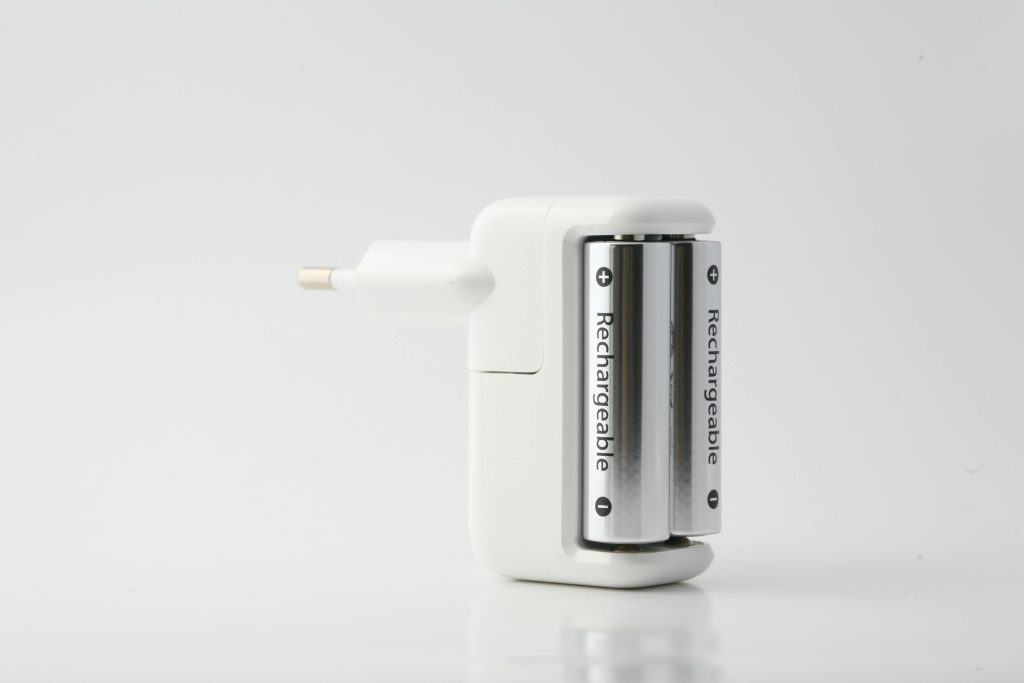
A medical alert device is only as good as the power keeping it running, which is why battery life is a feature you can’t afford to overlook.
When you are looking at different options, you want to find a system that offers a reliable 24–72 hour battery backup so it keeps working even during a home power outage.
For everyday use, look for devices that come with magnetic charging cradle alert devices or simple, drop-in charging docks that are easy to use. The best setups also feature built-in low-battery voice alerts that literally tell you when it’s time for a top-off.
If you are picking a mobile unit, choosing long-life battery pendants or emergency systems with 5+ day standby modes means less time spent worrying about a dead device and more time living life. At the end of the day, the easier a device is to charge, the more likely it is to stay powered and ready when it matters most.
Comfort and Wearability Matter More Than Features
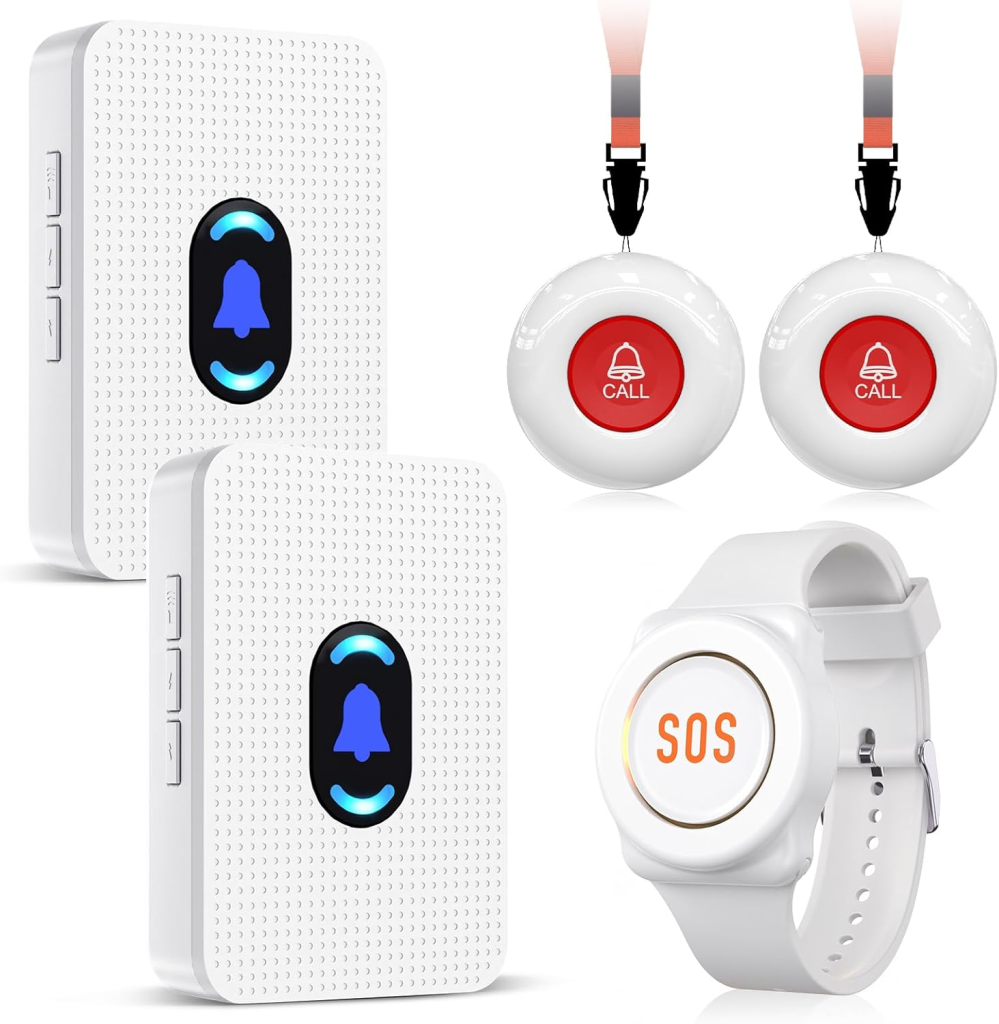
Here is a piece of advice many reviews skip over: if a device isn’t comfortable, it is going to end up sitting on a nightstand instead of being worn.
Medical alert systems come in several styles to match different preferences, including classic neck pendants, discreet wristbands, secure clip-on devices, and even modern, high-tech smartwatch-style systems.
Every style has its own pros and cons, but your personal comfort should be the ultimate deciding factor.
For the best experience, look for lightweight pendant alert devices or systems made with a soft silicone strap wearable alarm that won’t irritate your skin. It is also incredibly smart to opt for waterproof wristband systems or pendants.
Because a massive percentage of household slips occur in the bathroom or shower, having a device that can safely get wet ensures you are protected in the exact moments you are most vulnerable.
6. Range and Coverage Area

Understanding how far your device can actually reach is essential for matching it to your daily routine.
If you choose an in-home system, the “range” determines how far you can step away from the physical base station before losing your connection.
While a short range is perfectly fine for a small apartment, you’ll want to look for houses: look for 300–1000 ft range systems or extended-range home base alert systems if you live in a larger property or want to make sure you are covered while working in the garage.
On the other hand, if you like to leave the house frequently, your protection relies entirely on cellular network strength.
Active seniors should focus on nationwide GPS cellular emergency devices or hybrid home + mobile combo systems. These ensure that whether you are just stepping out to the mailbox or traveling across the country, your device can always find a signal and get you help.
Two-Way Communication Features
When an emergency happens, the last thing you want is to feel like you’re shouting into the void.
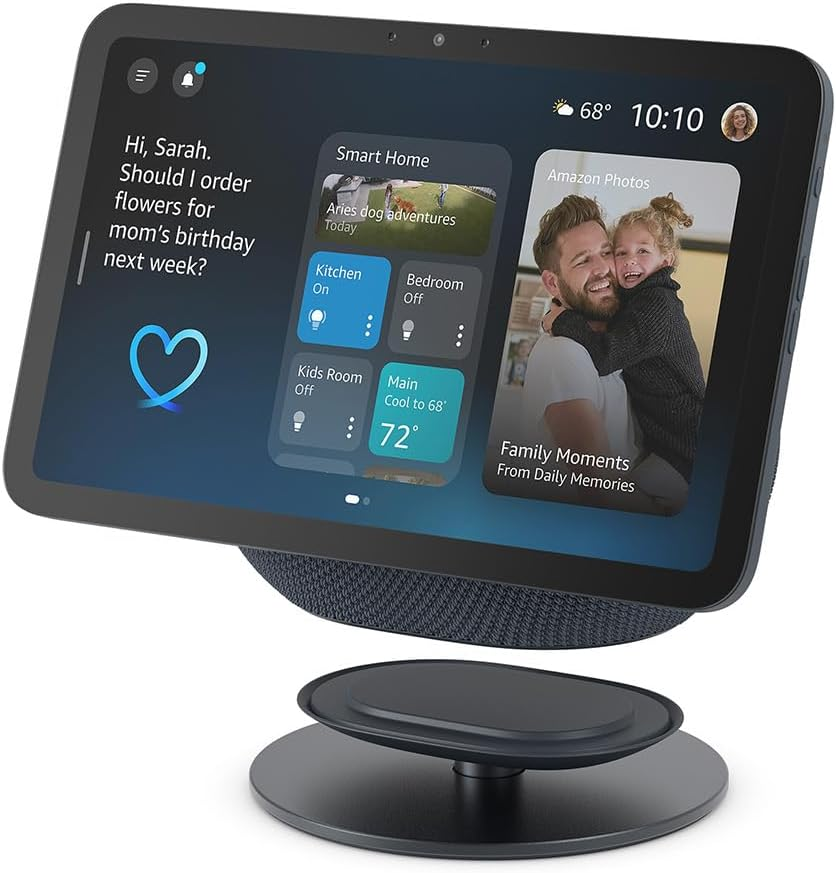
Many modern systems feature direct, two-way communication built right into the equipment, which can be an incredibly reassuring safety net if you live alone. The second you press your button, a live, trained operator speaks to you immediately through the device itself. You don’t have to track down a phone or panic if you can’t get up; you simply explain the situation out loud, and they handle the rest.
When you’re shopping around, look for systems equipped with built-in speaker and microphone devices or options marketed with a “hands-free emergency voice link.”
If you’re opting for a traditional in-home unit, prioritizing base stations with loudspeaker capability ensures you can clearly hear and be heard from another room. At the end of the day, clear, crisp audio quality matters far more than flashy extra settings.
Family Monitoring Apps
Medical alert systems aren’t just a comfort for seniors; they are a massive weight off the shoulders of adult children and caregivers, too.
A lot of newer setups include dedicated smartphone apps designed to keep your family plugged into your safety without invading your daily privacy.
These apps are packed with helpful features that give everyone peace of mind. For instance, family members can access GPS trackers with mobile app dashboards to check your real-time location if you aren’t answering your phone.
They can also receive instant emergency alerts sent straight to their smartphones if your button is pressed, monitor your device’s daily battery status, or check basic activity logs to ensure you’re up and moving.
Opting for these family-connected alert systems turns a solo safety device into a shared, supportive network for the whole family.
Monthly Costs and What You’re Really Paying For
What Your Monthly Fee Covers
Your subscription isn’t just for hardware; it keeps the vital infrastructure running 24/7:
- 24/7 Monitoring: Live, certified operators ready to answer instantly.
- Cellular Network Service: Built-in SIM connectivity without needing a personal cell plan.
- GPS Real-Time Tracking: Keeps location tracking live for emergency responders.
- Ongoing Support: System diagnostics, software updates, and customer care.
Typical Industry Rates
Basic Home Systems
Standard plug-and-play protection
GPS Wearable Systems
On-the-go tracking & active cellular links
Fall Detection Add-ons
Smart sensor integration
Best Types of Medical Alert Products to Consider
Here are the most common and useful product types people actually use:
Wearable Pendants
Simple, lightweight, and always accessible. Designed to be worn comfortably around the neck for instant, 24/7 access to help.
Smartwatch Emergency Systems
Combines reliable emergency alerts with modern features like health tracking, step counters, and built-in GPS capabilities.
Home Base Systems
Reliable, plug-and-play indoor protection equipped with high-volume loudspeaker units so you can be heard from any room.
Waterproof Alert Devices
Engineered safely for bathrooms and showers—the exact high-risk locations where the vast majority of household slips occur.
Choosing the Right System for Your Lifestyle
There isn’t one perfect medical alert system for every senior. The best choice depends on your lifestyle, daily routine, and personal comfort.
Before deciding, consider a few important questions:
- Do I spend most of my time at home?
- Am I often out on my own?
- Would I feel comfortable wearing a bracelet or pendant every day?
- Do I want family members to have access to alerts or monitoring?
The most effective system is the one that fits naturally into your routine and gets used consistently. In many cases, a simple device that you wear every day is far more valuable than a feature-packed system that ends up unused in a drawer.
Final Thoughts on Medical Alert System
When it comes down to it, looking into a medical alert system isn’t about limiting your parents’ freedom—it’s about fiercely protecting it.
We all want our moms and dads to hold onto their beloved daily routines, whether that means tending to the backyard garden, running errands around town, or just enjoying the quiet comfort of their own living room. But as they age, the quiet worry in the back of our minds grows a little louder.
Investing in a reliable device gives you both something invaluable: the confidence for them to live independently and the profound peace of mind for you knowing that a dedicated safety net is always in place.
The best system isn’t the one with the most confusing bells and whistles; it’s simply the one that fits naturally into their everyday life, feels comfortable to wear, and makes them feel secure. After all, keeping them safe while honoring their independence is the greatest gift we can give them.
Frequently Asked Questions
Will a medical alert system work if the power goes out?
Yes, you don’t have to worry about a sudden blackout cutting off your lifeline. Most traditional home base stations come equipped with a built-in battery backup that keeps the system running smoothly for anywhere from 24 to 72 hours until the power returns. For mobile cellular devices, as long as the wearable unit itself was charged before the outage, it will continue to connect to nationwide networks without a hitch.
Can my family see my location all the time with a GPS system?
Modern family monitoring apps are designed to strike a perfect balance between safety and personal privacy. While these systems use advanced tracking to pinpoint your exact coordinates during an emergency, your family members won’t be staring at a live, creeping dot all day long. Instead, the mobile dashboard gives them a comforting way to check in on your general safety, view recent activity logs, or see if your device is running low on battery.
Does automatic fall detection catch every single fall?
While automatic fall detection technology is incredibly advanced and utilizes highly sensitive motion sensors, it is important to know that no device is 100% foolproof. It is excellent at detecting heavy, sudden impacts—the kinds of falls that are most dangerous—but a slow, gentle slide down a wall might not always trigger the sensor. Because of this, it is always best practice to manually press your emergency button if you are able to do so, treating the automatic detection as a brilliant back-up safety net.
Can I wear my medical alert button in the shower?
Absolutely, and you definitely should. A massive percentage of household slips and emergency situations take place in the bathroom due to wet, slippery surfaces. Because of this high risk, almost all top-tier emergency pendants and wristbands are designed to be completely waterproof. Keeping your device on while bathing ensures you are protected in the exact moments you are most vulnerable.