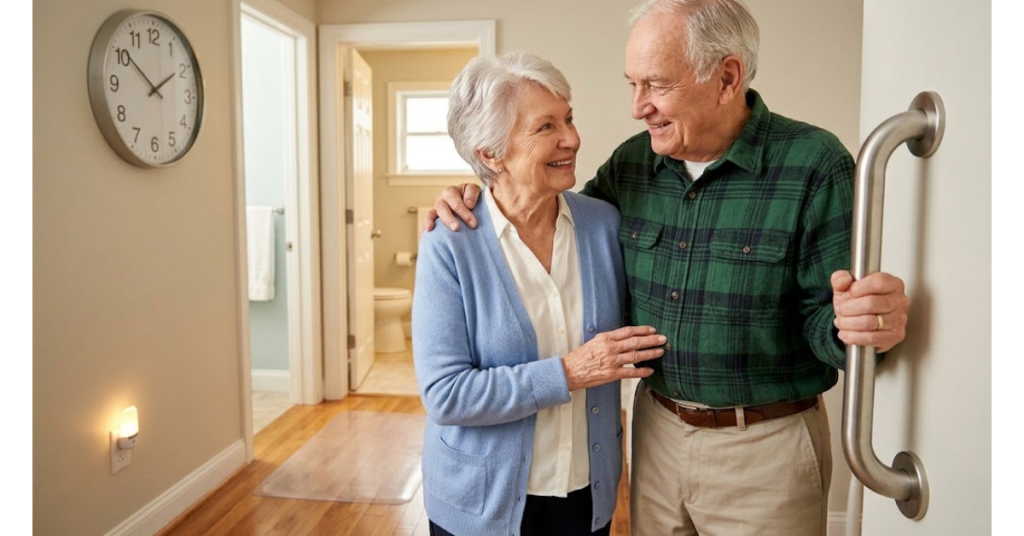
f you care for an aging parent or loved one, there is a quiet anxiety that likely follows you around: What if they fall when I’m not there?
It is one of the most common fears among family caregivers, and it is entirely justified. Falls are a leading cause of injury for older adults, often occurring during the most mundane, everyday routines—getting out of bed, walking to the bathroom at night, or reaching for a favourite mug in the kitchen.
While you cannot watch over them every second, you can significantly shift the odds in their favor. Making a home safer doesn’t require a massive, expensive renovation. Often, it comes down to addressing a few overlooked details.
Here is a practical, step-by-step approach to securing the home, minimizing risks, and restoring peace of mind for both of you.
Shed Light on the Problem
Poor lighting is a massive, underestimated contributor to accidents. As we age, our eyes require more light to see clearly, and navigating shadows or dim hallways becomes genuinely hazardous—especially during late-night trips to the bathroom.
- Upgrade the bulbs: Swap out dim or soft-yellow bulbs in hallways, stairwells, and entryways for brighter, daylight-equivalent LED options.
- Automate the paths: Install motion-activated nightlights along the route from the bed to the bathroom. This ensures they never have to grope around in the dark for a light switch.
Even small lighting upgrades can reduce confusion and improve confidence when walking around the home.
Clear the Pathways
One of the easiest ways to secure a home is simply clearing the floor. Walk through each room and view it strictly through a safety lens:
- Ditch the throw rugs: Area rugs that slide, bunch up, or have curled corners are absolute magnets for trips. Either secure them firmly with heavy-duty double-sided tape or remove them entirely.
- Manage cords and clutter: Ensure extension cords, phone chargers, and loose items like shoes or magazines are kept completely clear of walking paths.
- Widen the lanes: Rearrange furniture slightly if it creates tight, awkward squeezing points. Walkways should be wide enough to easily accommodate a walker or cane, even if they don’t use one yet.
Secure The Bathroom
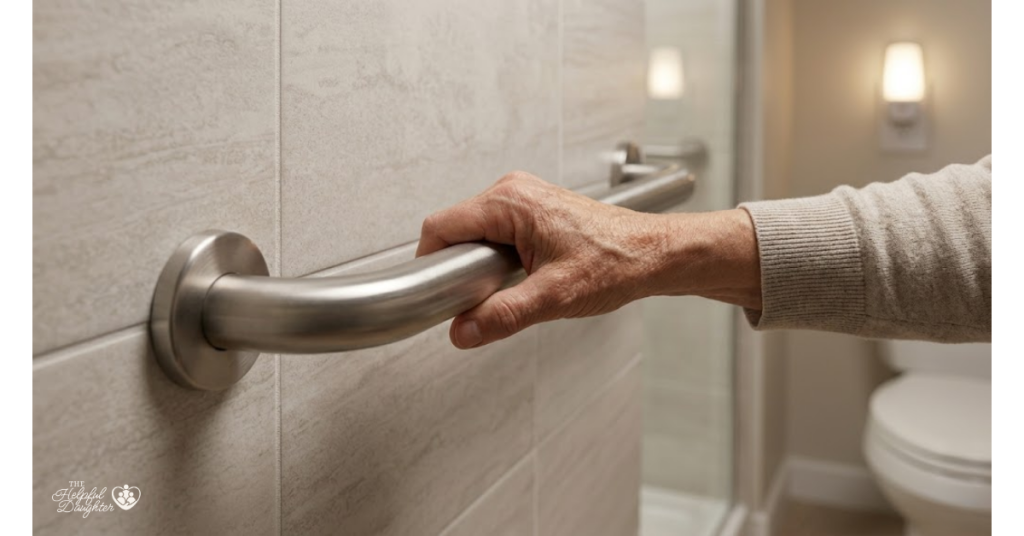
Bathrooms are one of the highest-risk areas for falls due to slippery surfaces and limited support.
Installing grab bars near the toilet and shower can significantly improve stability and bathroom safety.
Non-slip mats in the shower or tub also help reduce slipping risks. Even small upgrades here can make daily routines safer and less stressful.
Reinforce the Bedroom
Many caregivers focus on bathrooms and stairs, but a large number of falls actually happen in the bedroom.
Getting in and out of bed can be difficult for seniors with arthritis, weakness, or balance issues. This is where targeted support becomes important.
One helpful option is NSC Medical side-rail mattresses, which provide additional stability when getting in and out of bed. These types of support systems can help reduce nighttime fall risk by giving seniors something stable to hold onto during movement, especially when waking up disoriented or stiff.
For many families, this becomes a key part of nighttime safety — when falls often happen unnoticed.
Why Nighttime Falls Are So Common

Nighttime is one of the highest-risk periods for seniors. Low lighting, grogginess, medication side effects, and sudden movement after lying still for hours all increase fall risk.
Even simple actions like standing up too quickly can lead to imbalance. That’s why reducing nighttime risks is just as important as daytime home modifications.
Don’t Forget Safety Outside the Home
Fall prevention shouldn’t stop at the porch. Trips to the grocery store, medical appointments, or neighborhood walks present unpredictable terrain like uneven pavement and curbs.
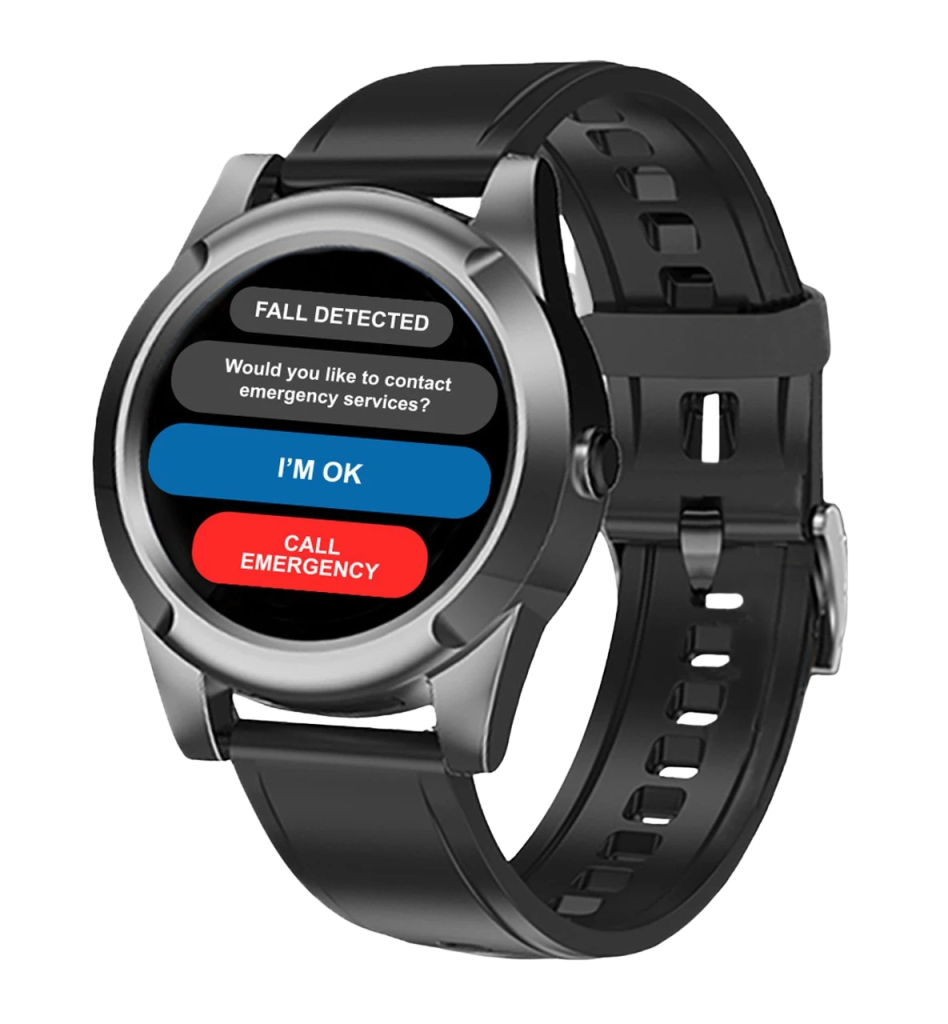
To maintain their independence without constant worry, look into wearable emergency response systems. Modern options include stylish smartwatches or discreet mobile medical alert pendants equipped with GPS and automatic fall detection. These devices ensure that if an accident does happen outside the home, help can be dispatched immediately, even if they can’t reach a phone.
Building a Complete Fall Prevention Plan
Fall prevention works best when multiple layers of safety are combined. No single tool or modification solves everything on its own.
Instead, the strongest approach usually includes:
- A safer home environment
- Better lighting and reduced clutter
- Bathroom safety improvements
- Bedroom support for mobility
- Emergency response options outside the home
When these elements work together, the overall risk of falling decreases significantly. More importantly, seniors often feel more confident moving around their own home — which also improves independence.
Final Thoughts
True safety isn’t about finding one magical product; it’s about layering different strategies together. When you combine a decluttered environment, bright lighting, targeted bathroom supports, and a reliable emergency backup system, you build a comprehensive safety net.
Ultimately, the goal isn’t to restrict their movement or make them feel fragile. It’s exactly the opposite. By proactively removing hazards, you give your loved one the confidence to move freely, maintaining their independence exactly where they want to be: at home.
Frequently Asked Questions About How to Prevent Falls in the Elderly
1. What is the most effective way to prevent falls in the elderly?
The most effective approach combines home safety modifications, mobility support, proper lighting, and assistive devices to reduce hazards and improve stability.
2. Why do seniors fall so often at home?
Common causes include poor lighting, balance issues, medication side effects, clutter, slippery surfaces, and weakened muscles or joints.
3. How can I make a home safer for an elderly parent?
Start by removing trip hazards, improving lighting, adding grab bars in bathrooms, and ensuring walkways are clear and stable.
4. Are bed falls common in seniors?
Yes. Many falls happen when getting in and out of bed, especially at night when visibility is low and balance may be reduced.
5. What are side-rail mattresses used for?
Side-rail mattress systems provide additional stability and support for seniors who need help safely getting in and out of bed.
6. Do grab bars really help prevent falls?
Yes. Grab bars significantly reduce fall risk in bathrooms by providing stable support on slippery surfaces.
7. What is a Medical Care Alert device?
It is a wearable emergency response system that allows seniors to call for help if they fall or experience a medical emergency outside the home.
8. Can fall prevention tools guarantee safety?
No tool can guarantee zero risk, but combining home safety improvements and assistive devices can greatly reduce the likelihood of serious falls.