

Finding reliable low sodium meal delivery for seniors can feel completely overwhelming when you are suddenly tasked with managing a doctor’s strict dietary restrictions.
I still remember standing in the grocery store aisle, staring at the back of a soup can with tears stinging the corners of my eyes. My dad had just come home from a doctor’s appointment with a firm instruction: cut the sodium immediately.
At first, I thought, How hard can this be? We just stop using the salt shaker. But as any caregiver quickly learns, standard grocery shelves are packed with hidden sodium. Bread, sauces, frozen dinners, and even fresh chicken can be loaded with added salt. Suddenly, preparing every meal from scratch felt like taking on a second full-time job. Between managing medications, driving to appointments, and balancing my own family, trying to cook tailored, heart-healthy dinners every night pushed me to my limit.
That breaking point was when I realized I couldn’t do it all on my own—and that asking for help didn’t make me a bad caregiver. Discovering low sodium meal delivery was the turning point our family needed.
Why the “Low Sodium” Doctor’s Order Feels So Overwhelming

When a doctor tells you that your mom or dad needs a low-sodium diet to manage blood pressure, kidney health, or fluid retention, they rarely hand you a detailed daily menu. They give you a target number—usually somewhere between 1,500 mg and 2,000 mg of sodium a day—and send you on your way.
- The Tracking Burden: Trying to track every milligram while keeping meals appealing is exhausting.
- The Taste Barrier: As we age, our taste buds naturally lose some sensitivity. If food suddenly tastes bland and uninviting, our parents simply won’t eat.
- The “Salt Police” Dynamic: The emotional weight of policing mealtime quickly takes the joy out of eating together. Nobody wants to spend their evening arguing with a parent over a slice of ham or a bowl of canned soup.
How Low Sodium Meal Delivery Changed the Game
When you’re stretched thin, finding convenient shortcuts that don’t compromise your loved one’s health is a life-saver. That is where tailored meal services come in.
Instead of spending hours prepping vegetables, measuring salt alternatives, and cooking individual portions from scratch, having pre-made, doctor-friendly meals in the fridge gives everyone room to breathe.
Using a low sodium meal delivery service isn’t about giving up on home-cooked care. It is about choosing peace of mind. You know the nutrition counts are strictly managed by dietitians, the salt content is kept within safe limits, and the food is ready in minutes without a kitchen full of dirty dishes.
What to Look for When Choosing a Service for Aging Parents
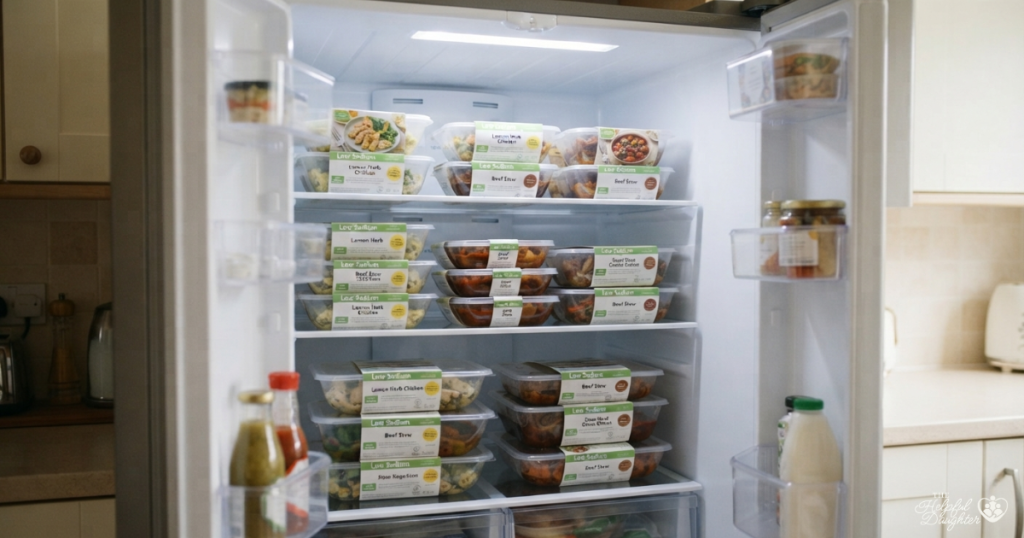
Not all food delivery options are created equal, especially when catering to older adults with specific health requirements. When you are evaluating options for your family, keep a few key details in mind:
Transparent Pricing: Caregivers need predictable costs. Look for services that break down their per-meal costs clearly and outline whether shipping or subscriptions are mandatory.
Clear Sodium Limits per Serving: Look for services that explicitly state the sodium content per meal. A good standard for a low-sodium main dish is generally under 600 milligrams of sodium per serving, though your parent’s doctor may recommend a specific target.
Simple Preparation Methods: If your parent lives independently, safety and simplicity are paramount. Look for fully prepared, heat-and-eat options that require only a couple of minutes in the microwave rather than complex meal kits that require cooking from scratch.
Flavor Without the Salt: Look for companies that emphasize flavor using herbs, garlic, citrus, and spices rather than relying on harsh salt substitutes, which can sometimes interact with cardiac medications.
At-a-Glance Comparison of Top Low-Sodium Services
| Service | Sodium Limit per Serving | Meal Style | Average Price Range | Best For |
|---|---|---|---|---|
| Under 800 mg (Sodium-Friendly Plan) | Fresh, refrigerated, heat-and-eat | Varies by plan / insurance eligibility | Seniors looking for clinical plans and potential Medicare coverage | |
| Controlled, low-sodium options | Chef-prepared, microwave-ready | Moderate per-meal pricing (no subscription required) | Caregivers wanting flexible ordering with zero long-term commitment |

Helpful Options Families Consider
When you are ready to explore options, you don’t have to navigate the choices blindly. Here are two established, reliable services that many caregiving families turn to for heart-healthy, low-sodium nutrition.
Option 1: Mom’s Meals (Sodium-Friendly Plan)

Mom’s Meals is a widely trusted choice specifically designed for older adults and individuals managing chronic health conditions. Their Sodium-Friendly Plan features meals containing 800 mg of sodium or less per serving, crafted by registered dietitians to support heart and kidney health. The meals arrive fresh (never frozen) in climate-controlled packaging and remain fresh in the refrigerator for up to two weeks.
- Why caregivers like it: It takes the guesswork out of dietary restrictions, and depending on your parent’s health coverage, some Medicare Advantage or Medicaid plans may even cover the cost.
- Check out Mom’s Meals
Option 2: Silver Cuisine by BistroMD
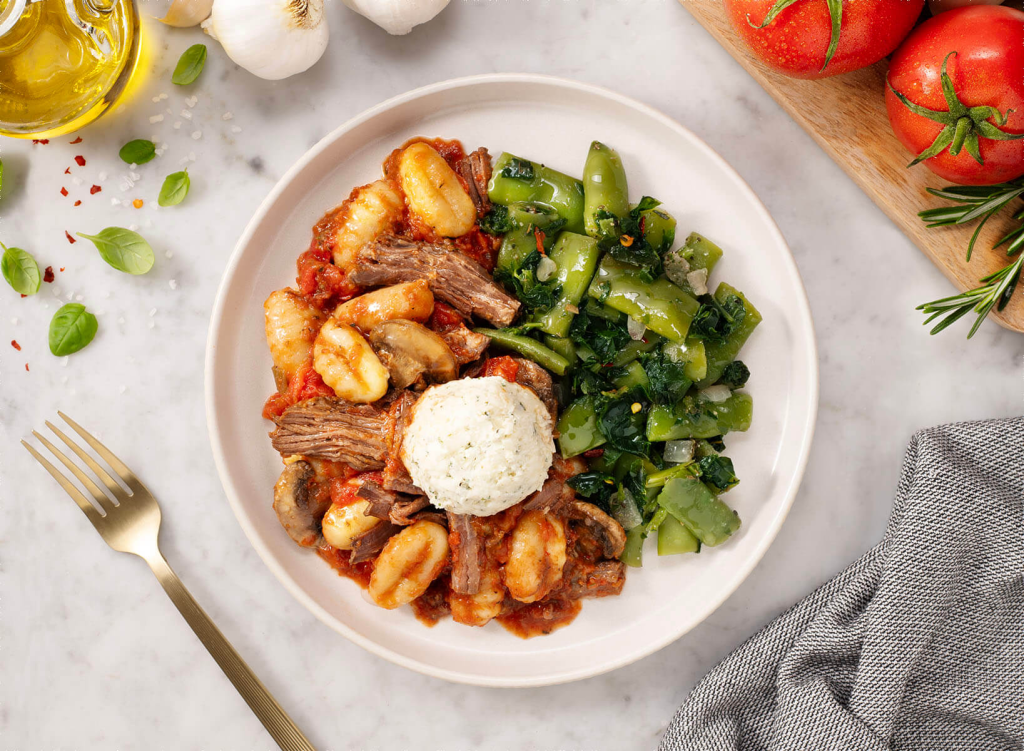
Designed specifically for seniors, Silver Cuisine offers doctor-formulated, chef-prepared meals shipped directly to your door. Their low-sodium menu options limit sodium intake while prioritizing nutrient-dense ingredients.
- Why caregivers like it: There are no long-term subscriptions required, making it easy to order a few meals at a time to supplement your parent’s weekly routine without a big commitment.
Does Medicare Cover Low Sodium Meal Delivery?
One of the most common questions caregivers ask is whether health insurance can help shoulder the cost. In some cases, yes.
Certain Medicare Advantage (Part C) plans, Medicaid programs, or local Area Agencies on Aging offer supplemental meal benefits for seniors recovering from a hospital stay or managing chronic conditions like heart failure or diabetes. It is always worth checking directly with your parent’s specific plan coordinator to see if they qualify for home-delivered nutritional support.
Final Thoughts
Caregiving is an act of deep love, but it is also one of the hardest roles you will ever take on. Taking care of your aging parents doesn’t mean you have to cook every single bite of food they eat from scratch.
Offloading the stress of meal prep to a trusted low sodium meal delivery service frees up your energy for what actually matters: spending quality, stress-free time with the people you love. Give yourself permission to make things easier on both of you.
Frequently Asked Questions
1. How much sodium is typically in a low sodium meal delivery service dish?
Most prepared low-sodium meals designed for seniors contain between 400 mg and 800 mg of sodium per serving, making it much easier to keep a daily intake within the recommended 1,500 mg to 2,000 mg range.
2. Can low sodium meal delivery be covered by Medicare?
In some cases, yes. Certain Medicare Advantage (Part C) plans, Medicaid programs, or local Area Agencies on Aging offer meal benefits for seniors recovering from a hospital stay or managing chronic conditions. It is always worth checking with your parent’s specific plan coordinator.
3. Do prepared low-sodium meals actually taste good?
Yes! Quality meal delivery companies rely on garlic, black pepper, citrus zest, onions, and fresh herbs to build rich flavor profiles without relying on heavy salt content.
4. Are delivered meals easy enough for an elderly parent to heat up?
Most prepared meal services pack their food in microwave-safe trays. Heating usually takes just two to three minutes, making it very manageable for older adults living on their own.
5. How long do delivered meals stay fresh?
Freshly delivered meals stored in the refrigerator typically stay good for 7 to 14 days, depending on the packaging technology. Frozen meal services can last several months in the freezer.
6. What is the difference between meal kits and prepared meal delivery?
Meal kits send raw ingredients and recipes that require slicing, chopping, and cooking. Prepared meal delivery services send fully cooked meals that simply need to be reheated, which is ideal for busy caregivers or aging parents.
7. How do I know if my parent needs a strict low-sodium diet?
Always consult your parent’s primary care doctor or cardiologist. Low-sodium diets are frequently recommended for individuals dealing with high blood pressure, congestive heart failure, or kidney disease.
8. Can I order low-sodium meals for just a few days a week?
Absolutely. Many families use meal delivery as a flexible tool—ordering 3 to 5 meals a week to cover dinners or busy days, while preparing simple dishes at home during the rest of the week.