

Touring senior living can feel like walking through a glossy showroom where every salesperson tells you what you want to hear. Behind the marketing brochures, choosing an assisted living facility for your aging loved one is one of the most significant and emotionally charged decisions you will make as a family caregiver—balancing your desire for their safety and happiness with their need for independence and dignity.
I understand the weight of this responsibility. Having navigated this journey with my own parents, I know how overwhelming it is. You don’t need a sales pitch; you need practical, trustworthy information. This guide equips you with the most important questions to ask assisted living facilities.
If you need extra, personalized guidance navigating your local options, free senior advisory services like A Place for Mom can also help streamline your search.
Initial Impressions and Safety Foundations
Trust your initial instincts. When you first walk into a facility, what is the overall atmosphere?
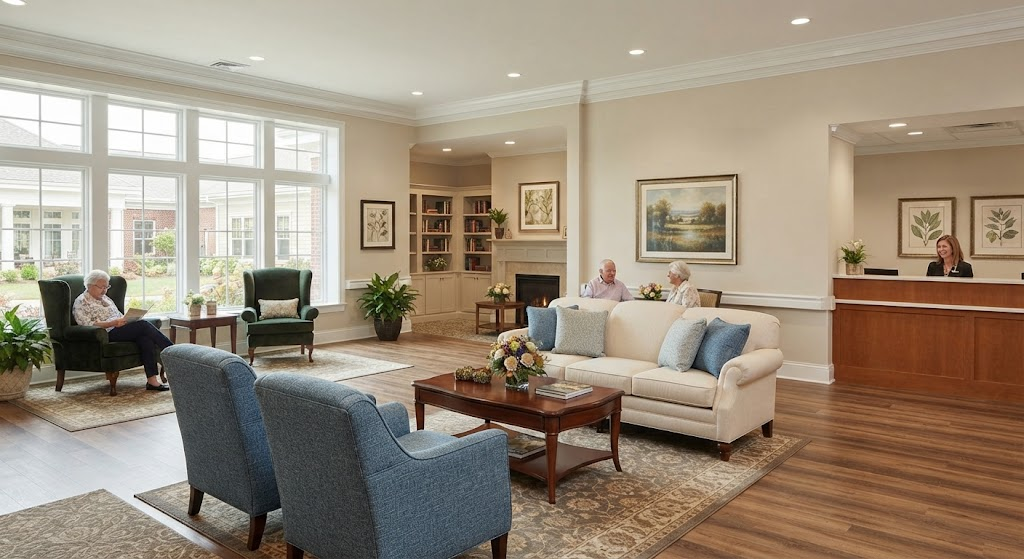
Evaluating the Environment and Atmosphere
1. What is the immediate sensory experience upon entering?
- Why it matters: A clean, odor-free environment is a basic indicator of good housekeeping. Beware of strong masking scents or persistent odors suggesting poor hygiene. Is the lighting warm and welcoming, or harsh and institutional?
2. Are current residents visible in common areas, and what is their demeanor?
- Why it matters: This is your most important visual cue. Do residents look happy and engaged, or do they appear isolated and listless? An active, social community is a very positive sign.
3. How do staff members interact with residents during daily routines?
- Why it matters: Are staff members stopping to chat or rushing past? Are they speaking to residents respectfully, or about them in front of others? Do they knock before entering apartments? These actions reveal the facility’s core culture.
4. How does the facility ensure a secure environment without feeling restrictive?
- Why it matters: Safety is paramount. Ask about exterior door locks, secure courtyards, or wander-prevention systems, and how they balance safety with resident freedom.
Assessing Building Safety and Maintenance
5. What is the policy and average turnaround time for maintenance requests?
Why it matters: You need to know how quickly a leaky faucet, broken light, or malfunctioning HVAC unit will be fixed.
6. Can you describe your fire safety systems and evacuation procedures?
Why it matters: Request to see a fire alarm pull station, ask how often drills occur, and learn how staff assists residents with mobility impairments.
7. Are apartments and common areas fully equipped with fall-prevention hardware?
Why it matters: Test the emergency call cord or button in a model apartment during your tour to see how quickly staff responds.
Quick Checklist: Red Flags vs. Green Flags

Before committing to a tour or contract, keep this quick mental snapshot handy to instantly gauge a facility’s quality:
Major Red Flags
- High annual staff turnover (above 30%) or heavy reliance on unvetted agency temps.
- Evasiveness or hesitation when asked to review transparent pricing sheets or recent state inspection reports.
- Residents left isolated in rooms or common areas with zero visible staff interaction.
- Strong masking odors throughout hallways or a lack of basic maintenance upkeep.
Positive Green Flags
- Staff greeting residents by name with warmth, patience, and visible respect for privacy.
- Transparent, itemized fee structures with clear transition thresholds.
- Robust daily activity calendars that residents are actively participating in.
- Open lines of communication with family members via dedicated portals or regular care updates.
Understanding Care and Health Services
This is where you determine if the facility can truly meet your parent’s needs, both now and in the future.

Assessing Staffing Levels and Qualifications
8. What is the actual staff-to-resident ratio during the day, evening, and overnight hours?
Why it matters: Ratios on paper can be misleading if they include administrative staff. Day shifts commonly range from 1:6 to 1:10, while night shifts drop significantly.
9. What is the annual staff turnover rate?
Why it matters: High turnover indicates low morale or inadequate training. Consistent staff lets your parent build trusting, safe relationships.
10. What are the minimum qualifications and ongoing training requirements for care staff?
Why it matters: Verify if care staff are Certified Nursing Assistants (CNAs) or Home Health Aides (HHAs) and if they receive specialized fall prevention or dementia training.
11. How does the facility handle unexpected staff shortages or emergencies?
Why it matters: Ask if they use internal on-call staff pools or rely on unfamiliar temporary agencies.
Evaluating Medication Management and Health Monitoring
12. Can you explain your medication management process and who administers them?
Why it matters: Clarify whether they provide basic assistance (reminders) or full administration (dispensed by licensed nurses or med-techs).
13. How are health status changes identified and communicated to families?
Why it matters: Ask about observation protocols and how quickly you will be notified of changes in behavior, appetite, or mobility.
14. What is your policy regarding visiting physicians, nurse practitioners, and therapists?
Why it matters: Determine if you must arrange outside transport for every medical need or if on-site clinics are available.
15. What are your procedures for managing chronic conditions like diabetes or Parkinson’s?
Why it matters: Dive into specifics regarding blood sugar monitoring, insulin handling, and skin-integrity maintenance.
Understanding Levels of Care and Transitions
16. How do you determine initial care levels, and how often are they reassessed?
Why it matters: Request a copy of their point-based assessment tool. Reassessments should happen annually or after major health events.
17. What are the strict medical or behavioral eviction criteria if my parent’s needs exceed your license?
Why it matters: Facilities legally cannot keep residents past their state licensure limits. You need to know precisely what medical thresholds or behavioral triggers force a sudden discharge.
Investigating Costs, Contracts, and Financials
Avoid any facility that is evasive about pricing transparency.

Deciphering the Fee Structure
18. What is the base monthly rent, and exactly what does it include?
Why it matters: Base rent covers the apartment, utilities, maintenance, and baseline dining. Get a clear written list.
19. What are the additional care fees, and how are they calculated?
Why it matters: Review care level pricing sheets carefully to understand how points are assigned for bathing, medication, and incontinence support.
20. What are the move-in community fees, and are they refundable if a transition out happens quickly?
Why it matters: Confirm if community fees are prorated or partially refunded if a resident passes away or needs to move out within the first 30 to 60 days.
21. How much have your rates increased annually over the past three years?
Why it matters: Typical annual increases hover between 3% and 7%. Knowing this history ensures long-term financial preparedness.
Reviewing the Residency Agreement and Policies
22. Can you provide a sample copy of the residency agreement for home review?
Why it matters: Never sign on the spot. Take the contract home to examine liability and termination clauses.
23. Can I see the most recent state survey or inspection report?
Why it matters: All licensed facilities undergo state inspections. Reviewing past deficiencies and correction plans is non-negotiable.
Exploring Lifestyle, Dining, and Amenities
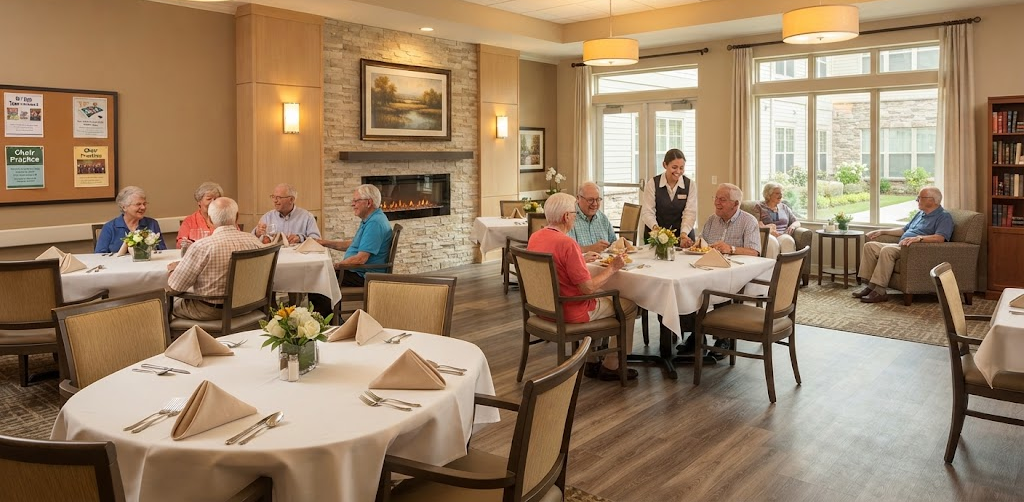
This is where you assess the “living” part of assisted living. Is this a place where your parent will feel engaged, comfortable, and happy. The atmosphere should feel like a community, not just a residence.
24. Can we sample a meal, and how do you handle special dietary needs?
Why it matters: Restaurant-style dining with daily specials gives residents dignity and choice. Confirm how kitchens handle specialized diabetic or low-sodium diets.
Assessing Activities and Social Engagement
25. Can you show me a sample monthly activities calendar and explain how staff encourages participation?
Why it matters: A packed calendar is useless if shy residents are left isolated. Ask how staff actively draws residents out of their rooms.
Technology and Family Communication Policies
Modern families expect transparency and connectedness. Make sure to evaluate how a facility bridges the distance:
26. How do you support video calls and digital connection for out-of-town family members?
Why it matters: Ask if high-speed Wi-Fi is built into the room package and if staff assists residents with setting up virtual check-ins.
27. Do you utilize family communication portals or apps for daily updates?
Why it matters: Knowing whether the community uses dedicated family apps to share care updates, daily photos, or event participation offers immense peace of mind for working or long-distance children.
Final Thoughts: Finding Peace of Mind
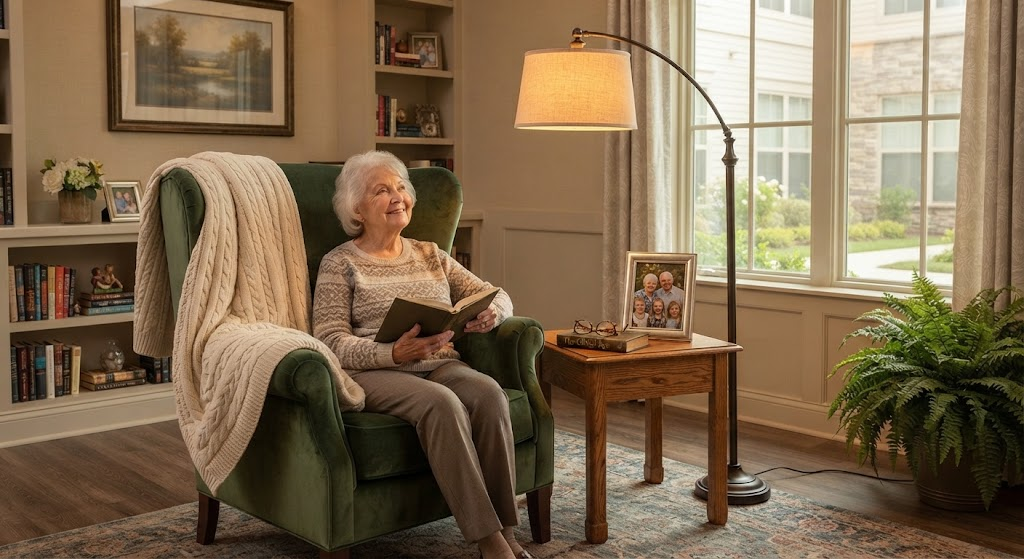
Choosing an assisted living community for your aging parent is a journey filled with complex emotions, but it is also one of the greatest acts of love and advocacy you can offer. It is completely normal to feel overwhelmed by the paperwork, the touring process, and the sheer number of options available.
Remember, you don’t need to find a “perfect” facility—because no place is entirely without flaws. Instead, focus on finding the right fit: a community where your parent feels safe, respected, and genuinely valued as an individual. Trust your instincts, lean on the insights you’ve gathered from these questions, and know that taking the time to plan ahead is a powerful step toward ensuring your loved one thrives in this next chapter of life.
Frequently Asked Questions
How early should we start looking for an assisted living facility?
It is best to start researching before an immediate crisis occurs, allowing you to calmly tour locations, review finances, and involve your parent in choices.
What is the difference between assisted living and a nursing home?
Assisted living assists with daily activities (bathing, dressing, meals) for independent seniors. Nursing homes provide 24/7 skilled clinical care and medical monitoring by licensed nurses.
Can couples with different care needs live together?
Yes. Most communities assess each spouse individually, allowing one partner to receive higher care tiers while living together in the same apartment.
What happens if my parent runs out of money while living in assisted living?
Private-pay models are standard. If funds are exhausted, options depend on state regulations and whether the facility accepts Medicaid waivers. Always clarify this policy upfront.
Are family members allowed to visit at any time?
Most facilities feature open-door policies during daytime and early evening hours, though exterior doors lock overnight for security.
Can my parent bring their own furniture and personal belongings?
Absolutely. Bringing familiar furniture and framed photos is encouraged to ease the psychological transition.
How are complaints or concerns handled after move-in?
Quality facilities feature clear grievance policies and welcome transparent feedback through executive directors, nursing directors, or resident liaisons.
Can pets move in with my parent?
Many facilities are pet-friendly, though weight limits, pet fees, and rules regarding independent pet care vary widely.