
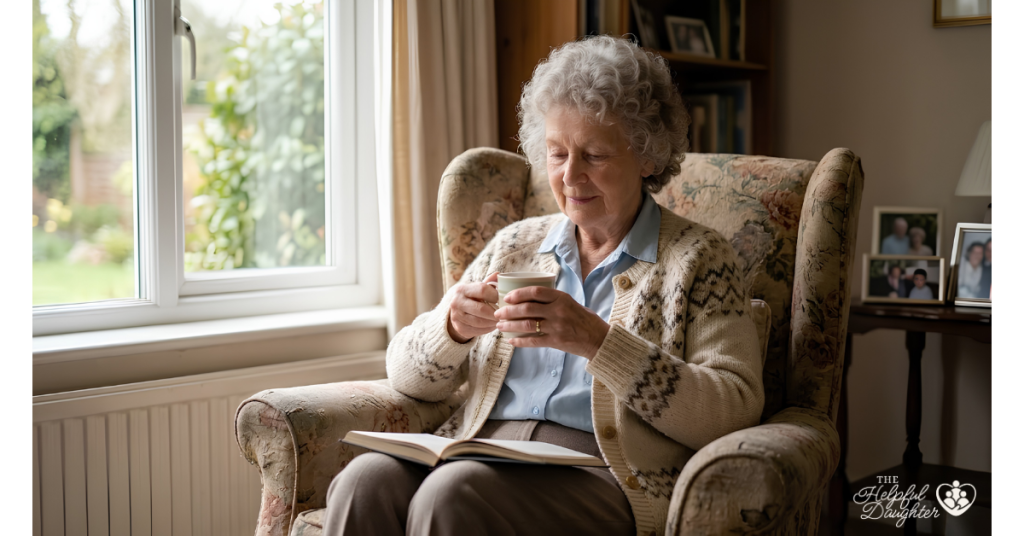
There’s a point in many families where the conversation quietly shifts. It’s no longer just about visits, phone calls, or helping with errands. It becomes about safety.
You start wondering things like:
“What happens if they fall and no one is there?”
“Would we even know right away?”
That’s usually the moment you open a browser tab and start frantically searching for a video monitoring system for elderly in the home. But here’s the part most families don’t expect..
Because while video monitoring can provide peace of mind, it also raises an uncomfortable question for many seniors:
“Am I being watched in my own home?”
It’s a heartbreaking catch-22. You aren’t trying to spy; you’re trying to prevent a tragedy. Meanwhile, your parent isn’t trying to be stubborn; they’re trying to hold onto the dignity of their own space. If you’re feeling stuck between being a caring child and feeling like a probation officer, you aren’t alone.
Why Families Look for Video Monitoring System for Elderly in the Home
The reason is simple: worry.
As parents age, risks like falls, confusion, or sudden health issues become more common. And these things often happen when no one is around.
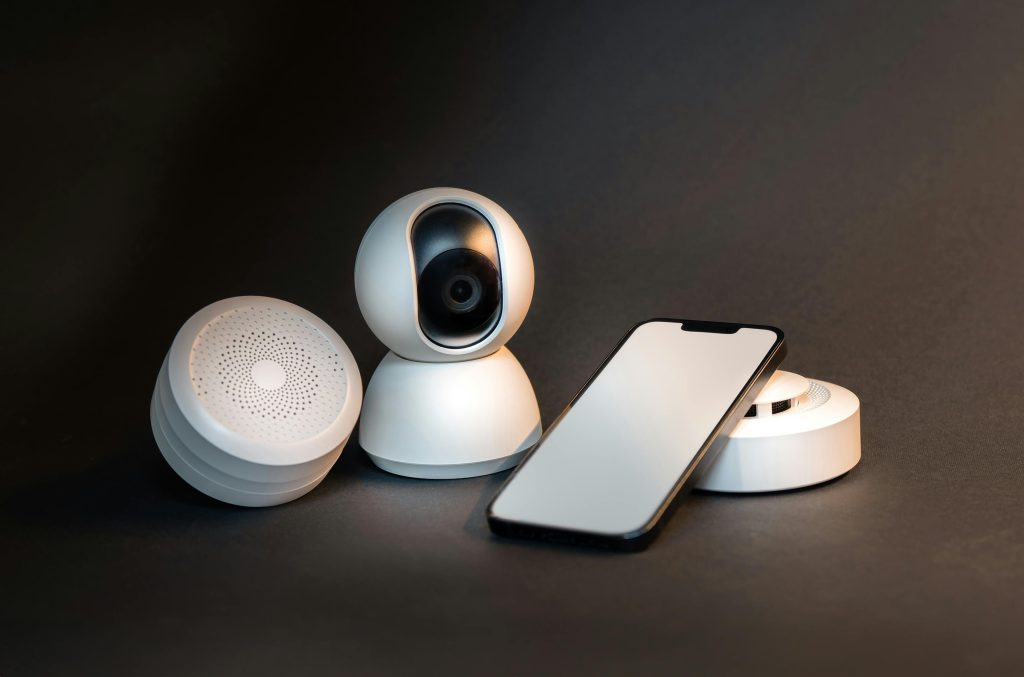
A video monitoring system seems like an obvious solution at first. You can check in anytime. You can see what’s happening. You can react quickly if something goes wrong. For many caregivers, especially adult children balancing work and family, that kind of visibility feels reassuring.
But in practice, traditional camera-based monitoring often introduces new concerns.
Why Some Seniors Resist In-Home Cameras
Even when families have good intentions, not every senior feels comfortable with cameras in their home. For many older adults, home is the last space where they feel fully independent. Adding visible cameras can feel like a loss of privacy, even if the goal is safety.
Think about it from their perspective. Imagine having a lens tracking you while you sip your morning coffee or watch TV in your slippers. It introduces a constant, nagging feeling of being watched, a fear of losing independence, and the discomfort of turning a cozy home into a monitored facility.
And even if the system is only meant for emergencies, the presence of cameras can still feel intrusive. That’s why many families start searching for alternatives that don’t rely so heavily on video.
A Modern Alternative to Traditional Video Monitoring Systems
This is where medical alert smart watches are changing the conversation.
Instead of placing cameras throughout the home, many families are choosing wearable technology that allows seniors to stay safe while maintaining their privacy.
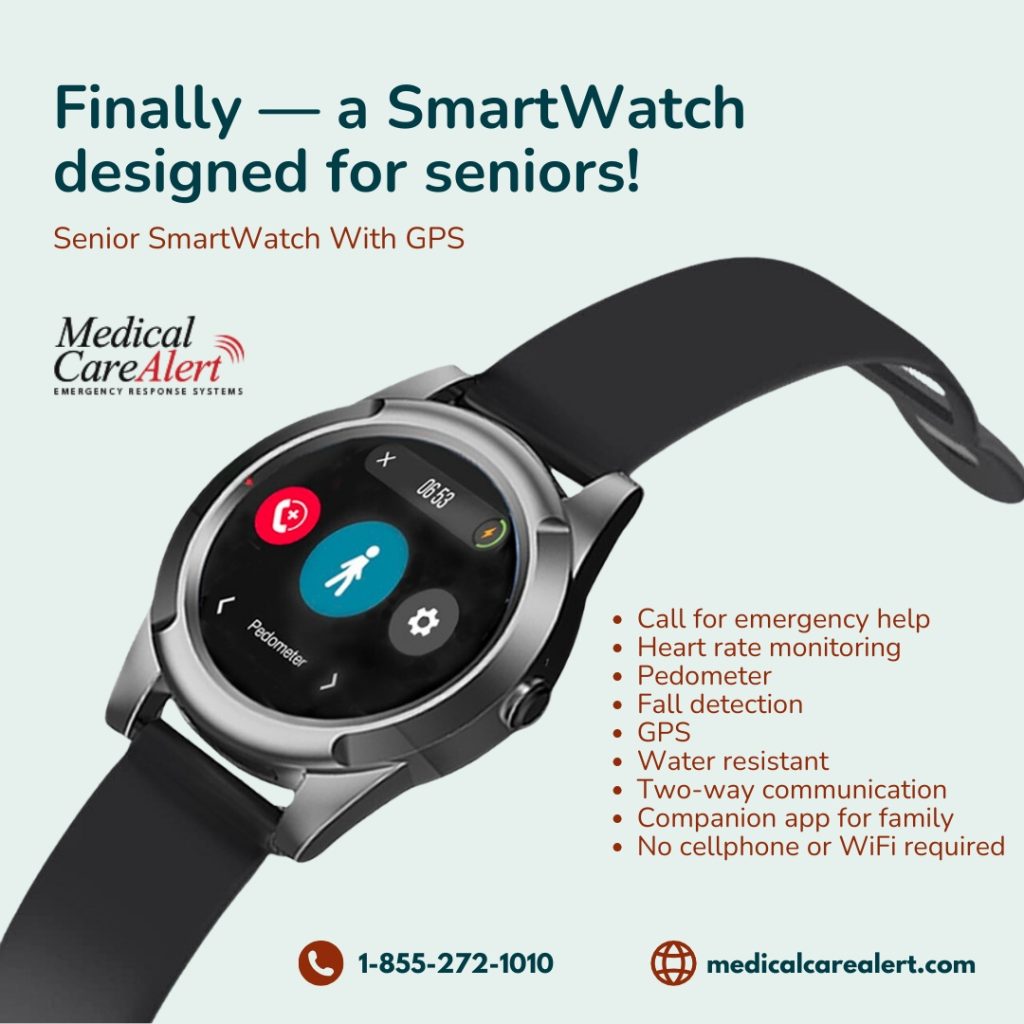
One option is the senior Medical Alert Smart Watch. Designed specifically for older adults, it provides emergency assistance at the touch of a button while also offering practical everyday features like step tracking, heart rate monitoring, weather updates, and activity goals.
Most importantly, it is the only smart watch for seniors that includes fall detection. If a fall occurs, help can be contacted quickly without requiring cameras in the home.
The goal isn’t to watch everything. It’s to make sure help is available when it’s needed most.
How A Medical Alert Smart Watch Works
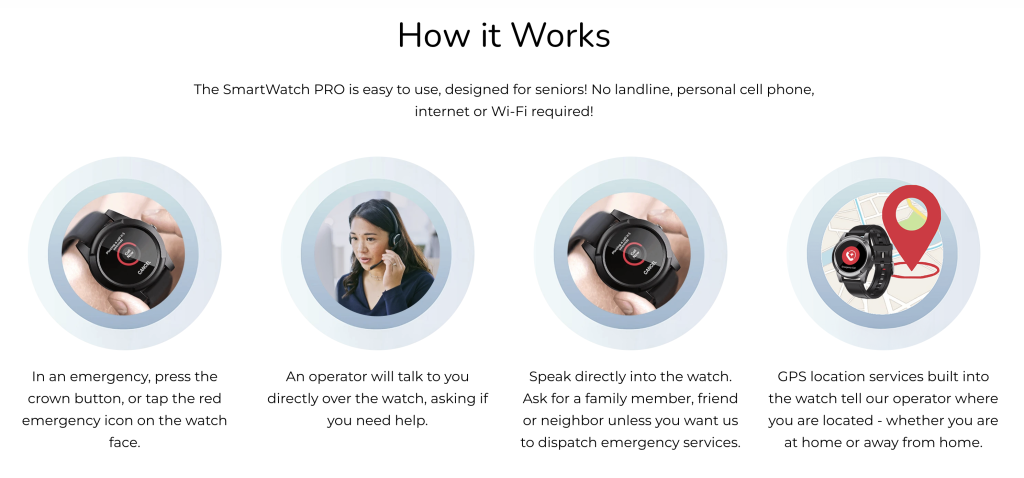
This is where the technology has finally caught up with human emotion. Instead of mounting cameras around the house, a medical alert smart watch stays with your loved one wherever they go.
The watch can monitor activity levels, track steps, monitor heart rate, and provide emergency assistance with a simple press of a button. Because it is worn on the wrist, protection continues whether your loved one is in the kitchen, the backyard, out shopping, or visiting friends.
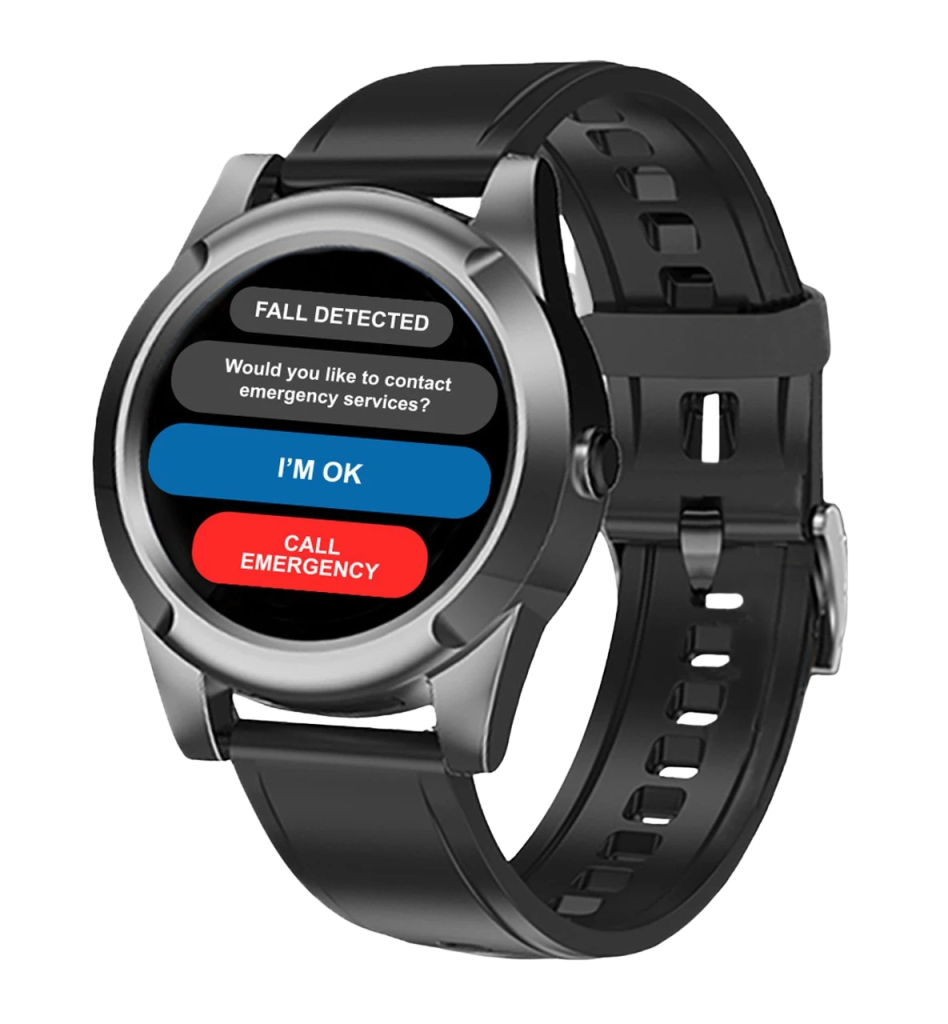
Unlike a video monitoring system for elderly in the home, a smart watch doesn’t require constant observation. There are no cameras recording daily activities and no concerns about privacy inside personal living spaces.
If something goes wrong, help is available immediately without sacrificing independence.
The challenge with any elderly monitoring solution is balance.
Families want to feel confident that their loved one is safe. Seniors want to feel like their independence is respected.
Traditional video monitoring systems lean heavily toward visibility. But newer smart home technologies lean toward subtlety.
That difference changes how the system feels in everyday life. Instead of feeling like a surveillance setup, sensor-based monitoring feels more like a quiet safety layer in the background of the home. No screens to check constantly. No cameras to manage. No daily interaction required from the senior.
Just quiet protection.
Balancing Safety and Privacy at Home
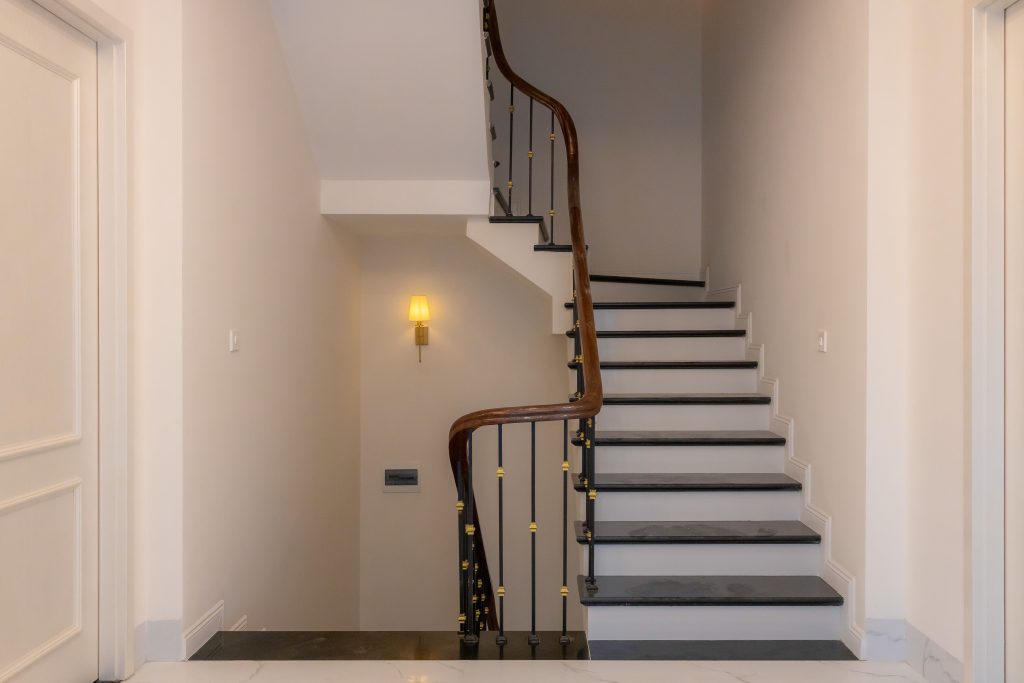
The challenge with any elderly monitoring solution is balance.
Families want to feel confident that their loved one is safe. Seniors want to feel like their independence is respected.
Traditional video monitoring systems lean heavily toward visibility. Medical alert smart watches lean toward independence.
That difference changes how the solution feels in everyday life. Instead of feeling like a surveillance setup, a smart watch becomes part of a senior’s daily routine. It provides protection without requiring cameras, screens, or constant check-ins from family members.
Just quiet protection that travels with them wherever they go.
Why Families Are Shifting Toward Medical Alert Smart Watches
More caregivers and families are moving away from traditional cameras and toward solutions like the Senior Medical Alert Smart Watch because the emotional experience matters just as much as the safety features.
It’s not just about what the technology can do.
It’s about how it feels to live with it. Seniors are more likely to embrace a wearable device than a home filled with cameras. A smart watch allows them to maintain their privacy while still giving family members confidence that emergency help is always within reach.
The watch offers features seniors can actually use every day, including step tracking, activity goals, heart rate monitoring, weather updates, and emergency assistance. Combined with fall detection, it provides a practical alternative to a video monitoring system for elderly in the home.
That balance is what makes modern wearable safety technology so appealing to today’s families.
Final Thoughts
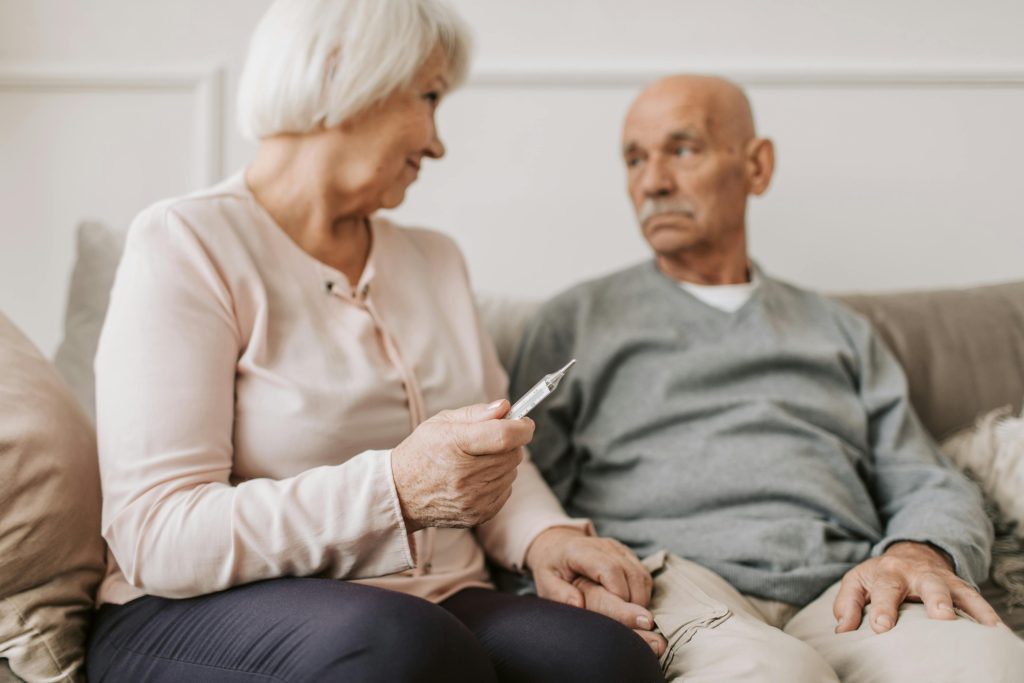
If you’re searching for a video monitoring system for elderly in the home, what you’re really looking for is peace of mind.
You want to know your loved one is safe. You want help to be available if something goes wrong. And you want to feel confident that you’re not missing something important.
But you also don’t want to take away their dignity or make them feel watched in their own home.
That’s why many families are now considering alternatives like the Senior Medical Alert Smart Watch. It provides emergency assistance, fall detection, health monitoring, and daily activity tracking without placing cameras throughout the house.
It doesn’t replace care. It supports it while preserving privacy and independence.
And for many caregivers and families, that balance between safety, freedom, and peace of mind is exactly what makes aging at home feel more manageable.
Frequently Asked Questions About Video Monitoring Systems for the Elderly
1. What is the best video monitoring system for elderly in the home?
The best solution depends on your family’s needs. While some families choose cameras, many now prefer medical alert smart watches because they provide emergency assistance and fall detection without requiring video surveillance.
2. Do elderly monitoring systems always use cameras?
No. Many seniors use medical alert devices and smart watches that provide safety features without cameras or video monitoring.
3. Is video monitoring in the home safe for seniors?
Physically, yes. Emotionally, it can be challenging. While cameras provide visibility, many seniors feel uncomfortable being watched. A medical alert smart watch offers protection while maintaining privacy.
4. What is the alternative to video monitoring systems for elderly care?
A medical alert smart watch is one of the most popular alternatives. It provides emergency assistance, fall detection, heart rate monitoring, and activity tracking without requiring cameras in the home.
5. Can elderly monitoring systems detect falls?
Yes. The Senior Medical Alert Smart Watch includes fall detection technology that can help connect seniors with assistance after a fall.
6. Do seniors need to interact with monitoring systems daily?
Very little. Most seniors simply wear the watch as part of their daily routine while it provides access to emergency assistance and health monitoring features.
7. Is a medical alert smart watch better than cameras?
It depends on the situation. For many families, a smart watch offers a better balance of safety, privacy, and independence because it protects seniors without requiring constant surveillance.
8. Why do seniors dislike in-home cameras?
Many seniors feel uncomfortable being watched in private spaces and prefer solutions that allow them to maintain their independence while still having access to emergency help if needed.