
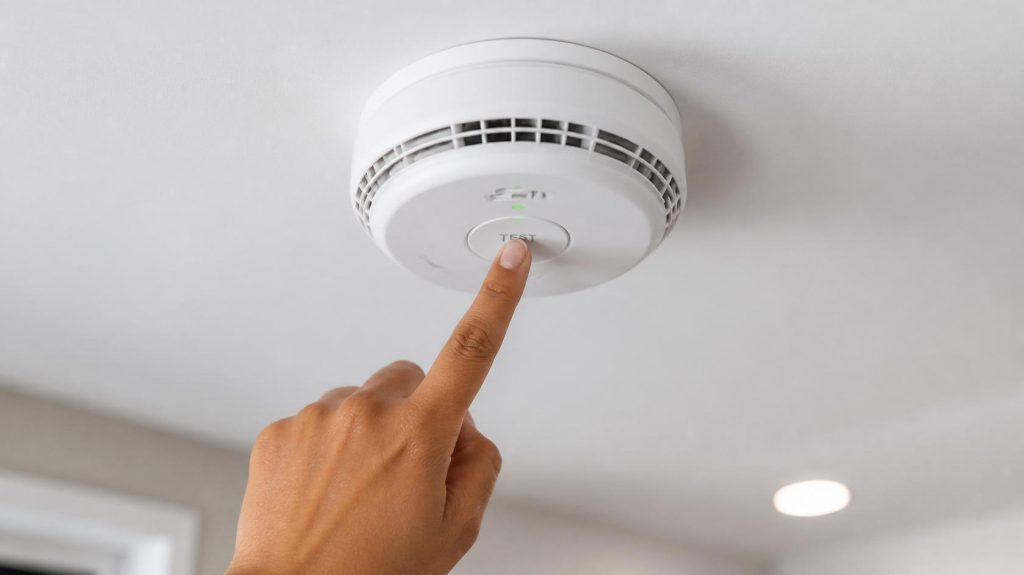
If you’ve ever cared for an aging parent or loved one, you know that peace of mind often comes from the smallest changes. We install grab bars, organize medications, and make sure emergency numbers are easy to find. But one safety upgrade many families completely overlook is the smoke alarm system itself.
For a long time, I just assumed that if one smoke detector in the house was working, my parents were protected. Then I had a terrifying realization: if a fire starts in the basement while my mom or dad is sleeping upstairs with the bedroom door closed, they might not hear that single alarm until it’s already too late.
That’s exactly why interconnected smoke alarms are one of the smartest investments you can make for an older adult living independently. Instead of just one local alarm sounding, every single detector in the home activates simultaneously. It gives our parents more precious time to react, and gives us the confidence that they’ll be alerted no matter where a fire breaks out.
Quick Summary for Busy Caregivers
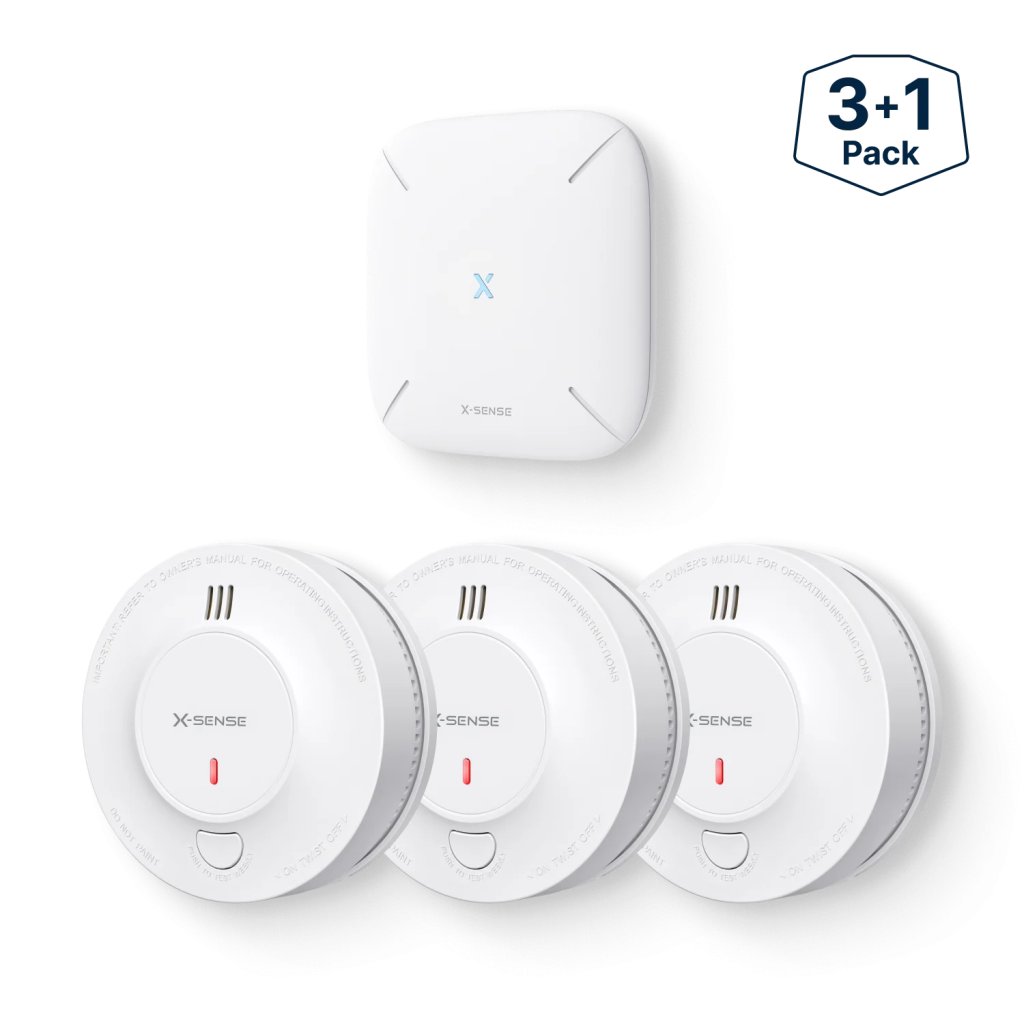
If you are short on time, the X-Sense Smart Series is our top recommendation. It links wirelessly without tricky installation and sends alerts straight to your phone—giving you peace of mind even when you’re miles away.
What Are Interconnected Smoke Alarms?
Unlike traditional smoke detectors that work independently, interconnected smoke detectors communicate with each other.
If one alarm detects smoke or fire:
- Every alarm in the home sounds immediately.
- The warning reaches every bedroom and living space.
- Occupants receive earlier notification regardless of where the fire begins.
Many newer wireless interconnected smoke alarms use radio frequency technology, meaning they don’t require complicated wiring between units. They’re often much easier to install in existing homes than hardwired systems.
Some newer smart smoke alarms even send notifications directly to your smartphone, allowing family members to stay informed even when they’re miles away.
Why Seniors Benefit More Than Anyone
Older adults often need extra time to react during emergencies. Age-related hearing loss, slower mobility, arthritis, or memory issues can all make escaping a house fire more difficult. A delay of even a minute can dramatically reduce the amount of time available to exit safely.
Unlike traditional smoke detectors that operate as lone islands, interconnected units communicate as a team. This solves several major safety hurdles:
- They reach every room: Many seniors spend most of their day in one specific area, like the living room. If a fire begins in the kitchen or garage, every alarm sounds at once to give them an early warning.
- They cut through closed doors: Closed bedroom doors reduce sound considerably. Multiple synchronized alarms sounding throughout the home are much harder to miss during deep sleep than a lone detector down the hallway.
- They support us as caregivers: If you’re helping aging parents remain independent, these systems provide a critical layer of protection without disrupting their daily life.
Wireless vs. Hardwired Systems
Choosing between wired and wireless systems depends on the home.
| System Type | Best For… | Pros & Installation |
|---|---|---|
| Wireless Interconnect | Existing or older homes; DIYers. | Simple peel-and-stick or screw installation. No electrician required. Easy to expand later. |
| Hardwired Interconnect | New builds or major renovations. | Connects to home electrical grid with battery backup. Extremely reliable but usually requires professional installation. |
Best Interconnected Smoke Alarms for Seniors
Not every smoke alarm is designed with caregivers in mind. These options offer dependable protection while making maintenance and monitoring much easier.
Features Caregivers Should Look For
When shopping around, don’t just focus on the price tag. Instead, prioritize features that make daily life easier and emergencies safer:
- 10-Year Sealed Batteries: This is a lifesaver. It completely eliminates the need for your parents to climb up on shaky chairs or ladders twice a year to change chirping batteries.
- Combination Sensors: Choosing a unit that handles both smoke and carbon monoxide simplifies setup and reduces the total number of devices you need to keep track of.
- Easy Testing Options: Look for models with large, easily accessible buttons or remote-control testing features so your parents can safely check them from the ground.
Quick Tip for Daughters & Sons: When setting up a wireless network of alarms, make sure to pair and link them all together before you mount them to the ceilings. It will save you from running up and down a stepstool to press the sync buttons!
Installation Tips
To maximize home fire safety, make sure you install a smoke alarm inside every bedroom, outside each sleeping area, and on every single level of the home (including finished basements and near stairways).
Try to avoid placing them directly beside bathrooms, kitchens, or major HVAC vents. Steam and heavy airflow are notorious for triggering nuisance alarms, which can cause unnecessary panic for an older adult.
If mobility is becoming difficult for your loved one, make a note to handle the monthly test button checks yourself during your routine visits, or schedule an annual safety walkthrough together.
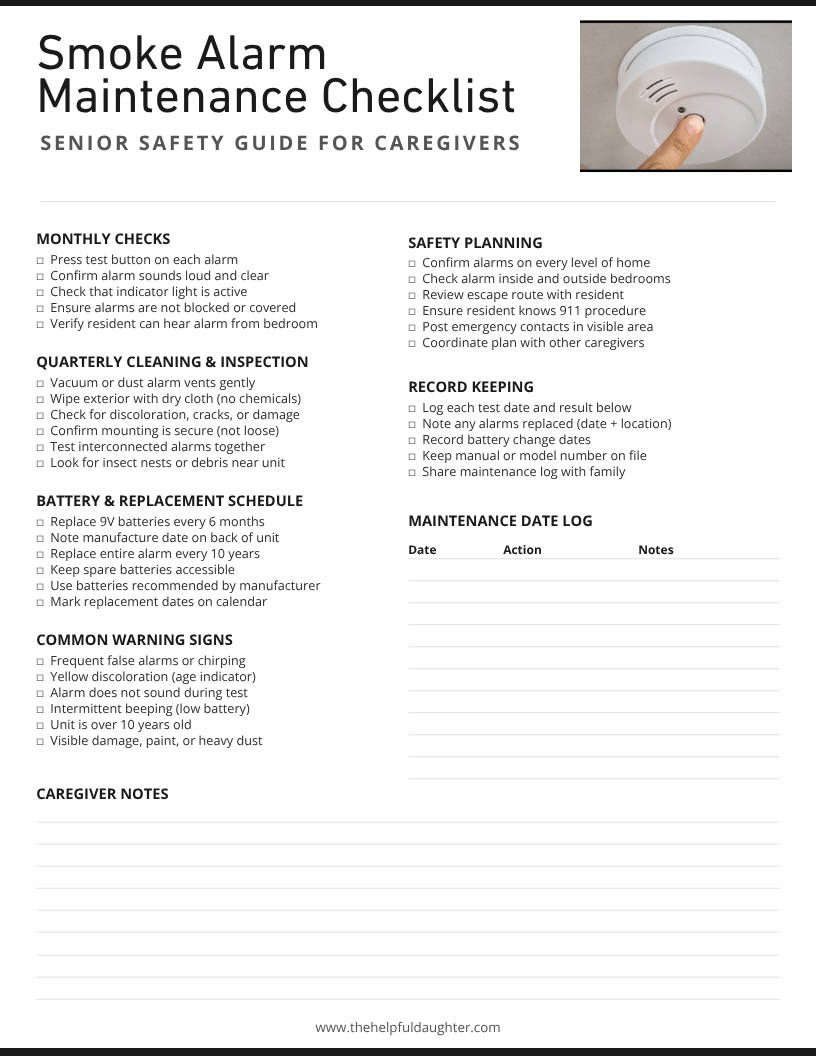
Free Smoke Alarm Maintenance Checklist
Keep your aging parents safe without the guesswork. Track monthly tests, battery replacements, and critical replacement dates in one simple printout.
Instant PDF download • No sign-up required
Final Recommendation
As caregivers, we can’t prevent every emergency. But we can reduce the chances that a small problem becomes a tragedy.
Upgrading to interconnected smoke alarms is one of those improvements that quietly protects your loved one every single day.
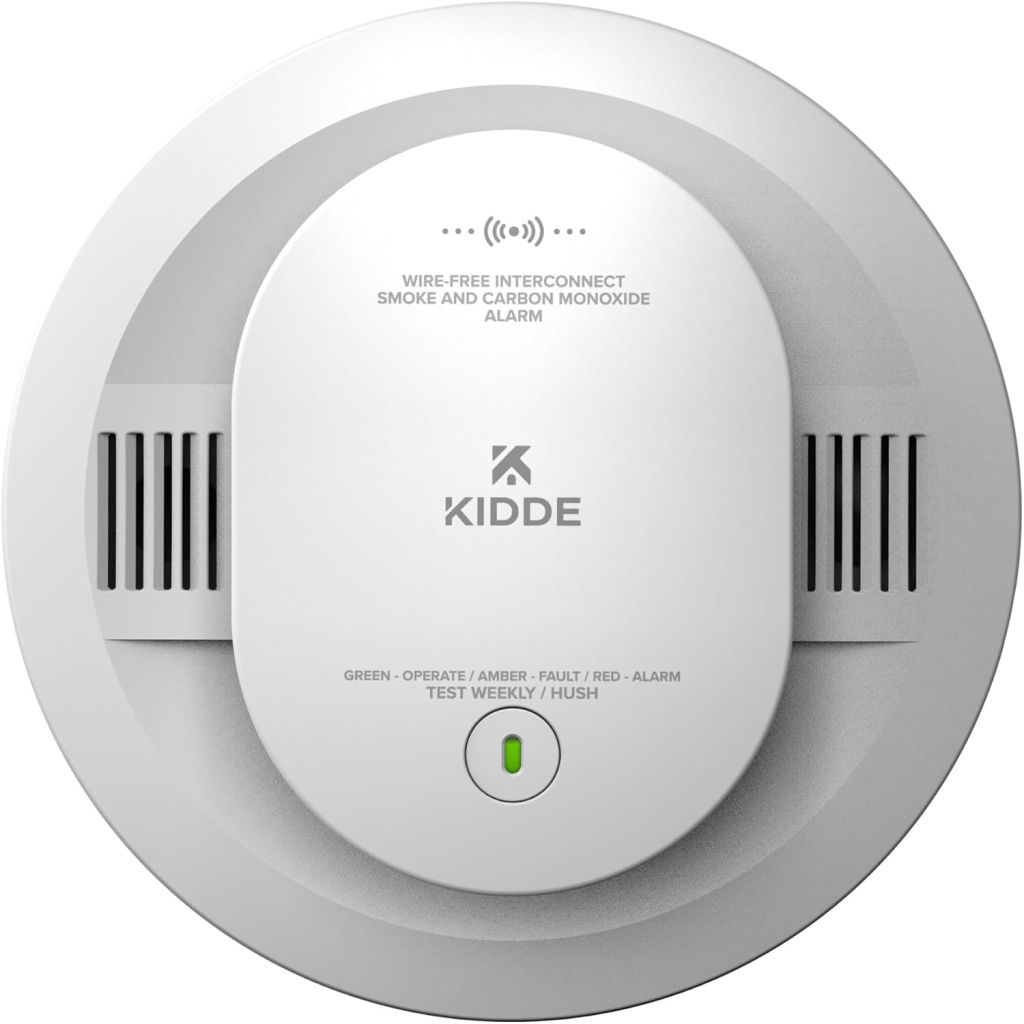
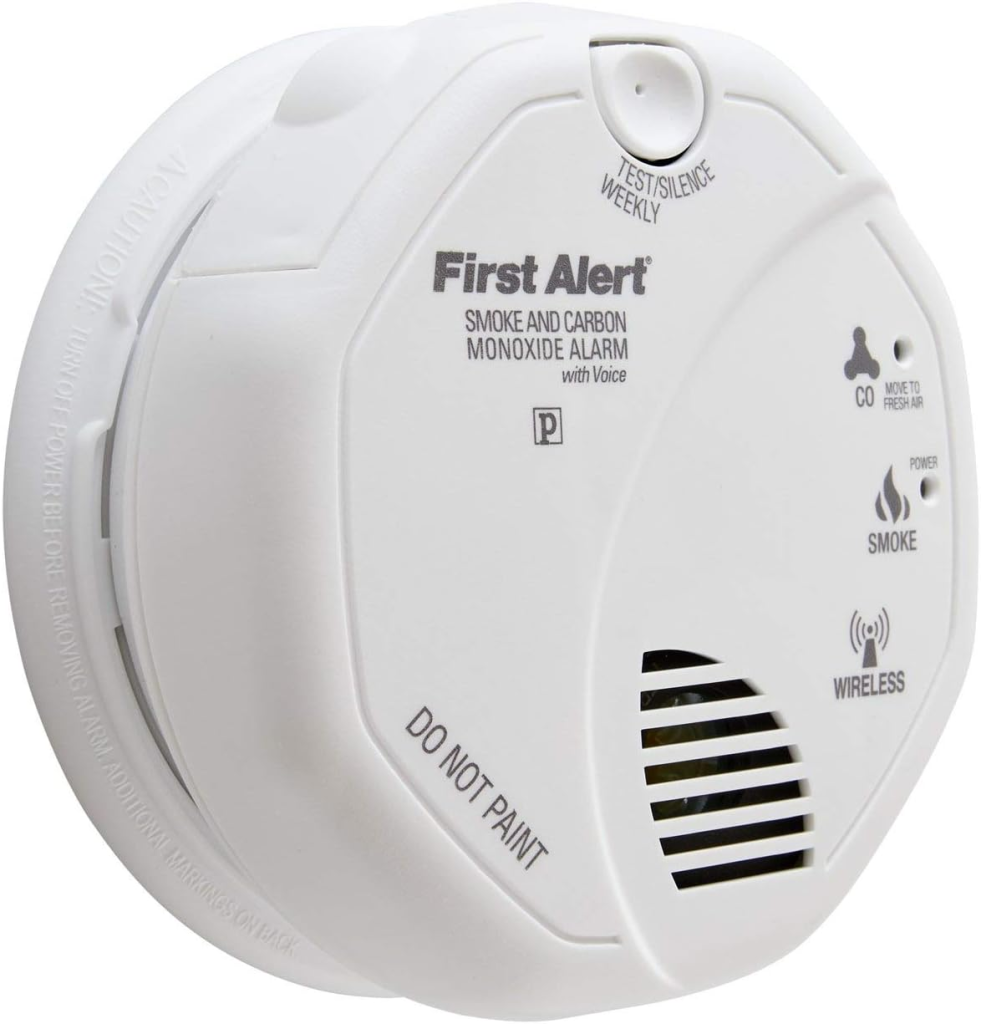
While Kidde and First Alert both offer dependable options, the X-Sense Smart Series stands out because it does more than sound an alarm. Its wireless connectivity, smartphone notifications, and easy expansion make it especially valuable for families supporting older adults who live independently.
For caregivers balancing work, family, and the responsibility of checking in on aging parents, knowing you’ll be notified if something goes wrong provides reassurance that’s difficult to put a price on.
Sometimes the best caregiving decisions are the ones your loved one never has to think about—and a smarter smoke alarm system is one of them.
Frequently Asked Questions
What are interconnected smoke alarms?
Interconnected smoke alarms communicate with one another so that when one detects smoke, every alarm in the home sounds simultaneously.
Are wireless interconnected smoke alarms reliable?
Yes. Modern wireless interconnected smoke alarms use secure radio frequency communication and are highly reliable when installed according to the manufacturer’s instructions.
Do interconnected smoke detectors require Wi-Fi?
No. Most wireless interconnected smoke detectors communicate directly with each other using radio signals. Wi-Fi is only needed for features like smartphone alerts and remote monitoring.
How many smoke alarms should a senior’s home have?
Every home should have smoke alarms inside every bedroom, outside sleeping areas, and on every level of the home. Larger homes often require additional units for complete coverage.
Are smart smoke alarms worth it for caregivers?
Absolutely. Smart smoke alarms can send alerts to caregivers when an alarm sounds, allowing faster awareness and response—even when they aren’t in the home.
Can interconnected smoke alarms include carbon monoxide detection?
Yes. Many modern systems offer combination smoke and carbon monoxide alarms, reducing the number of devices needed while improving overall home safety.
Do interconnected smoke alarms work during power outages?
Wireless battery-powered models continue working during outages. Hardwired systems typically include battery backup to ensure they remain operational if the electricity goes out.