
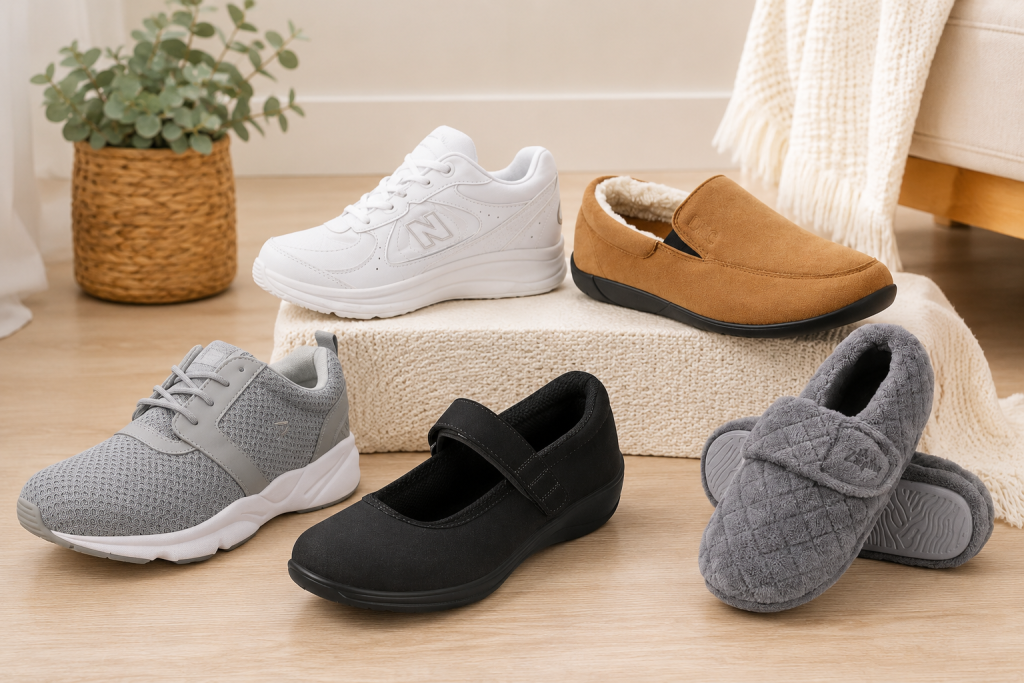
It happened last Tuesday. I called Mom to see if she wanted to run errands, and she hesitated. There was a It happened last Tuesday. I called Mom to see if she wanted to run errands, and she hesitated. There was a long pause before she admitted, “I think I’ll pass today, honey. My feet are just too sore, and I’m worried about tripping in the store.”
My heart sank. I knew Mom had been struggling with foot pain, but I hadn’t realized how much it was affecting her confidence to leave the house. If you are searching for the best shoes for elderly women to keep a loved one safe and active, you likely already know how quickly foot pain shrinks their world. They stop going for walks, skip lunch with friends, and stay cooped up.
As caregivers, we often focus on big safety concerns like grab bars and medication management. Yet, therapeutic shoes for seniors are arguably one of the most critical, overlooked elements of senior safety. Ill-fitting, worn-out footwear is a primary contributor to falls, which can have devastating consequences.
Here is the good news: finding the right pair can be completely transformative. It’s not just about comfort; it’s about fall prevention footwear, pain relief, and reclaiming the confidence to walk safely and independently.
I’ve spent years researching senior products and—most importantly—helping my own mom navigate these challenges.
Let’s dive into everything you need to know.
Quick Overview of Best Shoes For Elderly Women
If you are pressed for time or looking for an immediate recommendation, here are the top-reviewed picks chosen by caregivers for safety, comfort, and ease of use:
Why Aging Feet Require Specialized Senior Footwear
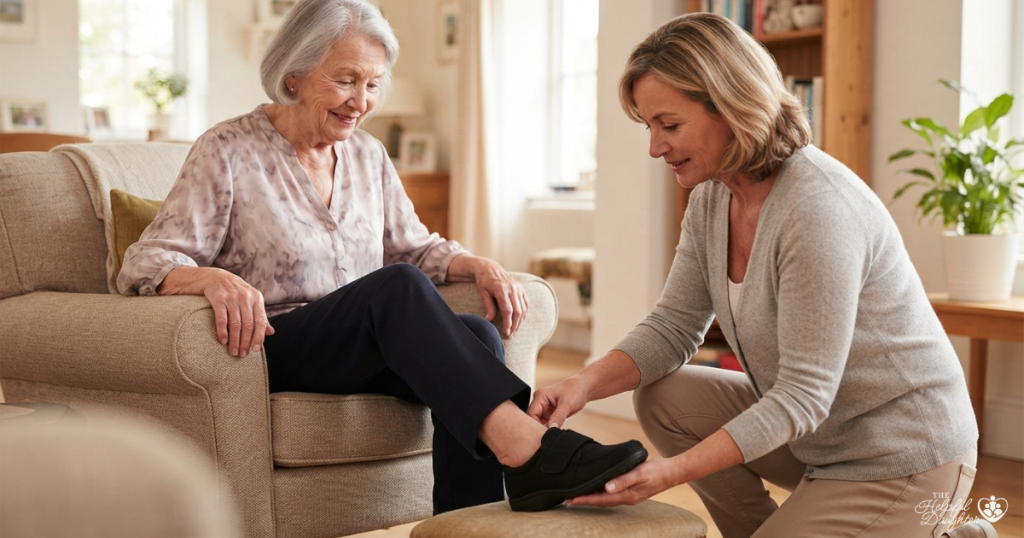
Our feet change significantly over time. The stylish heels or worn-in sneakers that worked for decades are likely no longer safe or practical.
Common Foot Changes in Aging Women
- Loss of Natural Cushioning: The fat pads on the soles thin out, leading to less shock absorption and pain in the balls of the feet.
- Changes in Foot Shape: Ligaments lose elasticity, causing feet to flatten, spread, and develop bunions or hammertoes that require wider toe boxes.
- Reduced Circulation: Many seniors experience reduced blood flow, increasing sensitivity and making pressure points dangerous.
- Balance and Gait Changes: Conditions like arthritis or neuropathy affect how someone walks, often resulting in a shuffling gait.
Why Ordinary Shoes Become Dangerous Hazards
- Slippers are often the worst offenders: Soft slip-ons offer zero support and are notorious for sliding off or lacking grip on hardwood floors.
- Tight shoes cut off circulation: Narrow shoes crush bunions, causing intense pain.
- Heavy or rigid shoes: Stiff shoes make it harder to lift the feet, increasing tripping risks.
- Worn-out soles: A lack of tread turns everyday floors into a slip-and-slide.
What to Look For: Key Features in Non-Slip Shoes for Seniors
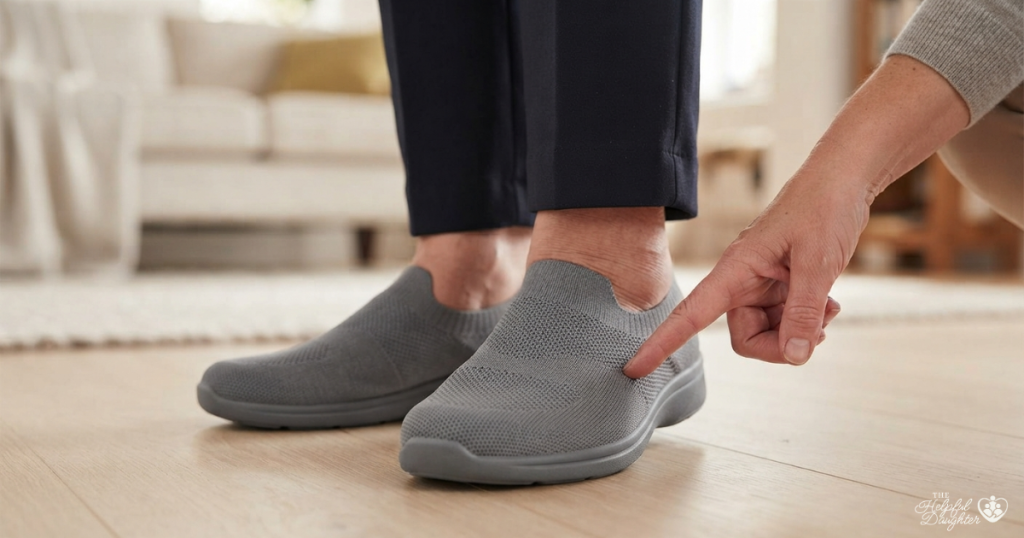
Function must always come before fashion when shopping for senior footwear. Prioritize these critical components:
- The Sole: Look for a non-slip rubber traction outsole with deep treads and a low, broad heel (under one inch) to maximize stability.
- The Fastener: Velcro (hook-and-loop) straps are the gold standard. I learned this the hard way with Mom: if a shoe doesn’t come in an easily adjustable option, don’t bother trying to squeeze them into it. They accommodate daily swelling and are great for arthritis.
- The Upper: Look for soft, stretchy materials (like mesh or soft leather) and seamless interiors to protect against edema-friendly shoes requirements and sensitive skin.
- Removable Insoles: Crucial for sliding in custom orthotics or specialized arch supports.
- Firm Heel Counter: The back of the shoe must be rigid to prevent side-to-side sliding.
- Wide Toe Box & Extra Depth: Gives toes room to breathe and handles edema gracefully
Tips for Measuring and Fitting Your Loved One’s Shoes
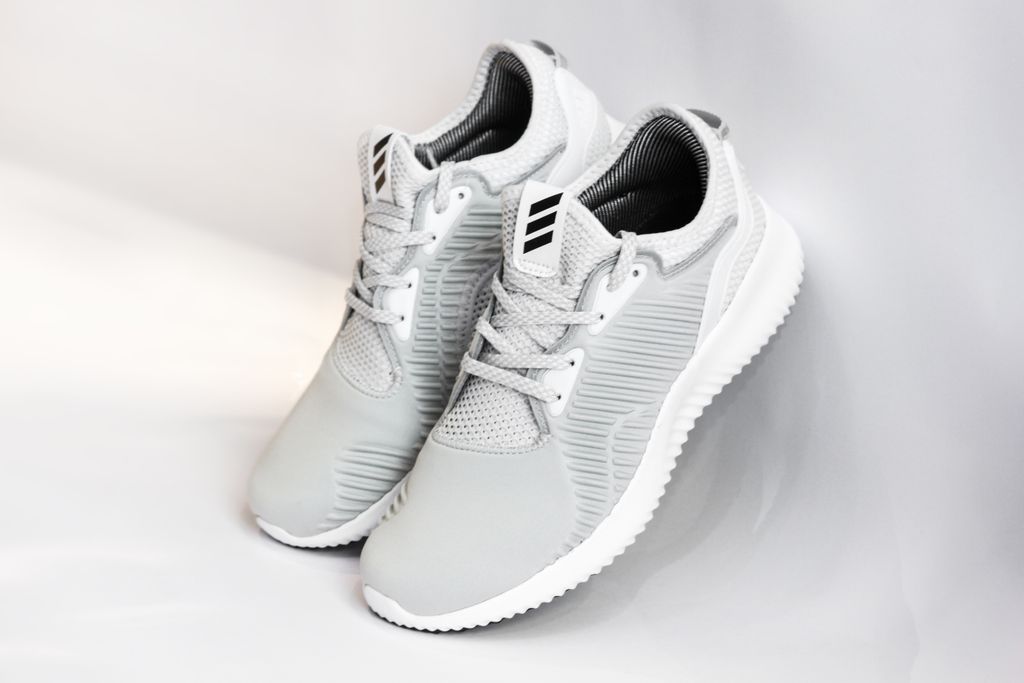
Top-Rated Shoes for Elderly Women: Expert Reviews
I’ve categorized these recommendations to help you address specific needs. These brands are consistently recommended by podiatrists and experienced caregivers.
Category 1: Best Everyday Walking Shoes (Sneakers)
These shoes offer the best combination of support, stability, and ease of use for daily wear.
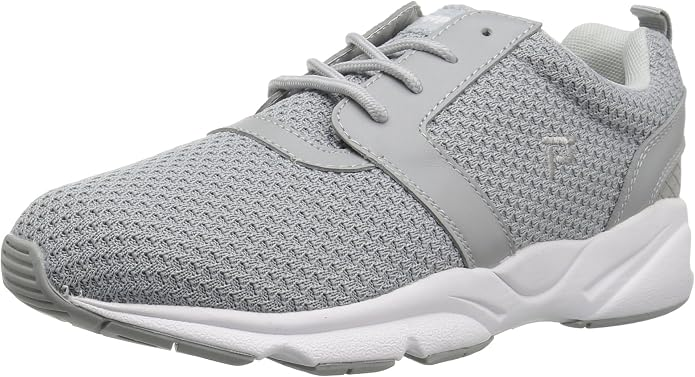
Propet Women’s Stability Walker Sneaker
Who it’s best for: Women who need maximum stability, wide widths, or orthotics.
My Personal Opinion (Caregiver Perspective): Built like a tank. It features a rock-solid leather upper and a firm heel counter that locks the foot in place with total security.
Pros: Excellent support, highly adjustable, durable.
Cons: Can feel a bit heavy compared to modern, lightweight running shoes.
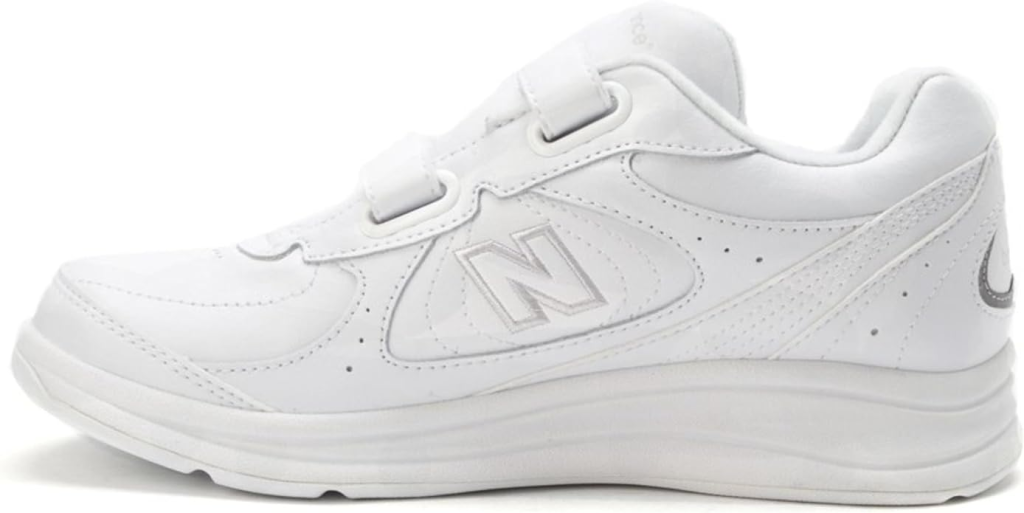
New Balance Women’s 577 V1 Walking Shoe
Who it’s best for: Women wanting a reliable, classic everyday walking companion.
My Personal Opinion (Caregiver Perspective): A classic, trusted name in walking shoes that provides incredible peace of mind for daily errands and neighborhood strolls.
Pros: Comfortable right out of the box, great traction.
Cons: Sizing can run slightly snug.
Category 2: Best Shoes for Swollen Feet and Bunions
When feet swell significantly due to edema or other conditions, standard shoes become unbearably painful. These shoes offer extreme adjustability.
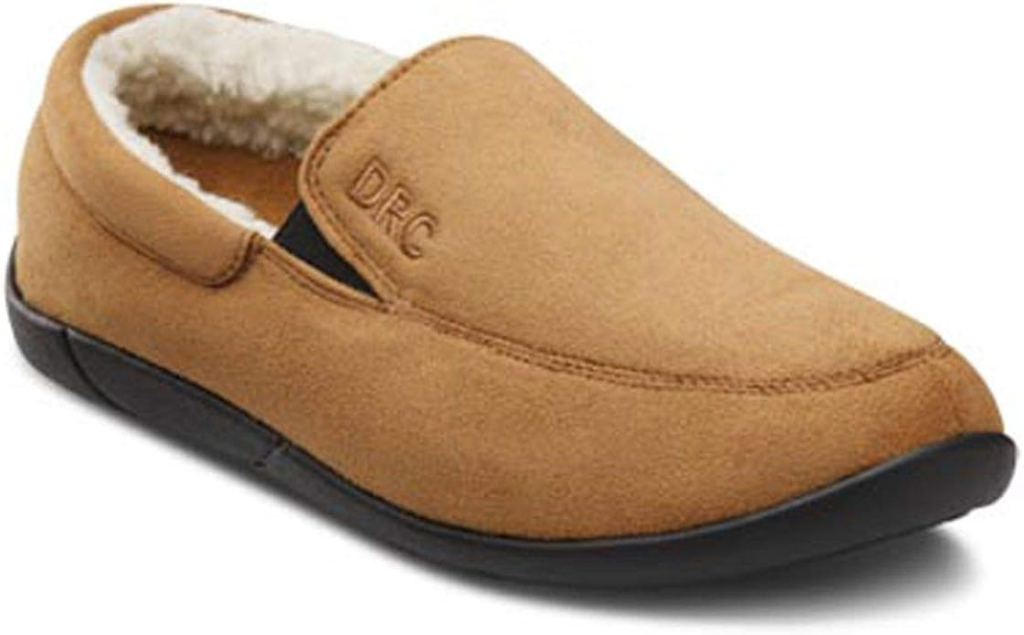
Dr. Comfort Relax Women’s Slippers/Shoes
Who it’s best for: Women dealing with severe edema or diabetes.
My Personal Opinion (Caregiver Perspective): A complete godsend on days when swelling is unpredictable. The extra-long Velcro strap opens wide and adjusts seamlessly.
Pros: Unmatched adjustability, no pressure points.
Cons: Casual look; not made for long hikes.
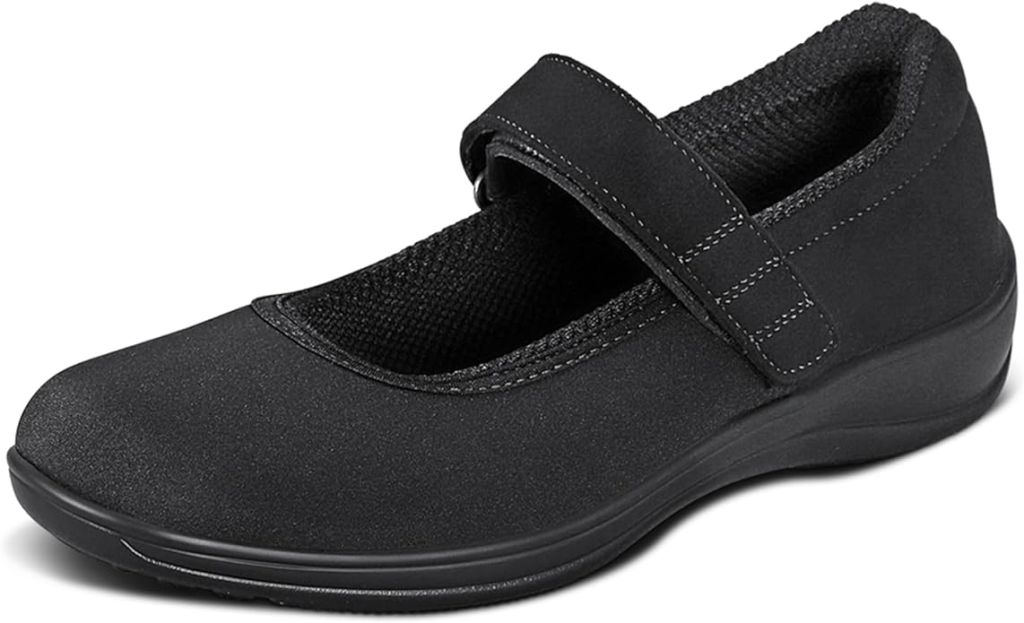
Orthofeet Women’s Shoes – Springfield Stretch Knit
Who it’s best for: Women with bunions or hammertoes who want a modern look.
My Personal Opinion (Caregiver Perspective): Combining style with therapeutic features, this pair lets loved ones look fashionable without sacrificing comfort or safety.
Pros: Stretchy knit hides bunions, lightweight, great arch support.
Cons: Less ankle support than leather alternatives.
Category 3: Safest Indoor Footwear (Alternatives to Slippers)
Falls in the home are incredibly common, and soft, floppy slippers are a major culprit. These options provide the comfort of a slipper with the safety of a shoe.
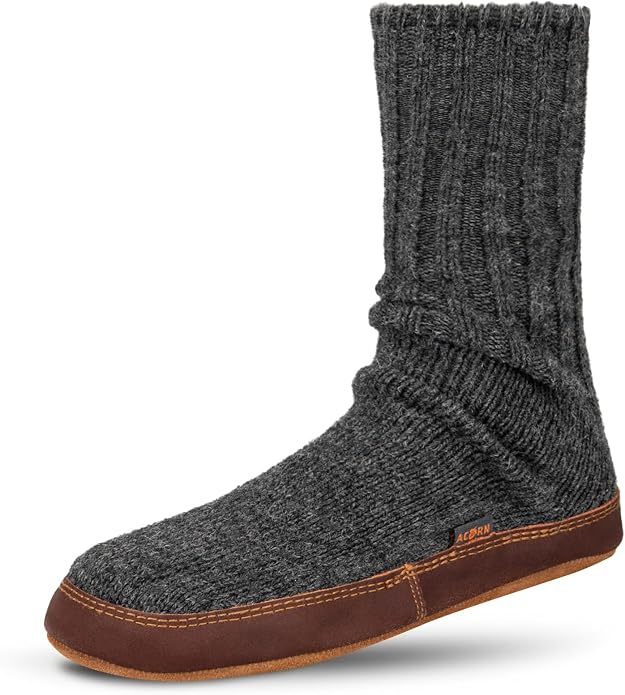
Acorn Women’s Slipper Sock – Perrin Moc
Who it’s best for: Anyone who insists on slippers but needs real traction.
My Personal Opinion (Caregiver Perspective): While still cozy, this is a massive and much safer upgrade from a traditional floppy slipper around the house.
Pros: Cozy, machine washable, features rubber traction pods.
Cons: Sizing is general (S/M/L) rather than precise.
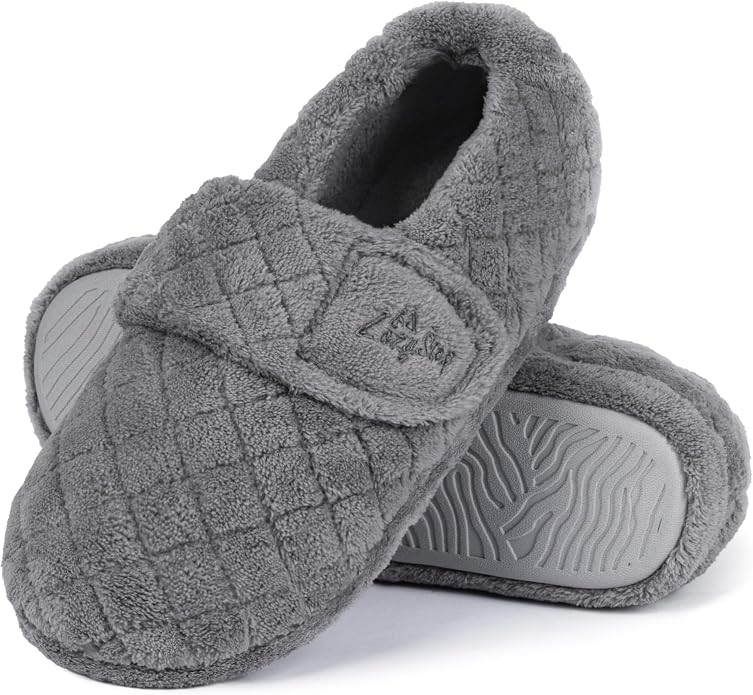
LazyStep Women’s Nana Adjustable Slippers
Who it’s best for: Indoor stability with full adjustability.
My Personal Opinion (Caregiver Perspective): A structured, sturdy option for inside the house that successfully bridges the gap between a slipper and a shoe.
Pros: Supportive memory foam, sturdy rubber sole.
Cons: Sole is quite firm for a traditional slipper.
Final Thoughts: Supporting Their Journey
Helping your parent or loved one find the right footwear is a practical, powerful way to show you care. It isn’t just about protecting them from falls—it is about restoring their freedom, preserving their independence, and giving them the confidence to step back out into the world.
Start with an open, gentle conversation about their foot pain, and be patient through the trial-and-error process. Seeing them move with newfound ease, comfort, and safety makes every bit of the effort worthwhile.
Frequently Asked Questions
1. My mom refuses to wear “ugly” orthopedic shoes. What can I do?
Validate her feelings—it’s frustrating to feel like personal style is compromised. Frame the conversation around finding comfortable shoes that let her keep walking independently rather than labelling them as “medical.” Brands like Orthofeet bridge that gap seamlessly.
2. Are slippers really that dangerous for seniors?
Yes. Traditional floppy slippers lack traction and structural support. Opt for structured indoor house shoes with rubber outsoles instead.
3. My mother has one foot that is much more swollen than the other. What do I do?
Look for highly adjustable shoes with long Velcro straps. In some cases, caregivers purchase two pairs in different sizes to accommodate extreme asymmetry, or rely on shoes with flexible stretch fabrics on one side.
4. How often should elderly women replace their shoes?
Inspect soles every 6 months. If treads wear smooth, rubber cracks, or cushioning compresses, it’s time for a replacement.
5. Are Velcro shoes really better than laces for seniors?
For most, absolutely. As fine motor skills and dexterity change, dealing with standard ties can become a tripping hazard or source of daily frustration.
8. Is it worth paying for custom orthotics?
If your loved one is experiencing persistent, localized foot pain, or if their gait is severely affected, a consultation with a podiatrist is the best first step. They can diagnose the issue and determine if a custom-molded orthotic is necessary or if a high-quality, over-the-counter arch support will do the trick. Custom orthotics are an investment, but for some seniors, they are the difference between being able to walk comfortably and being bedridden.
Disclaimer: I am an experienced caregiver and researcher, not a doctor or podiatrist. This information is for educational purposes and should not replace professional medical advice. If your loved one is experiencing chronic foot pain, sores, or significant mobility issues, please consult with a healthcare professional or a podiatrist to ensure they are using the right footwear for their specific health needs.