
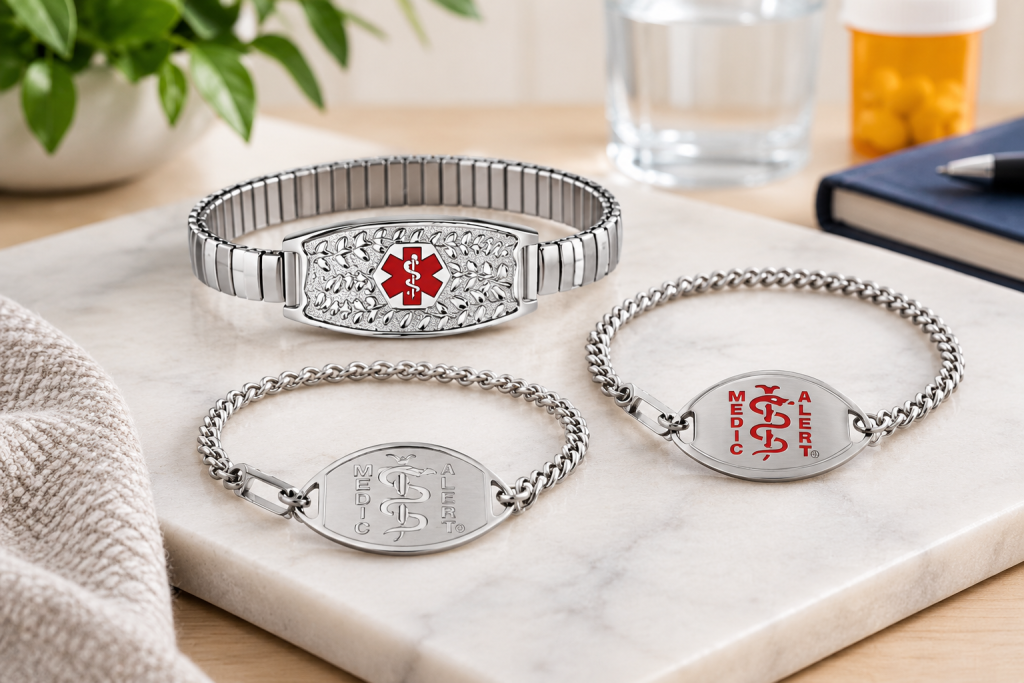
When my dad started managing a new medication regimen that caused sudden bouts of dizziness, my stomach dropped every time the phone rang. He is fiercely independent and insists on living in his own home, but the quiet worry about what would happen if he experienced a medical emergency while alone began keeping me awake at night. We tried a smartphone app, but he forgot to charge it. We talked about a bulky electronic pendant, but he flat-out refused to wear anything that made him feel “fragile” or institutionalized.
That is when we turned to a simple, reliable solution: a stainless steel medical ID bracelet.
If you are caring for an aging parent or planning for your own safety, you might wonder if a piece of engraved metal can truly make a difference. The short answer is yes. In an urgent medical crisis, when every second counts and words may fail, a stainless steel medical ID bracelet speaks clearly for the wearer.
This comprehensive guide covers everything you need to know about choosing, engraving, and wearing a stainless steel medical ID bracelet, helping you make an informed choice without the sales pressure.
Why Choose Stainless Steel for a Medical ID Bracelet?
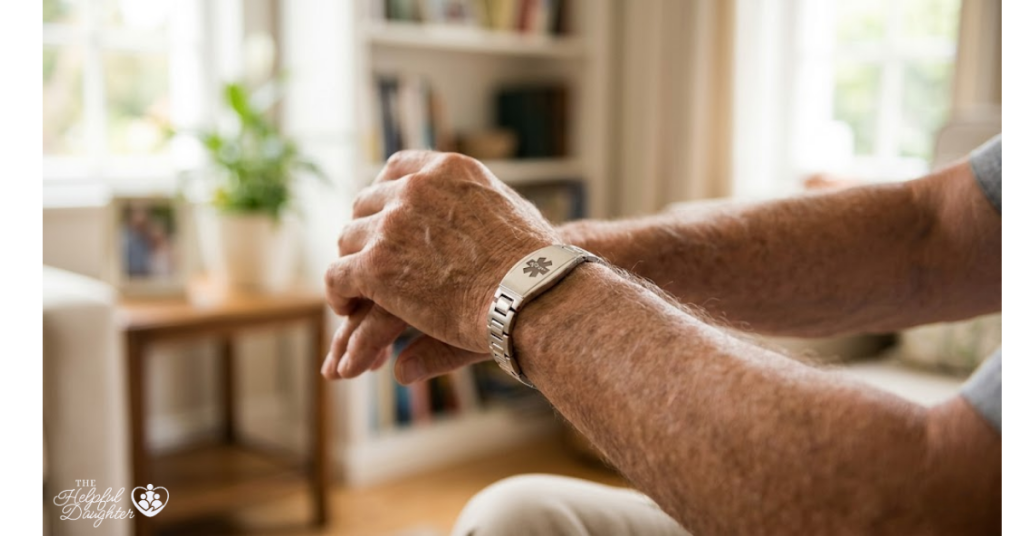
When shopping for medical identification jewelry, you will encounter various materials, including sterling silver, gold, silicone, and nylon. While softer metals look lovely and silicone bands work well for workouts, surgical-grade stainless steel remains the gold standard for everyday senior safety.
Unmatched Durability for Daily Life
Seniors do not want a piece of jewelry they have to coddle. Stainless steel is remarkably tough. It resists scratching, won’t bend if your parent bumps their wrist against a doorframe, and stands up to gardening, cooking, and daily chores.
Waterproof and Corrosion-Resistant
One of the biggest reasons seniors stop wearing medical IDs is the hassle of taking them off. Many accidents—especially slips in the bathroom—happen in wet environments. Stainless steel is fully waterproof. Your loved one can wear it in the shower, while washing dishes, or during water aerobics without worrying about rust or tarnishing.
Hypoallergenic and Skin-Friendly
Many people with metal sensitivities worry about skin irritation. High-grade stainless steel (such as 316L grade) contains very low nickel leaching rates, making it gentle on sensitive skin. It does not react with sweat or body oils, preventing the greenish skin discoloration common with cheaper base metals.
Key Medical Conditions That Warrant an ID Bracelet
Not every senior needs a medical ID bracelet, but for certain health profiles, wearing one can be lifesaving. First responders look at the wrist immediately upon arriving at an emergency scene.
- Cardiovascular Conditions: History of heart attacks, pacemakers, heart failure, or severe hypertension.
- Diabetes: Insulin-dependent diabetes or severe risk of hypoglycemia, where confusion can mimic intoxication.
- Severe Allergies: Life-threatening allergies to medications (like penicillin), insect stings, or latex.
- Neurological Disorders: Epilepsy, history of seizures, Parkinson’s disease, or early-stage dementia where wandering or sudden disorientation is a concern.
- Blood-Thinning Medications: Conditions requiring anticoagulants (like warfarin or Eliquis), where internal bleeding from a fall requires immediate specialized intervention.
- Rare Blood Types or Organ Transplants: Critical information that dictates immediate hospital protocol.
Caregiver Tip: If your parent has memory lapses or early cognitive decline, engraving “Memory Impaired” alongside an emergency contact number on their stainless steel bracelet provides an extra safety net if they wander or become confused outside the home.
What Information Should You Engrave on the Tag?
Space on a medical ID tag is limited. You cannot write a full medical history, nor would paramedics have time to read a paragraph. The key is conciseness and clarity.
Laser engraving on stainless steel is permanent, deep, and easy to read, even under dim emergency lighting. Here is a practical formula for organizing your text line by line:
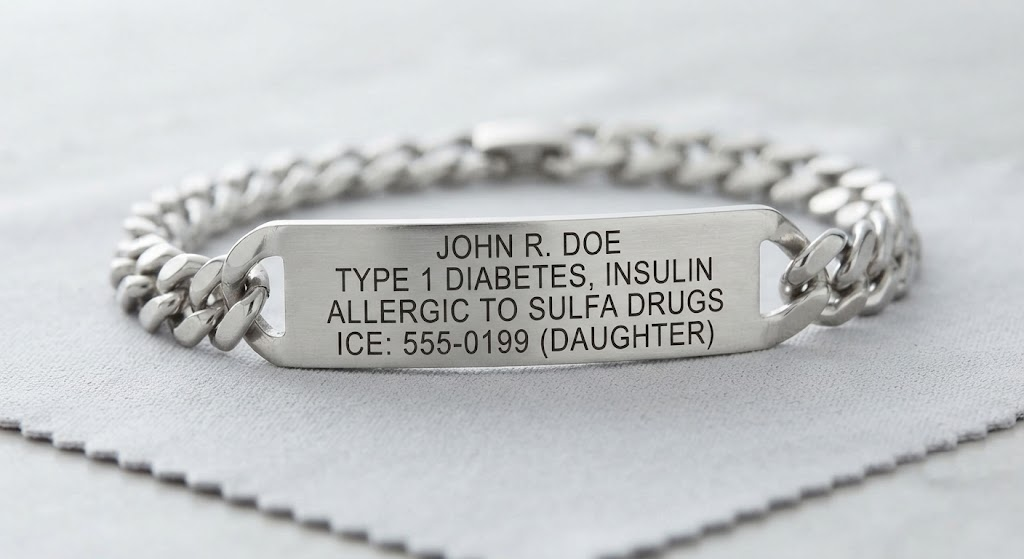
Recommended Engraving Template
- Line 1 (Name): Full legal name (or preferred name if space is tight).
- Line 2 (Primary Condition): E.g., TYPE 1 DIABETES / PACEMAKER / ON BLOOD THINNERS.
- Line 3 (Severe Allergies): E.g., ALLERGIC TO PENICILLIN.
- Line 4 (Emergency Contact): ICE: [Daughter’s Name] [Phone Number].
Note: “ICE” stands for “In Case of Emergency,” a universally recognized acronym understood by medical personnel worldwide.
Comparing Bracelet Materials: Which One Suits Your Parent?
Choosing the right style depends heavily on your parent’s daily routine, personal style preferences, and sensory comfort. Let’s compare stainless steel against other popular options honestly.
| Material | Durability | Waterproof? | Comfort Level | Best Suited For |
|---|---|---|---|---|
| Stainless Steel | Excellent | Yes | High (once sized) | Active seniors, daily wear, low maintenance |
| Sterling Silver | Moderate | Yes | High | Social occasions; prone to tarnishing over time |
| Silicone & Steel | High | Yes | Very High | Gardening, swimming, sports, sensitive skin |
| Leather Band | Low-Moderate | No | High | Traditional look; degrades quickly with sweat/water |
| Smartwatch ID | Fragile | Varies | Moderate | Tech-savvy seniors who remember to charge daily |
Pros and Cons of Stainless Steel Medical ID Bracelets
To make a balanced, objective decision, let’s look at the genuine advantages and drawbacks of stainless steel medical IDs.
The Pros
- Zero Maintenance: No batteries to charge, no software updates, and no subscription fees.
- Extreme Resilience: Resistant to impact, sweat, heat, and water.
- Instant Access: First responders are trained to look for wrist IDs immediately; no passwords or screens required.
- Cost-Effective: A one-time purchase with no ongoing monthly costs.
The Cons
- Static Information: If a medication or phone number changes, you must replace the engraved plate or buy a new bracelet.
- Weight: Solid steel links are heavier than silicone, which some seniors with thin skin or arthritis may need time to adjust to.
- No Active Alert: Unlike monitored electronic panic buttons, a static ID bracelet cannot call 911 automatically or speak to an operator.
Top 3 Silicone Medical Alert Bracelets
Choosing a medical ID doesn’t have to feel like a compromise on comfort or style. To help you find the right fit for your parent, we’ve evaluated the top stainless steel medical alert options on the market, balancing everyday wearability, durability, and clear emergency communication.
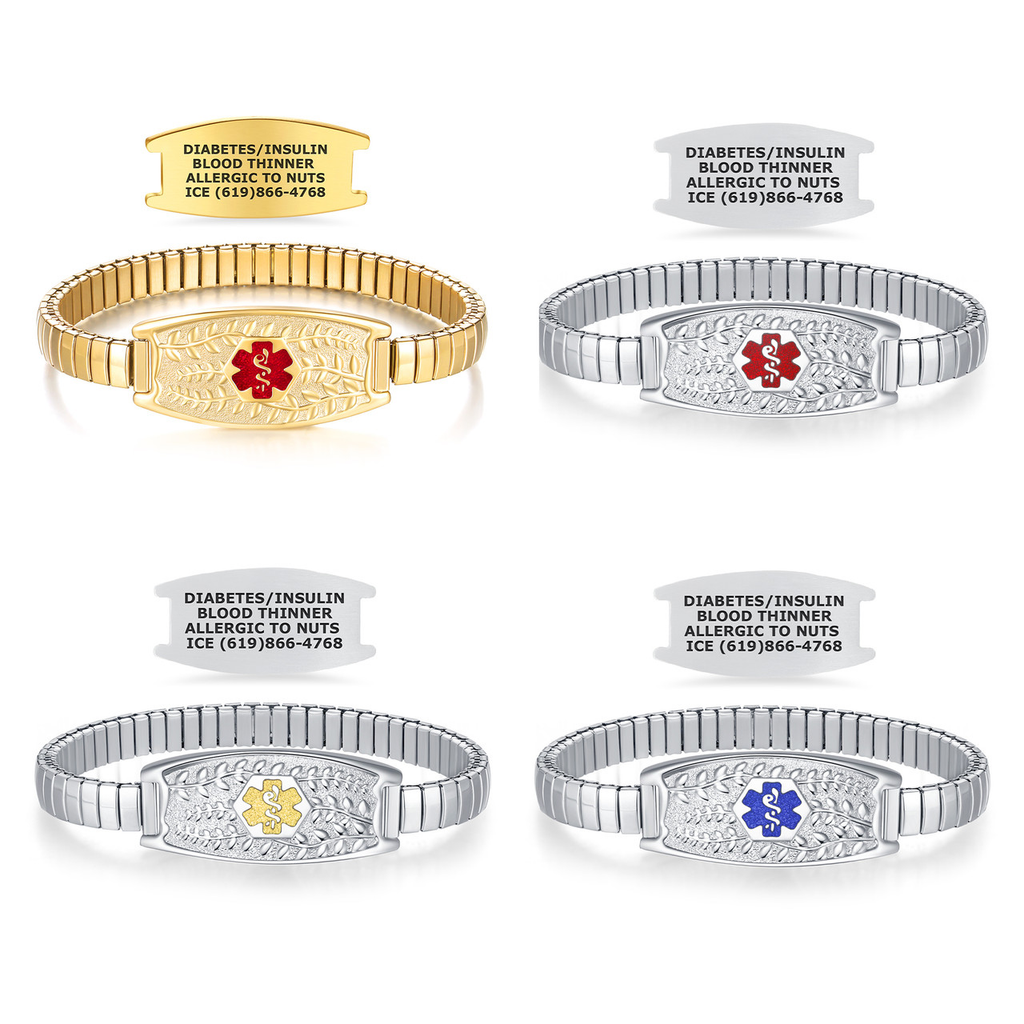
Fumbling with traditional clasps can be frustrating for seniors with arthritis or limited fine motor skills. The Divoti Olive Stretch Slip-On bracelet pairs a surgical-grade stainless steel engraved tag with a flexible, comfortable stretch band that slides easily over the hand.
- Seamless slip-on stretch design requiring zero clasp manipulation
- Durable custom-engraved stainless steel identification plate
- Skin-friendly materials ideal for daily wear and sensitive wrists
- Incredibly easy to put on and take off independently
- Combines a soft band feel with a tough steel ID tag
- Reduces pressure points and wrist pinching
- Stretch bands can gradually loosen over years of heavy use
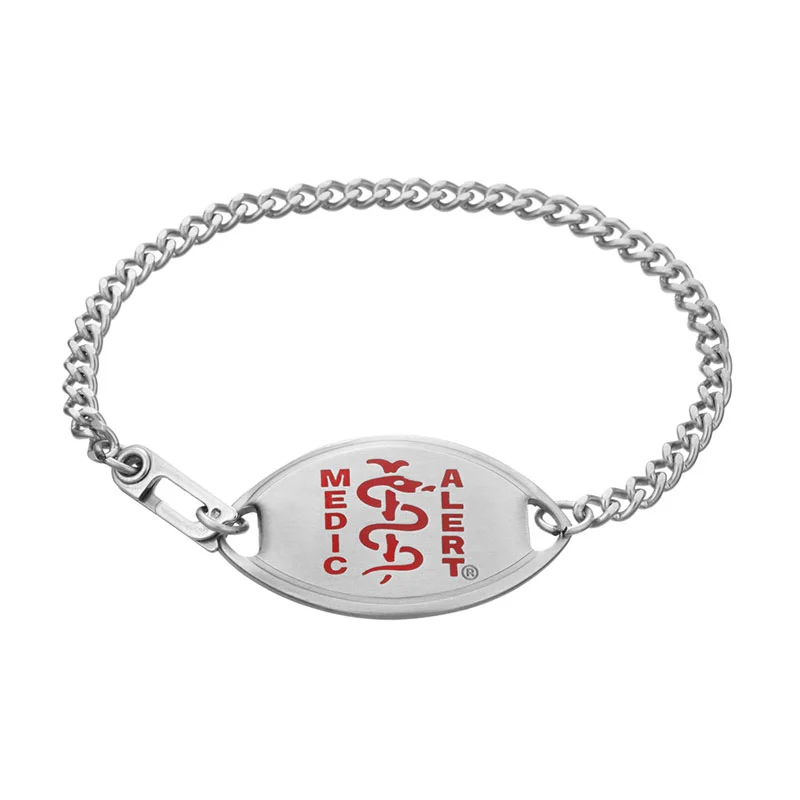
For seniors who prefer a timeless, elegant piece of jewelry that doesn’t scream ‘medical device,’ the Classic Medical ID Bracelet offers a sophisticated look while keeping vital life-saving details front and center for first responders.
- Sleek, polished metal link design resembling fine jewelry
- Prominently featured medical caduceus symbol for instant EMT recognition
- Secure, dependable clasp built for daily security
- Discreet, beautiful appearance that boosts wearer confidence
- Robust and dependable structural build
- Highly legible custom laser engraving
- Traditional clasp may require minor finger dexterity to fasten
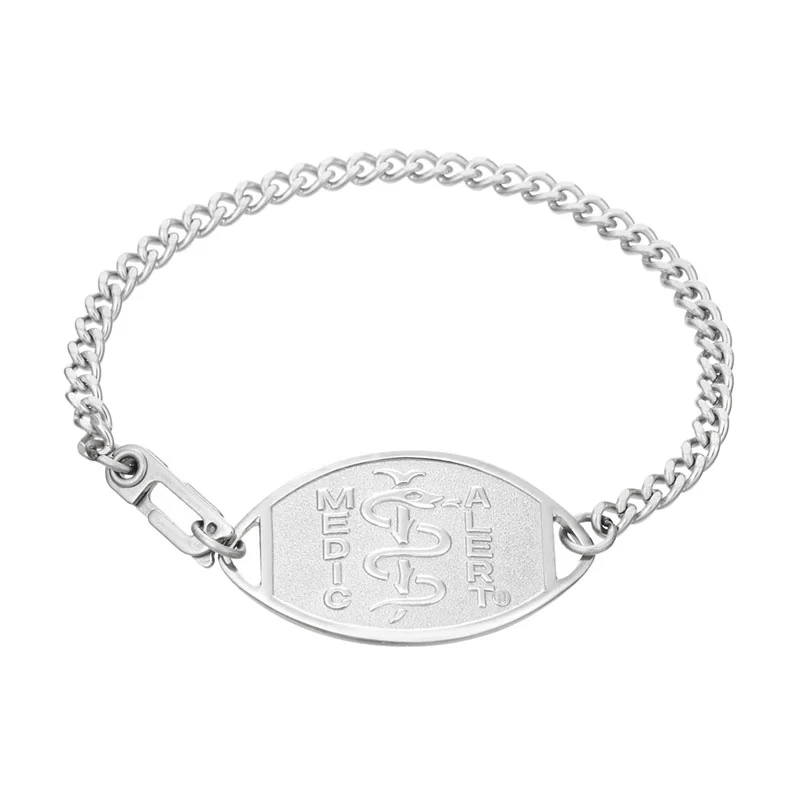
Embossed lettering provides an extra layer of tactile readability that stands up to heavy wear, harsh chemicals, and fading over time. This heavy-duty stainless steel model is built from the ground up for absolute resilience.
- Raised embossed lettering for ultra-clear visibility under pressure
- Heavy-duty 316L stainless steel construction impervious to rust
- Waterproof, sweat-proof, and scuff-resistant finish
- Embossed text never wears down or fades away
- Rugged structural integrity for active lifestyles
- Zero maintenance required
- Slightly heavier feel on the wrist due to solid steel links
How to Talk to Your Loved One About Wearing a Stainless Steel Medical ID Bracelet
When I first brought home a medical ID bracelet for my dad, he crossed his arms and said, “I’m not an invalid.” It was a classic emotional hurdle. He wasn’t rejecting safety; he was rejecting the loss of his autonomy.
If your parent pushes back, try shifting the conversation framing:
- Frame it as an independence tool, not a restriction: Explain that wearing the bracelet is actually a shield against losing independence. It tells paramedics exactly how to treat them quickly, helping them get back home faster.
- Involve them in the design: Let your parent choose the style, metal finish, or band color. When they have ownership over how it looks, compliance skyrockets.
- Wear a matching piece (if appropriate): Sometimes sharing the experience helps. When my dad saw that my mom wore a medical alert tag for her severe bee allergy, it normalized the accessory instantly.
Final Thoughts

Caring for an aging parent involves balancing their fierce desire for independence with the practical realities of safety. A stainless steel medical ID bracelet is a small, quiet guardian that sits on the wrist, asking for nothing yet offering everything when an emergency strikes.
By choosing a durable, comfortable design and engraving it with clear, precise health data, you provide your loved one with reliable protection—and yourself with genuine peace of mind.
Frequently Asked Questions
Do first responders really check medical ID bracelets?
Yes. Paramedics, emergency room nurses, and EMTs are specifically trained to look for medical identification jewelry around the wrists and neck as part of their standard initial assessment. Checking for an ID tag takes only a second and provides immediate guidance when a patient is unresponsive or confused.
Can a stainless steel medical ID bracelet get wet in the shower or pool?
Yes. Surgical-grade stainless steel is completely waterproof and highly resistant to rust and corrosion. Your parent can wear it continuously while bathing, swimming, or doing water aerobics without needing to take it off.
What is the most important information to put on the bracelet?
The most critical details include the wearer’s full name, primary life-threatening medical conditions (such as severe diabetes, epilepsy, or a pacemaker), major medication allergies, and an emergency contact phone number labeled with “ICE”. Keep the text concise so emergency personnel can read it at a glance.
How do I clean and maintain a stainless steel medical ID?
Cleaning stainless steel is simple. Wash the bracelet gently using warm water, a few drops of mild dish soap, and a soft-bristled toothbrush to clear away skin oils or debris trapped in the engraved lettering. Rinse thoroughly and dry with a soft cloth.
What should I do if my parent’s medical information changes?
If your parent changes primary medications, develops a new condition, or updates an emergency phone number, you will need to update the identification. Many manufacturers sell replacement engraved plates separately, allowing you to keep the original band while swapping out the updated medical text affordably.
Is stainless steel heavy on an older adult’s wrist?
Standard stainless steel chains and plates have a comfortable, grounding weight, but they are not overly heavy. If your parent has very fragile skin, arthritis, or extreme sensitivity to heavy jewelry, look for lightweight mesh stainless steel styles or a hybrid band featuring a stainless steel plate on a lightweight silicone strap.
Can a medical ID bracelet replace a monitored emergency alert button?
They serve different purposes. A stainless steel medical ID bracelet is a passive information tool; it tells doctors who your parent is and what conditions they have if they cannot speak. It does not call for help on its own. Seniors at high risk of unobserved falls often pair a medical ID bracelet with an active, monitored pendant or smart wrist alert system.
Are engraved medical IDs better than QR code medical bracelets?
Both have merits. Engraved stainless steel IDs require no batteries, internet connection, or smartphone to read, making them foolproof in chaotic emergencies. QR code bracelets store much more detailed medical history online, but they rely on a first responder having a smartphone, scanning the code, and having cellular data available during a crisis. For seniors, traditional engraving remains the most foolproof choice.