
Falls are something many older adults worry about—and for good reason. What seems like a simple slip can sometimes turn into a serious injury that changes everyday life. A fall can mean broken bones, a hospital stay, or even losing confidence to do things independently.
That’s the part people don’t talk about enough. Sometimes it’s not just the injury itself—it’s the fear that comes afterward.
The good news is that many falls can be prevented. In most cases, staying safe doesn’t require dramatic changes. A few adjustments around the home, some simple movement, and paying attention to everyday habits can make a huge difference.
If you’re wondering how to prevent falls for seniors, the answer usually comes down to being proactive before a fall happens—not after.
Why Fall Prevention Matters More as We Age

Getting older brings natural changes to the body. Muscles may not be as strong as they once were. Balance can feel a little off. Vision may not be as sharp, and reaction time often slows down.
On their own, these changes may seem small. But together, they can increase the risk of falling.
And for seniors, a fall is rarely “just a fall.”
A broken hip, a head injury, or even a bad sprain can make everyday tasks harder. Some older adults recover physically but lose confidence afterward. They may stop going for walks, avoid stairs, or become nervous doing things they once handled easily.
Ironically, that fear can create an even bigger problem—less movement leads to weaker muscles, and weaker muscles increase fall risk.
That’s why learning how to prevent falls for seniors isn’t just about avoiding injury. It’s about protecting independence, confidence, and quality of life.
Now let’s get to what your really here for – how to prevent falls for seniors!
10 Ways to Prevent Falls for Seniors
1. Start With the Home
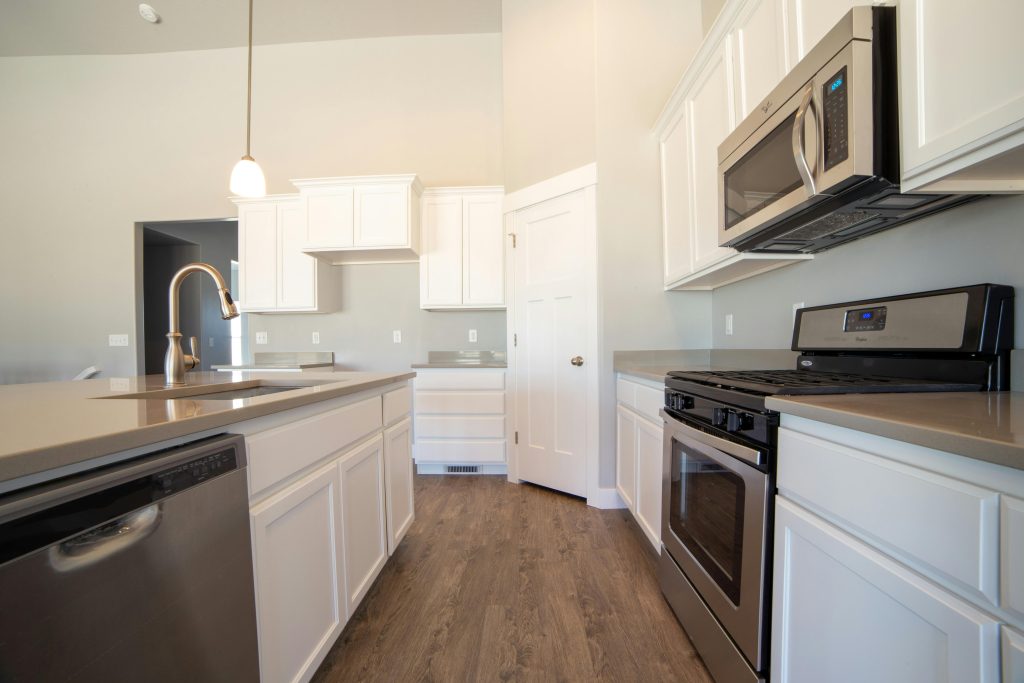
Many falls happen in the place people feel safest—their own home.
It’s often the little things that cause problems: a loose rug that catches a foot, poor lighting in the hallway, clutter on the floor, or a slippery bathroom after a shower.
A quick walk through the house can reveal hazards you may not even notice anymore. Think about the spaces you use every day. Are pathways clear? Is there enough light at night? Are there grab bars where balance might be an issue?
Simple changes like removing loose rugs, securing cords, improving lighting, and adding bathroom safety equipment may not seem exciting, but they can dramatically lower fall risk.
Bathrooms and stairways deserve extra attention because these are some of the most common places accidents happen.
2. Keep Moving—Even If It’s Just a Little

One of the biggest mistakes seniors make is avoiding activity because they’re afraid of falling.
It makes sense emotionally—but physically, it can backfire.
When the body becomes less active, muscles weaken, joints stiffen, and balance often gets worse. That can actually increase the chances of falling.
Regular movement helps keep the body strong and responsive. You don’t need intense workouts to benefit.
A daily walk, chair exercises, gentle stretching, tai chi, or light strength exercises can all help improve balance and coordination.
Even small amounts of movement done consistently can make a real difference over time.
The goal isn’t athletic performance—it’s staying steady, strong, and confident in everyday life.
3. Don’t Ignore Your Shoes
This one sounds simple, but footwear causes more problems than people realize.
Loose slippers, slick socks on hardwood floors, worn-out soles, or shoes that don’t fit properly can make walking much less stable.
Good shoes should feel secure, supportive, and have a non-slip sole. They don’t need to be expensive—but they should help you feel grounded.
Sometimes a safer pair of shoes can do more for balance than people expect.
4. Check Your Medications

Many seniors don’t realize that medications can quietly increase fall risk.
Certain prescriptions may cause dizziness, drowsiness, confusion, or sudden drops in blood pressure. When several medications are taken together, the effects can sometimes be even stronger.
If balance feels different, or there have been close calls, it’s worth asking a doctor or pharmacist if medication could be part of the issue.
This is one of those fall-prevention steps people often overlook—but it can be incredibly important.
5. Vision and Hearing Matter More Than You Think

Falls aren’t always about weak muscles. Sometimes the issue is simply not seeing a step clearly or not noticing changes in the environment quickly enough.
Poor depth perception, trouble adjusting in low light, or hearing issues that affect balance can all contribute to accidents.
Regular eye exams, updated glasses, and checking hearing health can go a long way toward improving safety.
6. Use Support When You Need It
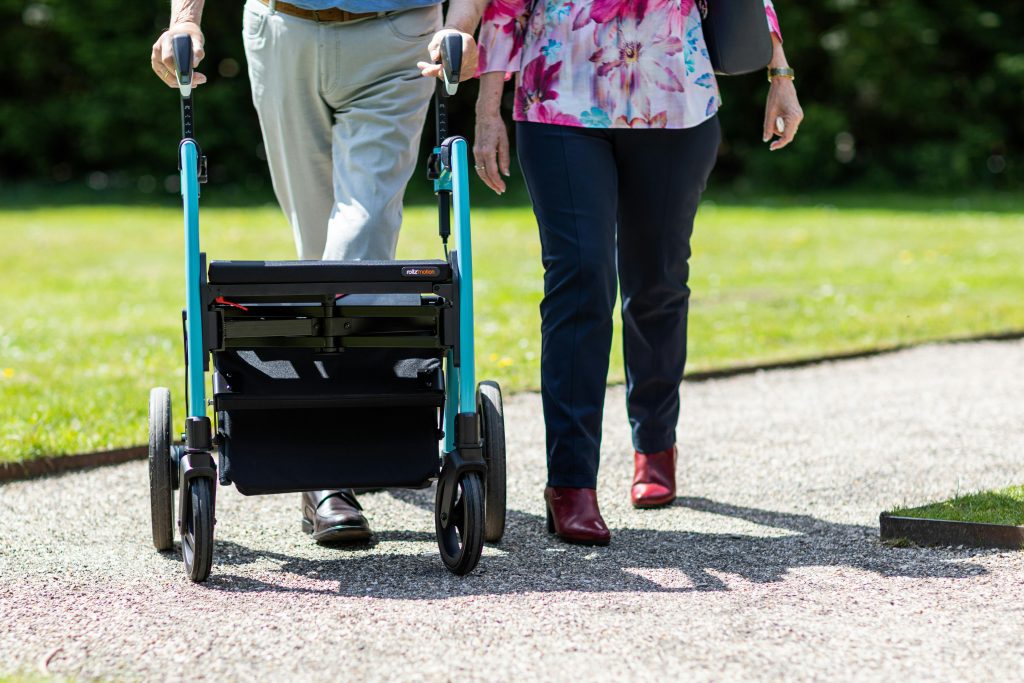
Some seniors strongly resist using a cane or a walker because they feel like it’s “giving in” to old age or losing their independence. It is an understandable emotional hurdle, but looking at it this way actually backfires.
In reality, using the right support is one of the smartest ways to protect and extend your freedom. Instead of staying home out of fear, or constantly relying on a family member’s arm to steady you, a mobility aid gives you the confidence to navigate the world safely on your own terms.
To get the most out of a cane or walker, keep these three things in mind:
- Get a Professional Fitting: A cane that is too tall will throw off your balance, and one that is too short will cause you to slouch, straining your back. Have a physical therapist adjust it so the handle lines up perfectly with your wrist crease.
- Learn Proper Technique: There is a right way and a wrong way to move with a walker. A therapist can train you on how to step into the frame rather than pushing it too far ahead of you.
- Check the Tips: Regularly inspect the rubber tips at the bottom of canes and walkers. Just like car tires, these treads wear down over time and can become slick on smooth floors.
A mobility aid isn’t a sign of weakness—it’s a powerful tool for safety that keeps you moving, independent, and active long into the future.
7. Don’t Overlook Nutrition and Hydration

Sometimes something as simple as dehydration can cause weakness, dizziness, or low blood pressure.
Skipping meals or eating poorly can also affect muscle strength and energy levels.
A well-hydrated body and balanced nutrition help support balance, bone health, and overall stability.
It’s one of those behind-the-scenes factors that matters more than people think.
8. Technology Can Add Peace of Mind
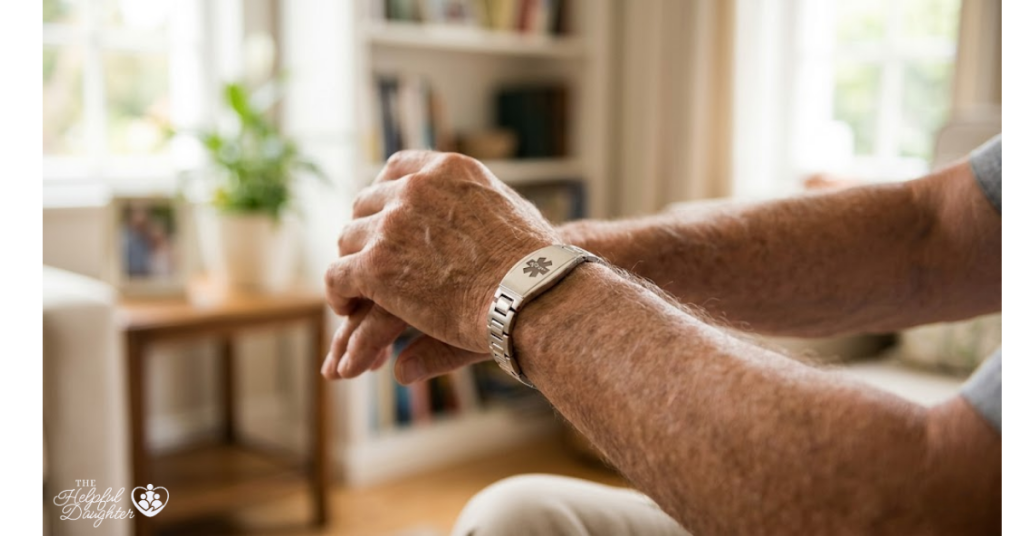
For seniors who live alone, fall prevention is only part of the conversation.
There’s also the question: What happens if a fall does occur?
Medical alert systems, fall detection watches, and emergency call devices can’t prevent accidents—but they can help someone get assistance quickly.
For many families, that extra layer of reassurance makes a big difference.
9. Fear of Falling Is Real—and It Should Be Talked About
Falls don’t just bruise the body; they can shake your confidence.
After a slip or a close call, it’s common to start avoiding things you love, like neighborhood walks or independent outings. However, giving in to that anxiety leads to less movement and weaker muscles.
Recognizing this fear is the first step. Talk about it with your loved ones and consider a targeted balance class to help get your steady footing back.
10. The Pause and Pivot Rule
Many falls happen during transitions—like sitting up, standing, or turning quickly. Sudden position changes can cause a temporary drop in blood pressure, leading to brief dizziness.
- The 10-Second Pause: Sit on the edge of the bed for 10 seconds to let your blood pressure stabilize before standing.
- Pivot, Don’t Twist: Turn your whole body by moving your feet instead of twisting your waist, which throws off your center of gravity.
- The “Take Your Time” Mindset: Take a slow, deliberate breath before rushing to answer a door or a ringing phone.
Final Thoughts
Knowing how to prevent falls for seniors isn’t about making life smaller or more restrictive.
It’s about making everyday life safer so independence can last longer.
In many cases, fall prevention comes down to simple things: moving your body, making the home safer, wearing supportive shoes, checking medications, staying healthy, and asking for support when needed.
Small changes may not seem like much in the moment—but they can make a huge difference over time.
Because staying safe isn’t just about preventing injury.
It’s about protecting confidence, freedom, and the ability to keep living life on your own terms.
Frequently Asked Questions
1. What is the single most common cause of falls for seniors?
Most falls happen right at home due to everyday hazards. The biggest culprits are trip hazards (like loose throw rugs, cluttered pathways, and extension cords) combined with poor lighting in hallways and stairwells.
2. How can I get an older adult to use a walker or cane if they resist it?
Many seniors feel that a mobility aid means a loss of independence. Try reframing the conversation: a cane or walker is a tool that protects freedom, allowing them to go out safely without relying on someone else’s arm. It is also helpful to have a physical therapist properly fit the device so it feels secure.
3. Can drinking water really help prevent falls?
Yes, absolutely! Dehydration causes blood volume to drop, which often leads to sudden bouts of dizziness, lightheadedness, or fatigue when standing up. Staying well-hydrated keeps blood pressure stable and muscles functioning properly.
4. Which exercises are best for improving balance?
You don’t need a heavy gym routine. Gentle, low-impact movements work best. Highly recommended options include:
- Tai Chi: Excellent for shifting weight and improving coordination.
- Walking: Builds lower-body strength.
- Chair exercises: Great for seniors with limited mobility to build core and leg strength safely.
5. How do medications increase the risk of falling?
Certain medications (or combinations of them) can cause side effects like drowsiness, confusion, or a sudden drop in blood pressure. If you notice a change in stability after starting a new prescription, ask a doctor or pharmacist to do a medication review to see if it is affecting balance.
6. What should someone do immediately after experiencing a fall?
The most important rule is to not move right away.
- Pause and assess: Take a few deep breaths and check for pain or serious injury.
- Roll and crawl: If not badly hurt, roll onto your side, get up onto your hands and knees, and crawl to a sturdy piece of furniture (like a heavy chair).
- Sit and rest: Use the furniture to slowly guide yourself up to a seated position, then rest before trying to stand.
Tip: If an injury prevents moving or getting up, this is where having a medical alert system or a phone within reach on the floor is critical to call for help immediately.