
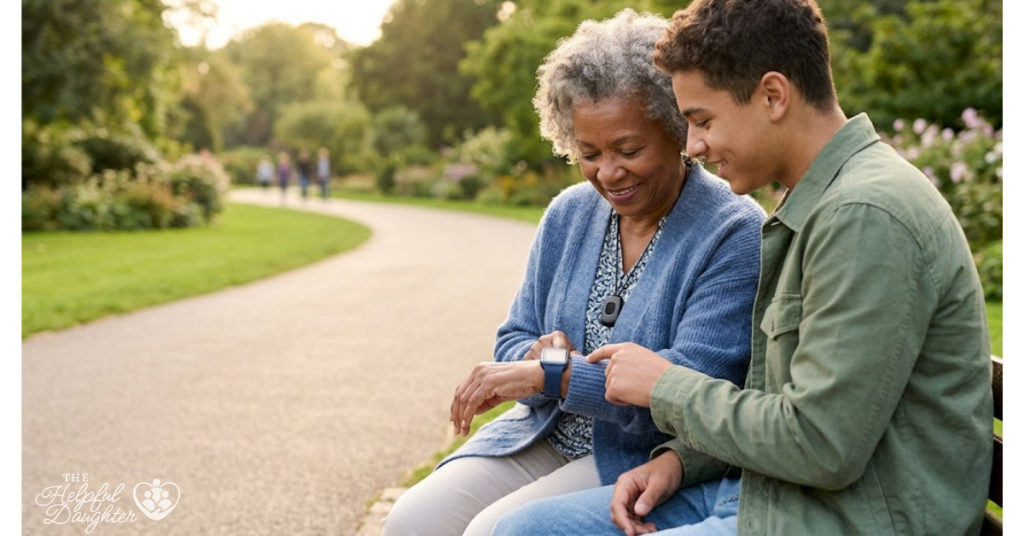
Have you ever worried about a loved one stepping outside and not finding their way back home? It’s a common fear many families share.
That’s where gps trackers for seniors come in. These small devices are changing how families care for aging parents and grandparents. They offer something powerful yet simple: peace of mind.
Think of them like a digital safety net. Not intrusive. Not controlling. Just quietly watching over someone you love—like a lighthouse guiding a ship through fog.
In this guide, we’ll walk through everything you need to know in plain, simple language.
Why Families Are Turning to GPS Tracking
Let’s be honest—life gets busy. Not every family can be physically present 24/7.
Seniors, on the other hand, often want independence. They don’t want to feel watched, restricted, or “managed.”
So how do you balance both needs?
That’s exactly why gps trackers are becoming so popular. They bridge the gap between freedom and safety.
Families use them because:
- Memory issues like dementia can cause wandering
- Accidents can happen quickly and without warning
- Emergency response time matters
- Peace of mind reduces caregiver stress
It’s not about control. It’s about care that doesn’t feel heavy-handed.
How GPS Trackers for Seniors Actually Work
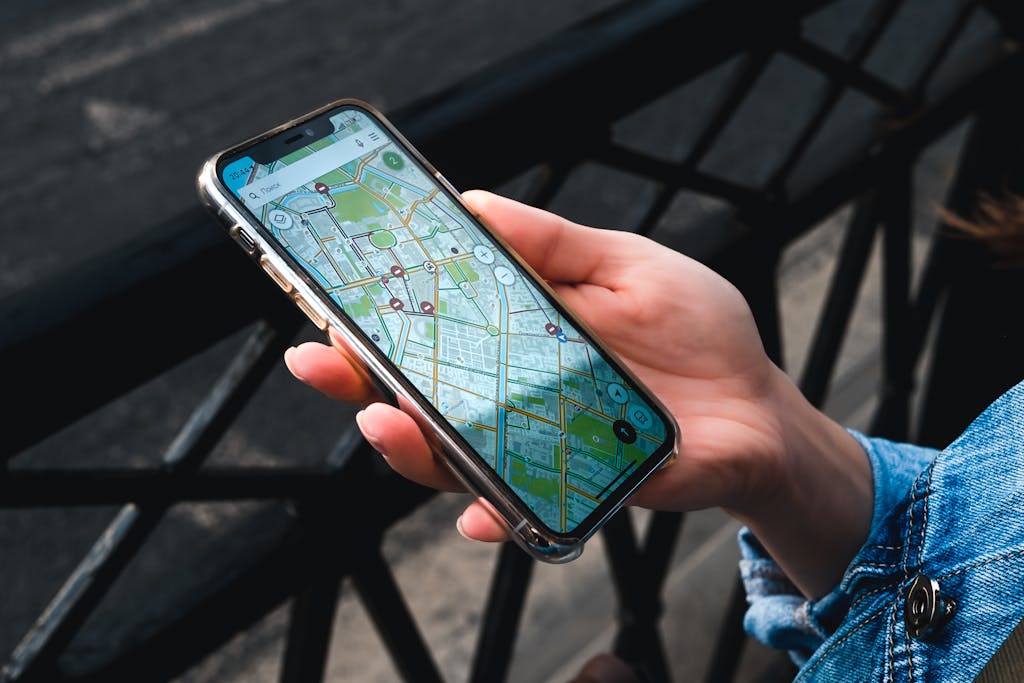
You don’t need a degree in aerospace engineering to use these things. In plain English: the device handles the heavy lifting by pinning its location via satellite or cellular data, and then beams that info straight to an app on your phone.
You open the map, see a little dot, and instantly know where your loved ones are.
Types of GPS Trackers for Seniors
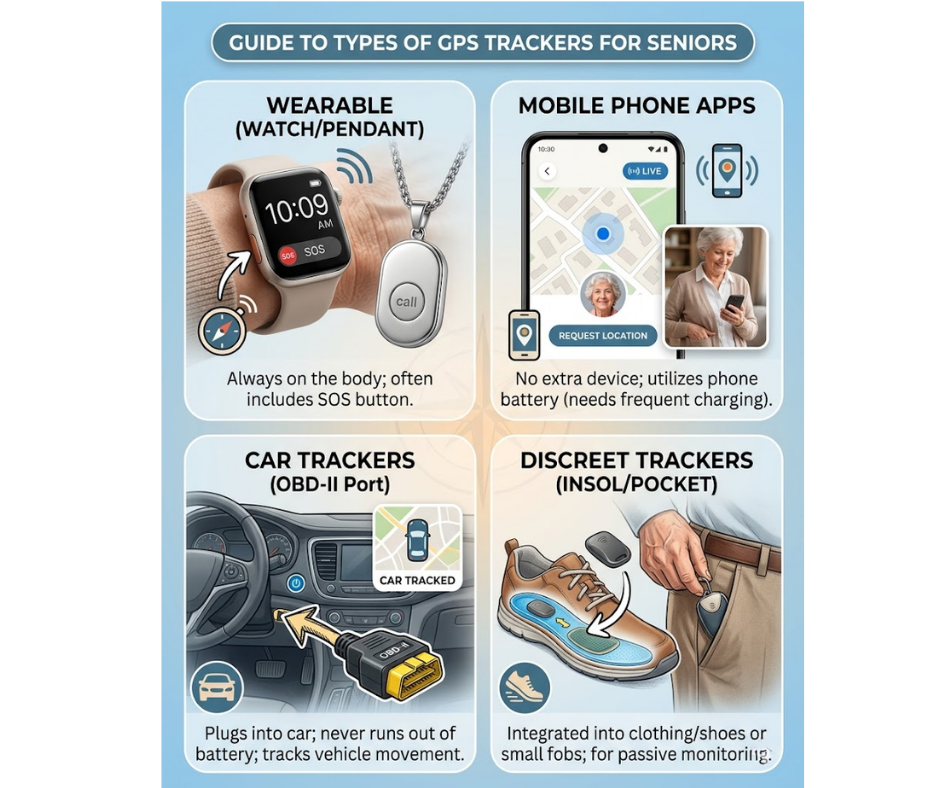
Not all trackers are the same. In fact, choosing the right type matters a lot.
|
Tracker Type |
Best For |
Major Pro |
Major Con |
|---|---|---|---|
|
Wearable (Watches/Pendants) |
Seniors with dementia or active daily routines |
Always on the body; often includes SOS button |
Needs charging |
|
Mobile Phone Apps |
Tech-savvy seniors who never leave home without their phone |
No extra device to carry; often free/cheap |
Phone batteries die fast; senior might leave phone behind |
|
Car Trackers |
Seniors who still drive but get easily disoriented |
Plugs into the car; never runs out of battery |
Doesn’t track them once they step out of the vehicle |
Each type of gps tracker serves a different lifestyle. The key is matching the device to the person—not the other way around.
Essential Features to Look For
When choosing a tracker, features matter more than fancy design. Here’s what truly counts:
SOS Emergency Button
A one-touch button that sends alerts instantly. Simple, fast, and life-saving.
Geofencing
Creates a digital “safe zone.” If your loved one leaves the area, you are notified immediately.
Real-Time Tracking
Provides live location updates so there are zero delays when safety is on the line.
Fall Detection
Built-in sensors detect sudden impacts and automatically dispatch alerts if a fall happens.
Limitations You Should Know
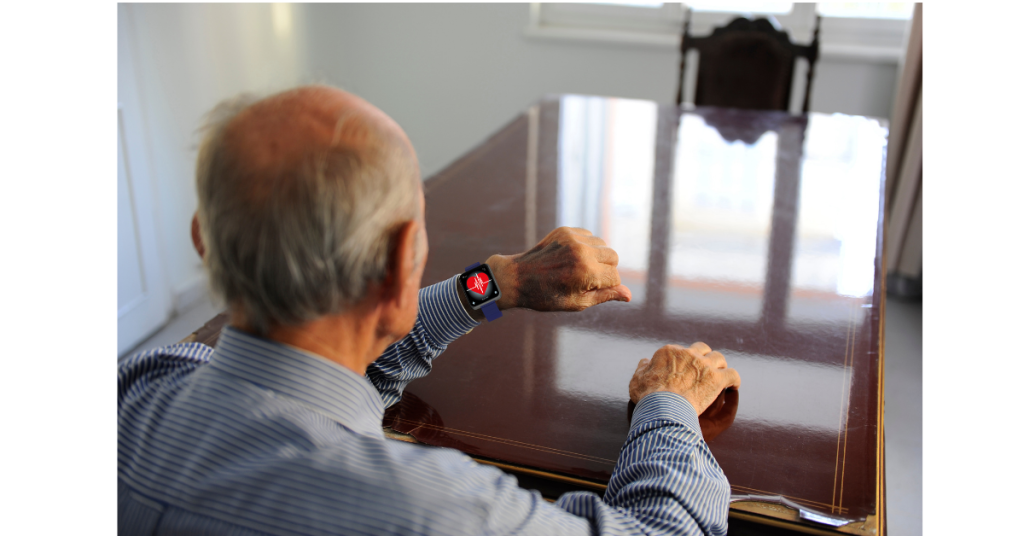
No technology is perfect. And honesty matters here.
Some limitations include:
- Devices rely on battery power
- Signal may weaken underground
- Some seniors may forget to wear them
Understanding these helps set realistic expectations for GPS trackers.
How to Choose the Right GPS Tracker
Picking the right device can feel overwhelming, but it doesn’t have to be.
Ask yourself:
- Does my loved one prefer watches or pendants?
- Do they spend time outside alone?
- Do they have memory challenges?
- How tech-friendly are they?
A good tracker should feel invisible in daily life. If it feels like a burden, it’s the wrong choice.
Privacy and Trust Concerns
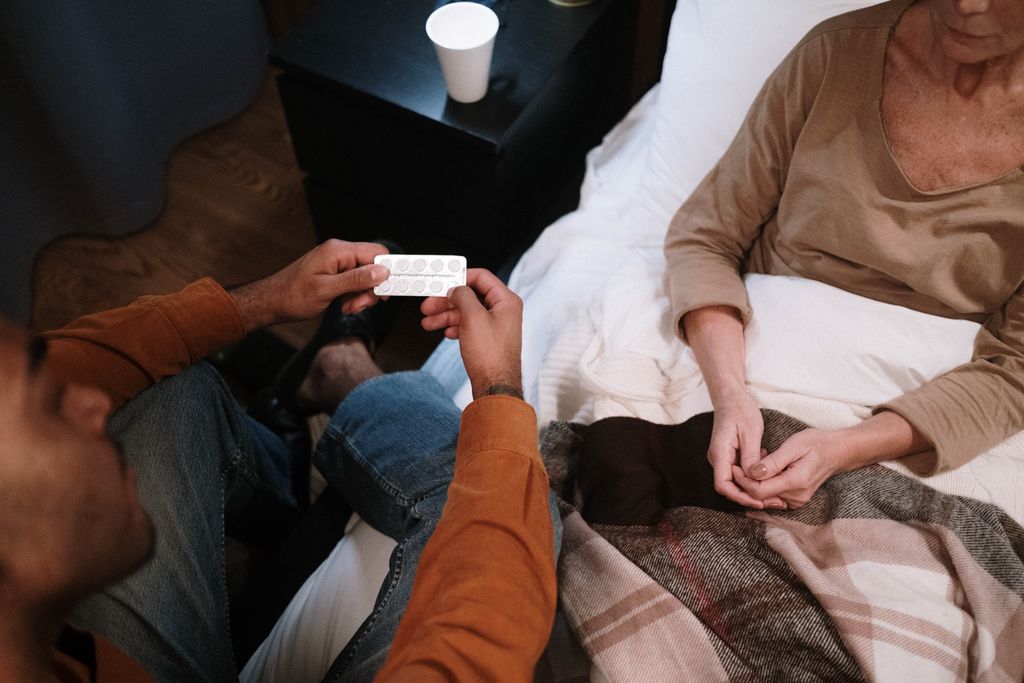
This is an important conversation. Some seniors may feel uncomfortable being tracked. That feeling is valid.
The key is transparency.
Explain it like this:
“We’re not tracking you because we don’t trust you. We’re doing it so we can help you faster if something happens.”
Most gps trackers for seniors are designed with privacy controls so location sharing is limited to trusted family members only. Trust always comes first. Technology comes second.
Real-Life Situations Where GPS Helps
Let’s bring this down to real life. Imagine your father goes for a walk every morning. One day, he takes a wrong turn and doesn’t recognize the street.
Without a tracker, panic builds. With GPS trackers for seniors, you simply open an app, see his location, and help him.
Or imagine a grandmother with early memory loss stepping out to “visit a friend” but forgetting the route home. These are not rare stories—they happen more often than people think.
Tips for Easy Setup and Daily Use
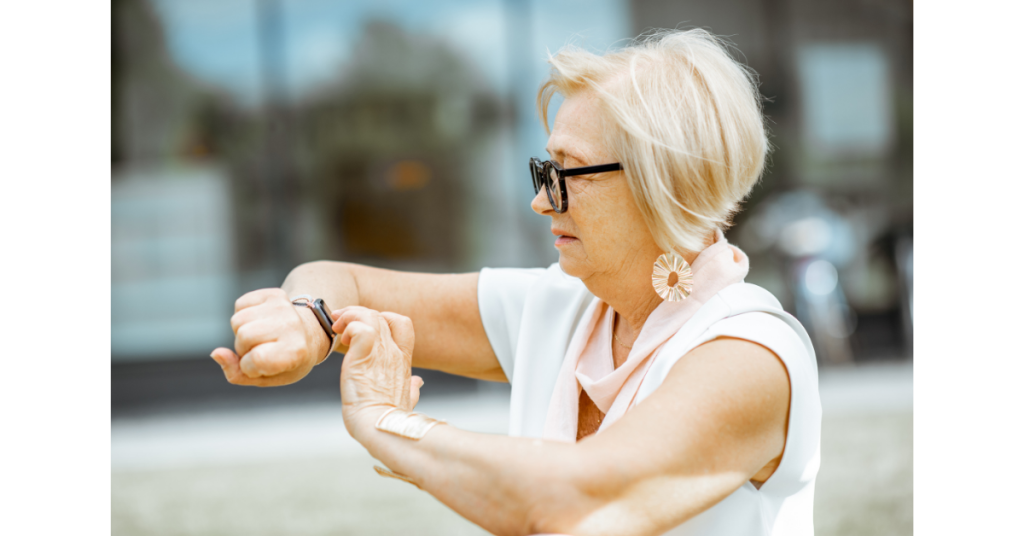
Getting started is usually simple, but here are a few tips:
- Charge the device fully before first use
- Set up emergency contacts immediately
- Test the SOS button together
- Create a safe zone around home
- Check battery levels weekly
The smoother the setup, the more likely it becomes part of daily life.
The Future of GPS Tracking for Seniors
We’re only scratching the surface of what’s possible. Soon, gps trackers for seniors may include:
- AI-based health predictions
- Automatic emergency calling
- Integration with smart homes
- Voice assistance for navigation
- More discreet, lightweight designs
The goal is simple: safety without friction.
Technology is slowly becoming less visible—but more powerful.
Final Thoughts
At the heart of it, GPS tracking isn’t about technology. It’s about people.
It’s about giving seniors freedom without fear—and giving families reassurance without constant worry.
When used thoughtfully, gps trackers for seniors become more than devices. They become quiet companions in the background of daily life, helping everyone breathe a little easier.
Frequently Asked Questions
1. Are gps trackers for seniors hard to use?
No, most devices are designed to be simple. Many work with one button and an easy mobile app.
2. Do gps trackers for seniors work without a phone?
Yes, many devices use their own cellular connection and do not require a smartphone.
3. Can seniors remove or forget to wear the device?
Yes, which is why wearable comfort and daily routine habits are important.
4. Do gps trackers for seniors work indoors?
They work best outdoors, but many still function indoors using cellular or Wi-Fi signals.
5. Are gps trackers for seniors expensive?
Prices vary. Some require upfront device costs plus a small monthly subscription fee.