
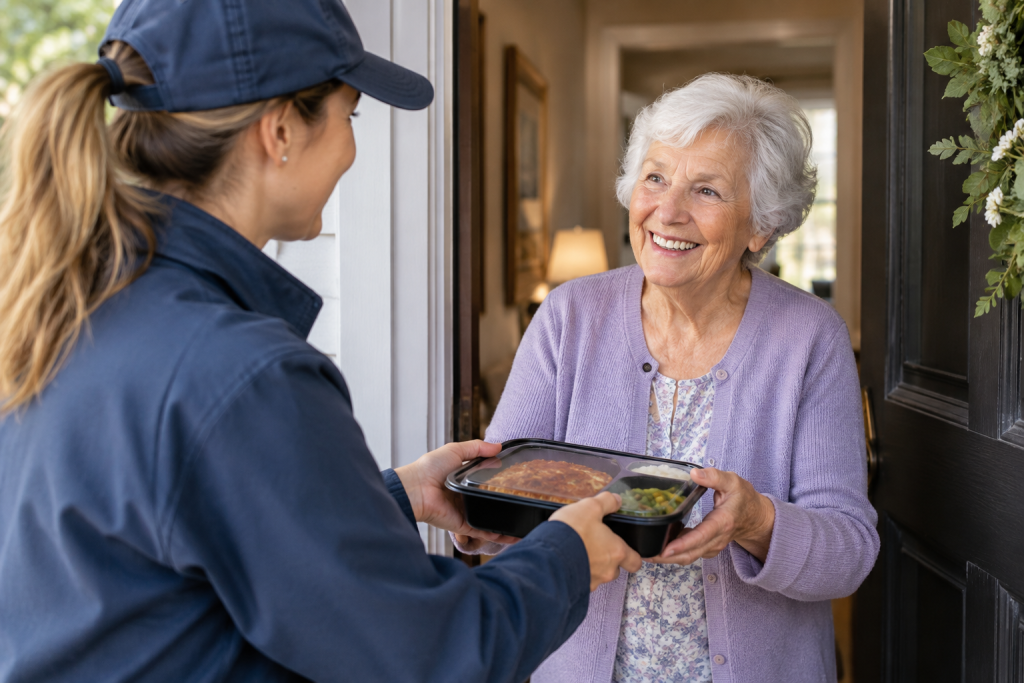
As families look for ways to keep aging loved ones healthy, safe, and independent at home, nutrition is often a top priority. When you first notice that your aging parent is skipping meals, struggling to stand safely at the stove, or letting the refrigerator empty out, meals on wheels for seniors is almost always the first option that comes to mind.
While the traditional non-profit program is an incredible community resource, it isn’t always the right fit—or immediately available—for every family. Navigating senior nutrition can feel overwhelming when you are already juggling work, your own household, and the emotional weight of caregiving. In this guide, we will break down how Meals on Wheels actually works, who qualifies, and what you can do if your loved one needs a more flexible, reliable alternative right away.
What Is Meals on Wheels and How Does It Work?
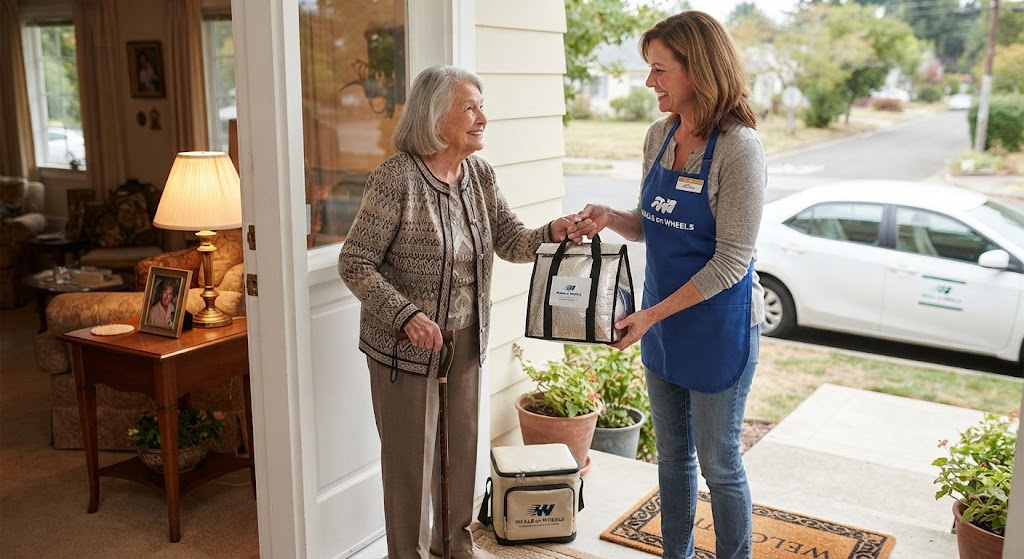
Meals on Wheels is a nationwide network of community-based programs dedicated to addressing senior hunger and isolation. While local chapters operate independently depending on your region, they share a common core mission: delivering nutritious meals directly to the homes of older adults who struggle to cook for themselves.
Typically, local volunteers drop off a hot, freshly prepared meal once a day around lunchtime, Monday through Friday. Beyond the food itself, one of the greatest benefits of the program is the human connection. Because volunteers interact face-to-face with seniors, the visit serves as a vital daily welfare check, helping to spot sudden health emergencies, cognitive declines, or home safety hazards.
When it comes to cost, many local programs operate on a sliding scale based on income, or are entirely free for qualifying low-income seniors through federal grants like the Older Americans Act.
Hot vs. Frozen Meals
Many families assume every chapter drops off a steaming hot meal every single day. However, depending on your local chapter’s operations and your geographic location, you will typically encounter two delivery structures:
Hot Daily Delivery
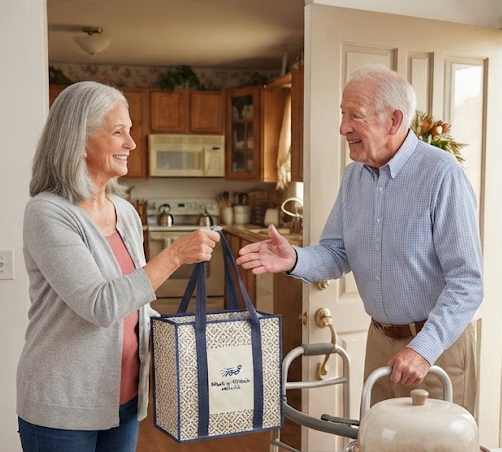
Volunteers drop off a freshly prepared meal once a day around lunchtime, Monday through Friday. Beyond the food, the greatest benefit here is the human connection; volunteers provide a vital daily welfare check to spot health emergencies, cognitive decline, or home safety hazards.
Frozen Meal Packs
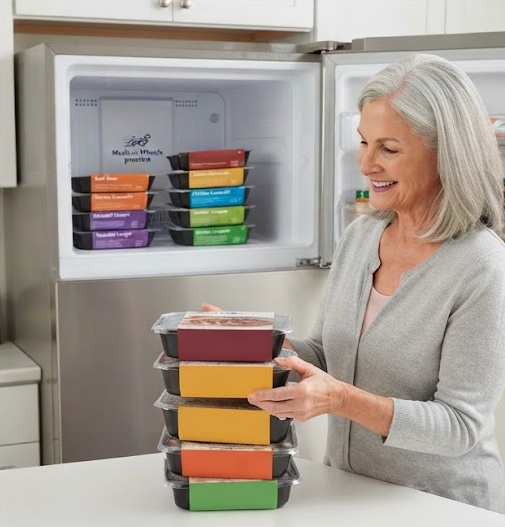
Many chapters deliver a batch of frozen meals once a week. This model is especially common for seniors living in rural areas outside of hot-route radiuses, or for those who prefer having flexibility and stocking up their freezers for weekends.
When it comes to cost, many local programs operate on a sliding scale based on income, or are entirely free for qualifying low-income seniors through federal grants like the Older Americans Act.
Who Qualifies for Meals on Wheels?
While eligibility requirements vary slightly by region, most local chapters look at a few standard criteria:
- Age: Generally, the primary recipient must be age 60 or older.
- Homebound Status: The senior typically must have difficulty leaving the home without assistance due to illness, mobility limitations, or frailty.
- Expanded Exceptions: Many programs also extend eligibility beyond the senior to include adults with disabilities under age 60, spouses or primary caregivers living in the same home (ensuring the caregiver’s nutrition isn’t neglected), or individuals temporarily recovering from major surgery or acute illness.
What to Expect During the Application Process

If you decide to apply, the intake process is designed to match your loved one with the right level of support. Families should generally prepare for:
- An Assessment Interview: A coordinator will evaluate the senior’s mobility, health status, and specific dietary restrictions.
- Basic Documentation: Be ready to provide emergency contacts, primary doctor information, and basic income details if you are applying for a sliding-scale or subsidized rate.
The Hidden Hurdles: When Traditional Programs Fall Short
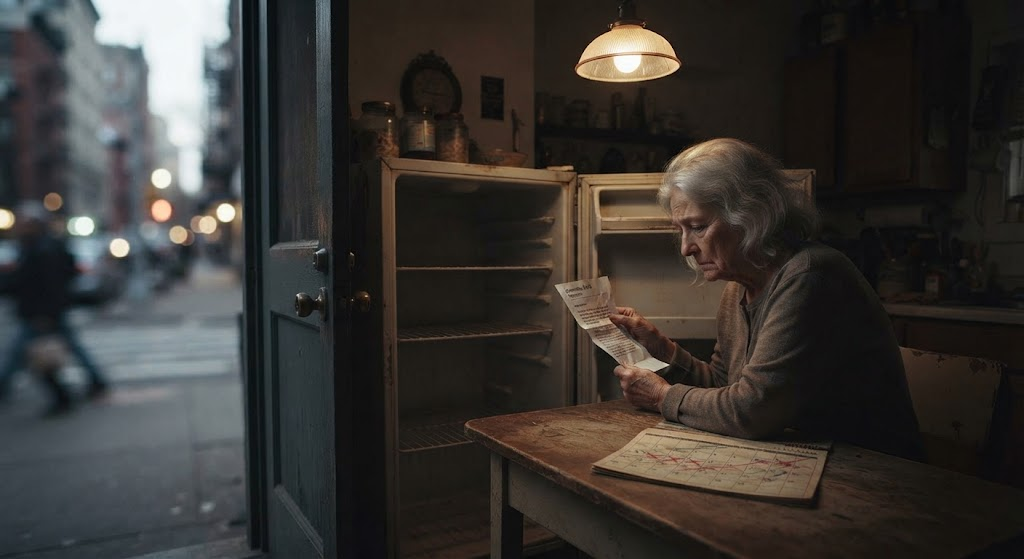
Despite its incredible benefits, traditional Meals on Wheels faces several structural challenges that can leave families scrambling when they need help the most.
Because of high community demand and limited local funding, many chapters maintain long waiting lists, meaning help may not arrive for weeks or even months. Furthermore, eligibility is often strictly tied to age (typically 60 or older), homebound status, and income limits. If your parent lives just above the financial threshold or is still technically mobile enough to drive to the grocery store occasionally, they may be turned away.
Even if your loved one qualifies, coverage is almost exclusively restricted to weekdays. That leaves families entirely responsible for planning, shopping, and cooking for weekend and evening meals. Additionally, while local kitchens do their best to accommodate basic adjustments like low-sodium choices, they frequently struggle to provide specialized, medical-grade diets for complex conditions like advanced diabetes or renal disease.
Looking for a Flexible Alternative? Private Delivery Options
If your senior parent does not qualify for local assistance, faces an endless waiting list, or requires strict medical nutrition, private meal delivery services can bridge the gap seamlessly.
Unlike community non-profits, private direct-to-consumer services allow families to order online, select custom menus, and have meals shipped straight to the doorstep on a predictable schedule. There are no income screenings, no government paperwork, and no long-term community waitlists to navigate.
Spotlight: Mom’s Meals for Medical and Dietary Needs
For families who need reliable, high-quality home-delivered nutrition without the red tape, Mom’s Meals has become a leading national alternative.
Mom’s Meals Review: Medically Tailored Nutrition
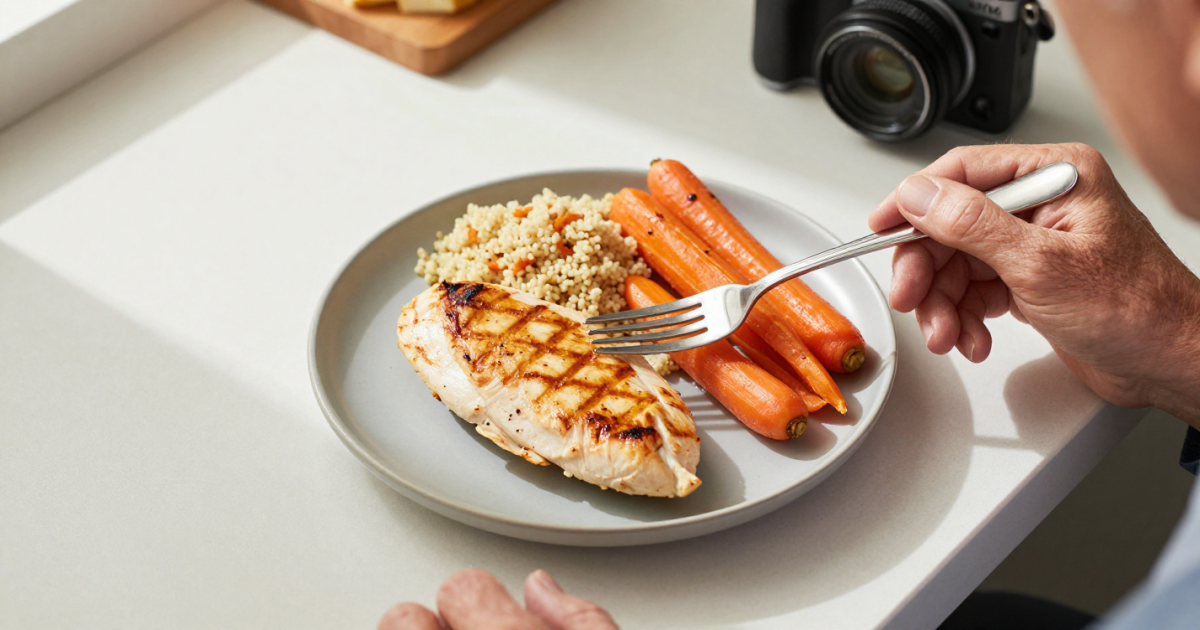
Finding reliable nutrition for an aging parent with complex health conditions can be stressful. Mom’s Meals bridges the gap by delivering nutritionally tailored, refrigerated meals right to your doorstep, making it easier to manage chronic conditions without sacrificing independence.
Key Features
- Medically Tailored Menus: Designed by registered dietitians for specific health needs, including diabetic, renal, low-sodium, and cancer support diets.
- Long Refrigerated Shelf Life: Meals stay fresh safely in the refrigerator for weeks, giving seniors complete flexibility over when they eat.
- Insurance Compatibility: Available for direct purchase, with potential coverage options through select Medicare Advantage or Medicaid waiver programs.
Pros
- No long waitlists or income screenings.
- Easy-to-heat packaging supports independence.
- Delivered nationwide in temperature-controlled boxes.
Cons
- Lacks the daily in-person socialization of volunteer programs.
- Out-of-pocket costs apply if insurance doesn’t cover it.
The Helpful Daughter’s Verdict
“When managing dietary restrictions alongside a hectic caregiver schedule, having food you can trust in the fridge is an absolute game-changer. While it doesn’t replace the warm face-to-face chat of a traditional community volunteer, Mom’s Meals offers an unmatched level of medical reliability and peace of mind for families who need support right away.”
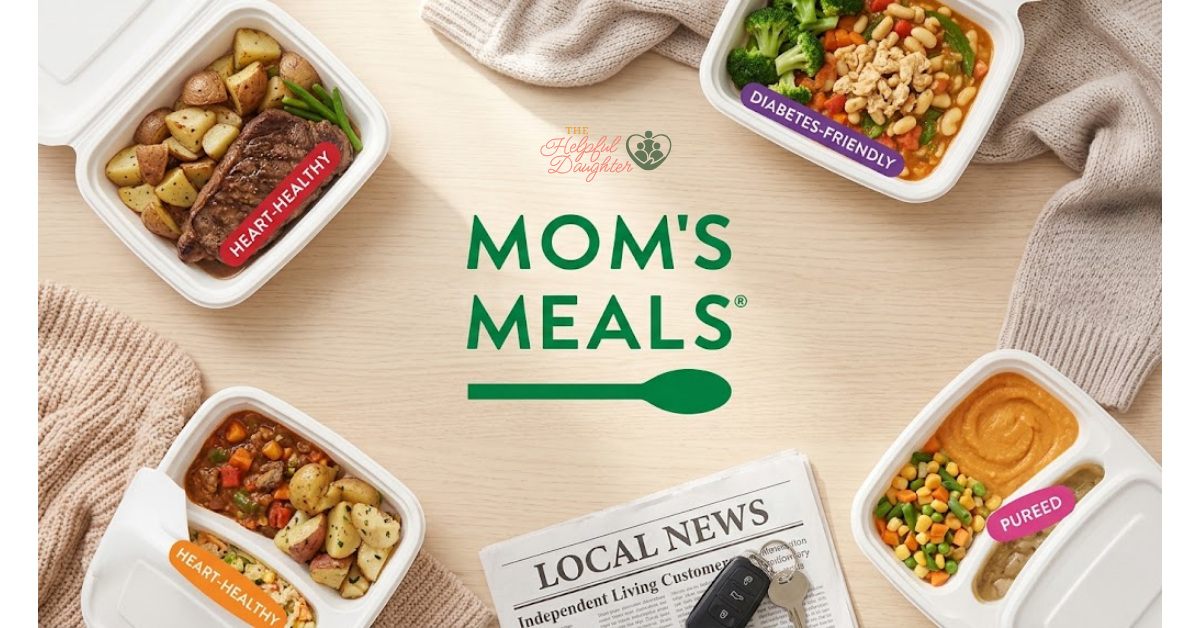
Best Meal Delivery for Seniors: Is Mom’s Meals Worth It?
Finding the right meal delivery for seniors became a priority for me when I started working away from home. The distance makes the everyday realities of caregiving feel much heavier, and something as simple as making dinner can quietly become stressful and unsafe for aging parents
Read More →Final Thoughts: Finding the Right Fit for Your Family

Stepping into the world of senior care can feel like navigating an entirely foreign language, and figuring out nutritional support is often one of the first major hurdles. Whether you are advocating for a parent who values the comforting daily check-in of a local Meals on Wheels volunteer, or you need the flexibility and specialized medical menus of a service like Mom’s Meals, remember that you don’t have to figure it all out overnight.
Take a breath, look closely at your loved one’s specific health needs and daily routines, and remember that asking for help isn’t a sign of giving up—it’s the ultimate act of love. By building a reliable support system today, you are protecting not only your parent’s health and independence, but your own peace of mind as a caregiver.
Frequently Asked Questions (FAQ)
Is Meals on Wheels completely free?
In most cases, traditional Meals on Wheels is either free or asks for a voluntary, sliding-scale donation based on what the senior can afford. However, private alternatives like Mom’s Meals operate on a direct-pay or insurance-covered model.
How do I sign up for Meals on Wheels?
You can apply by visiting the official Meals on Wheels America website and entering your zip code to find your local chapter, which will handle the local application and eligibility assessment.
Can I get meal delivery covered by Medicare?
Traditional Medicare generally does not pay for meal delivery. However, certain Medicare Advantage (Part C) plans and state Medicaid waiver programs now offer coverage for home-delivered meals for chronically ill or recovering members. It is always best to check directly with your loved one’s insurance provider to explore available benefits.
Can I order specialized meal delivery for someone with diabetes or renal issues?
Yes. While traditional Meals on Wheels provides great general nutrition, private delivery services excel at providing medically tailored menus. Look for options that offer physician- or dietician-designed plans specifically calibrated for low-sodium, diabetic-friendly, renal (kidney-friendly), or dysphagia-compliant needs to ensure your loved one’s diet matches their exact treatment plan.
How do I know when it’s time to transition from home cooking to meal delivery?
Keep an eye out for subtle red flags. If you notice a persistently empty or expired refrigerator, sudden unexplained weight loss, scorch marks on pots from forgotten cooking, or if your parent expresses exhaustion at the thought of standing at the stove, it is usually a strong sign that nutritional support is needed. Bringing in meal delivery early can prevent malnutrition, dangerous kitchen accidents, and premature loss of independence.