

There comes a quiet moment in many families’ lives when you walk into your parents’ kitchen and notice things are just a little bit different. Maybe the mail is piling up in a corner, or you spot a fresh bruise from a misjudged step near the rug. You look at each other and realize that living independently is becoming a daily tightrope walk. You want them to stay in the home they love—surrounded by decades of memories—but you also worry about their safety when you aren’t there.
That is usually when families start searching for answers, leading them to look into non medical home care.
If you are feeling torn between wanting your parents to keep their freedom and needing peace of mind, you are far from alone. Navigating this transition can stir up a heavy mix of guilt, love, and uncertainty. But understanding your options is the first step toward finding a balanced rhythm. This guide breaks down what non-medical home care actually looks like, how it helps, and how to gently introduce the idea to your family without making it feel like an intrusion.
Understanding Non Medical Home Care

When people first hear the word “care,” their minds often jump straight to hospitals, white coats, and medical equipment. But non-medical home care is entirely different. It is designed around comfort, daily living, and preserving dignity.
At its core, this type of support focuses on assistance with activities of daily living rather than skilled nursing tasks. Think of a compassionate helper stepping in to bridge the gap between complete independence and needing a nursing facility. It is not about taking away a parent’s control; it is about providing a supportive safety net so they can safely manage their routine.
Whether it is someone coming over for a few hours a week to help with laundry and meal prep or a daily visitor to assist with morning routines, these services adapt to what your family actually needs. It is the practical help that lets aging adults breathe a little easier in their own space.
Everyday Ways Non Medical Home Care Makes a Difference
When you are deep in the day-to-day routine of caregiving, the small tasks start piling up faster than you can manage. Non-medical home care steps in precisely where everyday life gets heavy.
Keeping the House Safe and Livable
A tidy home is much more than just a matter of appearance—it is about physical safety. Clutter, poorly placed rugs, and hard-to-reach dishes can quickly turn into hidden hazards. A dedicated home helper can assist with light housekeeping, changing bed linens, and taking out the trash, ensuring the living environment remains clean and hazard-free without your parents feeling like their space is being taken over.
Nourishing Meals and Kitchen Confidence

Cooking a balanced meal takes a surprising amount of energy. Between grocery shopping, standing at the stove, and managing cleanup, it can easily become exhausting. Having support with meal preparation means your loved one gets fresh, nutritious food without the risk of kitchen fatigue or skipped meals. Plus, sharing a meal and a cup of tea with a friendly face often brings wonderful companionship.
Gentle Support with Personal Routines

Maintaining personal hygiene and getting dressed every morning are fundamental to self-esteem. However, as joints stiffen or energy wanes, these tasks can become frustrating or risky—especially in slippery bathrooms. Having a patient, respectful assistant to stand by or offer a steady hand during bathing and dressing ensures your parents maintain their dignity and safety.
Transportation and Staying Connected
The loss of driving privileges is often one of the hardest emotional blows for older adults. It can quietly shrink their world, leading to isolation. Non-medical support often includes reliable transportation to doctor appointments, grocery stores, and local community events. Staying connected to the outside world does wonders for emotional well-being and helps prevent the loneliness that so often creeps in with age.
How to Find Trusted Non-Medical Home Care

Searching for home care can feel overwhelming when you are trying to balance work, your own family, and your parent’s safety. Having a reliable roadmap makes the process much more manageable. Here are the steps to take:
- Ask for Trusted Recommendations: Start by speaking with your parent’s geriatrician, hospital discharge planners, or trusted friends who have walked this path. Personal recommendations are often the most reliable starting point.
- Explore Free Advisory Services: If you are feeling stuck or want to streamline your search locally, free senior advisory services like A Place for Mom can help connect you with vetted, licensed home care agencies in your specific area at no cost to your family.
- Interview Multiple Agencies: Don’t just settle for the first option you find. Speak with at least two or three agencies to compare their caregiver training standards, background check processes, and hourly minimums.
- Inquire About Compatibility: A great agency will work hard to match your parent’s personality, interests, and schedule with a caregiver who feels like a genuine fit.
How to Talk to Your Parents About Getting Help
Bringing up the topic of outside help is rarely easy. Many parents instantly worry about losing their autonomy or feel like they are becoming a burden to their children.
Instead of presenting home care as a solution to their decline, try framing it around preserving their energy and protecting your relationship. Let them know that you want to spend your time with them enjoying each other’s company—sharing stories, laughing, and cooking together—rather than constantly rushing around to handle chores and errands.
Involve them in the decision-making process as much as possible. Let them help choose the schedule or interview potential helpers so they feel a sense of ownership. Acknowledging their feelings of hesitation validates their perspective and builds trust right from the start.
Final Thoughts
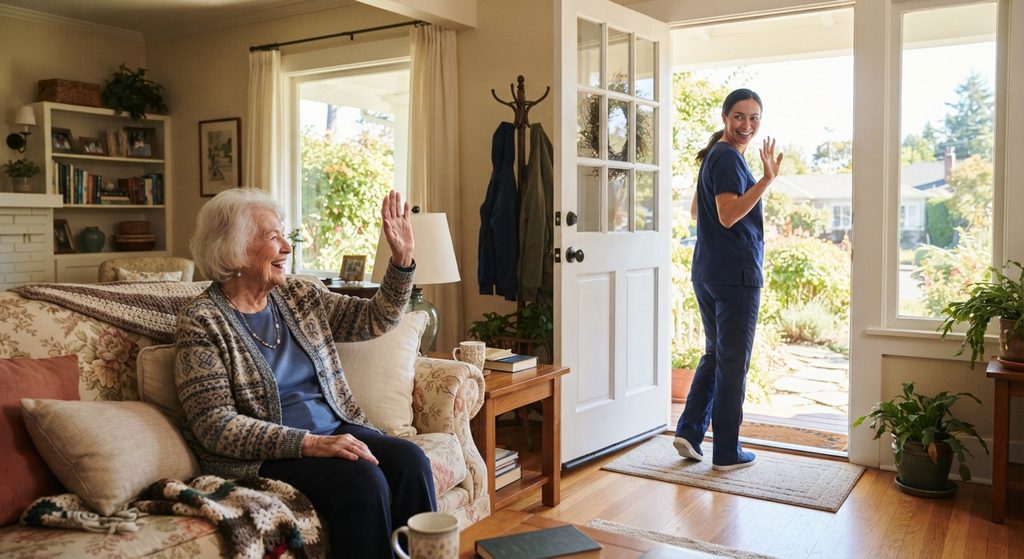
Deciding to invite outside support into your parents’ home is a major emotional milestone. It requires letting go of the idea that you have to carry everything on your own shoulders, and embracing the truth that loving someone deeply sometimes means knowing when to share the load.
Remember that welcoming non-medical home care is not a sign of failure. Instead, it is a proactive choice to protect your parents’ safety, preserve their independence, and bring peace back to your family dynamic. Take it one step at a time, trust your instincts, and focus on what keeps your parents comfortable, safe, and truly happy at home.
Frequently Asked Questions
What is the main difference between medical and non-medical home care?
Non-medical home care focuses on daily living assistance, such as companionship, light housekeeping, meal preparation, and help with dressing or bathing. Medical home care, on the other hand, involves licensed nurses or therapists providing clinical treatments, wound care, or physical therapy prescribed by a doctor.
How do I know when my aging parent actually needs home care?
Look for subtle warning signs in their daily routine. These can include unexplained weight loss, spoiled food in the fridge, neglected household chores, unopened mail, uncharacteristic falls, or difficulty keeping up with personal hygiene and medication schedules.
Can non-medical home care helpers dispense medications?
Generally, non-medical caregivers cannot administer medications directly. However, they can provide medication reminders, help organize pill boxes according to a family member’s instructions, and notify you if doses are being missed.
Will having a caregiver mean my parent loses their independence?
Actually, it usually does the opposite. By taking over exhausting physical chores and errands, non-medical care preserves your parents’ energy, allowing them to focus on the things they still enjoy doing independently.
How are non-medical home care services typically paid for?
Most non-medical home care is paid for out-of-pocket by families, through private pay arrangements. While standard health insurance and Medicare typically do not cover non-medical personal care, some long-term care insurance policies, veteran benefits, or local state assistance programs may offer coverage.
Can we choose the schedule, or is it rigid?
Home care schedules are generally very flexible. You can arrange for a caregiver to visit for just a few hours a week to help with specific errands, or set up daily visits depending on your family’s changing needs and budget.
How can I ease my parent’s resistance to having a stranger in their home?
Start conversations early before an emergency happens, involve them in selecting the caregiver or agency, and introduce the helper slowly—perhaps starting with companionship visits for tea before transitioning into heavier assistance tasks.
Is non-medical home care available on weekends and overnight?
Yes, many agencies and independent caregivers offer flexible scheduling that includes evening, overnight, and weekend support to ensure your parents are safe and comfortable around the clock.