
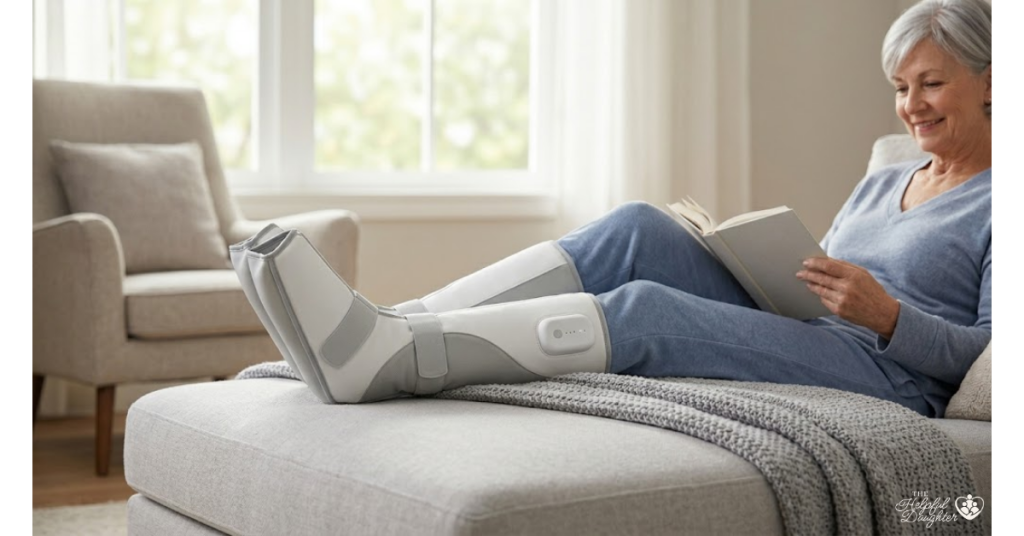
Helping a loved one recover after surgery is a massive responsibility. Between managing medications, keeping up with post-op discharge instructions, and ensuring their comfort, family caregivers face an incredibly demanding routine.
One critical hurdle that often arises during post-op recovery is poor leg circulation. Whether your loved one is recovering from a knee replacement, hip surgery, or an abdominal procedure, their mobility is suddenly drastically reduced. What begins as minor swelling around the ankles or complaints about heavy, aching calves can quickly stall recovery and, more seriously, increase the risk of deep vein thrombosis (DVT).
When searching for how to improve circulation in elderly legs, standard medical advice usually points to frequent walking, physical therapy exercises, and medical compression socks. However, when a patient is dealing with post-op pain, these solutions can be incredibly difficult to enforce, creating unnecessary physical and emotional stress for both the patient and the caregiver.
That is why many families are turning toward gentle, at-home sequential compression therapy to provide clinical-grade circulation support right from the couch.
The Impact of Post-Op Leg Swelling on Recovery
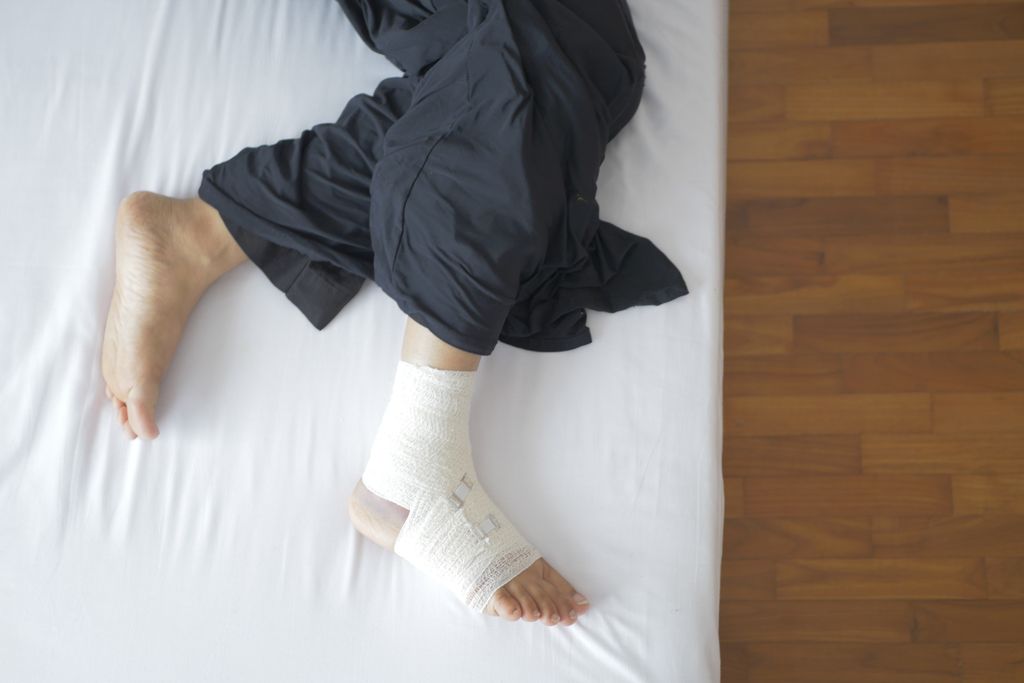
Post-surgery circulation problems rarely stay isolated to the legs; they disrupt a patient’s entire daily routine and rehabilitation schedule.
When a patient sits or rests in bed for long periods to heal, blood naturally pools in the lower extremities. This triggers fluid retention (edema), numbness, and painful nighttime muscle cramps. On a practical level, this creates a challenging domino effect for recovery:
- Reduced Mobility: Simple movements, like transitioning from a bed to a chair, take twice as long because the patient’s legs feel heavy, stiff, and unresponsive.
- Resistance to Rehabilitation: Severe swelling and the fear of sudden pain can make patients hesitant to stand or perform their required post-op physical therapy exercises.
- Disrupted Sleep: Evening swelling and restless legs frequently cause nighttime waking, preventing the deep, restful sleep that is essential for cellular healing and tissue repair.
Addressing circulation isn’t just about comfort; it is a critical component of ensuring a smooth, safe, and timely surgical recovery.
Traditional Post-Op Compression vs. Home Sequential Compression
Surgeons almost always prescribe circulation interventions after surgery, but the practical reality on the ground is rarely simple.
| Traditional Post-Op Solutions | At-Home Sequential Compression |
|---|---|
| Medical Compression Socks: Pulling tight, stubborn elastic over a swollen, highly sensitive post-op leg can be incredibly painful for the patient. | Compression Boots: Designed with wide velcro wraps. Systems like the Hyperice Normatec Elite slide on effortlessly without pulling on fresh surgical incisions. |
| Outpatient Physical Therapy: Transporting a post-op senior to a clinic involves significant logistics, lifting, and travel fatigue, easily consuming half a day. | Living Room Therapy: Delivers targeted circulation support while the patient rests comfortably at home watching TV or reading. |
Modern sequential compression devices (SCDs) designed for home use bridge the gap between doctor’s orders and patient comfort.
What Is Sequential Compression Therapy?
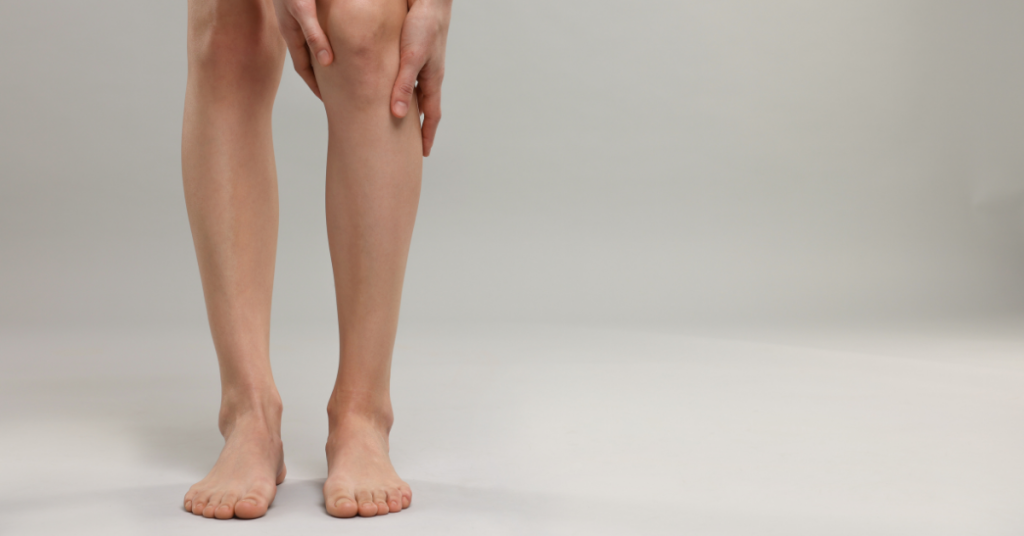
If your loved one spent time in the hospital’s post-op recovery wing, you likely saw them hooked up to inflatable leg sleeves.
Hospitals use these systems to mimic the natural pumping action of walking. By applying controlled air pressure that moves from the ankles upward, the device gently coaxes blood and fluid back up toward the heart, actively preventing dangerous blood clots.
Today’s home systems bring this exact clinical technology into the living room. Instead of tight, constant constriction, these devices use soft, inflatable boots that apply pressure in gentle, rhythmic waves. Most users describe the sensation as a relaxing, deep-tissue massage rather than a medical treatment.
The Benefits of Wireless Systems
Older, clinical compression machines were notoriously bulky—featuring heavy control boxes, loud motors, and a web of tangled hoses stretched across the floor. For a post-op patient who is already a significant fall risk, those cords introduce an unnecessary hazard.
Wireless compression boots eliminate this friction.
By integrating the pump directly onto the sleeve, cordless systems remove the hassle of setup. Caregivers don’t have to spend time untangling tubes or configuring complex hardware. It is as simple as securing the velcro wrap, pressing a button, and letting the device go to work. This simplicity ensures the device actually gets used daily rather than sitting forgotten in a closet.
A premium example of this cordless design is the Hyperice Normatec Elite, which integrates the controls directly onto the boots, completely eliminating dangerous, tangled hoses for post-op seniors.
What Should You Consider Before Buying
If you are looking to invest in a home compression system for post-op recovery, keep these key factors in mind:
- Sizing and Adjustable Fit: Post-op legs experience significant fluid fluctuations. Look for a boot with a generous, adjustable velcro design that can accommodate swelling without pinching the skin.
- Ease of Use: Avoid overly technical interfaces. Look for cordless systems with straightforward one-touch controls.
- App or Bluetooth Integration: Some premium systems allow you to adjust the pressure settings or target specific zones (like the calves or ankles) directly from a smartphone app. This allows caregivers to fine-tune the therapy from across the room without disrupting the patient’s rest.
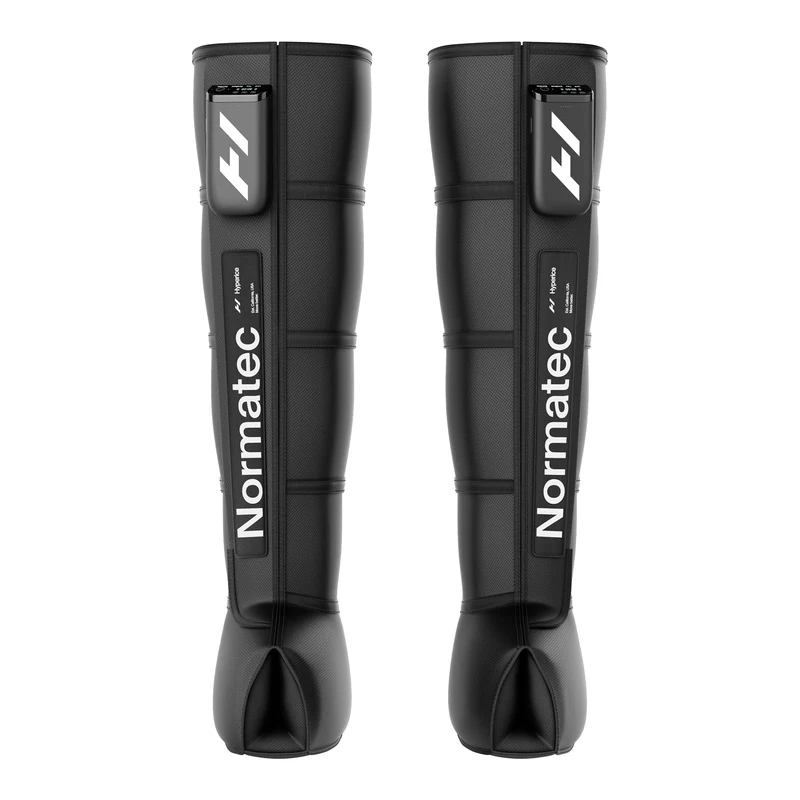
My personal favourite, the Hyperice Normatec Elite has Bluetooth connectivity, allowing you to customize pressure levels and target specific leg zones directly from your phone without waking anyone
Final Thoughts

Improving circulation doesn’t have to be a source of daily stress. While traditional solutions like compression stockings have their place, modern wireless compression therapy offers an efficient, stress-free alternative that protects the patient’s veins and the caregiver’s energy.
Investing in a high-quality system is a practical step toward a smoother, safer recovery—and a more manageable daily routine for the entire household.
Frequently Asked Questions
Why are compression boots preferred over post-op compression socks?
Post-op compression stockings require immense physical tugging to pull over a swollen heel, which can disrupt fresh incisions and cause significant pain. Compression boots use adjustable velcro wraps that lay flat under the leg and fold over effortlessly, completely avoiding rough friction against sensitive skin.
Are home sequential compression devices safe to use after surgery?
Yes, hospitals routinely use this exact technology post-surgery to prevent blood clots. However, if the patient has a history of congestive heart failure, severe peripheral artery disease (PAD), or a suspected active blood clot, you must consult their surgeon before introducing a home device.
How often should a patient use compression boots during recovery?
Always consult your doctor. While usage depends on the specific surgical recovery plan, a common schedule is one or two 20-to-30-minute sessions per day