
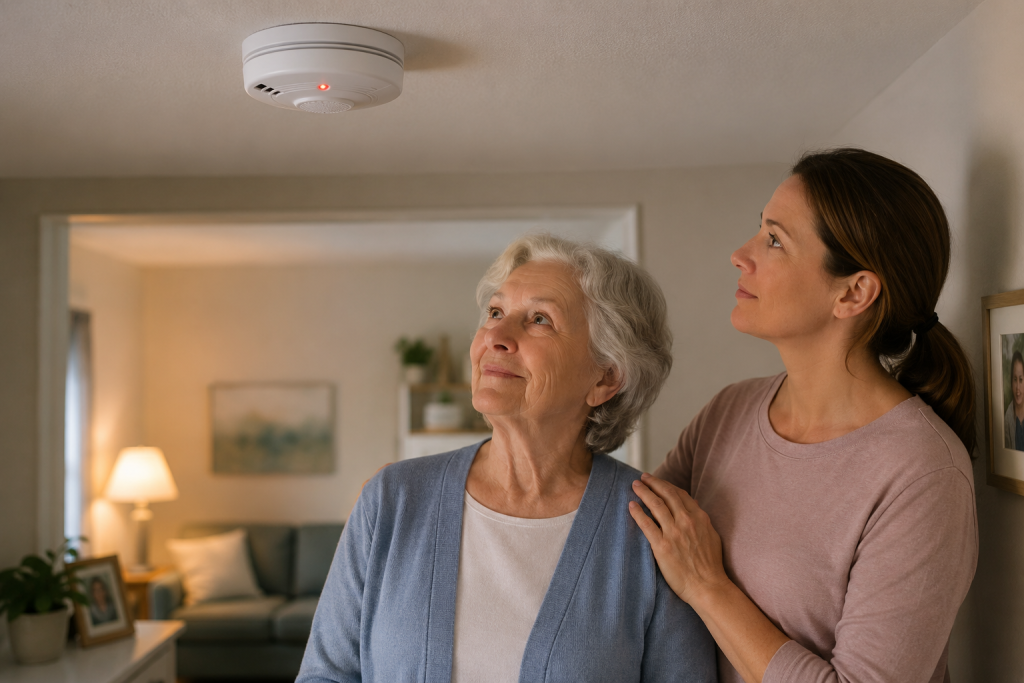
A few months ago, a caregiver named Martha shared a story with me that keeps many adult children up at night. Her father, George, who is living with moderate Alzheimer’s disease, decided to make a late-night snack. He put a piece of toast in the toaster, but his cognitive changes caused him to lose track of time. When the bread caught fire, the standard hallway smoke detector let out a piercing, 85-decibel shriek.
Instead of evacuating, George became completely disoriented by the piercing noise. He ran toward the sound, trying to hit the machine with a broom to stop the noise, entirely unaware of the smoke gathering in the kitchen.
This is the hidden reality of dementia caregiving: dementia fire safety smoke alarms. For a loved one experiencing memory loss, confusion, or executive function decline, a standard blaring alarm does not always signal “escape.” Instead, it can trigger intense panic, a catastrophic reaction, or a freezing response.
Protecting a parent with dementia requires a shift from passive monitoring to active intervention. The goal is to choose systems that alert you (the caregiver) or a monitoring service instantly, while keeping the sensory environment inside the home clear enough for your parent to follow a simple exit path.
Why Standard Alarms Fail Seniors with Dementia
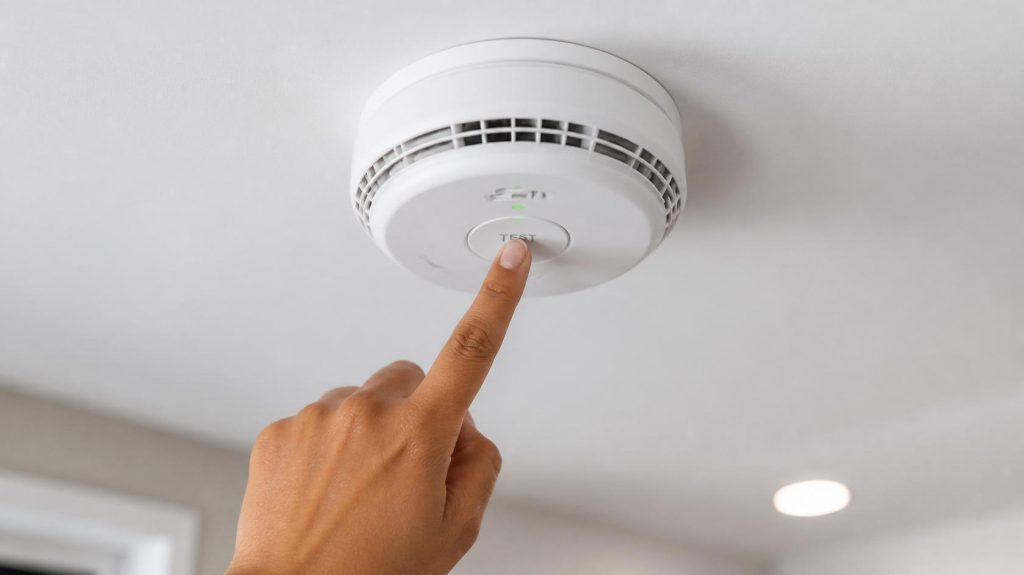
In a standard household, an alarm goes off, and the occupants immediately deduce the problem and exit. For someone with cognitive decline, that chain of logic frequently breaks down:
- Sensory Overload: The high-frequency piercing tone of a traditional alarm can cause severe agitation, physical pain, or panic. A senior may hide in a closet or bathroom to escape the noise rather than fleeing the house.
- Rational Response Deficit: A person living with dementia may not connect the sound of an alarm with the presence of fire. They might mistake it for an annoying alarm clock or a broken appliance.
- The “Fix It” Impulse: As seen with George, many seniors will instinctively try to quiet the noise themselves—climbing onto shaky chairs or poking at ceilings—putting themselves in direct danger from both falls and smoke inhalation.
- Age-Related Hearing Loss: Many seniors also experience age-related hearing loss, specifically losing the ability to hear high-frequency pitches (like standard alarm beeps). This makes traditional alarms both terrifying when heard, and easy to miss entirely when they are asleep.
The Best Dementia Fire Safety Smoke Alarms
When configuring a fire safety system for a parent with memory impairment, look for devices that prioritize vocal clarity, caregiver notification, and automated response.
1. Smart Interconnected Alarms with Voice Alerts (e.g., Google Nest Protect)

Instead of a terrifying siren, systems like the Google Nest Protect use a calm, human voice to state exactly what is happening (e.g., “Warning: There is smoke in the hallway”).
- Why it works for dementia: A spoken warning is much easier for an impaired brain to process than an abstract, high-pitched siren.
- The Caregiver Benefit: These units connect to your smartphone. If an alarm triggers, you get an immediate push notification wherever you are, allowing you to call emergency services or check on them instantly.
- Caregiver Real Talk on Testing: We all know testing smoke alarms is a monthly necessity, but the sudden test beep can trigger a major panic episode. Try to schedule your monthly alarm tests for times when your loved one is out of the house—such as during an adult day program, a doctor’s visit, or a walk with another family member.
2. Monitored Personal Safety Fire Systems
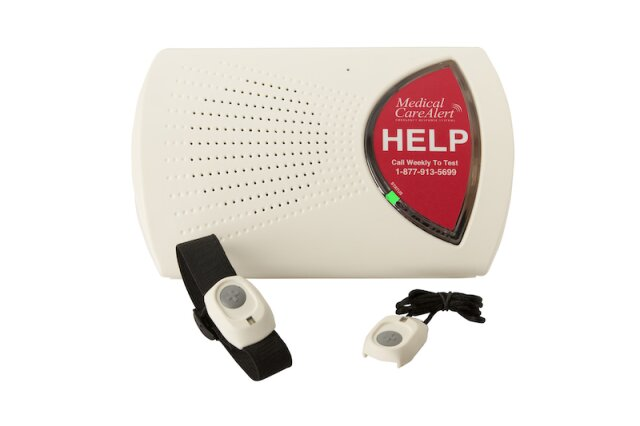
If your parent lives alone, a local hallway alarm might not be enough if they cannot independently navigate a crisis or dial 911. A highly effective solution is to pair your home safety plan with a monitored system like the Medical Care Alert HOME System.
Bonus Peace of Mind: Every system includes a complimentary key lockbox. You can provide the combination to the monitoring center in advance, ensuring first responders can enter the home quickly without damaging the door or causing further panic.
Why it works for dementia: Instead of relying on your loved one to find a phone, they can wear a lightweight, shower-safe pendant or wristband. If they press the button—or if an optional AutoFALL sensor detects a fall—it instantly routes to a U.S.-based monitoring center staffed by EMT/EMD-certified operators.
The Caregiver Benefit: The operators speak directly to your parent through a central, whole-house two-way speaker base station. They use a calm, reassuring voice to guide them while simultaneously dispatching the fire department or EMS. Once help is dispatched, the system automatically sends SMS text notifications directly to your phone, keeping you immediately in the loop.
3. Rate-of-Rise Heat Detectors (For the Kitchen)
Traditional ionization smoke detectors in a kitchen are notorious for false alarms from scorched toast or heavy steam. For a senior with dementia, frequent false alarms create a “crying wolf” effect or cause constant, unnecessary distress.
- Why it works for dementia: Replacing the kitchen smoke detector with a heat detector means the alarm will only trigger if temperatures spike rapidly (indicating an active fire), completely eliminating nuisance cooking alarms while maintaining robust safety.
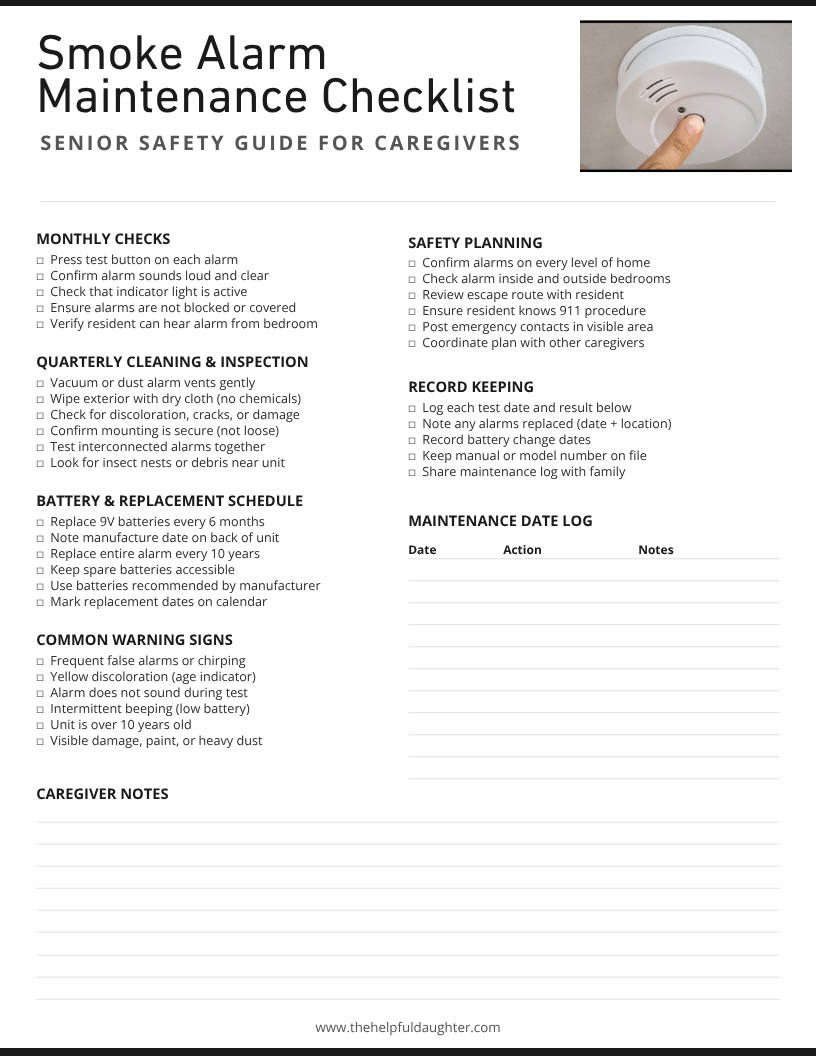
Free Smoke Alarm Maintenance Checklist
Keep your aging parents safe without the guesswork. Track monthly tests, battery replacements, and critical replacement dates in one simple printout.
Instant PDF download • No sign-up required
Essential Companion Fire Safety Devices

A complete fire safety plan for dementia goes beyond the ceiling panels. You need to stop fires before they can start.
| Device Type | How It Works | Why It’s Vital for Dementia |
|---|---|---|
| Automatic Stove Shut-off (e.g., FireAvert) |
Plugs into the back of your stove. If it hears a smoke alarm sound, it cuts the electricity or gas to the stove instantly. | Cooking is the number one cause of household fires. This stops a smoldering pan from turning into a structural fire, giving you peace of mind. |
| Visual Escape Paths | Bright, high-contrast “EXIT” signs on exterior doors paired with motion-activated floor lighting. | Shadows and darkness worsen dementia confusion (especially during late-afternoon sundowning). Clear visual cues guide them out safely. |
| Gas Interruption Valves | Automatically shuts off natural gas lines if a leak or sustained heat signature is detected. | Prevents accidental gas buildup if a burner knob is turned on but not lit. |
Environmental Adjustments for Caregivers
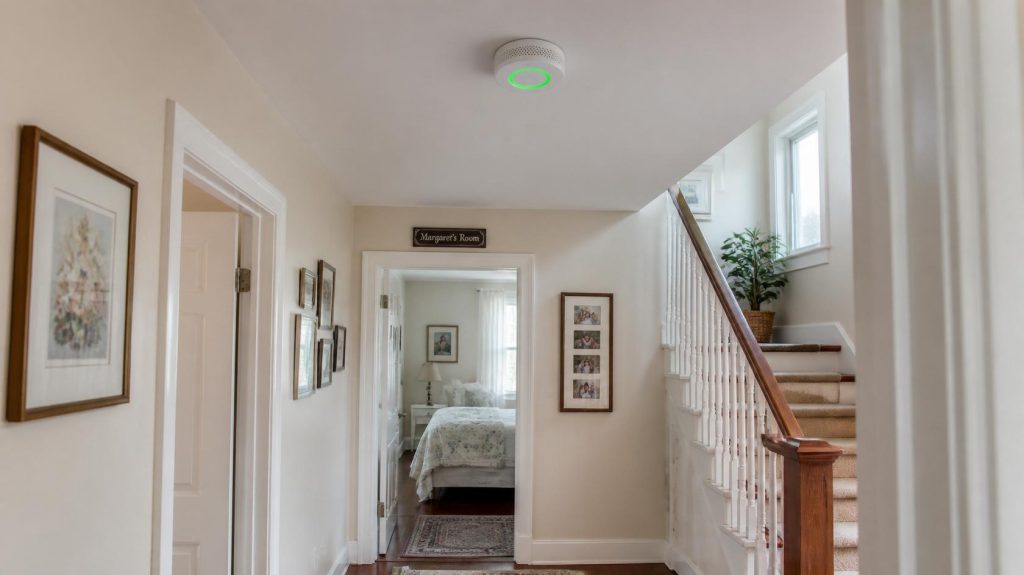
You can dramatically lower fire risks by making a few simple, everyday adjustments around your parent’s home:
- Swap the candles: Gather up all matches, lighters, and wax candles. Replace them with warm, battery-operated LED candles so your parent can still enjoy a cozy atmosphere without the open flame.
- Remove space heaters: Portable space heaters are a massive fire hazard. It is best to remove them from the home entirely and rely on central heating or safe, enclosed radiant heating panels.
- Light the way: Shadows and darkness can worsen dementia confusion, especially during late-afternoon “sundowning.” Install bright, motion-activated path lighting along the hallways and high-contrast “EXIT” signs over exterior doors to guide them naturally if they get turned around at night.
Practical Checklist: Creating a Dementia-Friendly Safety Net
Essential steps to optimize home safety and establish a proactive support network.
-
Register with the Vulnerable Persons Registry
Contact your local fire department or township to register your parent. This alerts first responders before they arrive that the occupant has a cognitive impairment.
-
Introduce Yourself to the Local Fire Station
Call your local station’s non-emergency line to explain the situation. Many stations offer free safety assessments and can assist with specialized smoke alarm installations.
-
Build a Neighbor Safety Net
Provide a trusted next-door neighbor with a spare key and your contact details. Ask them to call 911 immediately if they notice smoke or hear an alarm.
-
Keep Exits Dead-Simple
Ensure all exit doors are easy to operate. Avoid complex, multi-step double deadbolts that could confuse or trap a senior during an emergency evacuation.
-
Establish a Default Action (Early Stages)
Practice one unvarying step: “If the voice speaks, walk out the front door to the mailbox.” Keep it simple and avoid complicated backup plans.
-
Utilize Budget-Friendly Hacks
If smart ecosystems aren’t in the budget, leverage affordable baby monitors to listen for traditional alarms from another room, or manually flip off the stove’s circuit breaker at night.
Final Thoughts: Changing the Environment, Not the Person
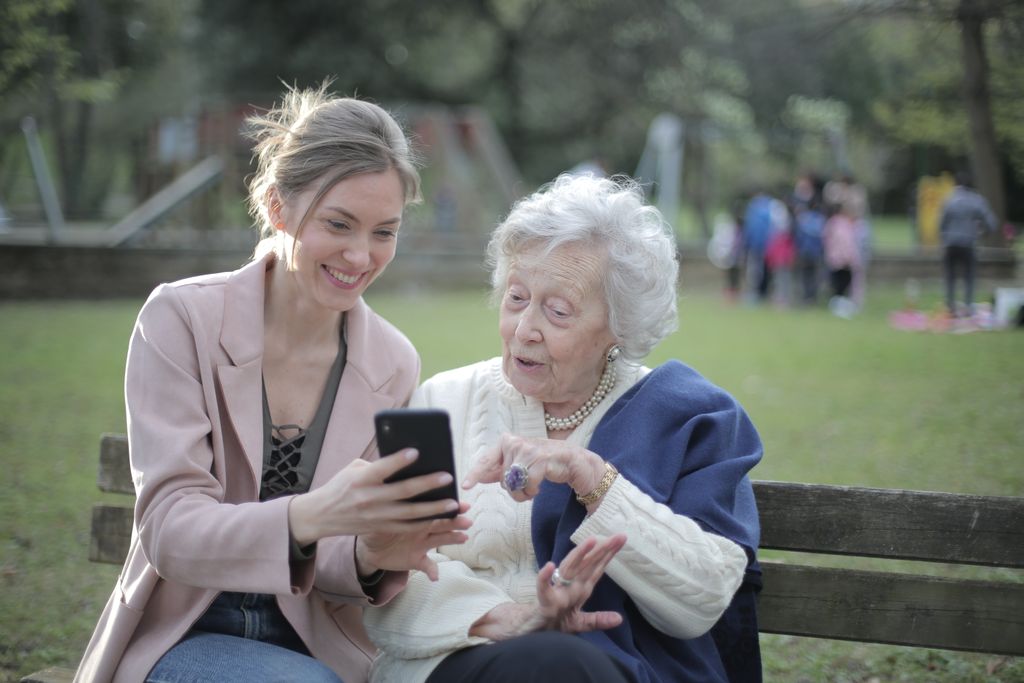
At its core, dementia-friendly fire safety is about a profound shift in perspective. As caregivers, we often spend a massive amount of energy trying to teach, remind, or correct our loved ones—hoping they will remember to turn off the stove “just this once,” or hoping they will remember what to do if an alarm sounds.
But the reality of progressive cognitive decline is that we cannot change their diagnosis, nor can we predict how their brain will process a crisis.
The gold standard of dementia caregiving is simple: We must stop trying to change the person, and instead focus entirely on changing their environment.
By building a proactive safety net—whether that means installing an automatic stove shut-off, upgrading to low-frequency voice alarms, or registering with your local fire department—you are taking the cognitive burden off your parent’s shoulders. You are setting up a system that protects them automatically, even when their memory cannot.
Taking these steps doesn’t just keep your parent safe; it gives you permission to breathe. You no longer have to lie awake wondering “what if.” You have built a safety net strong enough to catch them, leaving you with more room to simply be their daughter, their son, or their partner.
You are doing an incredible job navigating a deeply challenging journey. Take it one adjustment at a time. Your peace of mind is worth every single step.
Frequently Asked Questions
I’m so exhausted by false alarms, and they terrify my mom. Can I just disable the smoke detectors?
I completely understand how tempting this is. When you are running on empty and a burnt piece of toast triggers a massive panic attack, it feels like the alarms are doing more harm than good. But please, never disable your smoke alarms.
Instead, change how they talk to you. Upgrade to smart, interconnected alarms that you can instantly silence from your phone, or look into systems that send the alert directly to your phone or bedroom first, giving you a chance to check the kitchen before the loud sirens start.
Are there fire safety options if my parent has severe hearing loss?
Yes, and this is highly common. Traditional high-frequency alarms are usually the first sounds lost to age-related hearing decline. You can look into low-frequency alarms. This tone is much easier for aging ears to detect and is far less disorienting for someone with dementia. For bedtime safety, you can also install strobe light receivers or “bed shakers”—vibrating pads placed under their mattress or pillow that physically wake them up if the system triggers.
How often should we practice fire drills?
This depends entirely on the stage of your parent’s journey. If they are in the early stages, you can practice a simple, one-step drill once a month: “When the voice speaks, we walk straight to the front mailbox.” Keep it identical every time.
If they are in the moderate to late stages, stop trying to teach them how to escape. The cognitive load is simply too high, and drills will only cause unnecessary confusion and fear. Instead, shift all of that preparation to yourself, your family, and your neighbors. Practice how you will guide them out, make sure emergency keys are always in the same accessible spot, and know exactly how you will handle physical resistance.