

It starts with a simple doctor visit. You walk in thinking you are just getting your parent’s blood pressure checked, and you walk out with a list of rules that feels like a chemistry assignment. No more than 1,500 milligrams of sodium a day. Watch the carbohydrate intake to manage their blood sugar. Ensure their food is soft enough so they do not choke.
Suddenly, standing in the grocery store aisle feels overwhelming. You stare at nutrition labels, wondering how you are supposed to turn a basket of low-sodium, low-glycemic, and easy-to-chew ingredients into a meal your parent will actually want to eat.
You want them to be healthy, but you also want them to enjoy their life—and food is a major part of that. On top of everything, you have your own job, your own household, and your own energy levels to manage. Trying to run a specialized restaurant kitchen out of your home is a fast track to caregiver burnout.
The good news is that managing senior dietary restrictions does not require you to spend hours cooking separate meals every single day. By understanding why these diets matter, learning how to make simple adjustments, and utilizing smart kitchen shortcuts, you can keep your parent well-nourished without losing your sanity.
The Impact of Nutrition on Aging Bodies

When we talk about senior dietary restrictions, it helps to understand why a doctor places these boundaries on a loved one’s plate. Nutrition directly impacts how much energy your parent has to get out of bed, how well their body heals from minor cuts or bruises, and how successfully they can remain independent.
As bodies age, they process nutrients differently. Older adults generally need fewer calories because their metabolisms slow down, but their need for vital nutrients—like protein, calcium, and vitamin D—remains the same or even increases. This means every bite they take needs to work harder.
When a chronic condition like heart disease, diabetes, or kidney disease enters the picture, the margins for error shrink. A single high-sodium meal can cause rapid fluid retention, leading to swollen ankles and shortness of breath for someone with congestive heart failure. Conversely, a meal with too many fast-digesting carbohydrates can spike blood sugar, leaving your parent feeling exhausted, dizzy, or confused.
Let’s demystify these dietary needs so you can feel confident preparing meals.
Understanding Common Senior Dietary Restrictions
Doctors use a lot of clinical shorthand. Let’s translate those medical terms into practical, plate-level reality.
1. Heart-Healthy and Low-Sodium Diets
If your parent has high blood pressure (hypertension), congestive heart failure, or general heart disease, their doctor likely recommended a low-sodium or DASH (Dietary Approaches to Stop Hypertension) diet.
- The Goal: Reduce the workload on the heart and blood vessels by minimizing fluid buildup.
- The Daily Limit: Often around 1,500 to 2,000 milligrams of sodium per day. To put that in perspective, a single teaspoon of table salt contains about 2,300 milligrams.
- The Sneaky Offenders: It is rarely the salt shaker on the table that pushes seniors over their limit. The real culprits are processed foods, canned soups, store-bought salad dressings, and deli meats.
Low-Sodium Flavor Boosters

When you cut back on salt, food can taste bland. Since our taste buds naturally lose sensitivity as we age, your parent might complain that their meals taste like cardboard. Instead of salt, rely on acid and aromatics:
- Fresh lemon or lime juice squeezed over vegetables and fish.
- Garlic powder, onion powder, and smoked paprika.
- Fresh herbs like rosemary, thyme, and basil.
- Vinegars, such as balsamic or apple cider vinegar, to brighten up stews and soups.
2. Carbohydrate-Conscious Diets (Type 2 Diabetes)
Managing diabetes in older adults is less about starving them of carbs and more about choosing the right types of carbohydrates and pairing them correctly.
- The Goal: Keep blood sugar levels stable, avoiding dangerous spikes and crashes.
- The Strategy: Focus on complex carbohydrates that digest slowly, rather than simple carbohydrates that hit the bloodstream all at once.
- The Pairing Rule: Never serve a carbohydrate alone. Pairing a carbohydrate with a healthy protein or fat slows digestion even further, preventing sharp blood sugar spikes.
| Choose This (Complex Carbs & Fibers) | Limit This (Simple Carbs & Sugars) |
| Steel-cut oats or rolled oats | Instant oatmeal packets with added sugar |
| Brown rice, quinoa, or wild rice | White rice and instant white rice |
| Whole-grain or sprouted bread | White sandwich bread, croissants, and bagels |
| Roasted sweet potatoes with the skin on | Mashed white potatoes or French fries |
| Whole berries, apples, and pears | Canned fruit packed in heavy syrup or fruit juices |
3. Dysphagia: Pureed and Soft-Food Diets
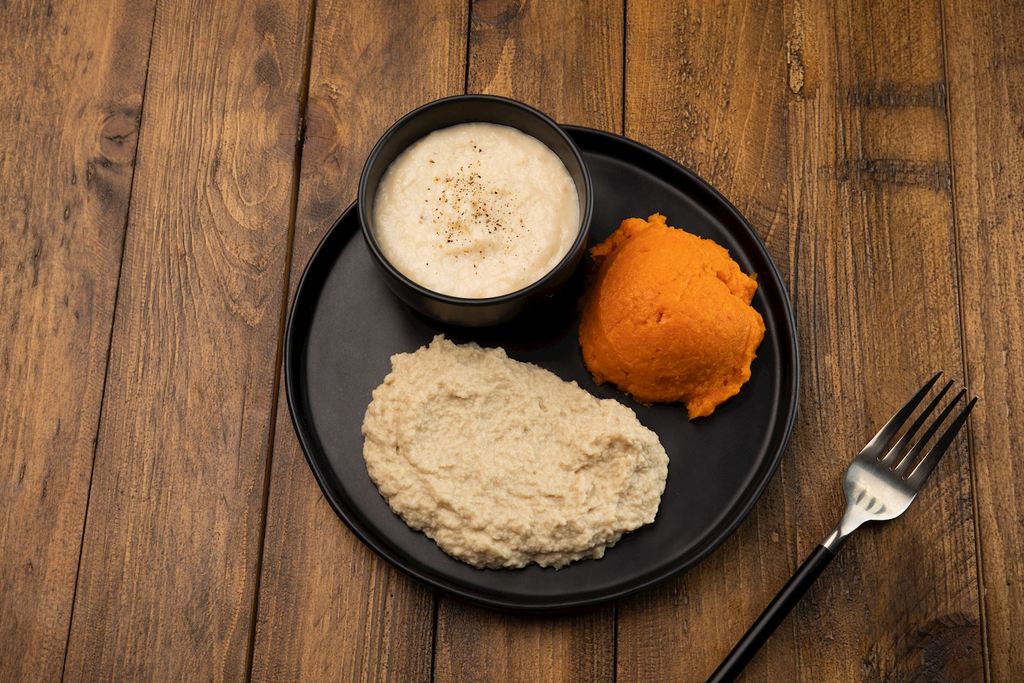
Dysphagia is the medical term for difficulty swallowing. It is common after a stroke or in the moderate-to-late stages of dementia and Parkinson’s disease. If your parent’s doctor or a speech-language pathologist recommends a modified texture diet, it is crucial to take it seriously to prevent aspiration (food or liquid entering the lungs, which can cause pneumonia).
- Soft and Bite-Sized: Food must be tender and cut into pieces no larger than 1/2 inch.
- Minced and Moist: Food is finely chopped or ground, remaining moist throughout (think meatloaf with gravy).
- Pureed: Food is completely smooth, like pudding, with no lumps, seeds, or skins.
If your parent needs a pureed diet, preparing it at home can be an immense challenge. Simply blending a regular meal often results in an unidentifiable, unappealing paste that seniors will refuse to eat, leading quickly to weight loss and malnutrition.
To ensure safety without spending hours running a blender, you can turn to trusted providers like Mom’s Meals. Their specialized pureed program delivers fully prepared, nutritionally balanced pureed meals directly to your door. Each meal is carefully crafted to meet strict texture-modified standards while keeping flavors vibrant and distinct, taking the immense daily stress of pureeing and straining off your plate.will refuse to eat it, which leads to weight loss and malnutrition. Use food molds or piping bags to shape pureed carrots back into carrot-like shapes, or keep colors vibrant and distinct on the plate.
The Caregiver Dilemma: Cooking vs. Time

It is easy to look at a list of dietary guidelines and think, “Okay, I can do this.” But the daily reality of caregiving quickly gets in the way.
You might find yourself cooking one meal for your spouse and kids, another meal for your parent with diabetes, and a third meal for yourself because you are too exhausted to eat what everyone else is having.
Between planning the menus, driving to multiple grocery stores to find specialty items, prepping ingredients, cooking, and washing a mountain of dishes, the kitchen can quickly become a source of daily dread.
Caregiver Reality Check: If your meal prep routine is so exhausting that you do not have the energy to sit down and enjoy a conversation with your parent, the routine isn’t working. Your time and mental well-being are just as valuable as the nutrition on the plate.
When caregivers burn out, nutrition is often the first thing to slide. You might start relying on fast food, frozen convenience meals packed with sodium, or skipping meals entirely. To protect your time and your parent’s health, you need strategies designed to simplify this process.
Convenient Solutions for Tailored Nutrition
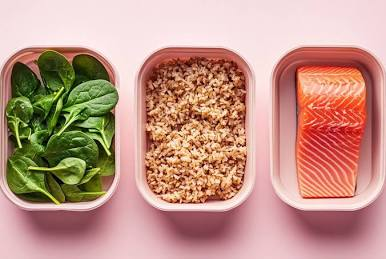
You do not have to cook every single meal from scratch. Here are highly effective strategies to reclaim your time while ensuring your parent gets the exact nutrition they need.
1. The Power of Batch Cooking and Freezing
Instead of cooking a fresh meal every evening, dedicate one afternoon to batch cooking. Choose recipes that freeze and reheat exceptionally well without losing their texture.
- Soups and Stews: Low-sodium vegetable barley soup, turkey chili, or lentil stew can be portioned into single-serve, microwave-safe containers and frozen.
- Proteins: Bake several chicken breasts or salmon fillets seasoned with garlic, lemon, and herbs. Cut them into bite-sized pieces and freeze them on a baking sheet before transferring them to a freezer bag. This prevents the pieces from sticking together, allowing you to pull out exactly what you need.
- Grains: Brown rice and quinoa freeze beautifully. Cook a large batch, let it cool completely, and freeze it in individual portions.
2. Outsource with Medically Tailored Meal Delivery

When dietary restrictions are highly specific, or if you simply do not have the time to batch cook, specialized meal delivery services can be a lifesaver. These are not standard meal kits where you still have to chop and cook everything yourself. These are fully prepared, nutrient-dense meals designed specifically for seniors with chronic health conditions.
By using a service that handles the portioning, sodium counts, and carb-balancing, you take the guesswork out of caregiving. You get peace of mind knowing your parent is eating safely, and you get back hours of your week.
For example, Mom’s Meals is a popular, highly trusted service that specializes in senior nutrition. They offer menus specifically tailored for common health conditions, including renal-friendly, diabetic-friendly, gluten-free, and pureed options. Their meals are delivered right to the door, ready to heat and serve.
If you want to see an in-depth breakdown of how these services work, what they cost, and whether they are worth it for your family, take a look at our comprehensive review: Best Meal Delivery for Seniors: A Caregiver’s Honest Review of Mom’s Meals.
Keeping Your Loved One Nourished and Happy
Managing senior dietary restrictions is a balancing act. It requires a steady blend of medical necessity and everyday practicality. While it is vital to keep an eye on sodium levels or carbohydrate counts, it is equally important to make sure your parent actually enjoys their meals. Food is tied to comfort, memory, and dignity.
Do not be discouraged if it takes some trial and error to find the right balance of spices, textures, and routines. Focus on making progress, not achieving absolute perfection. By implementing batch cooking, utilizing smart flavor substitutes, and leaning on specialized meal delivery services when you need a break, you can protect your own energy while keeping your parent nourished, safe, and thriving.
Frequently Asked Questions
What is the most common dietary restriction for seniors?
The most common dietary restriction for older adults is a low-sodium diet, typically recommended to manage hypertension, heart disease, or fluid retention. Because kidney function naturally declines with age and blood vessels become less elastic, the body becomes more sensitive to sodium. Many doctors recommend keeping daily sodium intake under 1,500 to 2,000 milligrams. Minimizing processed foods and using fresh herbs, lemon juice, and garlic powder instead of table salt can help you stay within this healthy range.
How can I get my elderly parent to eat if they complain that food tastes bland?
Age-related decline in taste buds and olfactory senses often makes food taste muted to seniors, while certain medications can leave a metallic taste in the mouth. Instead of reaching for salt, which can raise blood pressure, try brightening the dishes using acids like fresh lemon juice, lime juice, or vinegars. Warm spices like cinnamon and nutmeg can enhance sweet dishes, while garlic, onion powder, smoked paprika, and fresh herbs like rosemary or dill add robust flavor to savory meals.
What are the signs that my parent might be having trouble swallowing (dysphagia)?
Look out for frequent coughing, throat clearing, or choking during or immediately after meals. Other warning signs include a “wet” or gurgling sounding voice after swallowing, food pocketing in the cheeks, taking an unusually long time to finish a meal, or unexplained weight loss. If you notice any of these signs, contact their primary care physician immediately. They can refer you to a speech-language pathologist for a professional swallowing evaluation.
Is it safe to use salt substitutes if my parent is on a low-sodium diet?
You should consult your parent’s doctor or pharmacist before introducing salt substitutes. Many commercial salt substitutes replace sodium with potassium chloride. While this helps lower sodium intake, high levels of potassium can be dangerous for seniors with kidney disease or those taking certain blood pressure medications, such as ACE inhibitors or potassium-sparing diuretics. Utilizing natural, potassium-free herbs and spices is generally a much safer option.
How do I manage meal planning if my parent has both diabetes and kidney disease?
Balancing diabetic and renal diets can be challenging because many whole grains and vegetables high in fiber (great for diabetes) are also naturally high in phosphorus or potassium (which must be limited in renal diets). Focus on low-potassium vegetables like cauliflower, cabbage, and green beans, and choose refined or moderately processed grains only as directed by a renal dietitian. Because these two diets can sometimes conflict, working directly with a registered dietitian who specializes in geriatrics or renal nutrition is highly recommended.
Why is protein so important for seniors, and how can I introduce it safely?
Protein is vital for older adults because it helps preserve lean muscle mass, supports immune health, and aids in wound healing. Seniors actually require more protein per kilogram of body weight than younger adults to prevent sarcopenia (age-related muscle loss). If your parent has trouble chewing tough meats, you can introduce soft protein sources like eggs, Greek yogurt, cottage cheese, tofu, flaky fish, or thoroughly cooked lentils and beans.
What is the difference between a soft diet and a pureed diet?
A soft diet consists of foods that are tender and naturally easy to chew and swallow, such as scrambled eggs, well-cooked vegetables, soft fish, and bananas, typically cut into bite-sized pieces. A pureed diet requires foods to be processed in a blender or food processor until they have a completely smooth, uniform texture, similar to pudding or hummus, with absolutely no lumps, seeds, or skins. Pureed diets are typically prescribed for individuals with moderate-to-severe dysphagia.
Can I get texture-modified or pureed meals delivered if my parent has dysphagia?
Yes. Preparing safe, appetizing pureed meals at home every day can quickly lead to caregiver burnout. Services like Mom’s Meals offer a dedicated pureed program designed specifically for individuals with difficulty chewing or swallowing. These fully prepared, nutritionally balanced meals include everything from entrees to sides and desserts, all meeting strict consistency standards while helping seniors maintain their dignity and enjoyment at mealtime.
Can dehydration look like a nutritional deficiency or cognitive decline in seniors?
Yes, dehydration in older adults often mimics cognitive decline, presenting as sudden confusion, dizziness, lethargy, or rapid mood changes. Because the sensation of thirst naturally diminishes as we age, many seniors do not realize they are dehydrated until symptoms become severe. Encourage your parent to sip small amounts of water, herbal tea, or low-sodium broths throughout the day, and offer water-rich foods like cucumbers, melons, and berries if they are physically able to consume them safely.