

It’s the conversation many of us dread. You notice the signs—a few too many unopened bills on the counter, scorch marks on a favorite frying pan, or your once-tidy father struggling to manage his medications. You realize, with a sinking heart, that your independent, capable parent needs help to stay safe at home.
Knowing they need help and getting them to accept it are two very different things. For many seniors, accepting assistance feels like surrendering their independence, dignity, and control over their own lives. They may fear that this conversation is the first step toward losing their home and being placed in a nursing facility. As a result, even the most well-intentioned attempt to help can be met with denial, anger, or stony silence.
This comprehensive guide walks you through the entire process of how to talk to elderly parents about needing help —using caregiver communication strategies and senior care planning conversations—to help you approach these sensitive topics with confidence.
Why These Conversations Are So Difficult (And Why We Avoid Them)

Before diving into how to have these conversations, it’s crucial to understand why they are so painful. For your parent, needing help represents a profound identity shift from caregiver to the cared-for.
Common underlying fears include:
- Loss of Independence: The fear that their decisions will now be made for them.
- Loss of Dignity: Feeling embarrassed or ashamed of declining physical or cognitive abilities.
- Fear of the Unknown: Worrying that a little help will inevitably lead to forced institutionalization.
- Fear of Mortality: Acknowledging physical decline serves as a direct reminder of aging.
We avoid these talks because we fear causing emotional pain, upsetting the family dynamic, or hearing, “Mind your own business.” Recognizing these mutual fears allows you to approach the discussion with shared vulnerability rather than as an adversary.
4 Conversation Scripts for Talking to Aging Parents
Choose an approach that aligns with your relationship and the specific scenario you face:
1. The “I’ve Noticed” Approach
“Mom, I’ve noticed you seem a bit more tired lately, and I’m concerned about how much energy it takes to manage the house. I was wondering how you were feeling about things and if we could brainstorm some ways to make your life a little easier so you can keep enjoying your hobbies.”
2. The “What If” Approach (Proactive Planning)
“Dad, we’ve never really talked about what you would want if you ever needed a little extra help, like with cleaning or transportation. I’d feel so much more comfortable knowing we had a plan in place so we’d never have to make panicked decisions.”
3. The “My Own Anxiety” Approach
“Mom, since you fell last month, I find myself worrying about you constantly when I’m at work. It would really put my mind at ease to know you had some help around the house. Can we talk about what that might look like?”
4. The “Storytelling” Approach
“Dad, my friend Sarah’s mom just started having someone come in a few hours a day to help with meals, and Sarah said her mom actually enjoys the company. It got me thinking about our own situation.”
Step-by-Step: Preparing for the Conversation

1. Observe and Gather Evidence: Document specific safety incidents, health changes (such as weight loss), home neglect, or hygiene issues. Concrete examples turn abstract worry into valid safety concerns.
2. Choose the Right Messenger: If your parent still views you strictly as their child, consider having a diplomatic sibling, a trusted relative, a close friend, or a professional deliver the message.
3. Select a Comfortable Setting: Sit at eye level in their home, minimizing distractions like television, and choose a time when they are well-rested and alert.
Navigating Common Roadblocks and Resistance
Essential Topics to Cover Beyond Daily Help
The conversation about needing help isn’t just about personal care. It’s also about ensuring their affairs are in order, which is another critical aspect of safety and independence.
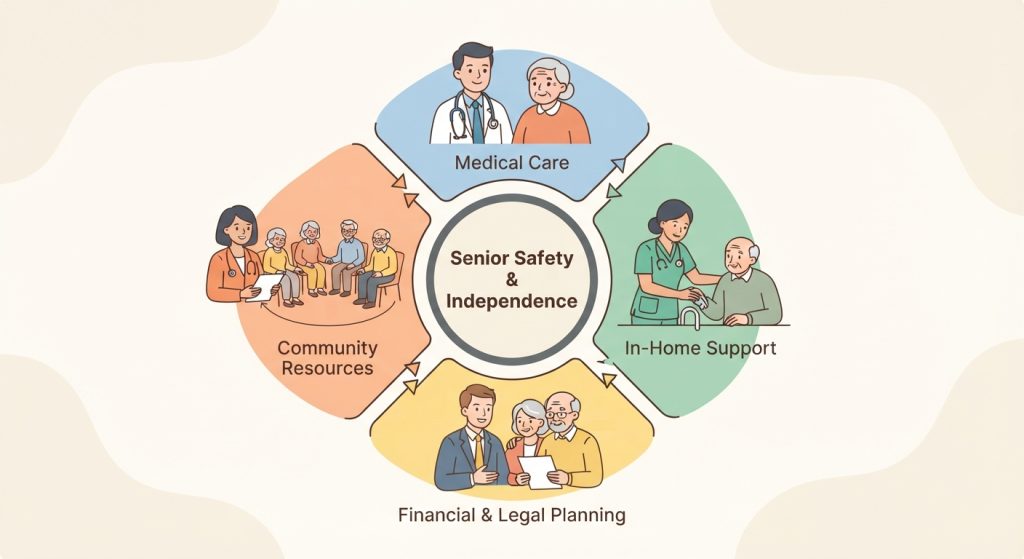
- Medical Decisions: Confirm primary care providers, establish medication management systems, and review Advance Directives (Living Will and Healthcare Proxy).
- Financial & Legal Matters: Locate wills and trusts, organize bills, and establish a Financial Power of Attorney while they are still fully competent to do so.
When the Conversation Stalls: Introducing External Help
If family discussions hit a wall, leverage neutral third parties:
- Geriatric Care Managers (Aging Life Care Professionals): Objective experts who assess needs and mediate family discussions.
- Primary Care Physicians: Doctors carry immense authority and can introduce safety restrictions (such as driving limits) or care recommendations during an exam.
- Community Resources: Transition care concepts by introducing social programs like senior centers, adult day programs, or Meal Delivery Services.
Frequently Asked Questions (FAQ)
How do I handle my parent’s anger or silence when I bring up needing help?
It’s a natural defense mechanism masking fear and a loss of control. Stay calm, validate their feelings, and retreat gracefully without pushing further. You can always revisit the topic days later.
What should I do if my parent refuses all outside help, even when safety is at risk?
Distinguish between poor judgment and immediate danger. If immediate danger exists (like forgetting how to turn off the stove), your priority shifts to ensuring safety. You may need to involve their physician to issue medical restrictions or introduce help under the guise of hiring a “housekeeper” rather than a caregiver.
How can I involve my siblings in this conversation without causing family conflict?
Hold a pre-meeting without your parents present to get on the same page. Divide responsibilities based on individual strengths (e.g., finances, appointments, conversations) to present a unified front and avoid burnout.
Is it better to have one big conversation or multiple small ones?
Multiple small conversations are far more effective. Weaving topics like driving, safety, and home modifications into casual chats over weeks or months prevents your parent from feeling interrogated.
How do I balance respecting my parent’s autonomy with ensuring their physical safety?
As long as your parent is mentally competent, they retain the right to make their own choices. Focus on mitigating risks (such as installing grab bars and stairlifts) rather than stripping away their independence, accepting that you cannot control every single outcome.