

It starts subtly. A stack of unopened mail on the counter. A missed appointment. A dent in the car that your mom can’t explain. You dismiss these moments as normal aging—until the nagging worry turns into a real question: Is my parent safe on their own?
If you are wrestling with this, you aren’t alone. Millions of adult children face the delicate balance of honoring their parents’ independence while protecting their well-being.
As a caregiver who has navigated late-night emergency room visits, medical alert systems, and tough conversations about driving, I know what you’re going through. This guide isn’t a checklist to judge your parent; it’s a practical framework to help you recognize when it’s time to step in.
We’ll look at 15 critical signs an elderly parent needs help across physical health, cognitive changes, and household management—along with what you can do and resources to help.
Let’s dive in.
Part 1: Physical and Personal Health Signs
Changes in physical health are often the most visible indicators that your parent needs support. These signs frequently start with difficulty performing daily tasks, known in the caregiving world as Activities of Daily Living (ADLs), such as bathing, dressing, and eating.
Weight loss in seniors is a major red flag. It can indicate several underlying issues:
1. Unexplained Weight Loss or Poor Nutrition

- Physical inability to cook: Arthritis makes chopping vegetables painful; weakness makes standing at the stove exhausting.
- Cognitive decline: Forgetting how to cook or even forgetting to eat.
- Depression: A common cause of appetite loss in older adults.
- Poor dental health: Ill-fitting dentures or painful teeth can make chewing difficult.
Caregiver Tip: Don’t just ask, “Are you eating?” Instead, look in the fridge and pantry. Are there only easy-open snacks and no fresh food? If you’re concerned, meal delivery services or grocery delivery can be immediate, helpful solutions.
2. Neglect in Personal Hygiene and Grooming
Your parent, who was always impeccably dressed and groomed, now looks disheveled. You notice their hair is uncombed, they wear stained clothes, or they have a noticeable body odor.
This change is often gradual and deeply personal. It can be one of the hardest signs to confront because it directly impacts their dignity.
- Fear of falling: Stepping into a slippery bathtub can become terrifying, leading a senior to skip bathing altogether.
- Lack of energy or mobility: Simply getting dressed can be a monumental task if your parent is suffering from fatigue or joint pain.
- Cognitive issues: They may simply forget when they last bathed or that they need to change clothes.
What to Do: Approach this with extreme sensitivity. Instead of saying, “You need a shower,” you might gently suggest, “I scheduled an appointment with a mobile stylist to give you a fantastic haircut.” Installing bathroom safety equipment like grab bars and shower chairs can also restore independence and confidence.
3. Frequent Bruises, Scrapes, or Unexplained Falls
Are you noticing new bumps, bruises, or small cuts on your parent that they can’t explain? This is a strong indicator that they are losing their balance, strength, or coordination.
Sometimes a parent will admit to a fall, but often they will downplay it or hide it because they fear losing their independence or being forced to move.
- Tripping hazards: Look around their home for throw rugs (a major hazard), electrical cords, or clutter.
- Vision problems: Poor eyesight can make navigating a familiar home dangerous.
- Medication side effects: Some medications can cause dizziness or sudden drops in blood pressure.
Falls are a preventable crisis. Conduct a home safety assessment. Remove throw rugs, improve lighting, and ensure all pathways are clear. You might also encourage them to use an assistive mobility device or invest in a reliable, 24/7 monitored medical alert watch.
4. Difficulty with Mobility: Getting Around the House
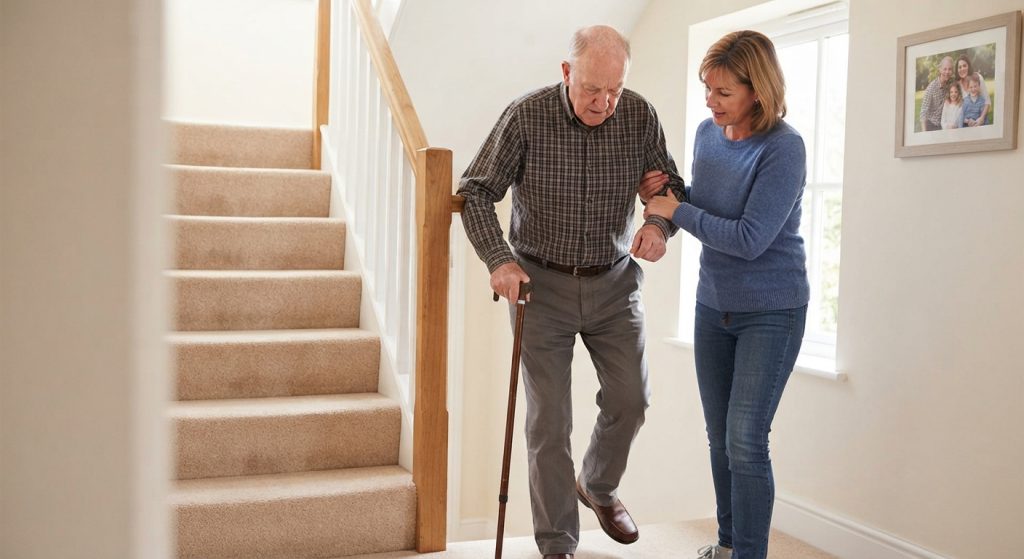
Watch your parent walk. Are they unsteady on their feet? Do they shuffle when they walk? Do they grab onto furniture or walls for support as they move from room to room?
Difficulty with mobility makes every task—getting to the bathroom, answering the door, fetching a glass of water—a potential risk.
- Muscle weakness or joint pain: Conditions like arthritis or simply deconditioning can make movement painful and difficult.
- Balance issues: Problems with the inner ear or neurological conditions can affect stability.
- Fear of falling: This fear itself can cause a senior to become less active, leading to further muscle weakness.
Resources: Physical therapy can work wonders to improve strength and balance. Home care aides can provide standby assistance for daily tasks, reducing the risk of injury.
5. Worsening Chronic Health Conditions
You notice that your dad’s asthma seems to be flaring up constantly, or my mom’s blood sugar levels are becoming dangerously erratic.
A decline in the management of chronic conditions like diabetes, heart disease, high blood pressure, or COPD is a clear sign that your parent needs help. Effective management requires a complex routine of diet, exercise, and medication.
- Complexity of care: Juggling multiple medications and dietary restrictions can be overwhelming.
- Lack of understanding: They may not fully understand their doctor’s instructions.
- Cost of care: They might be rationing medications to save money.
What You Can Do: Offer to accompany them to doctor appointments. Take notes and ask questions. A pill organizer or an automatic medication dispenser can ensure the right dose is taken at the right time.
Part 2: Cognitive and Emotional Health Signs
Cognitive decline is even more challenging than physical changes. It can be subtle at first, masked by a lifetime of social skills, and is often accompanied by fear and denial from the parent.
6. Forgetting Appointments, Medications, and Routines

Your parent, once a model of punctuality, starts missing doctor’s appointments, forgetting social gatherings, or neglecting to take their daily medications.
Occasional forgetfulness happens to everyone. But when it begins to impact daily life and safety, it’s a significant concern.
- Short-term memory loss: This is often one of the earliest signs of dementia or Alzheimer’s disease.
- Overwhelm: The sheer number of things to remember can become too much.
Caregiver Tip: Create a central communication hub. Use a large wall calendar for appointments and social events. A whiteboard with daily reminders can also be incredibly helpful. If medication management is the primary issue, consider a move to a higher level of care like assisted living with memory care if home management is no longer safe.
7. Confusion with Tasks and Difficulty Following Conversations
You notice your mom gets lost driving to the grocery store she’s visited for 30 years. Or your dad, in the middle of a story, loses his train of thought and can’t get back on track.
These signs indicate a change in how your parent’s brain is processing information.
- Cognitive impairment: Difficulty with executive functions like planning, organizing, and following sequences.
- Early dementia: These are classic symptoms of progressing cognitive diseases.
What to Do: Keep conversations simple. Use clear, direct language. Avoid complex stories or multi-part questions. Patience is your most important tool.
8. Uncharacteristic Mood Swings, Irritability, or Paranoia

Your parent, usually easygoing, becomes suspicious, irritable, withdrawn, or accuses people of stealing things when they’ve simply misplaced them.
Personality changes can be just as distressing as memory loss for family caregivers.
- Cognitive changes: Damage to the brain can affect emotional regulation.
- Chronic pain or illness: Unmanaged physical discomfort can manifest as anger and irritability.
- Social isolation: Loneliness can lead to depression and anxiety.
Resources: A geriatric psychiatrist can help diagnose and manage behavioral symptoms. Adult day programs provide socialization and can alleviate caregiver burnout.
9. Getting Lost in Familiar Places
Is your parent wandering away from home and getting disoriented, or calling you because they don’t know where they are in their own neighborhood? This is a critical safety emergency.
Wandering is a common and frightening symptom of Alzheimer’s and other forms of dementia.
- Disorientation: Loss of the ability to recognize familiar landmarks.
- Impulse to “go home”: Even when they are at home, they may feel a strong urge to go to a home from their past.
Immediate Steps: Ensure the home is secure with door alarms or deadbolts placed high or low. A medical alert device with GPS can provide peace of mind and a way to locate them if they do wander. If this sign appears, you must consider a move to a secure memory care unit immediately.
10. Loss of Interest in Hobbies and Social Withdrawal

Your dad, who lived for his weekly golf game, now refuses to go and spends all day sitting in his armchair, staring at the wall.
A sudden lack of motivation or loss of interest in previously enjoyed activities is often a sign of depression or early cognitive decline.
- Depression: This is highly common among seniors and is treatable.
- Physical limitations: Pain or fatigue can make participating in hobbies difficult.
- Cognitive challenges: They may no longer have the mental capacity to enjoy activities like bridge or reading.
Caregiver Action: Gently encourage social interaction. Look into senior centers or transportation services that can help them get out of the house. Sometimes, just a simple change of scenery can make a significant difference.
Part 3: Household Management and Safety Signs
The state of your parent’s home is often a mirror of their overall well-being. A clean, safe, and organized home suggests they are managing well. A chaotic or dangerous home tells a different story.
11. Unpaid Bills, Mail Pile-Up, and Financial Errors

You discover a drawer full of unopened mail, final notice bills, or notice that checks are being written for the wrong amounts or to unknown charities.
Financial mismanagement is a major red flag, indicating both cognitive decline and vulnerability to scams.
- Cognitive decline: Difficulty with numbers, abstract thinking, and organizing paperwork.
- Memory loss: Forgetting to pay bills on time.
What You Can Do: This requires a gentle, yet firm, conversation about finances. You might suggest setting up automatic bill pay. More significantly, you may need to step in as power of attorney to manage their financial affairs. You can learn more about this in our article on managing an aging parent’s finances.
12. A Decline in Home Cleanliness and Maintenance
Your parent’s home, once spotless, is now dirty and unkempt. You see layers of dust, dirty dishes piling up in the sink, trash overflowing, and laundry left undone.
Maintaining a home requires physical energy, stamina, and cognitive planning.
- Physical limitations: The tasks of vacuuming, mopping, and laundry become too physically taxing.
- Lack of motivation: Often seen in depression.
- Cognitive issues: Simply forgetting to clean or not seeing the mess.
Resources: A housekeeping service can be a wonderful solution. Alternatively, you could create a simple weekly checklist for you and your parent to follow together, focusing on key areas like the kitchen and bathroom.
13. Spoiled Food and Poor Kitchen Safety
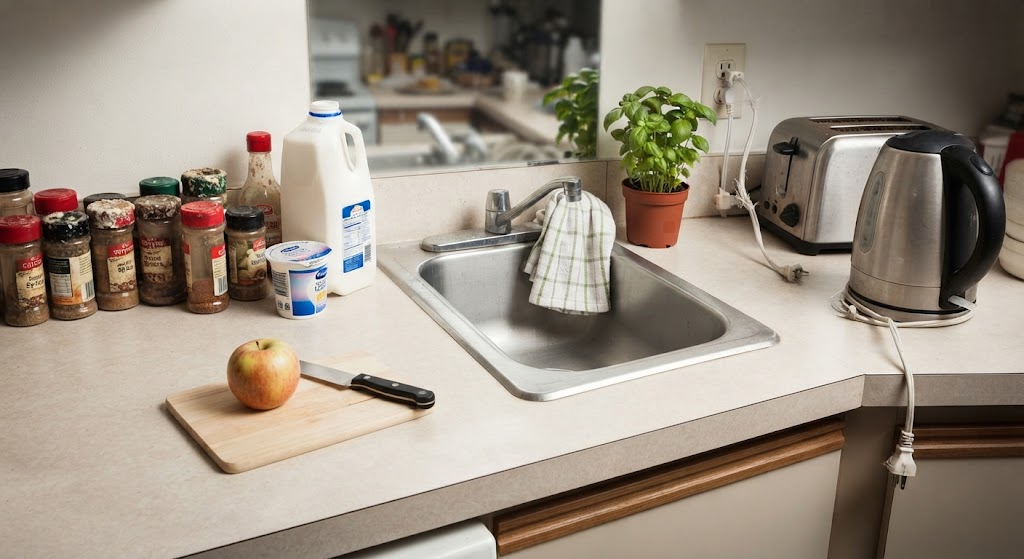
I already mentioned this, but it bears repeating as a separate point. When you open the refrigerator, you find moldy food, expired items, and no fresh produce.
Beyond nutrition, this is a serious food safety issue. Eating spoiled food can lead to food poisoning, which can be life-threatening for an older adult.
- Lack of ability to shop: They may not have transportation or the physical strength to grocery shop.
- Cognitive decline: Forgetting what food is in the fridge or how long it’s been there.
Caregiver Tip: Regularly clean out the refrigerator with your parent. Look for practical help like prepared meal delivery or grocery delivery services to ensure they have access to safe, nutritious food.
14. Unsafe Driving or Lack of Transportation

You notice new scratches or dents on their car, or your parent admits to getting lost while driving. Maybe they seem anxious and hesitant behind the wheel.
Giving up driving is one of the most difficult transitions for an older adult, as it represents a loss of independence and freedom.
- Slowed reflexes: It takes longer to react to sudden changes on the road.
- Vision and hearing loss: These crucial senses diminish with age.
- Cognitive decline: Getting lost or confused by traffic signs.
What to Do: This is a crucial safety issue. Start by having an honest conversation about driving. Suggest an AARP driver safety course or a professional driving assessment. Research alternatives like senior transportation services, rideshares like Uber and Lyft, or rely on family and friends.
15. Forgetting to Lock Doors and Other Household Dangers

You find the front door unlocked at night, or you smell gas because the stove was left on without a flame.
These are immediate safety hazards that put your parent at risk of burglary, fire, or other dangers.
- Cognitive decline: Simple safety routines are forgotten.
- Memory loss: They can’t remember if they locked the door or turned off the appliance.
Caregiver Action: Perform a thorough home safety check. Install automatic shut-off devices for the stove, check smoke detector batteries, and ensure all exterior doors have secure locks that are easy to use. A smart home system can allow you to remotely monitor and lock doors.
Conclusion: What to Do Next

Discovering one or more of these signs in your parent is overwhelming. You may feel a mix of fear, sadness, and a sudden sense of responsibility. Take a deep breath. Recognizing these signs is not a failure; it’s the first step toward getting your parent the support they need to live their best life.
This is a marathon, not a sprint. Here is how to move forward:
- Observe and Document: Keep a journal of specific incidents, dates, and your concerns. This will be invaluable when you talk to your parent and their doctor.
- Start the Conversation: Talk to your parent with empathy and respect. Focus on their safety and happiness, rather than their limitations. Use “I” statements, such as, “I’ve noticed you seem a little unsteady lately, and I get worried you might fall. How can we work together to make the house safer?”
- Involve Professionals: Your parent’s primary care physician is your best ally. Schedule an appointment to discuss your observations. They can refer you to specialists, social workers, and home health agencies.
- Explore In-Home Help: Many seniors can remain at home safely with a little help. Consider in-home care services to assist with personal care, meal preparation, and companionship.
- Plan for Future Care: Be proactive. Discuss potential future needs and options, such as assisted living or memory care, long before a crisis hits.
You are not alone in this. At TheHelpfulDaughter.com, we are committed to providing you with the trustworthy advice, practical tips, and emotional support you need to navigate this challenging and rewarding chapter of your life.
Frequently Asked Questions
How do I bring up my concerns about my parent’s health without them getting angry?
Approaching this conversation requires patience, empathy, and framing the discussion around their goals rather than your fears. Start by choosing a calm, private moment rather than bringing it up in the middle of a stressful situation. Use “I” statements to express your feelings without sounding accusatory or bossy. For example, say, “I worry about you getting around the house safely,” instead of, “You can’t walk properly anymore.” Emphasize that your primary goal is helping them maintain their independence and dignity for as long as possible. Listening to their perspective and involving them in decision-making can prevent defensiveness and resistance.
What is the difference between home care and home health care?
Understanding the difference between these two services is crucial for getting your parent the right support. Home care generally refers to non-medical assistance with daily activities, such as bathing, dressing, meal preparation, light housekeeping, and medication reminders. This type of care is typically provided by trained aides and is usually paid for out of pocket or through long-term care insurance. Home health care, on the other hand, involves skilled medical services provided by licensed professionals like nurses, physical therapists, or occupational therapists. This care is prescribed by a physician to treat an illness or injury and is often covered by Medicare or private health insurance.
When is it time to consider assisted living over in-home care?
Deciding when to transition from home care to an assisted living facility depends on safety, social needs, and the progressive nature of your parent’s health conditions. While in-home care can successfully manage many challenges, assisted living often becomes necessary when round-the-clock supervision is required, particularly for safety concerns like severe wandering due to dementia. Other indicators include when caregiving becomes physically or emotionally overwhelming for family members, when home modifications become prohibitively expensive or structurally impossible, or when a senior experiences severe social isolation that cannot be resolved at home. Evaluating their overall quality of life and safety risks will help guide this difficult decision.
How can I get my parent to agree to stop driving?
Taking away car keys is one of the most emotional milestones in aging, as it feels like a sudden stripping of freedom. Begin by addressing the topic early, before an accident happens, by focusing on objective safety markers rather than emotions—such as recent dents, getting lost on familiar routes, or failing vision. Suggest starting with a compromise, like limiting driving to daytime hours or local roads, or scheduling a professional driving evaluation through an occupational therapist or motor vehicle department. When driving is no longer safe, make sure they have a reliable alternative plan in place immediately, such as rideshare programs designed for seniors, local transit options, or a calendar of scheduled rides with family and friends.
What financial assistance is available for elderly care at home?
Navigating the costs of eldercare can feel overwhelming, but several programs and resources can help offset expenses. While traditional Medicare does not cover long-term custodial home care, it does cover short-term skilled home health care and specific medical equipment. If your parent is a veteran or a surviving spouse, they may qualify for the Department of Veterans Affairs Aid and Attendance benefit, which provides monthly financial assistance for personal care. Additionally, state-specific Medicaid waiver programs sometimes offer consumer-directed care options, allowing seniors to receive financial assistance for home-based care services. Consulting an elder law attorney or a local Area Agency on Aging can help uncover regional grants and assistance programs.
How do I handle sibling disagreements about our parent’s care?
Caregiving disagreements among siblings often stem from geographic distance, denial of a parent’s decline, or unequal distribution of caregiving responsibilities. To reduce conflict, schedule a dedicated family meeting—via video call if necessary—where everyone can share their observations and concerns without judgment. Focus strictly on your parent’s needs and safety rather than past family dynamics. Creating a shared digital document or care log can also keep everyone informed and accountable. If communication breaks down completely, bringing in a neutral third party, such as a professional geriatric care manager or a family mediator, can help facilitate a constructive plan moving forward.
What are the early signs of caregiver burnout, and how can I prevent it?
Caregiver burnout is a state of physical, emotional, and mental exhaustion that creeps up slowly. Early signs include chronic fatigue, irritability, frequent illnesses, sleep disturbances, resentment toward your parent, and a loss of interest in your own hobbies or social life. Preventing burnout requires establishing firm boundaries and accepting that you cannot do everything alone. Make use of respite care services to take regular breaks, lean on family members or local support groups, and prioritize your own physical health, nutrition, and medical checkups. Taking care of yourself is not selfish; it is a vital part of keeping your parent safe and supported.
How can I make my aging parent’s home safer to prevent falls?
Preventing falls at home starts with a thorough room-by-room safety audit to identify and eliminate hidden hazards. Begin by removing loose throw rugs, securing electrical cords out of walkways, and decluttering crowded hallways. Improve lighting throughout the home by replacing dim bulbs with bright LEDs and installing nightlights in hallways, bathrooms, and stairwells. In high-risk areas like the bathroom, install sturdy grab bars inside the shower and beside the toilet, along with non-slip mats. Finally, ensure frequently used kitchen items are stored on lower shelves to minimize the need for reaching or step stools.