

Getting that unexpected phone call—or noticing subtle changes during a routine Sunday visit—can instantly turn your world upside down. Maybe your dad forgot to turn off the stove, or your mom got lost driving to a familiar grocery store. Suddenly, you find yourself scrolling through facility brochures late at night, trying to decode industry terms you never thought you would need to know.
When living at home becomes too risky, families typically look into senior communities. But that brings you to the first major fork in the road: Should you look at assisted living, or do you need memory care?
Choosing between assisted living vs memory care feels overwhelming, especially when you are already emotionally drained. Let’s break down what each setting actually provides, how they differ behind closed doors, and how to figure out which environment will keep your parent safe, respected, and thriving.
Key Differences at a Glance
If you are short on time and trying to weigh your options quickly, this overview breaks down how assisted living and memory care differ. While both settings provide housing and personal care, their daily structure, staffing densities, and security levels vary significantly.
| Feature | Assisted Living | Memory Care |
|---|---|---|
| Primary Focus | Independence with support for daily physical tasks | Safety, security, and specialized dementia care |
| Environment | Open layouts, larger apartments, standard community access | Secure perimeters, enclosed courtyards, circular floor plans |
| Staff-to-Resident Ratio | Lower staff density; staff assist multiple floors or wings | Higher staff density for constant supervision |
| Activities | Broad variety (gardening, book clubs, fitness, outings) | Structured, sensory-based routines (music therapy, simple crafts) |
| Monthly Cost | Generally lower | Higher, due to specialized staffing and security features |
Need Personalized Guidance?
Navigating senior living options can feel overwhelming when you’re doing it alone. You can connect with a local senior living advisor through A Place for Mom to get free, expert recommendations tailored to your family’s budget and location.
Assisted Living Explained
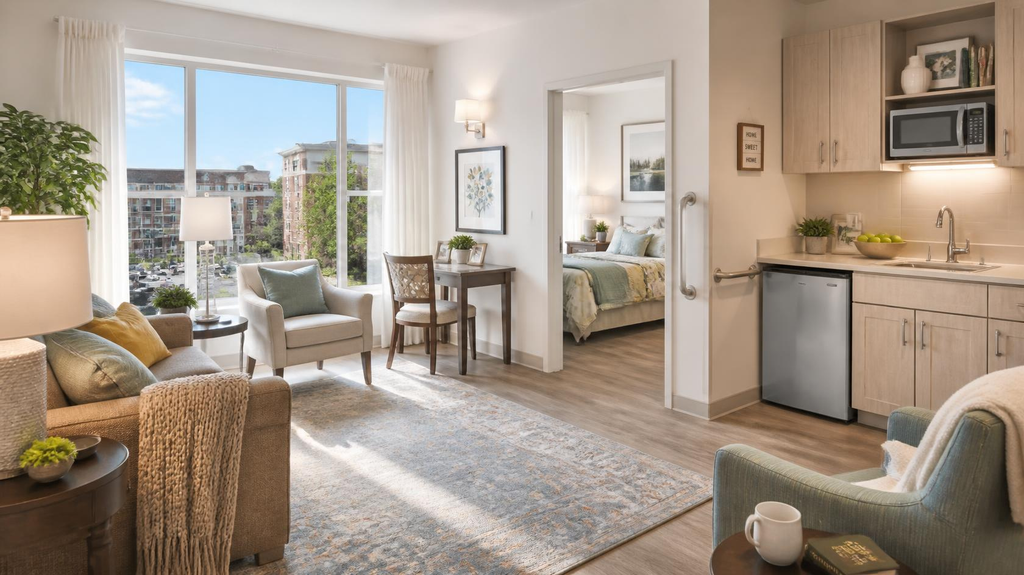
Assisted living communities are designed for older adults who want to maintain their independence but need a helping hand with daily routines. Think of it as your parent having their own private apartment—complete with a kitchenette, bedroom, and bathroom—while support staff are available right down the hall.
These communities bridge the gap between living entirely on your own and moving into a nursing home. Residents typically manage their own daily schedules, attend social clubs, and eat in a communal dining room. However, caregivers step in for specific tasks known as Activities of Daily Living (ADLs):
- Medication Management: Staff ensure pills are taken on time and coordinate refills with local pharmacies.
- Bathing and Grooming: Assistance with shower safety, hair care, and dressing.
- Mobility Support: Help transferring from a bed to a chair or walking down hallways.
- Housekeeping and Meals: Weekly linen changes, apartment cleaning, and three prepared meals a day.
Assisted living focuses heavily on dignity and autonomy. Your parent still feels like an independent adult, but you get peace of mind knowing someone is there if they need help.
Memory Care Explained
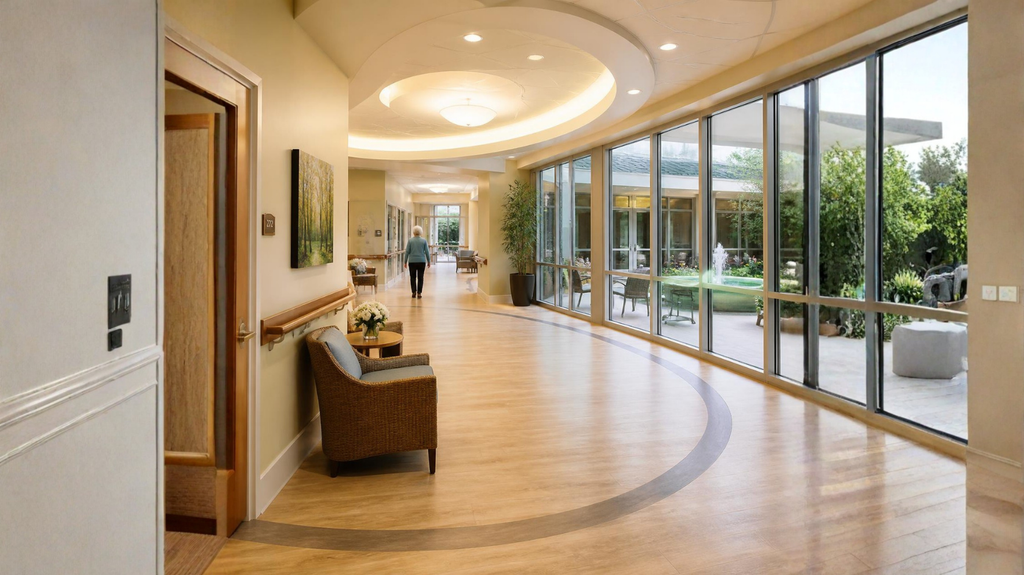
Memory care is a specialized form of long-term care designed specifically for individuals living with Alzheimer’s disease, vascular dementia, or other forms of progressive cognitive impairment. While memory care is often housed within a separate, secure wing of an assisted living facility, the environment and daily approach are entirely different.
The primary focus of memory care is safety, cognitive engagement, and specialized routine management. People with progressive memory loss face unique challenges that standard assisted living environments cannot safely accommodate—such as wandering, confusion about time and space, and distress caused by overstimulation.
Memory care communities feature secure entry and exit doors to prevent unsafe wandering, circular walking paths that reduce frustration, and simplified apartment layouts so residents don’t get lost in their own rooms. Staff members receive specialized training in dementia communication, redirection techniques, and managing behavioral expressions like anxiety or sundowning.
Deep-Dive Differences: Behind Closed Doors
While most senior communities look similar on the surface, the day-to-day environment changes entirely once you step inside the residential wings. Here is a closer look at what actually happens behind closed doors when it comes to daily care, safety, and engagement.
Supervision and Security
When you walk into an assisted living community, the front door usually operates like a standard apartment building. Residents come and go as they please, drive their own cars, and visit local shops.
In contrast, memory care facilities operate under strict security protocols. Every exterior door is locked or requires a security code, alarm, or key fob to open. This prevents residents who experience exit-seeking behaviors—a common symptom where individuals try to “go home”—from wandering into traffic or getting lost outdoors.
Caregiver Tip: If your parent has ever wandered away from home, missed a turn on a familiar route, or become disoriented in a parking lot, standard assisted living will likely not provide enough security.
Dementia and Cognitive Approach
In assisted living, if a resident forgets what time dinner is, a staff member might simply point to a clock and say, “Dinner is at five.”
For someone with moderate to advanced dementia, that response can cause confusion and frustration because they may no longer understand clocks. Memory care staff are trained in validation therapy and redirection. Instead of correcting a resident who asks to go home to see parents who passed away years ago, staff acknowledge the underlying emotional need—comfort, safety, or belonging—and gently redirect them to an engaging activity.
Personal Care Delivery
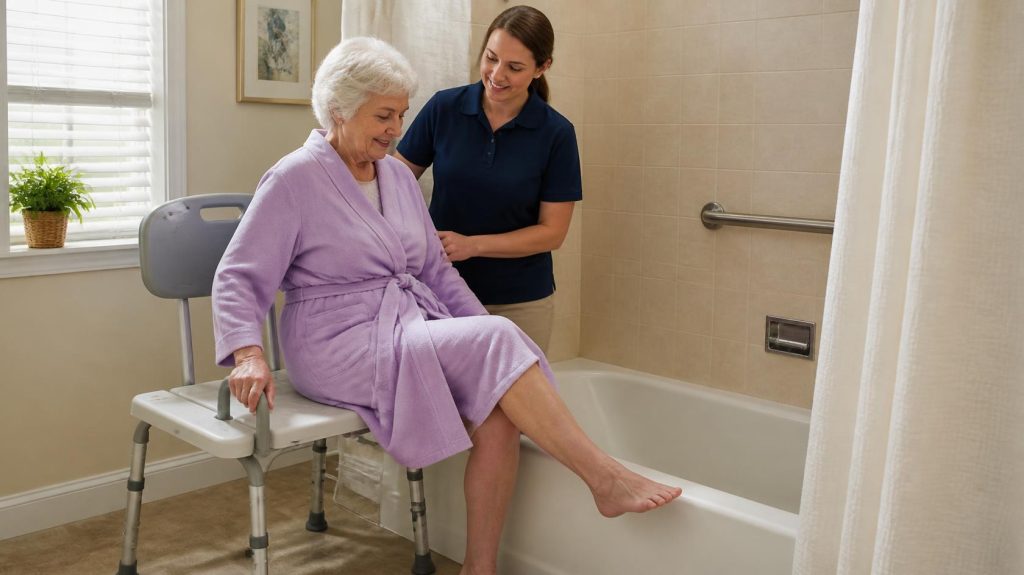
Both settings help with physical tasks like bathing and dressing, but the way care is delivered differs. In assisted living, residents usually participate actively in their care routines. In memory care, residents often lose the ability to sequence multi-step tasks (such as adjusting shower water temperature or washing). Memory care aides are trained to break these tasks down into single steps, using gentle touch, soothing tones, and patience to guide the resident without causing distress.
Activities and Engagement
Assisted living calendars look like resort schedules: bridge clubs, yoga classes, happy hours, and bus trips to local museums.
Memory care activities focus on preserving remaining abilities and sparking positive emotions through familiarity. You will see activities like sing-alongs featuring music from the resident’s youth, sensory stations using textured fabrics, simple baking projects, and gentle stretching games. The goal isn’t to teach a new skill or keep score; it’s to create moments of joy, connection, and success.
Understanding the Cost Gap
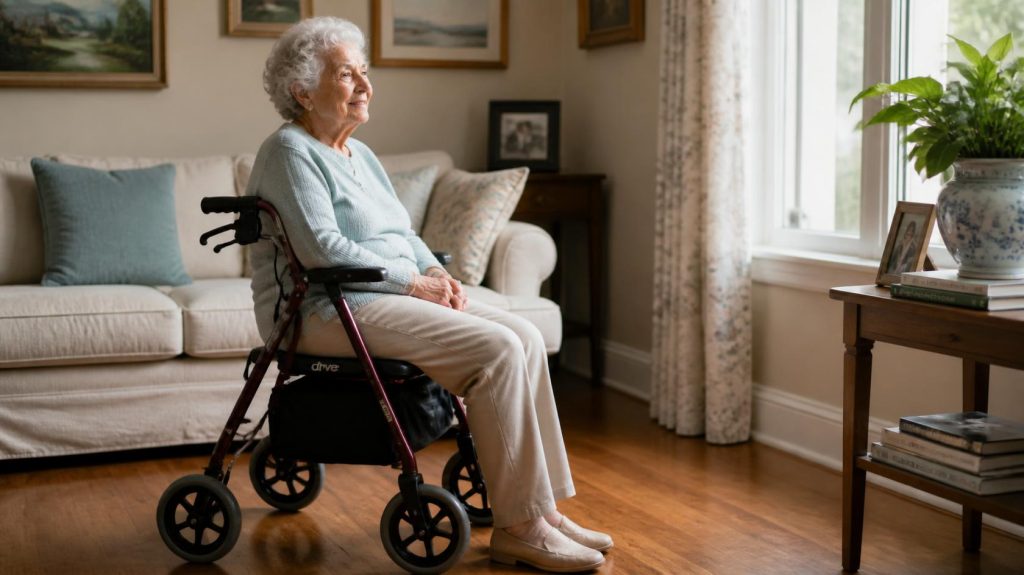
Care costs weigh heavily on every family’s mind. Generally, memory care is more expensive than assisted living—often costing 20% to 30% more per month.
Why the price gap?
When Assisted Living May No Longer Be Enough
Many families start their parents in assisted living because physical support needs are low, but over time, progressive cognitive changes tend to catch up. Recognizing when that threshold has been crossed is one of the hardest parts of caregiving.
Often, the transition from needing a helping hand to requiring secure memory care happens gradually. You might notice repeated wandering, where your parent leaves their apartment and becomes disoriented in the broader building hallways or attempts to exit the facility entirely. At the same time, severe medication non-compliance can emerge, with residents hiding pills or refusing treatments due to growing paranoia or confusion.
Nighttime routines can also shift dramatically. Nighttime wakefulness—such as wandering the facility at 3:00 AM, knocking on neighbors’ doors, or experiencing severe sundowning distress—signals that standard community staffing cannot safely manage their overnight needs. Furthermore, physical and cognitive decline often intertwine, leading to significant weight loss because a resident forgets how to use utensils in the dining hall or forgets to eat altogether.
Finally, emotional withdrawal plays a major role. While assisted living offers vibrant, bustling common areas, those environments can become overwhelming for someone with advanced dementia, causing them to retreat entirely to their room and lose the benefits of social connection. When these warning signs accumulate, it is usually a clear indicator that the specialized, secure structure of memory care is required.
6 Essential Questions to Ask Facilities
When touring communities, don’t rely solely on the sales director’s presentation. Ask direct, specific questions to understand how the community operates behind the scenes:
- What is your staff-to-resident ratio during the day versus the night shift?
- What specific dementia training do your floor care aides receive, and how often is it updated?
- What happens if my parent’s care needs increase significantly? Can they age in place within this unit, or will they be forced to move?
- How do you handle residents who attempt to exit or wander?
- Can you walk me through your policy on managing behavioral expressions like agitation or anxiety?
- What are the extra fees stacked on top of the base monthly rent?

Read our complete checklist: 27 Questions to Ask Assisted Living Facilities: The Ultimate Guide to ensure you don’t miss a single detail during your tour.
Final Thoughts
Deciding between assisted living and memory care is rarely simple, and feeling conflicted is completely normal. You are carrying a heavy emotional load, trying to balance your parent’s dignity with their physical safety.
Remember that moving to a supportive community isn’t giving up—it is opening the door to professional support, reliable safety, and renewed opportunities for social connection. Take a deep breath, lean on your family and healthcare team, and take it one step at a time. You are doing a remarkable job.
Frequently Asked Questions
What is the main difference between assisted living and memory care?
Assisted living focuses on helping older adults maintain independence while providing support for daily physical tasks (such as bathing, dressing, and medication management). Memory care is a specialized, secure environment specifically designed for individuals with Alzheimer’s disease or other forms of dementia, prioritizing safety, structured routines, and cognitive engagement.
How do I know when assisted living is no longer enough for my parent?
Signs that a transition to memory care is needed include frequent wandering or getting lost in familiar places, severe medication non-compliance (like hiding pills or experiencing paranoia), nighttime wakefulness, significant unintended weight loss due to forgetting how to eat, and extreme social withdrawal caused by standard community environments becoming overwhelming.
Why is memory care more expensive than assisted living?
Memory care typically costs 20% to 30% more per month due to higher staff-to-resident ratios required around the clock, specialized and continuous dementia training for caregivers, and secure infrastructure features like locked perimeters, alarmed doors, and enclosed outdoor walking spaces.
Can residents in assisted living age in place if their health declines?
It depends on the specific community’s policies and state regulations. While some communities allow residents to bring in external home health aides as physical needs increase, progressive cognitive decline and safety risks (such as wandering) often mandate a move to a secure memory care wing.
What kind of daily activities can residents expect in memory care?
Unlike the resort-style calendars found in assisted living (such as fitness classes and external outings), memory care activities are sensory-based and designed to spark familiarity and joy. Examples include sing-alongs featuring music from the resident’s youth, simple baking projects, tactile sensory stations, and gentle stretching.
What key questions should families ask when touring a memory care facility?
When touring, you should ask about the day versus night staff-to-resident ratios, the exact frequency and content of dementia training provided to floor aides, the facility’s policy on aging in place, how they handle exit-seeking or wandering behaviors, and what extra fees are stacked on top of the base monthly rent.