
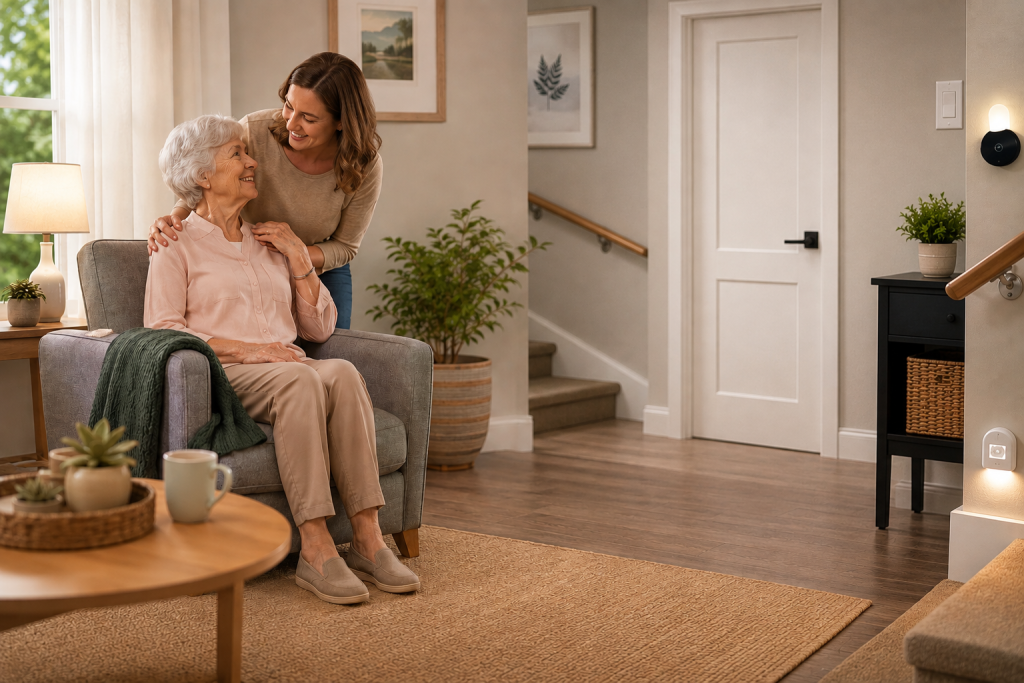
You walk into your parents’ house, and suddenly you notice the little things. Maybe your dad is holding onto the hallway wall just a bit tighter than he used to, or your mom has started avoiding the downstairs laundry room because the basement stairs look a bit too steep.
When I first had to navigate these exact changes with my own family—realizing that suction-cup grab bars peel away under actual body weight and that shadows in a dim hallway are a fall waiting to happen—it changed how I looked at home safety forever. If you have found yourself lying awake at night worrying about how your parents will manage safety and independence in the years ahead, you are far from alone. Over 90% of older adults say they want to stay in their own homes rather than move to an assisted living facility.
That familiar hallway, the garden they planted decades ago, and the neighbors who wave from across the street represent comfort, dignity, and a lifetime of memories. But wanting to stay home and knowing how to make it safe, sustainable, and realistic are two very different challenges.
This guide is designed to bridge that gap. Drawing from years of hands-on caregiving experiences, home safety assessments, and conversations with geriatric specialists, we will walk through everything you need to know about aging in place. You will learn how to evaluate your home room by room, understand the real financial and physical commitments involved, build a realistic support network, and make confident decisions that protect your parent’s independence without risking their safety.
What Does Aging in Place Really Mean?
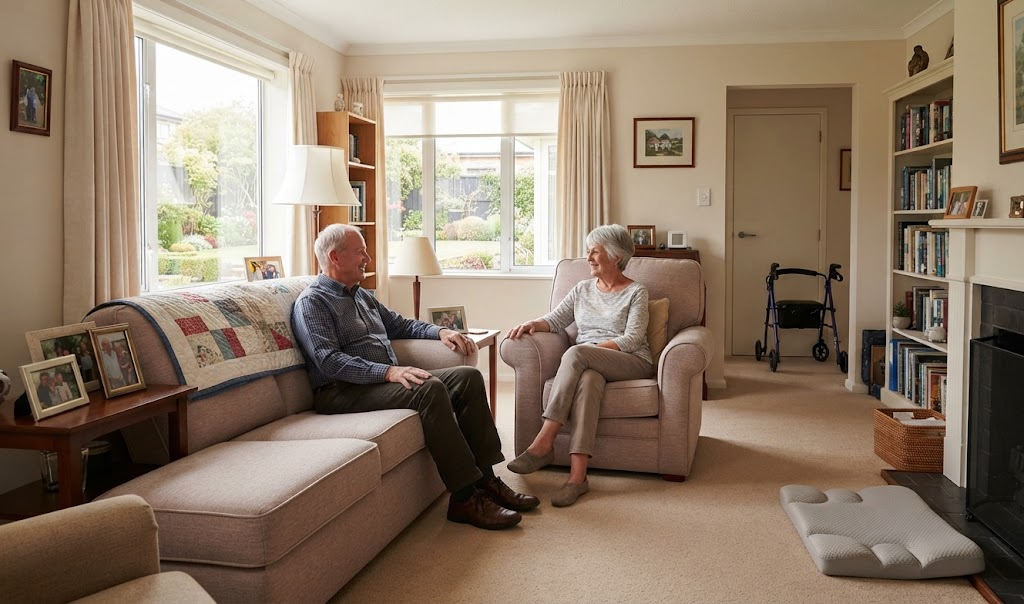
At its core, aging in place means having the health, social, and financial support to live in your own home—or a familiar community—safely and independently, regardless of age, income, or ability level.
It is not a static choice. It is an evolving process that adapts as physical needs change. For some seniors, aging in place simply means adding secure senior home modifications like grab bars in the bathroom and swapping out loose throw rugs. For others, it eventually involves arranging part-time in-home care, installing a stairlift, or restructuring the main floor to accommodate a bedroom and accessible bathroom.
Why Families Choose It
- Emotional Well-Being: Familiar surroundings reduce confusion and anxiety, which is especially vital for individuals experiencing early cognitive changes or memory loss.
- Autonomy and Routine: Seniors retain control over their daily schedules, meals, pets, and privacy.
- Community Connection: Staying in the neighborhood preserves vital social ties with friends, local shopkeepers, and community groups.
However, choosing to stay home requires clear-eyed planning. Most houses in North America were built for young families, not for mobility aids like walkers or wheelchairs. Bridging that gap takes proactive preparation, honest family conversations, and a clear understanding of what lies ahead.
Room-by-Room Home Safety Assessment
Before buying expensive medical equipment or hiring contractors, you need to know where the actual hazards hide. Most falls do not happen outside on icy sidewalks; they happen in familiar indoor spaces during routine daily tasks.
Pro-Tip: The “First-Step” Walkthrough
Visit your parents’ home at dusk when natural light fades. Turn on only the lights they normally use. Notice which hallways feel like shadow tunnels and where your feet instinctively hesitate. Fixing lighting shadows often prevents more falls than any other single modification.
1. The Bathroom: Ground Zero for Safety
The combination of water, hard ceramic surfaces, and low-sitting plumbing makes the bathroom the most hazardous room in the house.
The Toilet:
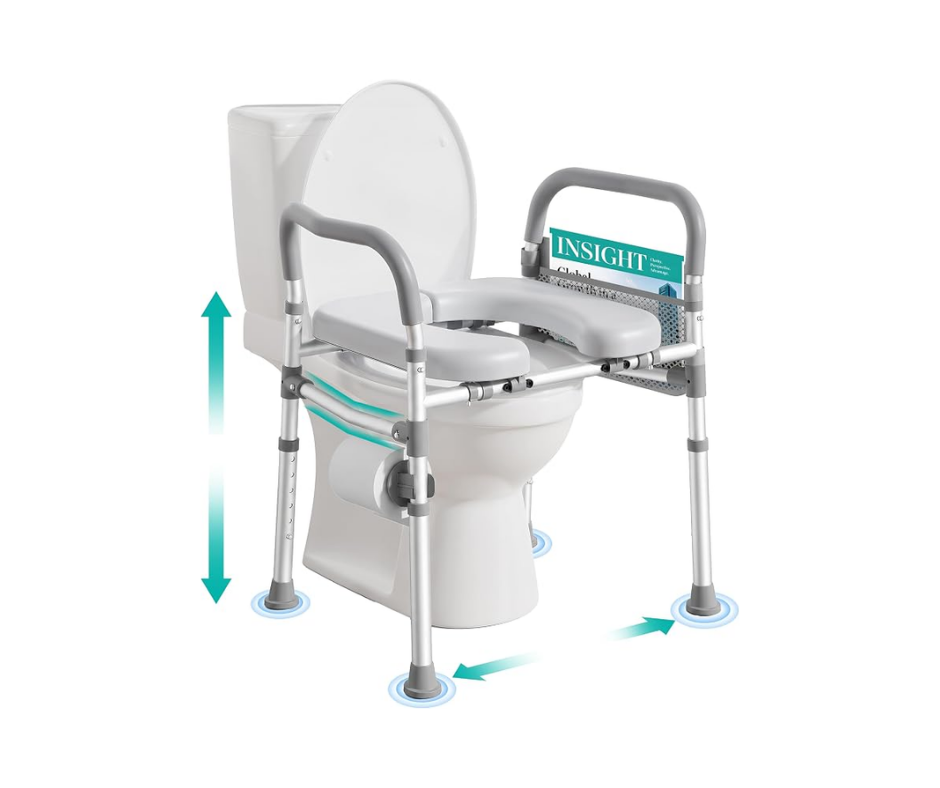
Standard toilets are often too low, making the sit-to-stand transition painful for arthritic knees and weak hips. Adding a raised toilet seat or a comfort-height toilet combined with sturdy wall-mounted grab bars changes everything.
The Shower/Tub:
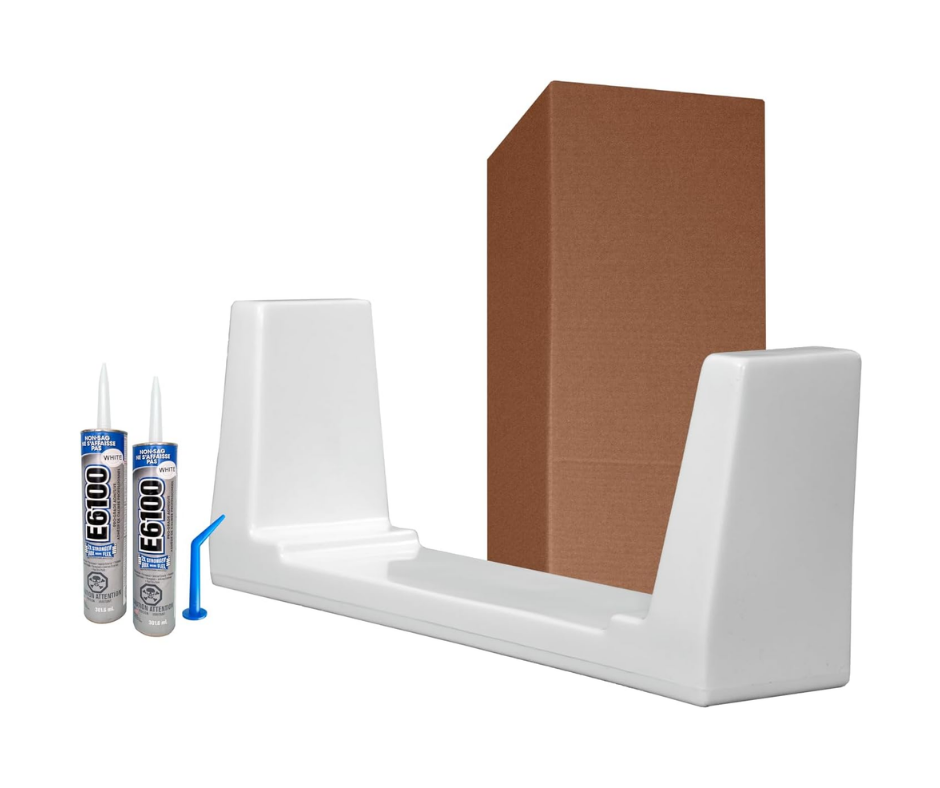
Stepping over a high bathtub wall requires single-leg balance on a wet surface. Whenever budget allows, replacing a tub with a curbless walk-in shower featuring a built-in bench and a handheld showerhead dramatically reduces fall risks.
Grab Bars

Always anchor grab bars directly into wall studs. Never rely on suction-cup grab bars for body weight support; they can detach unexpectedly under pressure.
2. Hallways and Stairways
Stairs are a major barrier for aging bodies. Even a single unexpected step between rooms can cause a stumble.
Handrails

Install sturdy wooden or metal handrails on both sides of every stairway, and extend them slightly past the top and bottom steps.
Lighting

Ensure switches are accessible at both the top and bottom of stairs. Consider adding motion-activated LED stair lights that illuminate individual treads at night.
Clutter and Rugs

Secure or remove all loose runner rugs. If a rug must stay, anchor it down with industrial double-sided carpet tape.
3. The Kitchen
Cooking is a cherished routine, but heavy cast-iron skillets, high upper cabinets, and hot burners create daily risks.
Reorganize Storage:
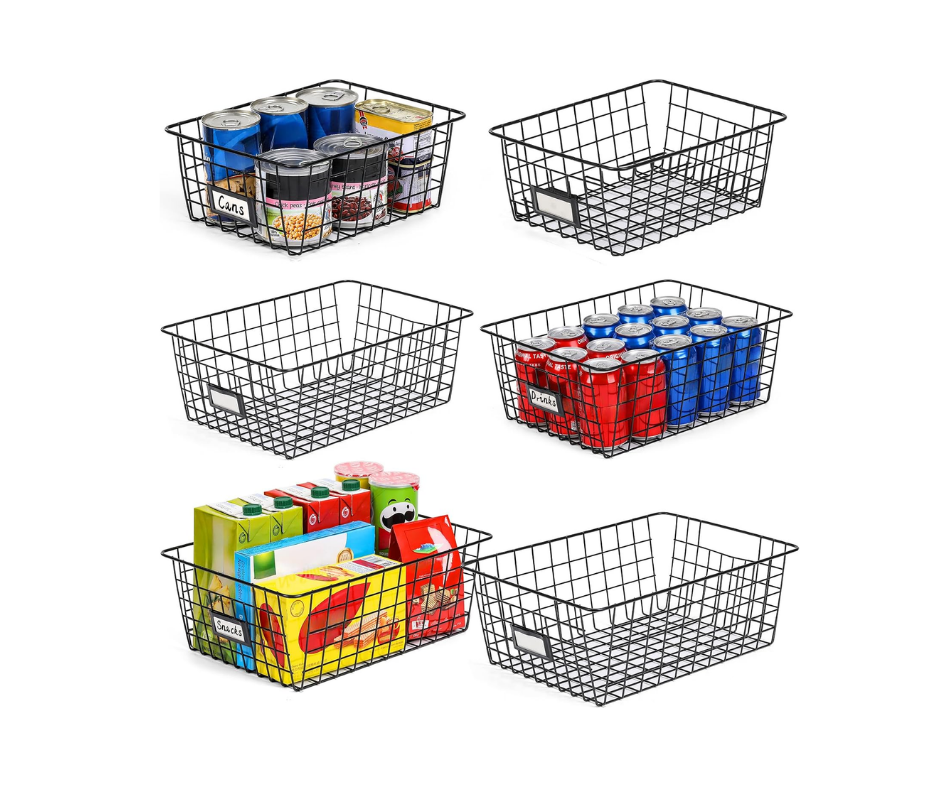
Move everyday plates, cups, and dry goods down to counter or waist-height shelves and organize into baskets. Eliminate the need for step stools or reaching overhead.
Task Lighting

Add under-cabinet LED strip lighting to brighten prep areas. Good lighting prevents accidental cuts and makes reading ingredient labels much easier.
Appliance Controls

Look for appliances with front-facing controls so seniors do not have to reach across hot burners to adjust a dial. Automatic shut-off features on stovetops provide incredible peace of mind for families managing mild memory lapses.
Essential Home Modifications: Cost vs. Benefit Breakdown
When planning updates, it helps to separate minor DIY fixes from major home renovations. Knowing what to expect financially prevents stressful surprises down the road. Note: Estimated costs fluctuate by region, supply chains, and inflation rates.
| Modification Type | Estimated Cost (Including Labor) | Impact Level | Best For |
| Grab Bars & Handrails | $150 – $400 total | High | Every home with aging occupants |
| Removing Throw Rugs & Securing Cords | $0 – $50 | High | Immediate fall prevention |
| Lever Door Handles | $30 – $50 per door | Medium | Arthritis or weak grip strength |
| Raised Toilet Seat / Comfort Toilet | $50 – $500 | High | Joint pain, balance issues |
| Walk-In Shower Conversion | $3,000 – $10,000+ | High | Severe mobility limitations |
| Curved or Straight Stairlift | $2,000 – $12,000 | High | Multi-story homes with upper-level bedrooms |
Financial Realities and Cost of Care
A common misconception is that aging in place is always cheaper than moving. While staying home avoids the steep monthly base fees of assisted living communities (which average over $5,000 a month nationally), home maintenance, property taxes, and hired care add up quickly.
Financial Reality Check
National data shows that professional home health aides cost roughly $34 per hour. If your parent needs part-time assistance for 20 hours a week, that totals around $2,700 monthly. Always map out a multi-year financial projection before deciding that home is automatically the most budget-friendly option.
Funding Sources & Regional Resources to Explore
- Local Area Agencies on Aging: Connect with regional or municipal agencies (such as local Area Agencies on Aging in the US or provincial aging departments in Canada) to discover regional grants, loan closets for medical equipment, and community-specific subsidies.
- Long-Term Care Insurance: Review existing policies to see if they cover in-home personal care or home modification retrofits.
- Medicaid Waiver Programs: Many state programs offer Home and Community-Based Services (HCBS) waivers that help pay for home modifications or personal care assistants for eligible low-income seniors.
- Veterans Benefits: The Department of Veterans Affairs offers grants (such as the SAH and SHA grants) for eligible disabled veterans to adapt their homes.
- Tax Deductions: Certain medically necessary home modifications—like ramps, widening doorways, or installing specialized bathroom fixtures prescribed by a physician—can qualify as tax-deductible medical expenses.
Building a Reliable Support Network
No senior ages in place entirely alone. Even the most independent older adults eventually require a safety net of family members, neighbors, and community resources.
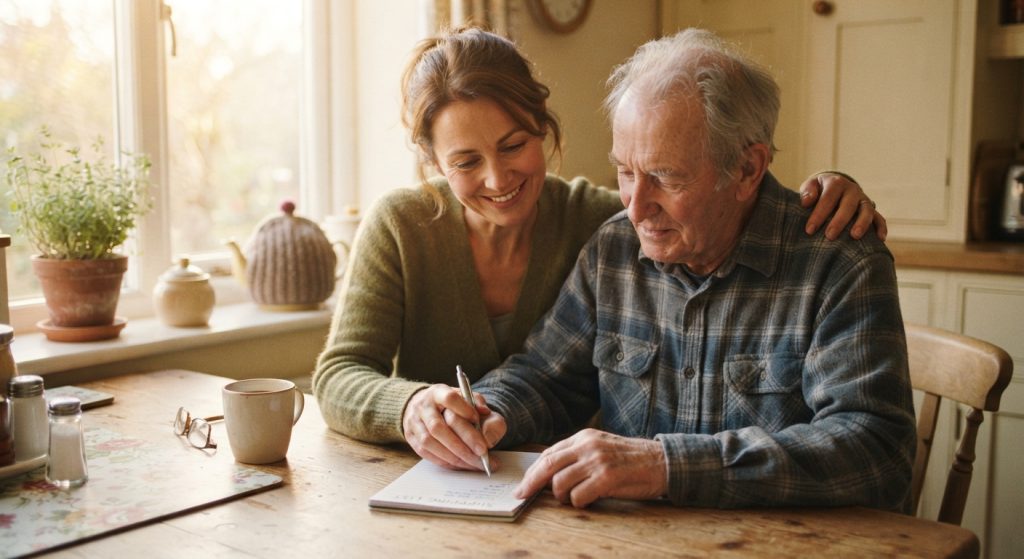
Step 1: Honest Family Conversations
Start discussions early, long before a crisis occurs. Sit down with your parents and ask open-ended questions: “What matters most to you about staying in this house?” or “If managing the yard or cooking becomes too exhausting next year, how would you feel about getting some help?” Involving them in the planning preserves their dignity and reduces resistance to change.
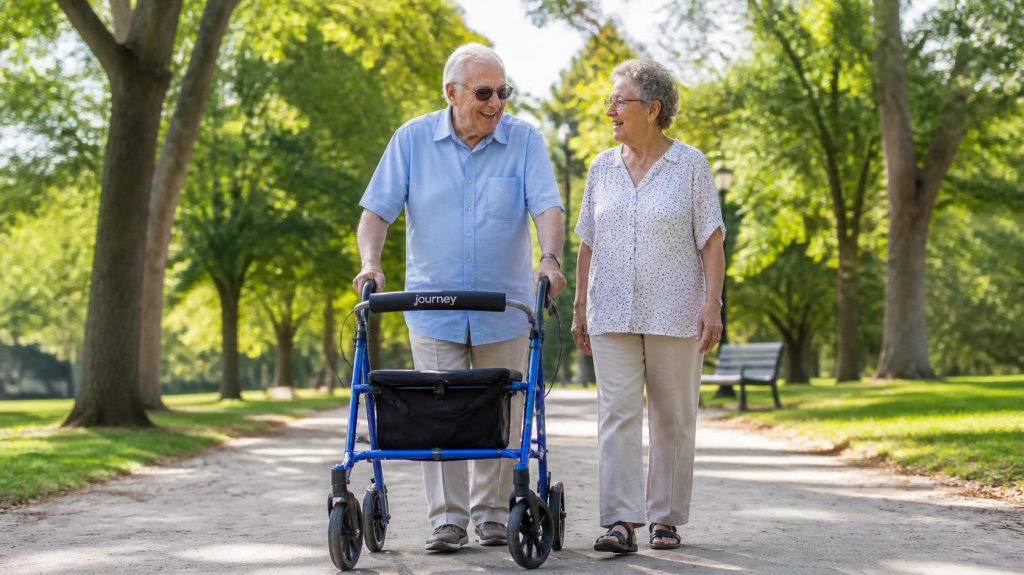
Step 2: Integrating Community Resources
- Mom’s Meals: Provides refrigerated, health-condition-appropriate meals delivered directly to the home, making it a convenient option for seniors with specific dietary requirements.
- Senior Transportation Services: Many local municipalities and non-profits offer volunteer driver programs to take seniors to medical appointments and grocery stores.
- Adult Day Programs: Excellent for providing socialization and engaging activities for seniors while offering primary caregivers a much-needed break during the workday.
Smart Home Technology That Actually Helps
Technology can feel intimidating, but the right tools provide incredible security without invading privacy. Avoid gadgets that require complex smartphone apps unless your parent is tech-savvy. Instead, focus on passive, automated support.
Smart Lighting
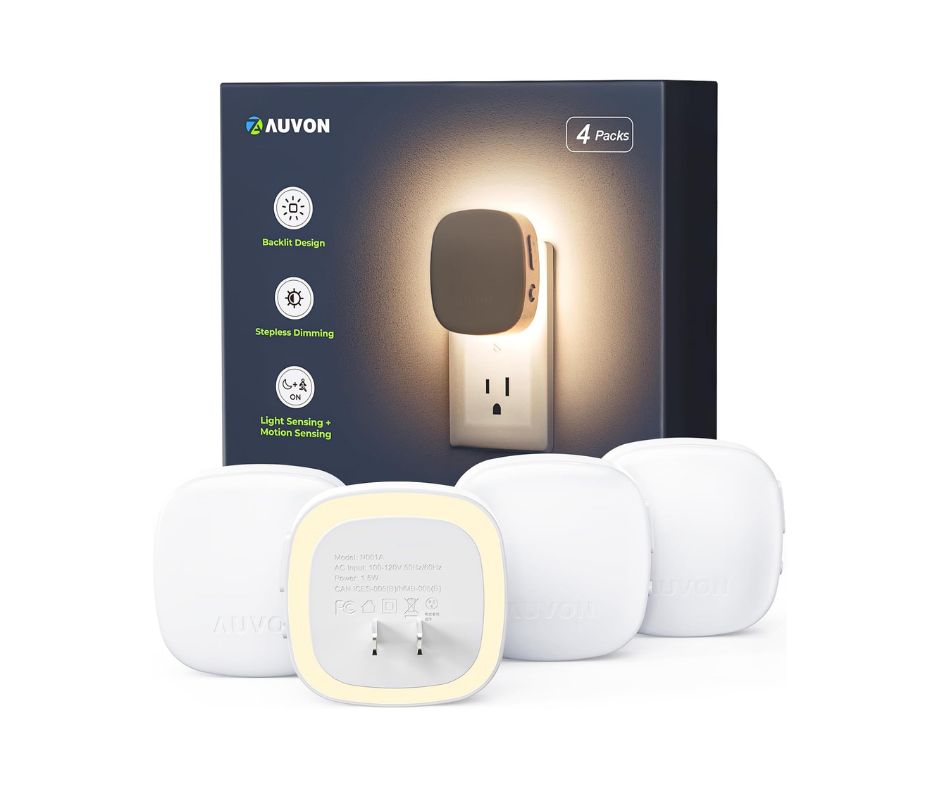
Motion-activated smart bulbs in hallways and bathrooms turn on automatically when someone gets out of bed at night, completely eliminating fumbling for light switches in the dark.
Automatic Stove Shut-Offs
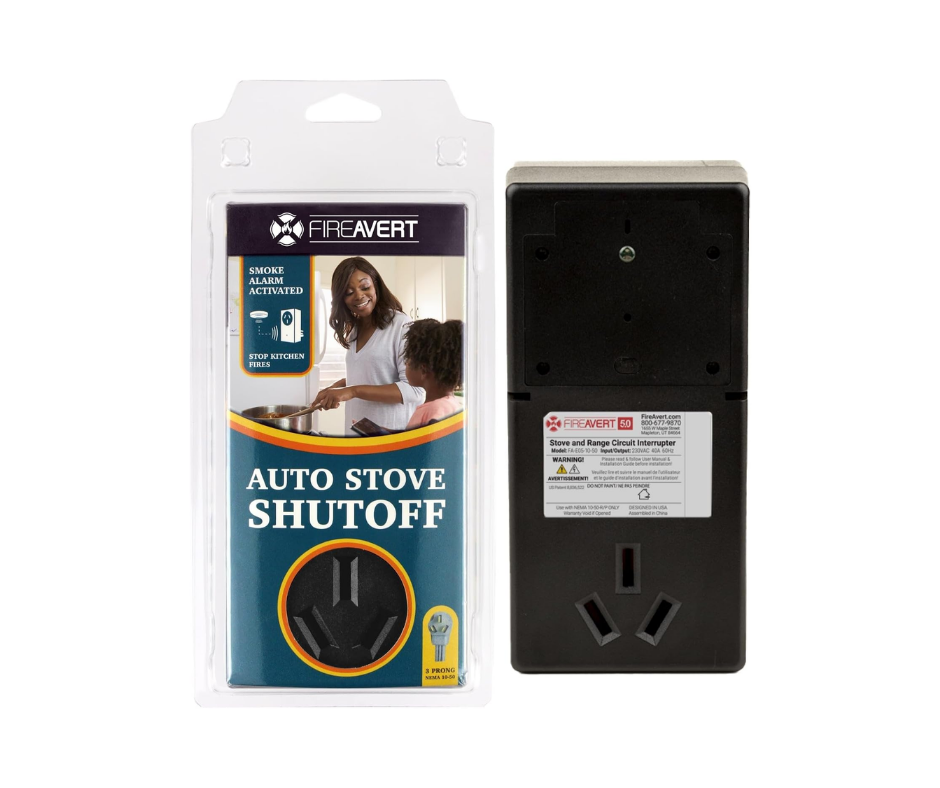
Devices like CookStop monitor stove activity and automatically cut power if left unattended for a set period
Medical Alert Pendants

Modern medical alert devices feature automatic fall detection and GPS tracking. Look for waterproof models that can be worn comfortably in the shower—where most falls happen.
Step-by-Step Action Plan for Caregivers
If you feel overwhelmed by where to start, take a deep breath and follow this structured framework:
Final Thoughts: Taking It One Step at a Time

Navigating the journey of aging in place can feel like standing at the foot of a mountain. Between evaluating home safety hazards, understanding complex financial options, and managing your own emotional journey as a caregiver, it is easy to feel overwhelmed.
Remember: You do not have to fix everything overnight.
Aging in place is not a single, stressful event—it is an evolving, continuous process of adaptation and love. Start small. Secure that first throw rug, install that bathroom grab bar, or simply sit down for a cup of coffee and an honest conversation with your parent. Every proactive step you take today is an investment in their safety, dignity, and independence tomorrow.
You are already doing an incredible job just by being here, seeking out the right answers, and advocating for the people you love. Take a deep breath, trust your instincts, and take it one small step at a time.
Frequently Asked Questions
What is the best age to start planning for aging in place?
The best time to start planning is well before you actually need changes—ideally in your late fifties or early sixties, or whenever you purchase a “forever home.” Proactive planning allows you to make modifications gradually during routine home renovations, such as remodeling a kitchen or updating a bathroom, rather than scrambling to install ramps or stairlifts during a medical crisis.
How do I convince my aging parent to accept home modifications?
Resistance often stems from a fear of losing independence or feeling like their home is turning into a hospital. Frame modifications around style, comfort, and longevity rather than disability. For example, talk about a sleek walk-in shower as a luxury spa upgrade, or explain that modern grab bars double as elegant towel racks. Involving them in choosing the finishes helps them retain a sense of control.
Are home modifications tax-deductible?
Some home modifications qualify as deductible medical expenses if they are installed primarily for medical care or to accommodate a physical disability. Examples include building wheelchair ramps, widening doorways, lowering kitchen cabinets, or installing specialized bathroom support rails. You must obtain a written recommendation from a licensed physician stating that the modification is medically necessary, and the costs must exceed standard IRS medical expense deduction thresholds.
What is the single most important room to modify first?
The bathroom is universally considered the most critical room to modify first. Because of water, smooth tile, and frequent transitions between sitting and standing, over 80% of senior falls occur in or around the bathroom. Installing secure wall grab bars and non-slip flooring or mats provides the highest safety return on investment.
How much do aging-in-place home modifications typically cost?
Costs vary wildly depending on the scope of work. Minor fixes like grab bars, non-slip tape, and lever door handles cost under $500 total. Moderate updates like raised toilets and stairlifts range from $2,000 to $10,000. Major structural overhauls—such as widening hallways, adding bedroom/bathroom additions on the main floor, or installing zero-threshold roll-in showers—can easily range from $15,000 to over $50,000.
What are the alternatives if aging in place becomes unsafe?
When home care becomes too physically demanding or medically complex, alternative options include adult foster care homes, assisted living communities, continuing care retirement communities (CCRCs), and memory care facilities. Transitioning early—while your parent can still participate in social activities and form new friendships within a community—often leads to a much happier experience than waiting for a medical emergency to force the move.
How can I manage caregiver burnout while helping my parent stay home?
Caregiver burnout is a very real risk when managing a homebound parent’s care single-handedly. To protect your own physical and mental health, establish boundaries early, delegate specific household tasks to other family members, and utilize local respite care or adult day programs. Remember that taking care of yourself is not selfish; it is a vital part of keeping your parent safe.
Do smart home devices replace human caregivers?
No, smart home devices do not replace human care. They act as supportive safety nets rather than substitutes for human presence. While automated lights, door sensors, and emergency pendants can alert you to trouble instantly, they cannot provide companionship, help with medication management, assist with physical transfers, or offer emotional reassurance.