
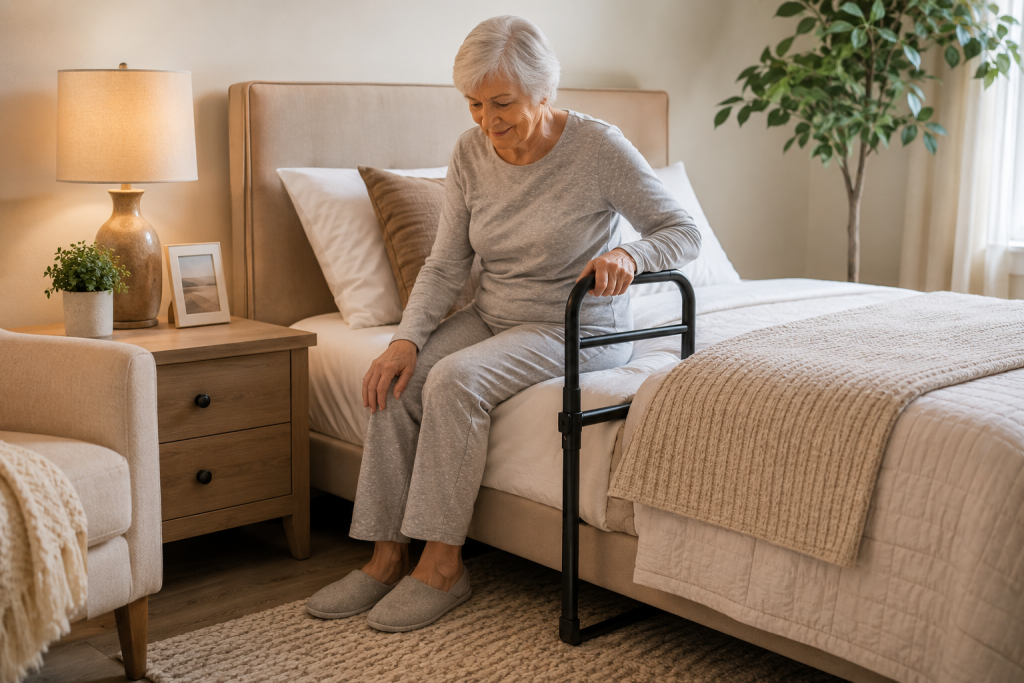
Bed safety for elderly with osteoporosis starts with recognizing how vulnerable morning and nighttime routines can be. The sun hasn’t quite come up yet, and you hear the familiar shuffle and soft thud from your mother’s bedroom. Your heart stops for a second. When your parent lives with fragile bones, that simple transition from the warmth of the sheets to standing upright carries a heavy weight—a minor loss of balance can lead to a severe fracture that changes everything overnight.
In this guide, we are going to look closely at practical ways to turn the bedroom into a safe zone. You will learn how to calculate the right bed height, how to choose the right assistive gear without turning the room into a clinical hospital ward, and how to use a step-by-step transfer protocol that protects both your parent’s bones and your own back.
Ideal Bed Height & Transfer Safety
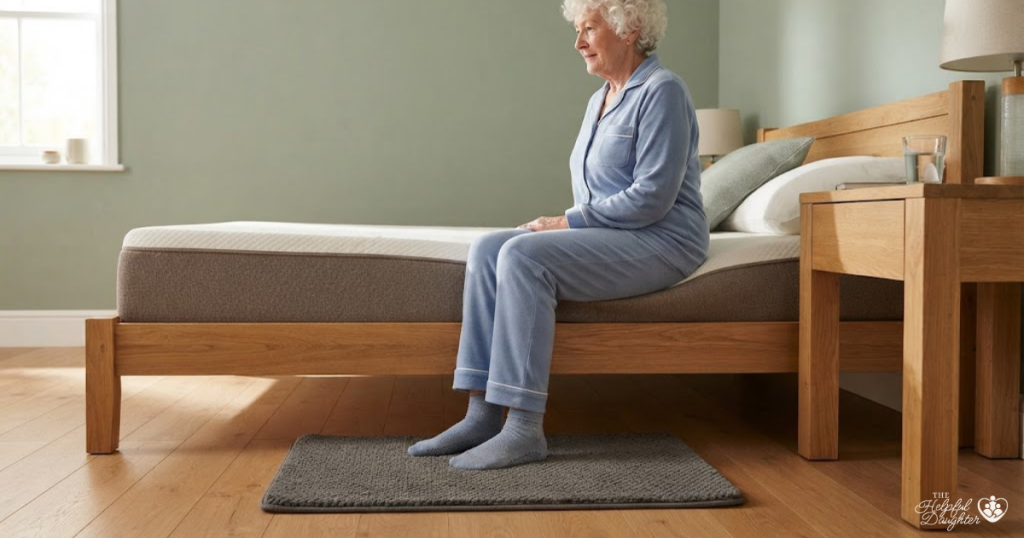
Getting out of bed looks simple, but biomechanically, it is a complex movement that requires coordination, core strength, and a stable surface. For a senior with osteoporosis, the geometry of the bed matters immensely. If a bed is too high or too low, the body has to exert awkward leverage, increasing the risk of a slip or a compression fracture in a weakened spine.
Calculating the Safe Sitting-to-Standing Height
The gold standard for bed safety starts with body alignment. When your parent sits on the edge of the bed before standing, their body should form distinct right angles.
- Feet Flat on the Floor: Their heels and toes must rest entirely flat on the flooring surface. Dangling feet force a senior to slide forward, throwing off their center of gravity.
- Knees at 90 Degrees: Their knees should bend at a clean right angle, with thighs parallel to the floor.
- Hips Level or Slightly Higher: Hips should never sink lower than the knees. If the hips sit lower, the quadriceps and gluteal muscles must work twice as hard to push the body up, putting dangerous shearing stress on the lower back and pelvis.
If your parent’s current bed is too low, replacing the mattress isn’t always necessary. You can often adjust the height using heavy-duty bed risers or a specialized adjustable bed frame. Conversely, if the bed is too high, you may need a low-profile foundation or a custom mattress with less depth.
Quick Caregiver Calculation
Have your parent sit on the edge of their mattress. Use a tape measure from the floor to the crease behind their knee. Compare that measurement to the distance from the floor to the top of the compressed mattress edge. They should match closely to ensure a safe, biomechanically sound standing transition.
The Impact of Bed Edge Compression
Mattresses are designed for comfort when lying down, but comfort foam often translates to instability at the perimeter. When a senior sits right on the edge of a soft mattress, the material compresses significantly.
This unexpected sinking creates a sloping surface. Instead of pushing straight up against a solid platform, your parent is essentially trying to stand up on an inclined, shifting hill. For someone with osteoporosis, that micro-shift can cause their ankles or knees to wobble, triggering a reflex misstep that ends in a fall.
Essential Bedside Safety Gear
Equipping the bedroom doesn’t mean making it look like an intensive care unit. Modern home medical equipment blends safety with dignity, providing discreet support where it counts.
Assist Handles and Padded Bed Rails
Bed rails and assist bars give seniors a fixed anchor point to pull themselves up or steady their posture. However, you must choose the right style based on your parent’s specific cognitive and physical condition:
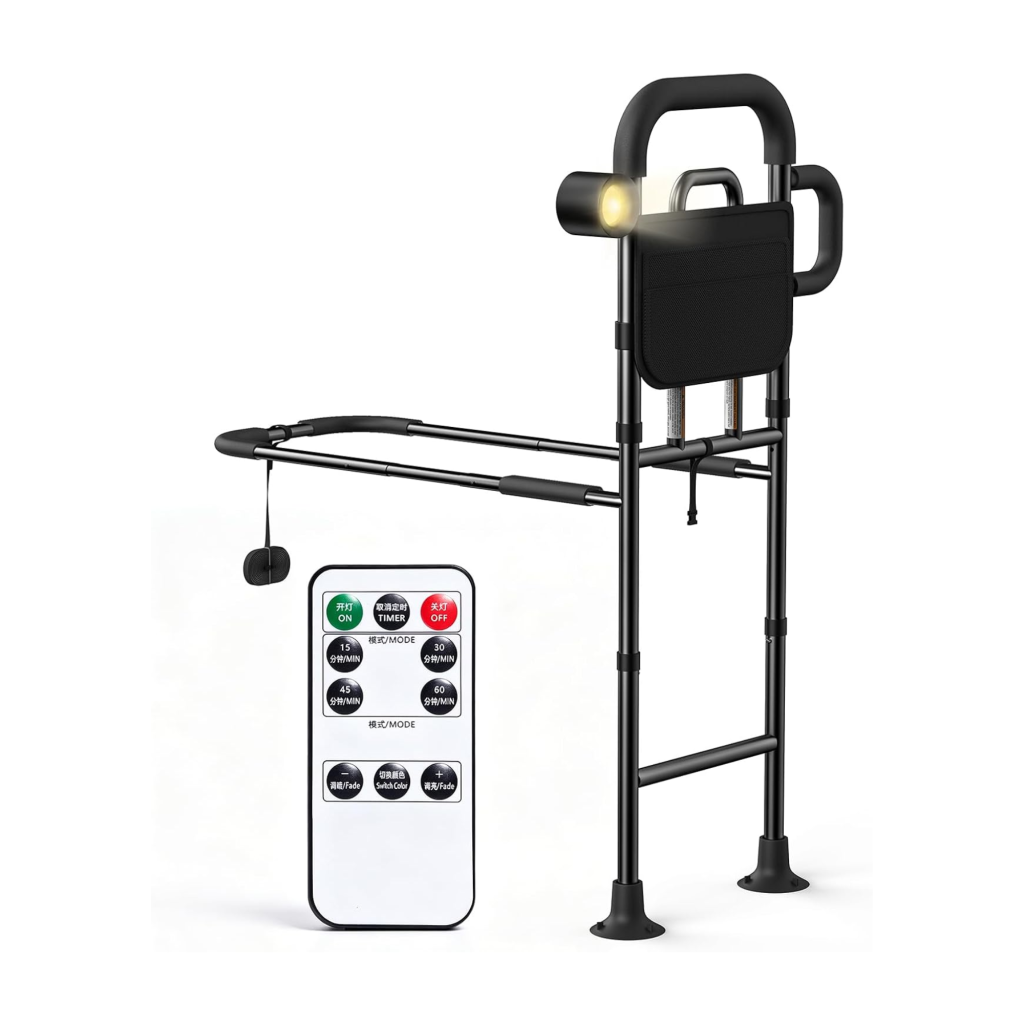
- Stand-Alone Bed Rails (Half-Rails): These slide securely between the mattress and box spring, offering a vertical bar right at the upper body. They are ideal for seniors who just need a handhold to roll over or sit up.
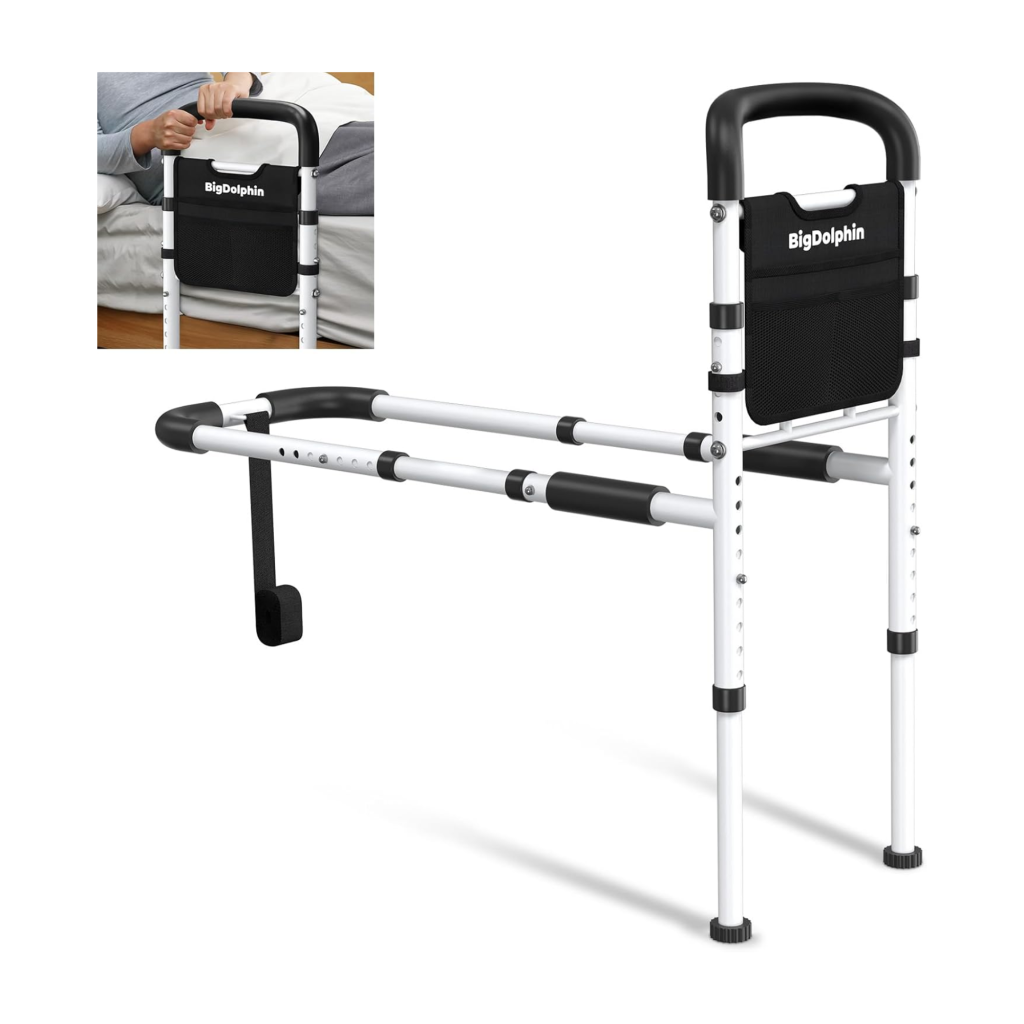
- Padded Rails: For seniors prone to thrashing, bruising easily, or experiencing involuntary muscle spasms, padded rail covers prevent skin tears and impact injuries against hard metal bars.
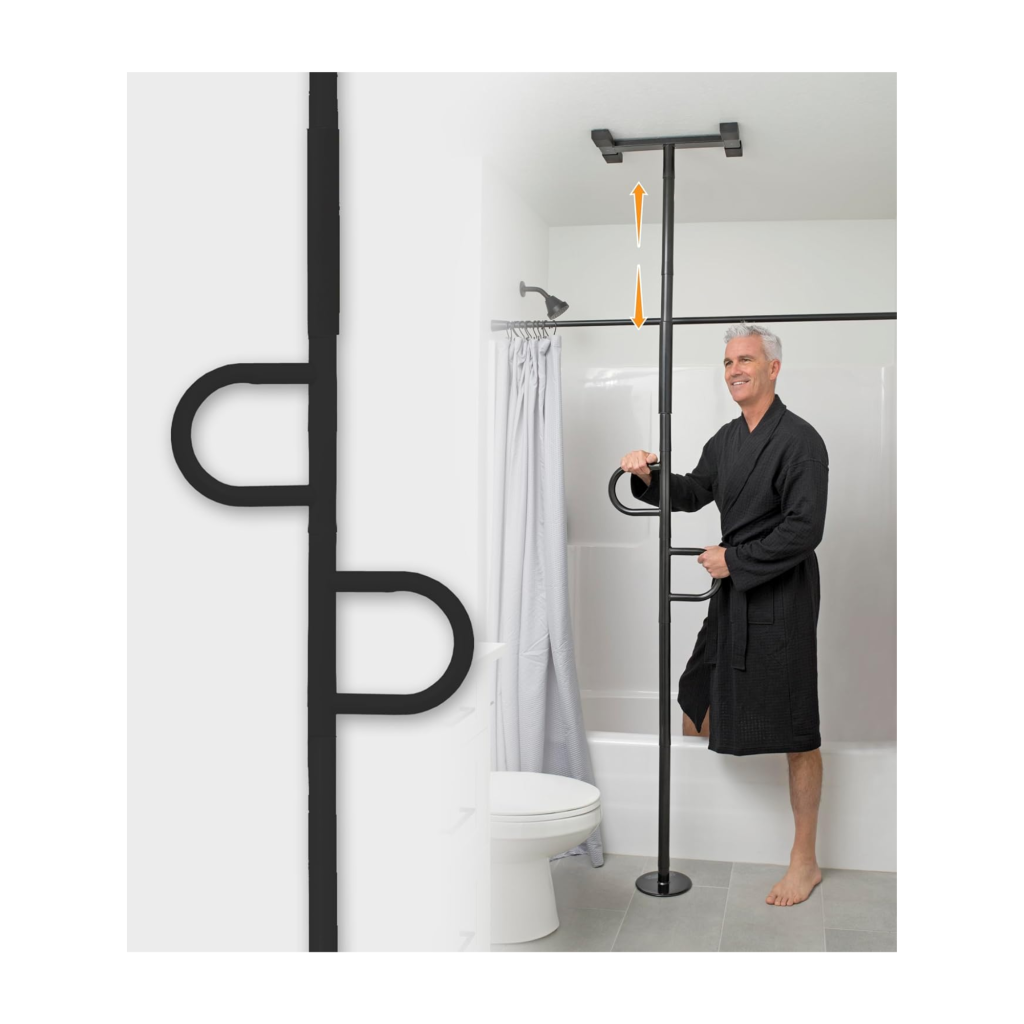
- Floor-to-Ceiling Poles: If attaching something to the bed frame isn’t feasible, tension-mounted poles installed between the floor and ceiling near the bedside provide an unwavering vertical grab bar.
A quick safety note on entrapment: Always ensure that any rail you install meets modern safety standards to prevent gaps where a frail senior could get trapped. If your parent experiences cognitive decline or severe confusion, full-length rails can sometimes create a dangerous climbing hazard where they attempt to tumble over the top.
Bedside Fall Mats and Auto-Motion Nightlights
Even with the best preparation, slips happen. Minimizing the impact surface and improving visibility dramatically changes the outcome of a misstep.
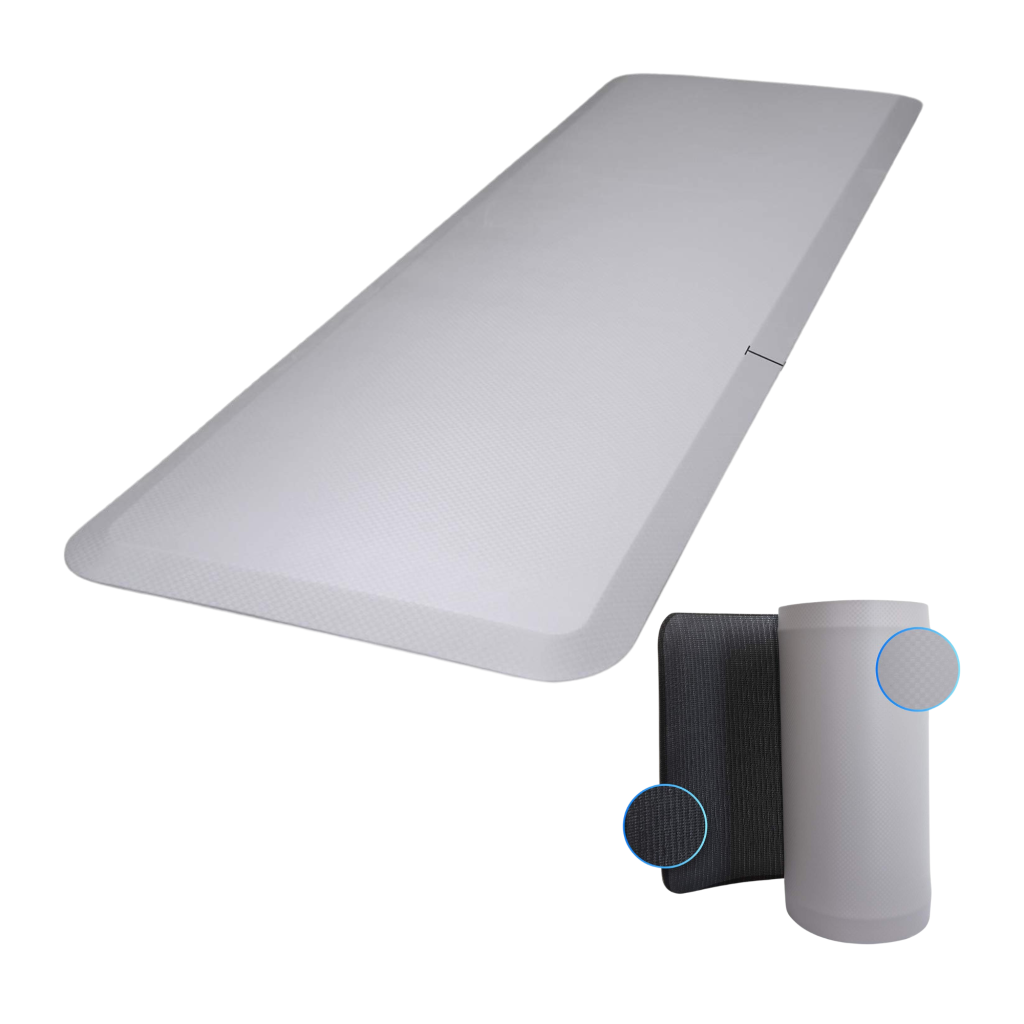
- High-Density Bedside Fall Mats: Traditional rugs slide around and catch toes. Specialized medical fall mats feature a non-skid rubber backing and high-density foam core. If your parent rolls or steps out of bed onto the floor, these mats absorb a significant portion of the impact energy, protecting fragile hips from direct concrete or hardwood collision.
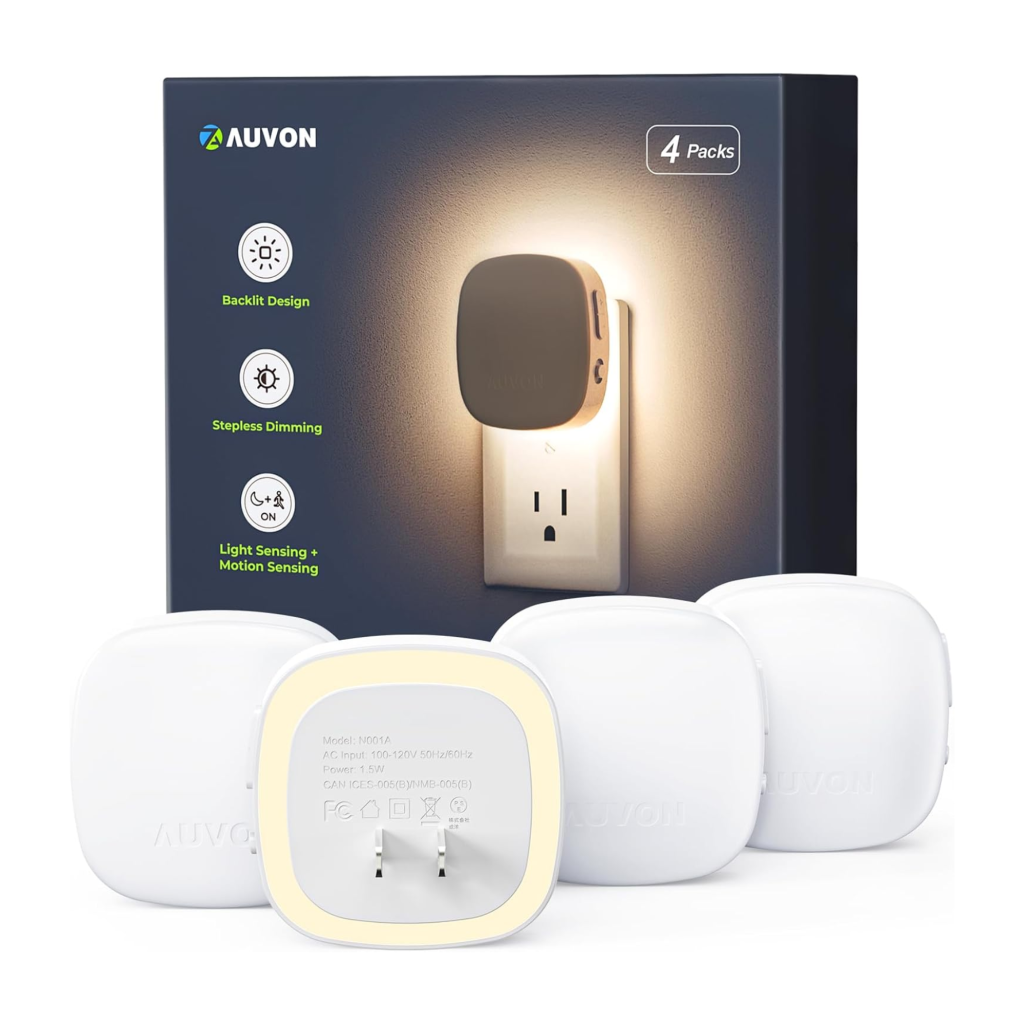
- Auto-Motion Nightlights: Low-glare, motion-activated LED light strips placed along the baseboards or under the bed frame illuminate the pathway the moment feet touch the floor. This eliminates the disorienting scramble to find a lamp switch in the dark.
Mattress Edge Support & Fall Risks
When reviewing bedroom setups, families often overlook the foundation of the bed itself. A sagging mattress perimeter increases sliding risks.
A sagging mattress perimeter increases sliding risks. Read our review of the best mattress for arthritis and osteoporosis to find models with reinforced edge support engineered for safe bed transfers.
Mattresses built with reinforced perimeter coils or high-density foam edge banding keep the sleeping surface firm and flat all the way to the border. This ensures that when your parent sits on the side of the bed to put on their slippers, the surface stays level and dependable under their weight.
Step-by-Step Caregiver Transfer Protocol
Helping a parent out of bed requires coordination. If you pull too hard on their arms, you risk pulling a shoulder out of socket or fracturing an osteoporotic arm bone. Here is a safe, ergonomic technique to guide your parent from a lying position to standing securely.
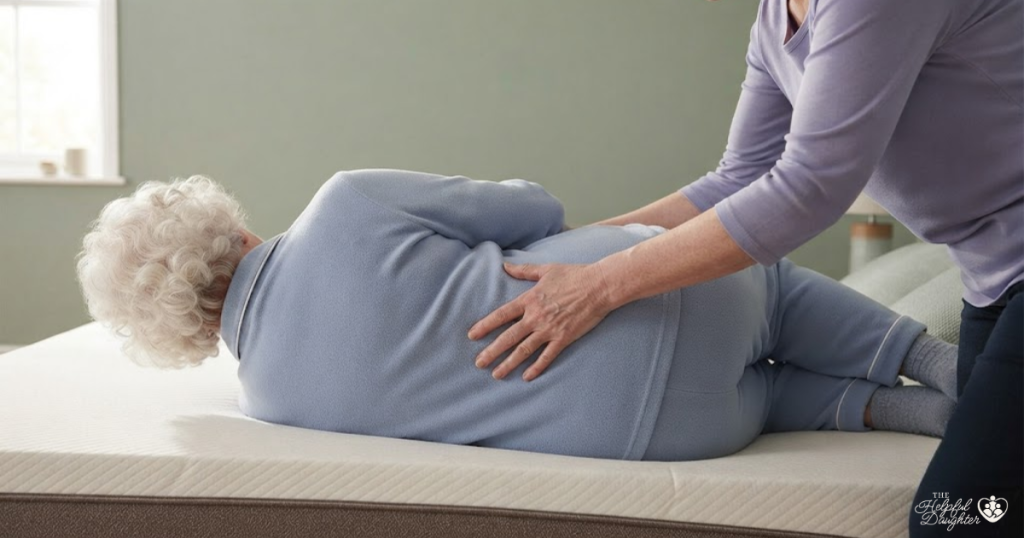
Caregiver Step-by-Step Transfer Guide
- The Log Roll: Ask your parent to bend their knees slightly (if they can do so safely) and roll onto their side facing away from the edge they will exit. Rolling together keeps the spine straight and protects fragile vertebrae.
- Leg Drop: Slowly guide their lower legs off the edge of the mattress while simultaneously using your other arm behind their shoulder blades to push their upper body up. Gravity on the legs helps counterbalance the torso.
- The Pause: Once they are sitting upright on the edge of the bed, stop. Ask them how they feel. Wait at least 60 seconds to let their blood pressure stabilize and prevent dizziness (orthostatic hypotension).
- Scoop and Plant: Ensure their feet are flat on the floor or on a low footstool. Have them place both hands firmly on the mattress surface or your sturdy assist rail—never pull directly on their arms or wrists.
- The Nose-Over-Toes Lean: Count to three together. Ask them to lean their nose forward over their toes (shifting their center of gravity over their base of support) and push up smoothly with their legs, using you for steady guidance rather than heavy lifting.
Final Thoughts
Creating a safe bedroom environment for a parent with osteoporosis isn’t about transforming their home into a medical facility—it’s about preserving their dignity, confidence, and independence. Small, thoughtful adjustments like dialing in the correct bed height, adding low-glare lighting, and practicing proper transfer techniques can dramatically reduce the risk of life-altering falls.
As a caregiver, taking these proactive steps gives you something just as valuable as physical safety: peace of mind knowing your parent is protected during their most vulnerable daily routines.
Frequently Asked Questions
What is the safest bed height for an elderly person with osteoporosis?
The safest bed height is one where your parent can sit comfortably on the edge of the mattress with their feet resting flat on the floor and their knees bent at a 90-degree angle. This alignment allows their leg muscles to generate optimal power when standing, reducing strain on weak bones and preventing the loss of balance that happens when feet dangle or hips sink too low.
Are bed rails safe for elderly parents with dementia?
Traditional bed rails can be hazardous for seniors with dementia or cognitive impairment, as they may attempt to climb over them and suffer a worse fall. If your parent experiences confusion, safer alternatives include low beds placed close to the floor, high-density bedside fall mats, and floor-to-ceiling transfer poles rather than enclosed rail systems.
How can I stop my parent’s mattress from sagging at the edge?
Mattress sagging usually happens when the inner support core breaks down or lacks perimeter framing. You can temporarily improve stability by placing a firm plywood board underneath the mattress. However, if the mattress has lost its structural integrity, investing in a specialized senior-friendly mattress with reinforced edge support is the safest long-term solution.
What should I do immediately if my parent falls getting out of bed?
First, stay calm and assess the situation without moving them right away. Check if they are in severe pain, especially around the hip, shoulder, or back, which could indicate a fracture. If they are alert and pain-free, help them roll onto their side, push up onto their hands and knees using a stable piece of furniture, and bring a sturdy chair over for them to sit on before standing. Call emergency services immediately if there is severe pain, inability to bear weight, or suspected head trauma.
Is it safe to pull my parent up by their arms during a transfer?
You should never pull directly on your parent’s arms, hands, or wrists during a bed transfer. Because osteoporosis weakens bones internally, pulling tension on upper extremities can easily cause a wrist or shoulder fracture. Always rely on assistive rails, gait belts, or supporting their torso and hips rather than their limbs.
Why do seniors get dizzy when getting out of bed quickly?
Sudden movements after lying down for hours cause blood to pool in the lower body temporarily, leading to a sudden drop in blood pressure known as orthostatic hypotension. This drop reduces blood flow to the brain, causing lightheadedness. Always have your parent sit quietly on the edge of the bed for at least 60 seconds before attempting to stand.
Do bedside fall mats really make a difference?
Yes, high-impact medical fall mats significantly reduce the severity of injuries if a fall occurs. Standard bedroom floors like hardwood or tile are rigid and unforgiving to fragile bones. High-density foam mats absorb a major percentage of the kinetic energy upon impact, drastically lowering the risk of hip fractures from rolling or stepping out of bed.
How often should I check bedside safety equipment?
You should visually inspect all bedside rails, poles, and fasteners at least once a month. Check for loose straps, shifting mattress anchors, wobbly tension poles, or worn-out non-slip backing on fall mats. Regular maintenance ensures that hardware stays completely secure under daily weight and pressure.