
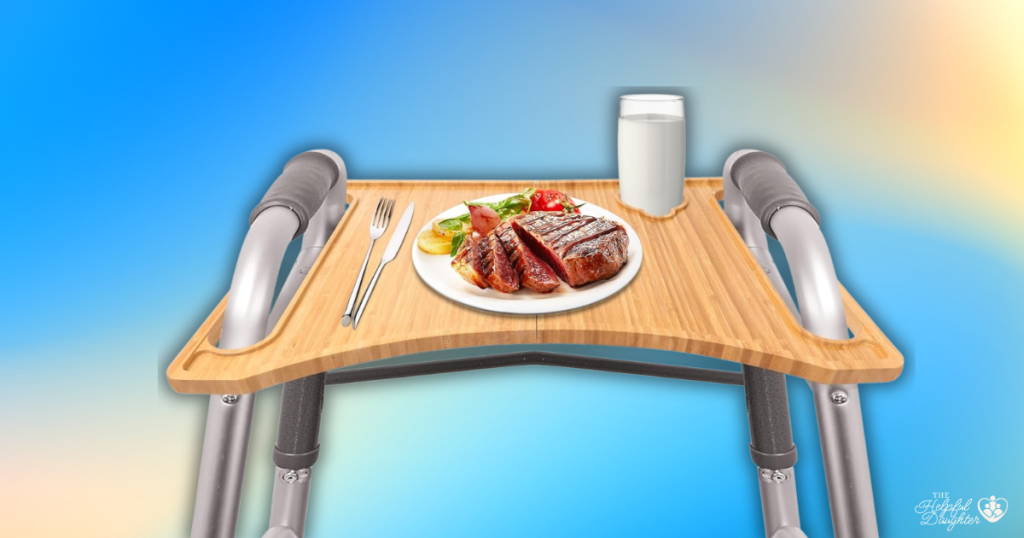
Carrying a warm cup of coffee, a plate of toast, or the morning mail across the kitchen seems simple—until you need both hands on a walker to stay upright.
For many aging parents, this daily friction leads to dangerous workarounds: carrying a mug with two fingers while steering with the rest, balancing a plate on a knee, or skipping meals to avoid the hassle. Adding a quality tray for a walker turns a basic mobility aid into a practical daily assistant. It lets seniors transport everyday necessities safely without sacrificing balance or independence.
However, choosing the wrong tray design can make a walker cumbersome, create a tipping hazard, or prevent the frame from folding properly. This guide breaks down how to choose the right tray, crucial safety rules to prevent falls, and how to measure your walker so you buy the right fit the first time.
Standard Walkers vs. Rollators: Know the Difference First
Before buying a tray, you must identify your exact type of walker. Ordering a tray designed for a standard 2-wheeled walker when you have a 4-wheeled rollator is the most common reason for returns.
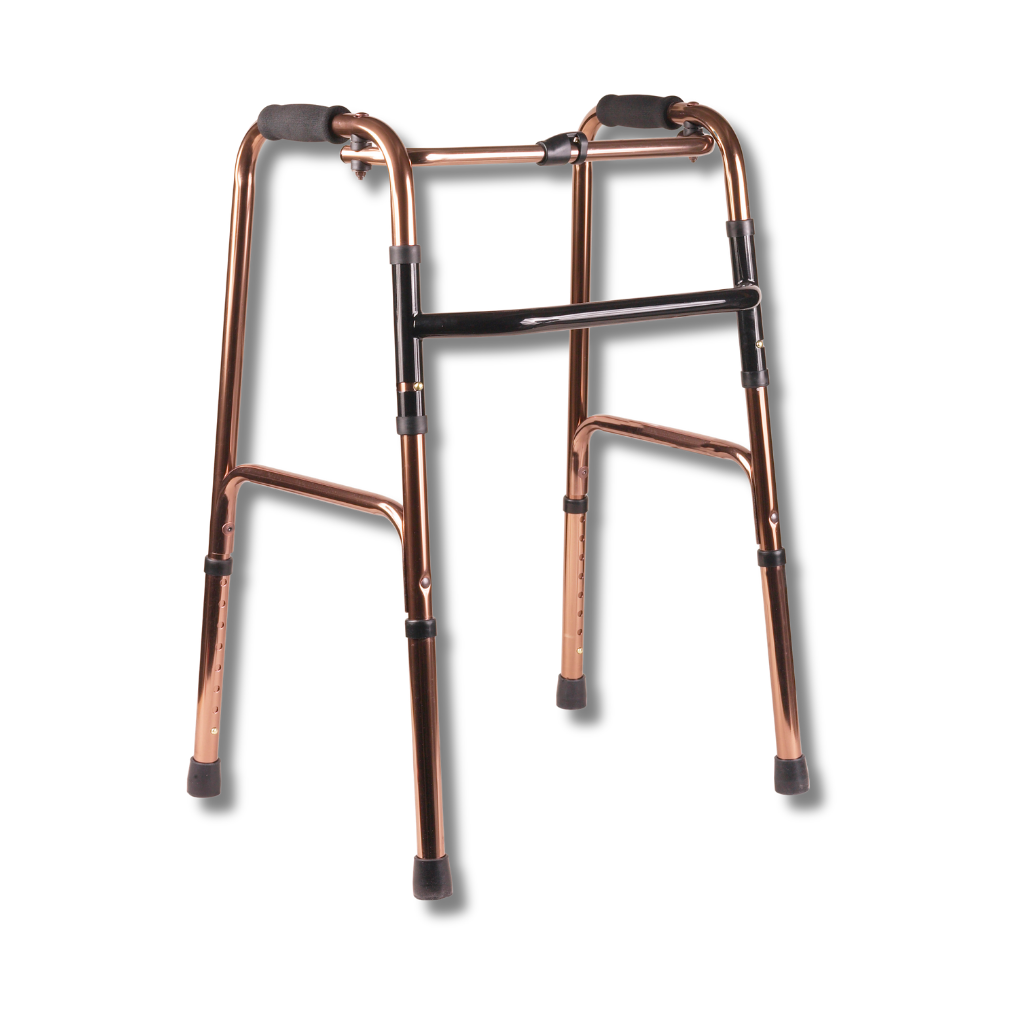
Standard Walkers (2-Wheeled or 4-Legged):
- These open-frame walkers require a tray that clips or clamps onto the front crossbars. The tray sits directly in front of the user at chest or waist height.
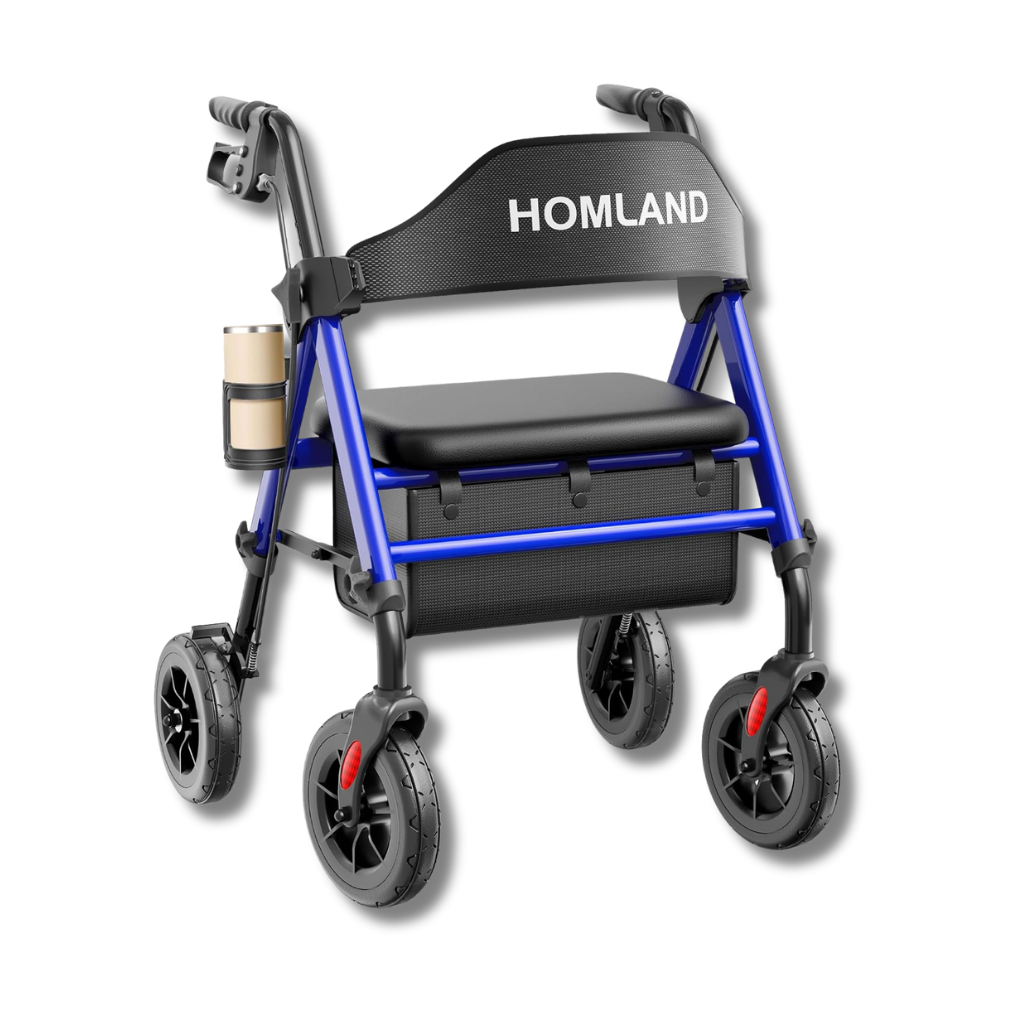
4-Wheel Rollators
- Rollators already come equipped with a built-in padded seat and handlebars with handbrakes. Trays for rollators are flat plastic inserts designed to slide directly over or rest on top of the padded seat.
Critical Rollator Safety Note: Placing a tray over a rollator seat means the user cannot sit down until the tray and its contents are completely removed. If your parent relies on frequent resting breaks while moving around the house, a hanging organizer or basket may be a safer alternative than a seat tray.
The 3 Main Types of Walker Trays
1. Rigid Plastic Trays
Rigid plastic trays are the traditional standard for home use. They snap onto the front vertical or horizontal bars of standard folding walkers, providing a firm, flat tabletop. Most feature dual built-in cup holders and raised perimeter edges to catch minor spills.
They offer maximum stability for plates, soup bowls, and hot drinks. The trade-off is portability: most rigid plastic models must be unclipped before you can fold the walker for transport in a vehicle.
2. Folding / Flip-Down Trays
Designed with hinged brackets, folding trays lower out of the way when not in use. This allows the senior to fold their walker for storage or place it in a trunk without removing the tray entirely. They are ideal for smaller living quarters, narrow hallways, or active seniors who leave the house often.
3. Fabric Tray-Bag Hybrids
These multi-functional organizers attach via heavy-duty Velcro straps to the front or side of the walker frame. They feature deep zippered pockets for books, medication, and phones, topped with a removable rigid board or mini tray insert. While they aren’t ideal for balancing a full dinner plate, they excel at holding snacks, water bottles, and personal items.
My 3 Picks: Trays For A Walker
when it comes to choosing the best tray for a walker, these are my top 3 picks:
1. Topdatry Walker Tray for Seniors
Best Simple Tray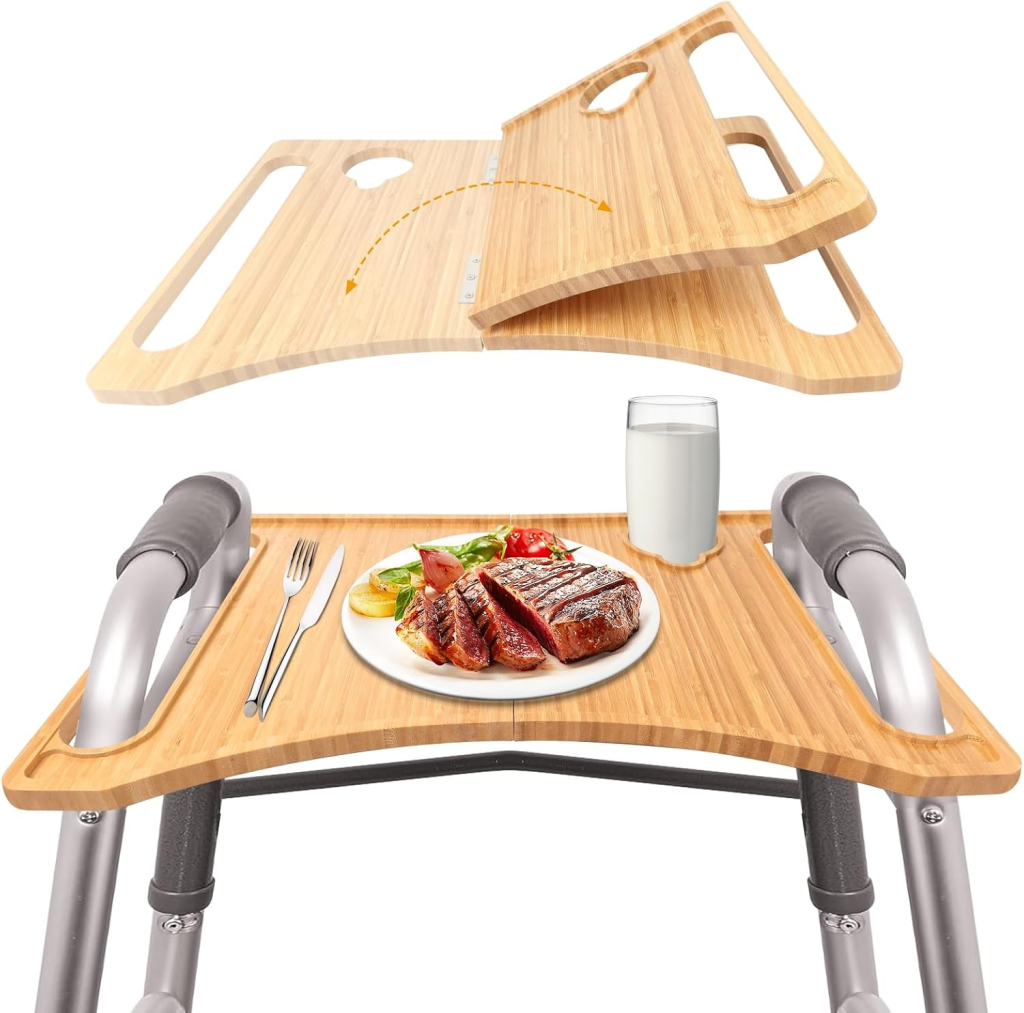
Best For: Seniors who need a simple, flat surface for meals, drinks, and everyday items around the house.
Not Ideal For: Carrying items that easily spill or users looking for built-in storage pockets.
My Opinion
I like this tray for seniors who mainly need a simple, flat surface for meals and everyday items. The large surface and cup holder make it especially useful around the house. If your loved one doesn’t need additional storage, this is a straightforward option that doesn’t add unnecessary features.
Key Features & Specifications
- Surface Area: Generous 21.5″ x 15″ tray area
- Beverage Storage: Built-in cup holder to hold drinks securely
- Design: Lightweight and foldable for easy storage and travel
- Compatibility: Fits most standard folding walkers
- Primary Use: Ideal for meals, reading materials, drinks, and daily activities
Things We Loved
- Large usable surface for plates and books
- Convenient built-in cup holder
- Lightweight frame and easy to store away
- Helps seniors carry items independently
Things to Know Before Buying
- Compatibility should be verified prior to purchasing
- May make the walker slightly bulkier in tight spaces
- Not ideal for open containers easily prone to spilling
2. MoKo Walker Basket Bag With Tray
Best Tray & Storage Combo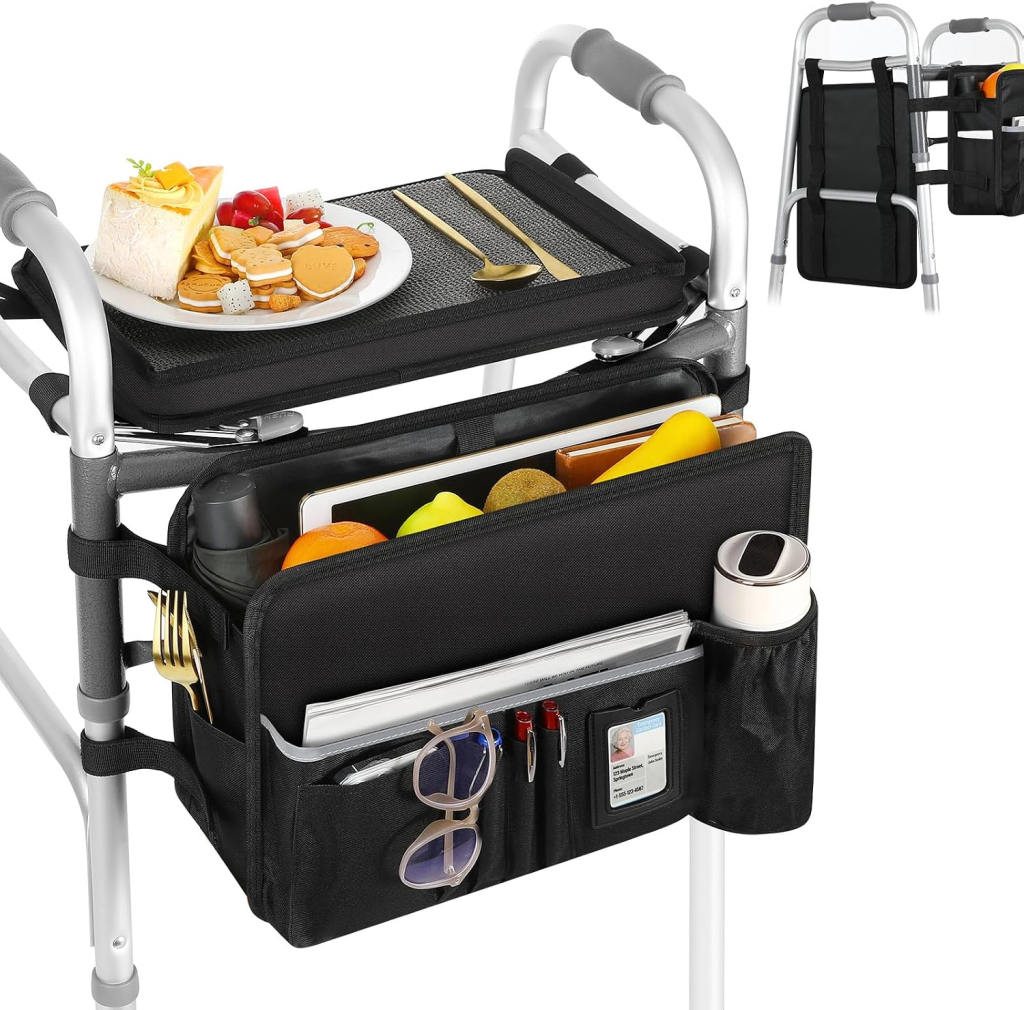
Best For: Seniors who need both a flat surface for larger items/meals and dedicated storage pockets for small essentials.
Not Ideal For: Minimalist setups where extra weight or bulk could hinder maneuvering.
My Opinion
This would be my pick for someone who wants more than just a tray. The storage bag gives you a place for things like a phone, glasses, tissues, and other small essentials, while the tray handles meals and larger items. Just be careful not to overload the bag and make the walker difficult to maneuver.
Key Features & Specifications
- Tray Attachment: Upgraded detachable walker tray surface
- Storage Capacity: Spacious storage bag equipped with multiple organizer pockets
- Safety Feature: Includes non-slip mat to prevent items sliding
- Hydration Holder: Built-in cup holder slot
- Compatibility: Tailored for standard folding walkers
Things We Loved
- Combines tray space and bag storage seamlessly
- Generous number of pockets for personal items
- Non-slip mat provides extra mealtime stability
- Cup holder adds daily convenience
Things to Know Before Buying
- Bulky design compared to basic clip-on trays
- Care must be taken not to overload the front pockets
- Verify dimensions against your specific walker frame
How to Measure Your Walker in 3 Easy Steps
Generic “universal fit” claims can be misleading because walker dimensions vary by several inches across brands like Drive Medical, Medline, Nova, and Guardian. Take two minutes to check these three measurements before purchasing:
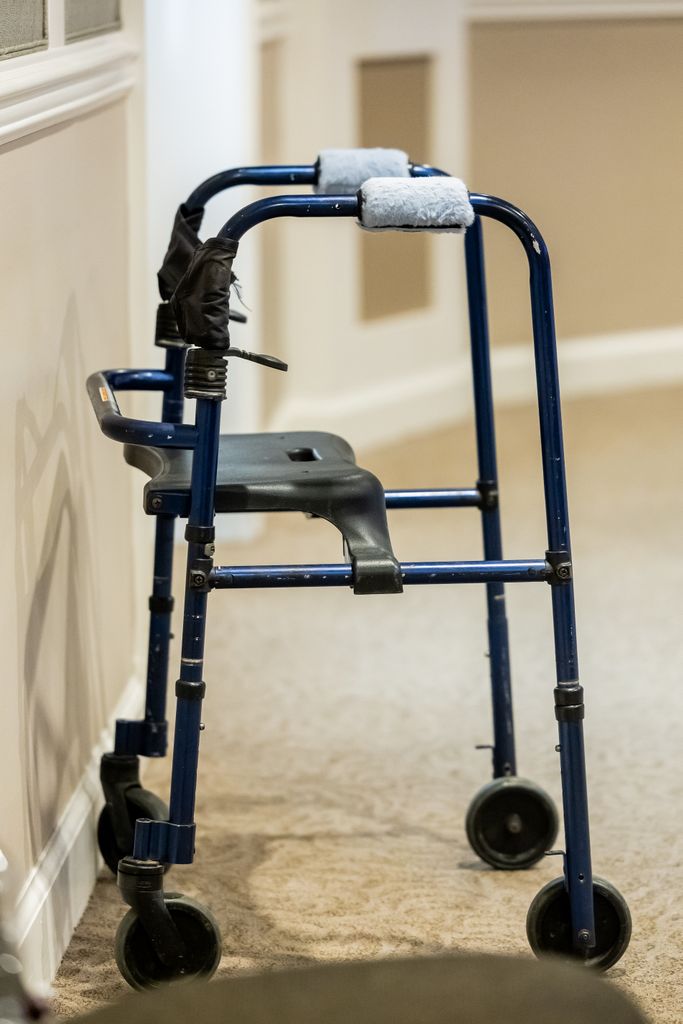
- Measure the Interior Width: Measure the open distance between the two parallel front vertical bars where the tray will clip. Standard trays usually require an interior clearance of 18 to 20 inches.
- Check Tubing Diameter: Most standard medical walkers use 1 inch round aluminum tubing. However, bariatric, heavy-duty, or lightweight modern walkers often feature 1.125 inch tubing or oval-shaped bars that require adjustable clips.
- Verify Crossbar Height: Ensure the top horizontal bar sits high enough that adding a tray won’t block the user’s view of their feet or the floor ahead.
Vital Safety Rules for Caregivers and Seniors
A tray is a mobility aid—not a coffee table or a storage cart. To maintain proper stability and prevent accidental falls, keep these basic safety principles in mind:
Always Use Spill-Proof Lids
Never carry open mugs of hot coffee, boiling tea, or bowls of scalding soup on a walker tray. A minor wobble over a doorway threshold can spill boiling liquid onto hands or feet, causing a burn that leads to a dangerous fall. Always use insulated travel mugs with secure lids and covered soup containers.
Keep Both Hands on the Grips
The primary purpose of a walker tray is to keep hands free for steering. Remind your loved one never to rest their arms or place heavy body weight on the tray itself while moving. Body weight must remain squarely over the walker handles.
Balance the Load
Position heavier items—like a glass jar or a small plate—toward the center of the tray directly over the walker’s center of gravity. Stacking heavy items on one side can cause the walker to pull or tilt to the left or right when navigating turns.
Keep Loads Lightweight
Most walker trays are rated for 5 to 10 lbs. Storing heavy stacks of books, full grocery bags, or small appliances on a tray alters the walker’s frame balance and significantly increases the risk of tipping backward.
Final Thoughts
If there is one thing I’ve learned over years of helping aging loved ones maintain their independence, it’s that the smallest daily frustrations often cause the biggest strain on someone’s dignity.
Watching a parent struggle to carry something as simple as a cup of morning tea or their afternoon reading glasses isn’t just hard on them—it keeps caregivers on edge, constantly worrying about the next slip or fall.
A walker tray isn’t flashy, and it certainly isn’t a life-altering piece of medical equipment. But in practice? It restores a piece of everyday freedom. It lets your mom or dad bring their own lunch to the table, move their mail from the front door, or keep their favorite book right beside them without needing to ask for help every time.
If you’re on the fence, take two minutes to grab a tape measure, check your walker’s dimensions, and give one a try. It’s a simple, low-cost investment that yields a lot of comfort and a whole lot of peace of mind—for both of you.
Frequently Asked Questions
Can you put a tray on a walker with a seat?
Yes, but only if you use a rollator-specific tray designed to sit on top of the seat. Standard clip-on walker trays will not attach correctly to a rollator frame.
How do you clean a walker tray?
Most rigid plastic trays can be wiped down with warm soapy water or standard disinfectant wipes. Avoid abrasive scouring pads that can scratch the plastic surface and trap food particles over time.
Will a walker tray fit through narrow doorways?
Trays add very little width to the walker’s side profile, but they extend the front clearance by a few inches. Measure narrow bathroom or bedroom doorways to ensure the user has enough room to step through smoothly and turn.
Do walker trays require tools to install?
Most modern trays feature tool-free snap-on clips or flexible mounting brackets that slide over the walker legs, allowing quick installation or removal in under two minutes.