
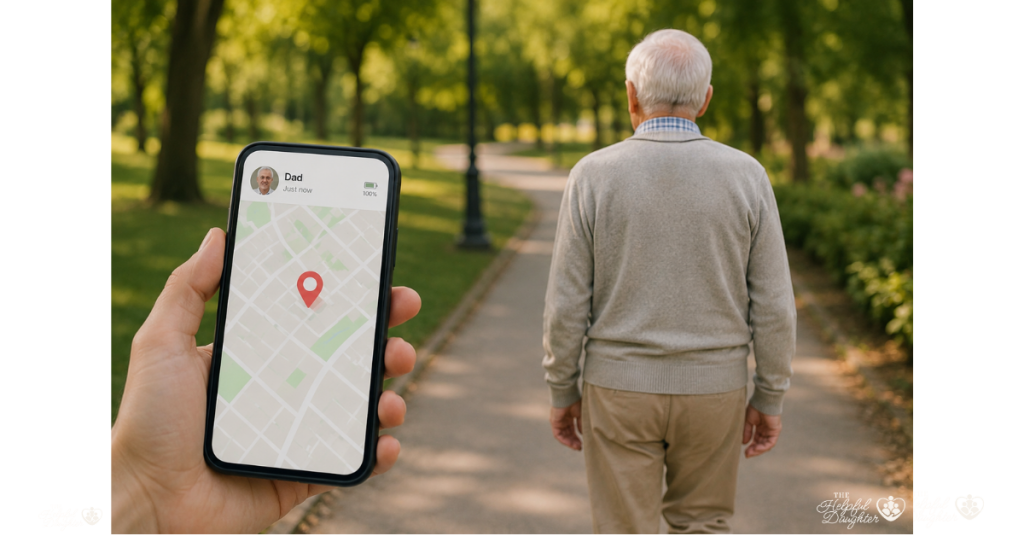
I still remember the first time it happened. It was a completely normal afternoon—until suddenly, my loved one with memory loss wasn’t in the house anymore. The cold panic that follows a moment like that is something you never forget. If you’re caring for someone with dementia, you likely know that feeling all too well.
That’s why more families are turning to GPS tracker for dementia patients. It’s not about invasive surveillance; it’s about giving caregivers the ability to breathe again, knowing there is a reliable way to find their loved one quickly if they wander.
Wandering is one of the most stressful and dangerous challenges caregivers face. For people living with cognitive decline, especially those diagnosed with Dementia or Alzheimer’s disease, getting lost isn’t just possible—it’s common. Modern GPS tracking technology offers something simple but powerful: peace of mind. It grants you the ability to know exactly where someone is, even when you can’t physically be right beside them.
Why Seniors Wander
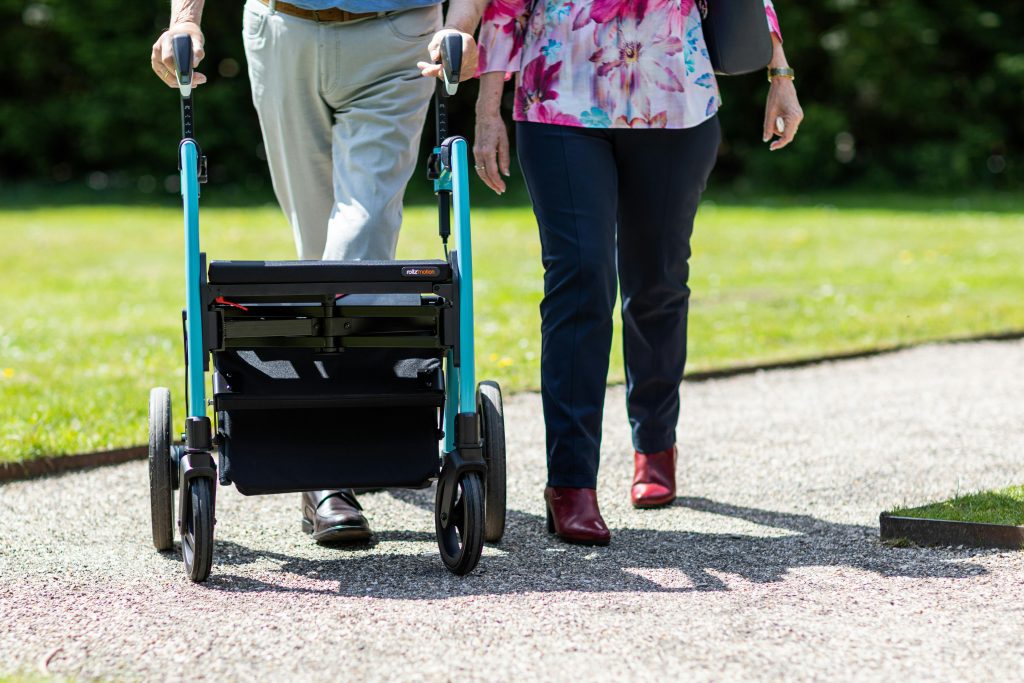
Wandering doesn’t usually happen for one clear reason. It’s often a complex mix of confusion, long-held habits, and progressive memory loss.
Dementia and Alzheimer’s Symptoms
As memory fades, familiar places stop feeling familiar. A person may experience severe spatial disorientation and believe they need to “go home” or “go to work” even while they are already safe at home.
Confusion and Disorientation
Even simple, lifelong environments can become suddenly overwhelming. A short, routine walk outside can quickly turn into a confusing situation where milestones and landmarks completely vanish.
Nighttime Wandering Risks
Many seniors experience “sundowning,” a phenomenon where confusion and anxiety dramatically worsen in the late afternoon and evening. This is often when wandering becomes most dangerous—quiet streets, poor visibility, dropping temperatures, and delayed discovery all heighten the risk.
How GPS Trackers Work

Modern GPS tracking systems are surprisingly simple to manage, even for families who aren’t tech-savvy.
These small devices use satellite positioning to pinpoint a person’s exact location on a digital map in real time. Most systems connect seamlessly to a mobile app on your smartphone, providing live location updates, movement history, and instant alerts.
One of the most valuable software features is geofencing. This allows you to draw a virtual perimeter around a safe area, like your home or neighborhood. The moment your loved one crosses that digital boundary, your phone pushes an instant notification, allowing you to intercept them before they travel too far.
Key Feature: Geofencing
One of the most valuable software features is geofencing. This allows you to draw a virtual perimeter around a safe area, like your home or neighborhood. The moment your loved one crosses that digital boundary, your phone pushes an instant notification, allowing you to intercept them before they travel too far.
Choosing the Right Device: Our Top Picks
Not all tracking hardware looks the same. The right option depends heavily on the habits, preferences, and cognitive stage of the person you are caring for. Below are the primary types of trackers and top-tier options to consider:
1. Wearable Smartwatches & Pendants
Wearable trackers are styled exactly like modern smartwatches or discreet neck pendants. They are highly accessible and ideal for seniors who are comfortable wearing accessories.
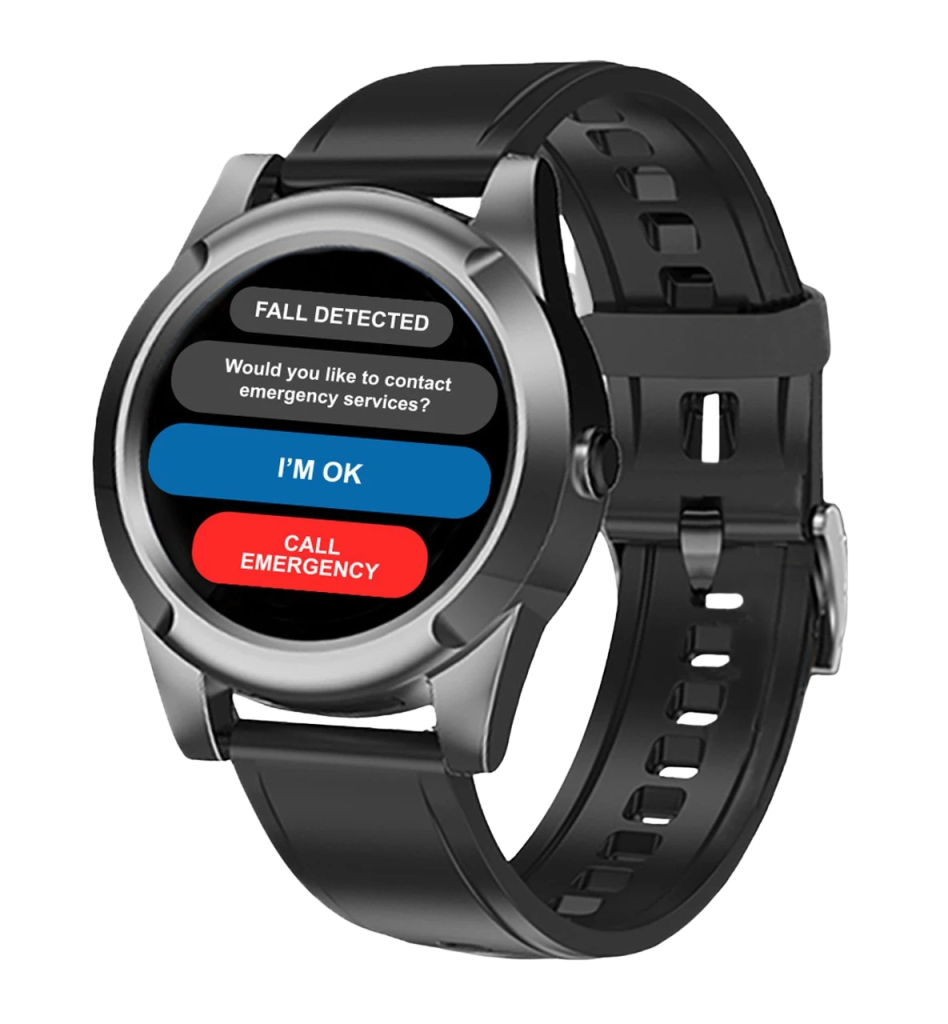
- Top Pick: The Medical Care Alert systems offer excellent wearable options, including smartwatches and emergency pendants. These devices feature built-in GPS tracking alongside 24/7 emergency monitoring, meaning your loved one can connect to a live operator with the press of a button if they become lost or disoriented.
2. Hidden & Discreet Trackers
When sensory issues, confusion, or paranoia cause an individual to reflexively remove jewelry, watches, or clips, a hidden tracker is the best alternative. These can be tucked into pockets, sewn into coats, or attached to everyday belongings.
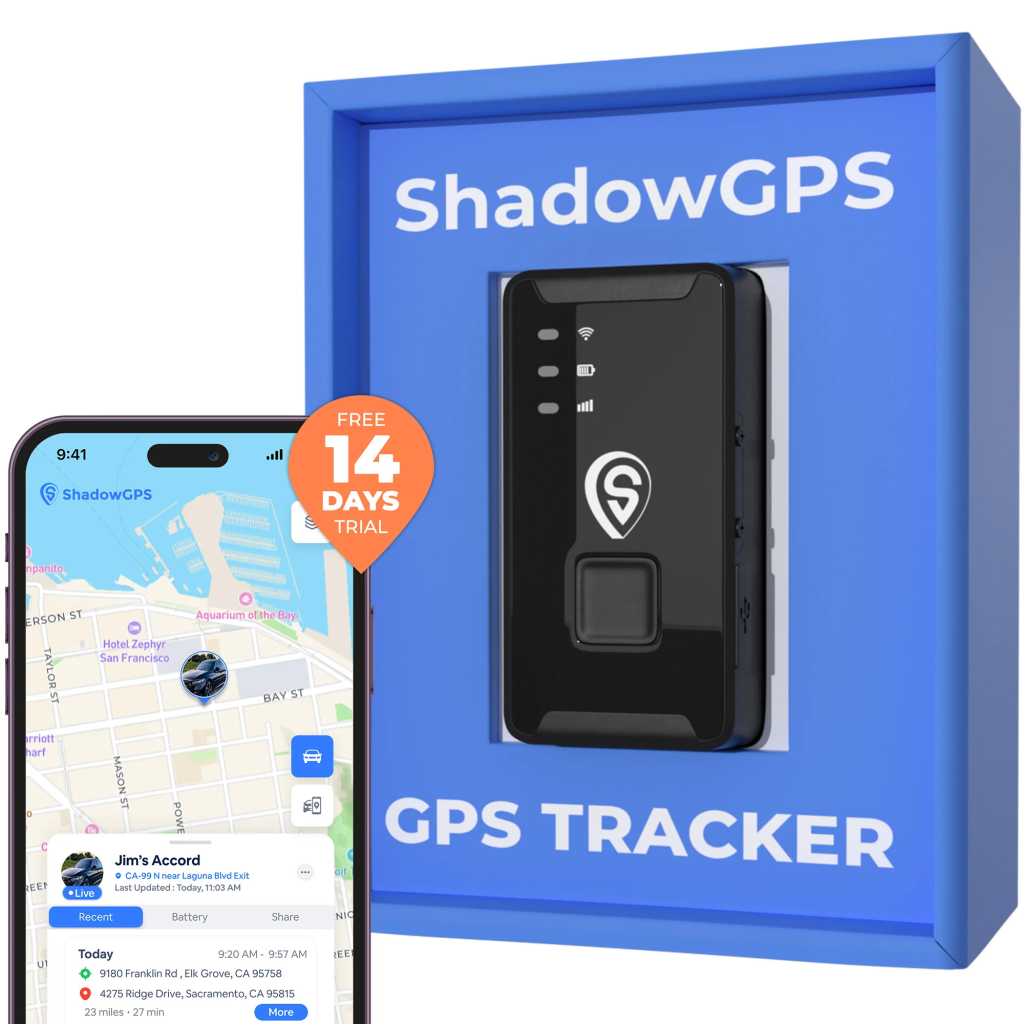
- Top Pick: The ShadowTrack GPS Tracker is an ultra-discreet, compact locator. It is incredibly easy to hide inside a bag, backpack, or clothing lining, providing precise real-time tracking without causing the anxiety or resistance that sometimes comes with visible wearable devices.
3. Smart Insoles & Vehicle Trackers
If your loved one refuses to carry anything extra, smart shoe insoles place the technology directly underfoot. Alternatively, if your senior is in the early stages of cognitive decline and still safely driving, a vehicle GPS device can monitor driving routes to ensure they don’t lose their way on the road.
Key Features to Evaluate Before Buying
When comparing different models, keep these practical elements in mind:
| Feature | What to Look For |
|---|---|
| Comfort & Wearability | If a device isn’t perfectly comfortable, your loved one will find a way to take it off. Prioritize sensory comfort and their established habits. |
| Battery Life | Continuous real-time streaming updates can deplete a battery within 24 to 48 hours. Minimalist locators or devices with customizable ping frequencies can last several days or weeks on a single charge. |
| Subscription Fees | Because real-time tracking relies on cellular networks to transmit location data to your phone, almost all reliable devices require a monthly or annual subscription fee. |
| Tech Comfort Level | Balance easy “plug-and-play” smartphone apps against highly advanced systems that require deeper configurations. |
💡 Practical Tips: How to Introduce a Tracker
Getting a loved one to accept a new device can be a challenge if they feel their autonomy is threatened. Try these gentle approaches:
- Frame it as a Gift: Introduce a tracking watch as a special milestone gift or a piece of jewelry from a grandchild.
- Normalize It: Focus on its secondary features. Talk up how it tells the time, tracks their steps, or looks stylish, rather than emphasizing that it’s a safety tracker.
- Opt for the Invisible: If your loved one is highly resistant to wearing jewelry or accessories, use completely hidden alternatives like the ShadowTrack GPS Tracker tucked safely inside their favorite jacket or purse.
Privacy and Ethical Concerns

It is completely normal to feel a sense of ethical conflict about using a tracking device. However, it helps to remember that tracking is about protection and crisis prevention, not surveillance or control.
Instead of replacing family trust, assistive technology supports independence. It allows your loved one to enjoy safe freedom, like spending a solo afternoon in the backyard, while removing the catastrophic risk of disappearing.
If your loved one is in the early stages of cognitive decline and still able to process the concept, discuss it openly. Frame the device as a mutual connection tool designed to keep them safe, connected, and independent for as long as possible.
Final Thoughts
Caring for someone with memory loss means constantly balancing absolute safety with individual independence. While a GPS tracker won’t solve every complex issue that comes with cognitive decline, it successfully transforms terrifying moments of pure panic into moments of quick, controlled action.
It replaces the heartbreaking thought of “we’ve lost them” with a confident “we know exactly where they are.” For a family caregiver, that subtle shift changes absolutely everything.
Frequently Asked Questions
What causes wandering in dementia patients?
Wandering is usually triggered by memory loss, an urge to find a familiar person or past workplace, restlessness, physical discomfort, boredom, or environmental confusion where their brain tells them they need to move to find safety.
Are GPS trackers accurate indoors?
GPS signals are inherently optimized for outdoor tracking. When indoors, accuracy can dip depending on concrete walls or roof structures. Premium modern devices compensate for this by using nearby Wi-Fi network nodes and Bluetooth signals to provide a highly accurate location estimate.
Can GPS devices call emergency contacts?
Yes. Wearable systems like Medical Care Alert feature accessible SOS buttons that automatically dial a 24/7 monitoring center or send immediate alerts with live map coordinates to emergency contacts.
What is geofencing for seniors?
Geofencing allows caregivers to establish a virtual boundary around a specified location (like a house, a care facility, or a block). The moment the device crosses outside of this digital fence, the companion app pushes an instant notification to your smartphone.
Are GPS trackers covered by insurance?
In most cases, standard health insurance does not fully cover personal tracking hardware or subscription plans. However, certain specialized local waiver programs, Alzheimer’s support grants, or long-term care insurance policies may offer partial reimbursement.
How long do GPS tracker batteries last?
It varies widely depending on update intervals. Devices that refresh live coordinates every few seconds typically last 24 to 48 hours, while units that track on-demand or use power-saving modes can remain powered for several days or even weeks.