

When my mother started hesitating before walking across the living room, I knew something had changed. It wasn’t that she didn’t want to join us at the dinner table; she was simply afraid of falling. That subtle loss of confidence is often the first quiet sign that an aging parent needs extra support.
Choosing the right walker for seniors can feel overwhelming. The market is filled with terms like two-button folding frames, four-wheel rollators, and upright posture walkers. Choose the wrong one, and it might sit unused in a hallway, prove too heavy to lift into a car trunk, or worse, create a real trip hazard.
In this guide, we break down everything you need to know to select the right mobility aid. We have tested, measured, folded, and evaluated these options so you can make a safe, confident decision for your family.
Walker vs. Rollator: Understanding the Difference
Before reviewing specific models, it is crucial to understand the functional differences between standard walkers and rollators. Recommending a four-wheel rollator to someone who needs a frame to bear heavy weight is a common mistake that can lead to falls.
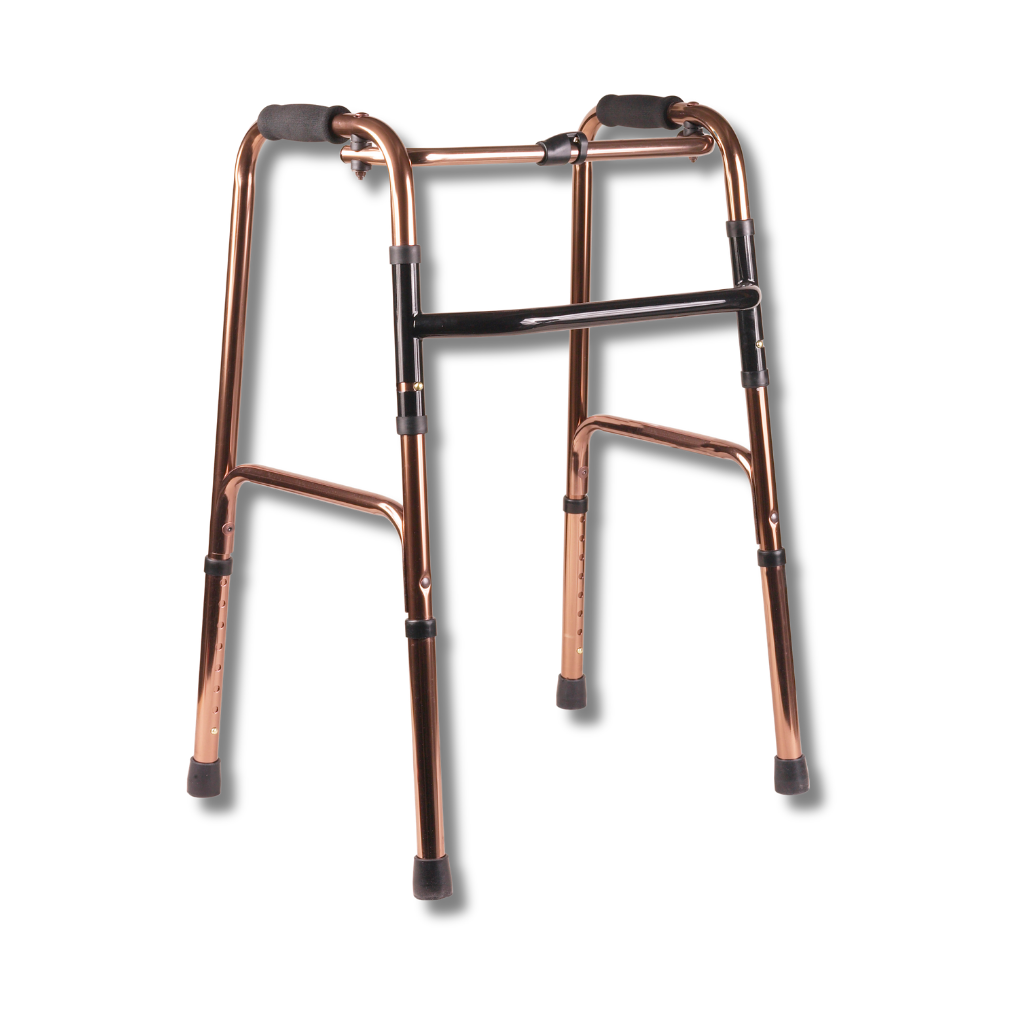
1. Standard Walkers (No Wheels)
These basic aluminum frames feature four rubber-tipped legs. They offer maximum weight-bearing capacity and stability. However, the user must physically lift the frame with every step. They are ideal for post-surgical recovery or severe neurological conditions where full weight support is necessary.
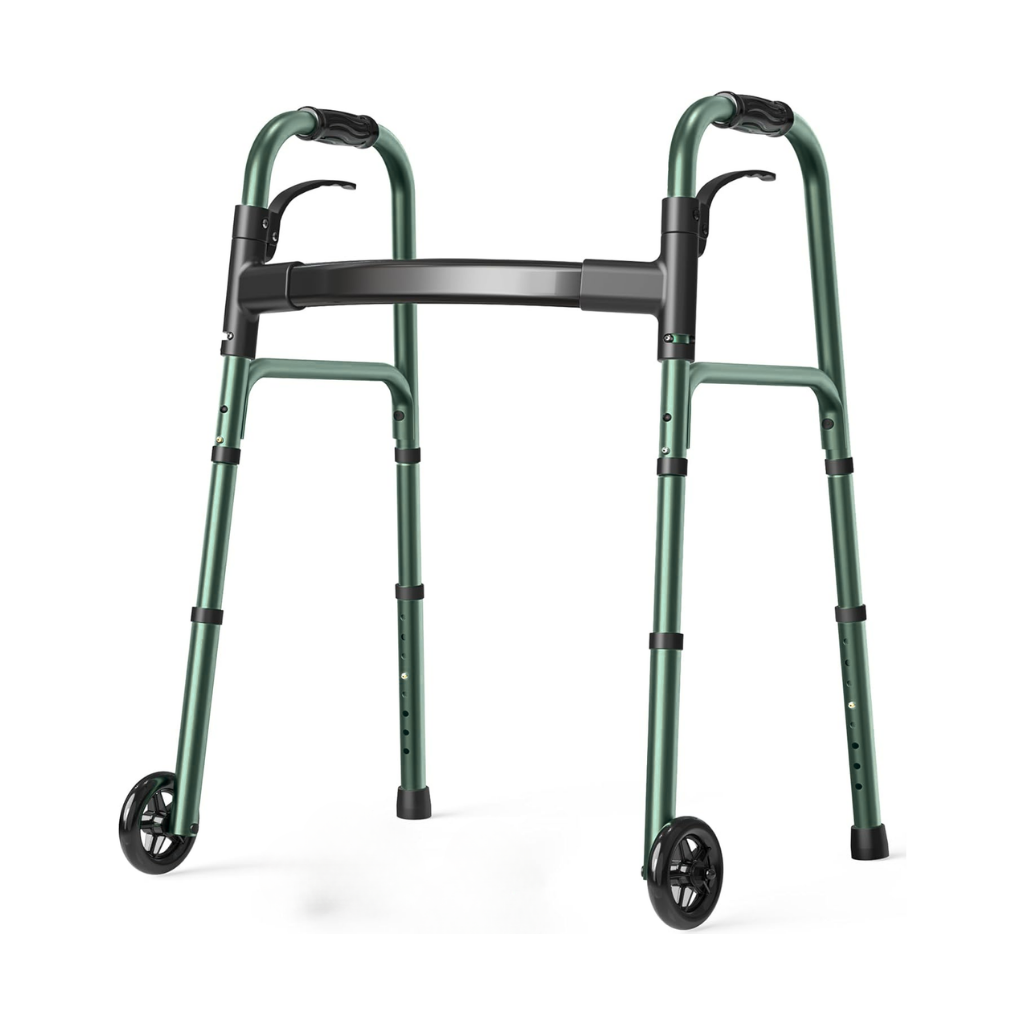
2. Two-Wheel Walkers
These models have two fixed front wheels and rubber tips or skis on the rear legs. They allow a natural forward gliding motion without requiring the user to lift the entire unit. While safer for seniors who forget to operate hand brakes, they do not include a seat or storage basket.
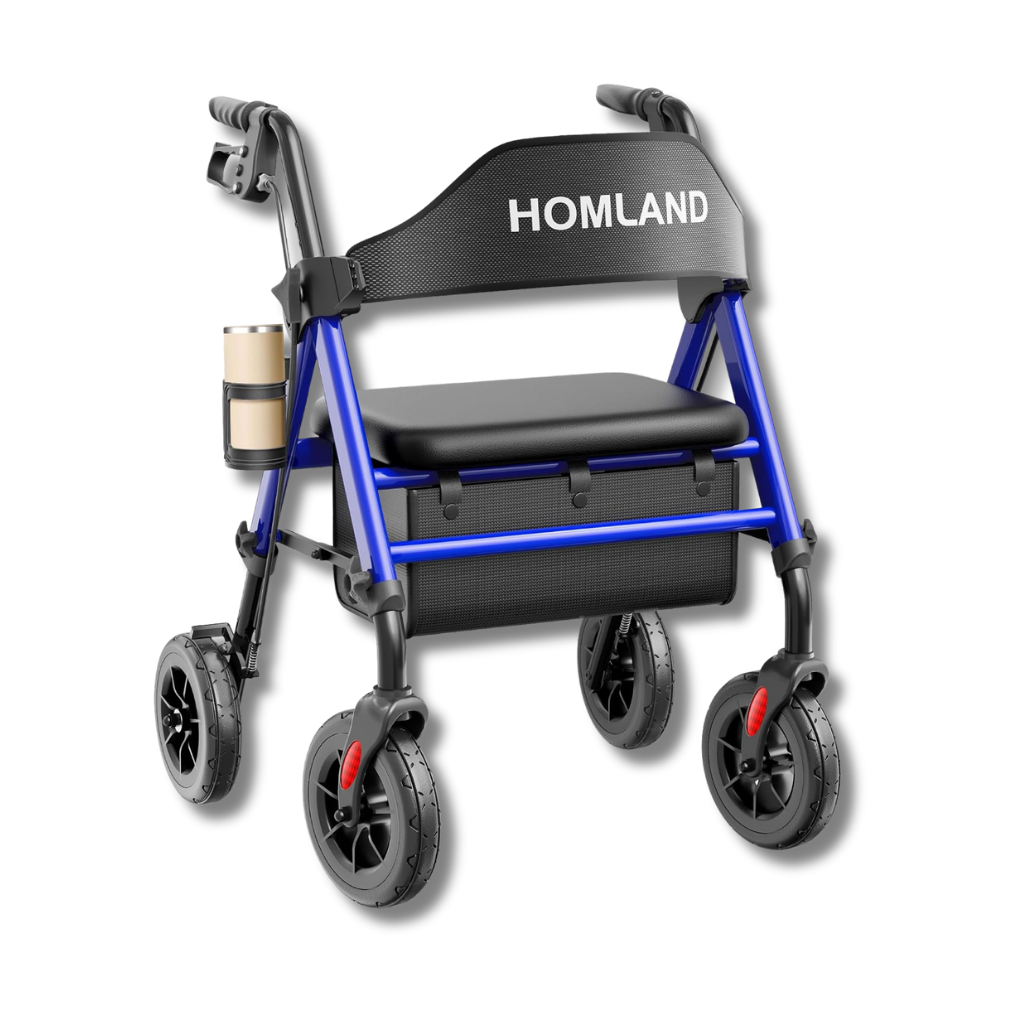
3. Four-Wheel Rollators
Rollators feature wheels on all four legs, hand-operated brakes, a built-in seat, and storage. They roll continuously, requiring good hand strength and cognitive awareness to engage the brakes safely. Rollators are best suited for seniors who tire easily but still maintain functional balance control.
5 Best Walkers for Seniors: Caregiver Reviews
Here are my top 5 researched and tested best walkers for seniors:
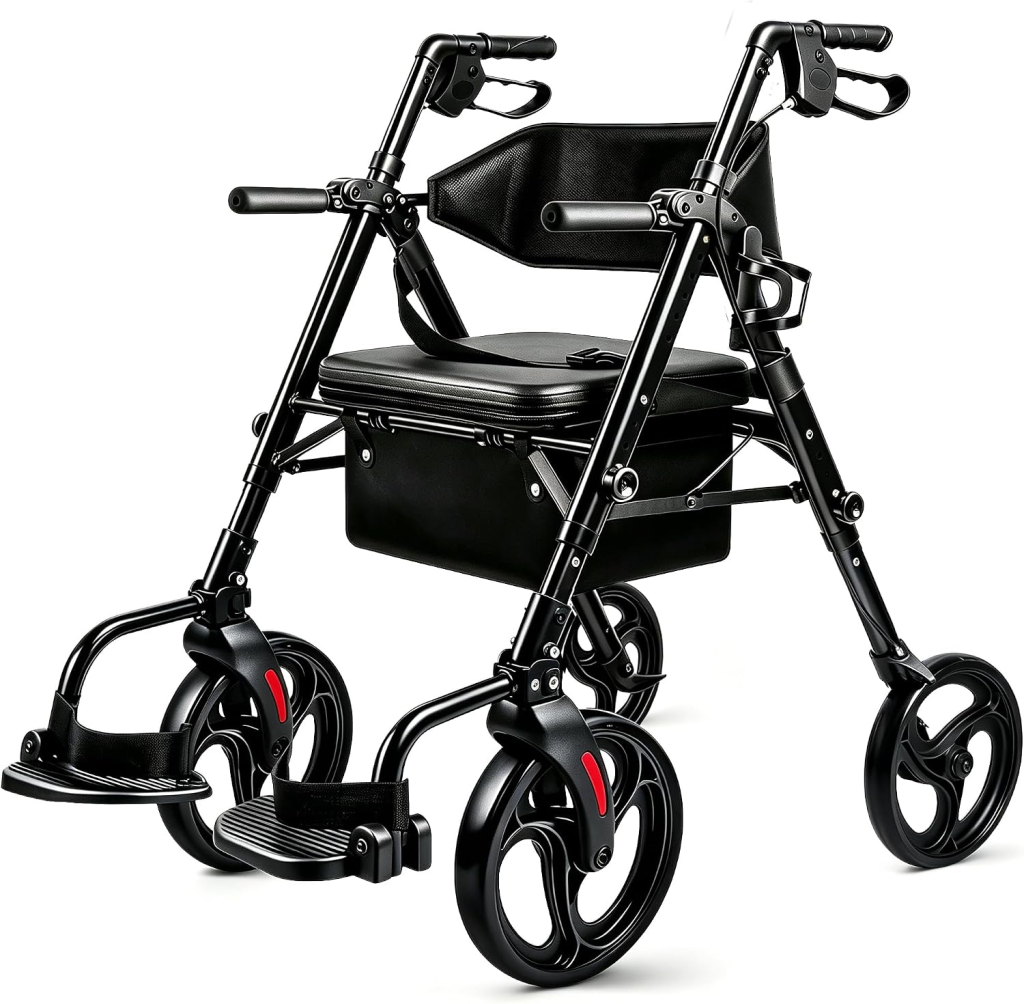
A versatile hybrid mobility solution that seamlessly converts from a standard rolling walker into a temporary transport wheelchair for active seniors who may need a push when tired.
- Eliminates need for both walker & wheelchair
- Handles outdoor terrain smoothly
- Secure braking system
- Heavier than standard rollators
- Takes up more car trunk room
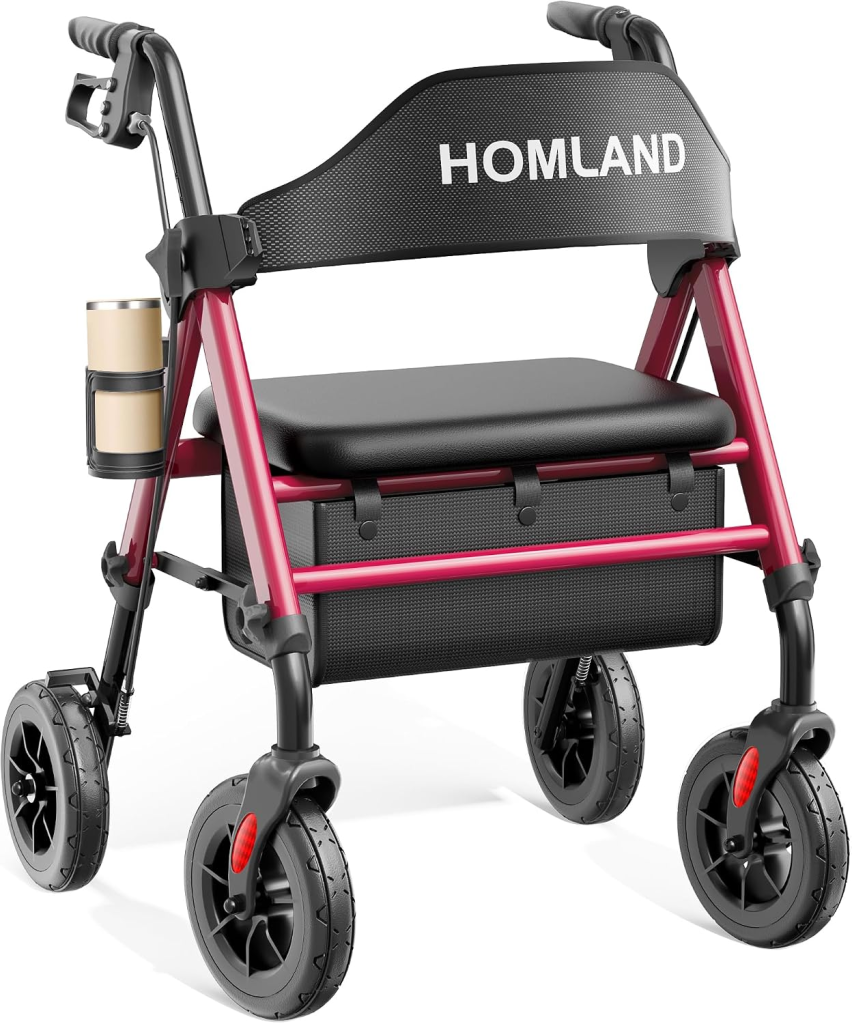
A lightweight, everyday rollator engineered for easy handling without sacrificing structural strength, featuring an enlarged seat and reliable wheels.
- Remarkable weight capacity
- Quick and compact folding
- Convenient included cup holder
- Limited height adjustment range
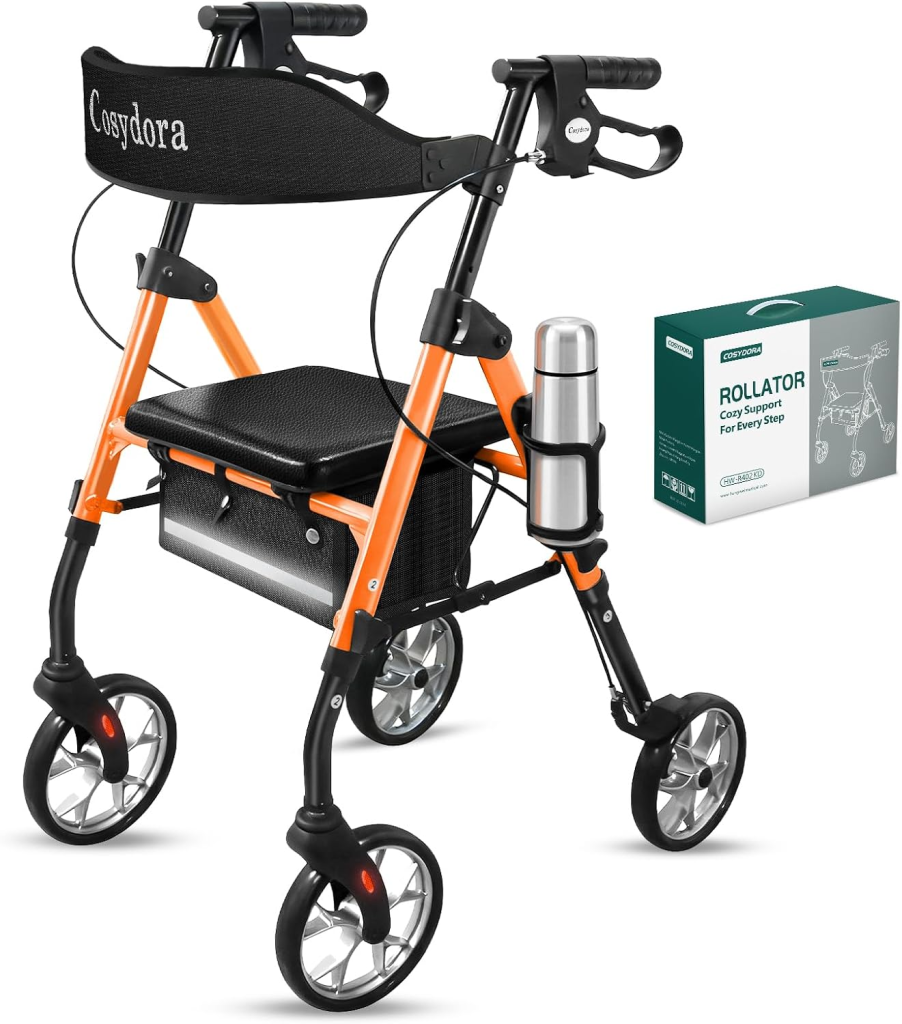
An ultra-lightweight rolling walker designed to minimize strain when lifting into vehicles or navigating steps, featuring vibrant aesthetics.
- Exceptionally light for independent loading
- Dual adjustment for handles and seat
- High weight capacity
- Bright color options not for everyone
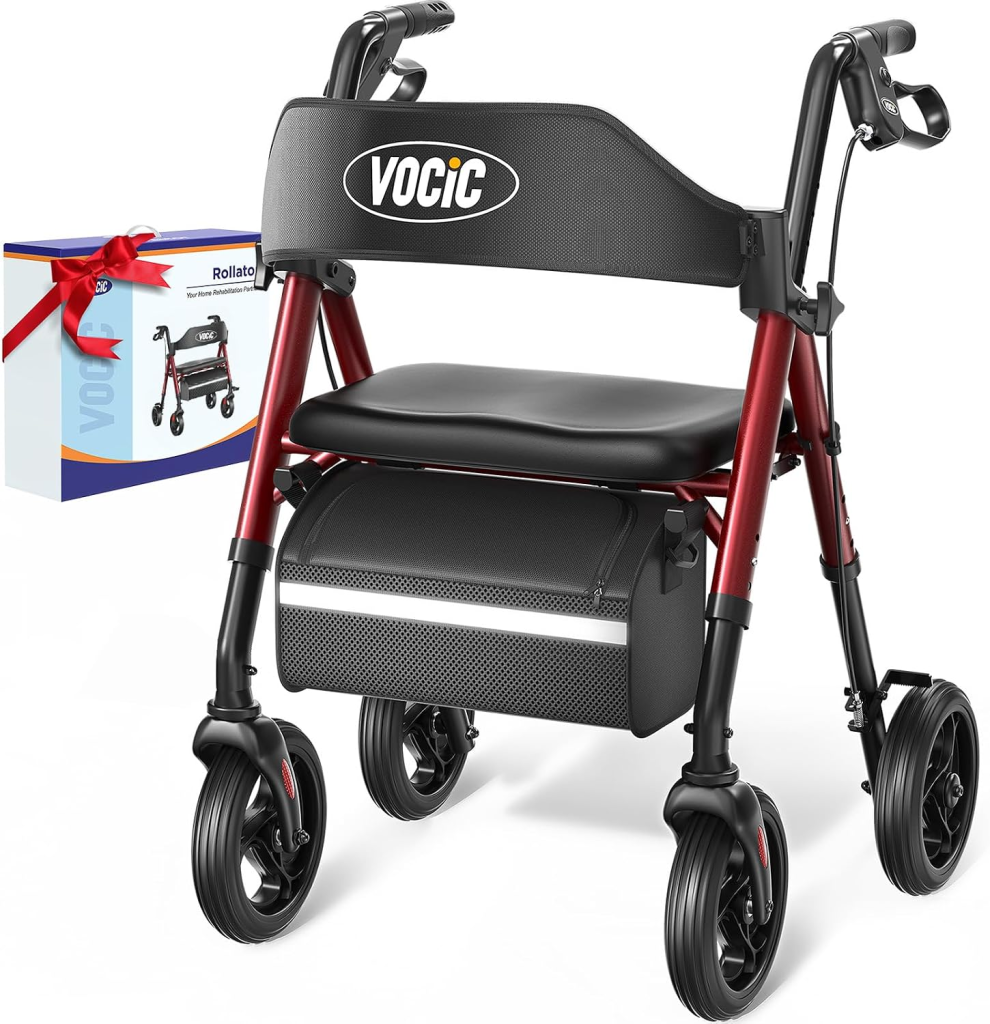
Focused heavily on seating comfort and posture, featuring an ergonomic bionic contour to alleviate hip and lower-back pressure during long rests.
- Unmatched comfort during rest breaks
- High-visibility reflective components
- Smooth-rolling wheels indoors and out
- Slightly heavier profile
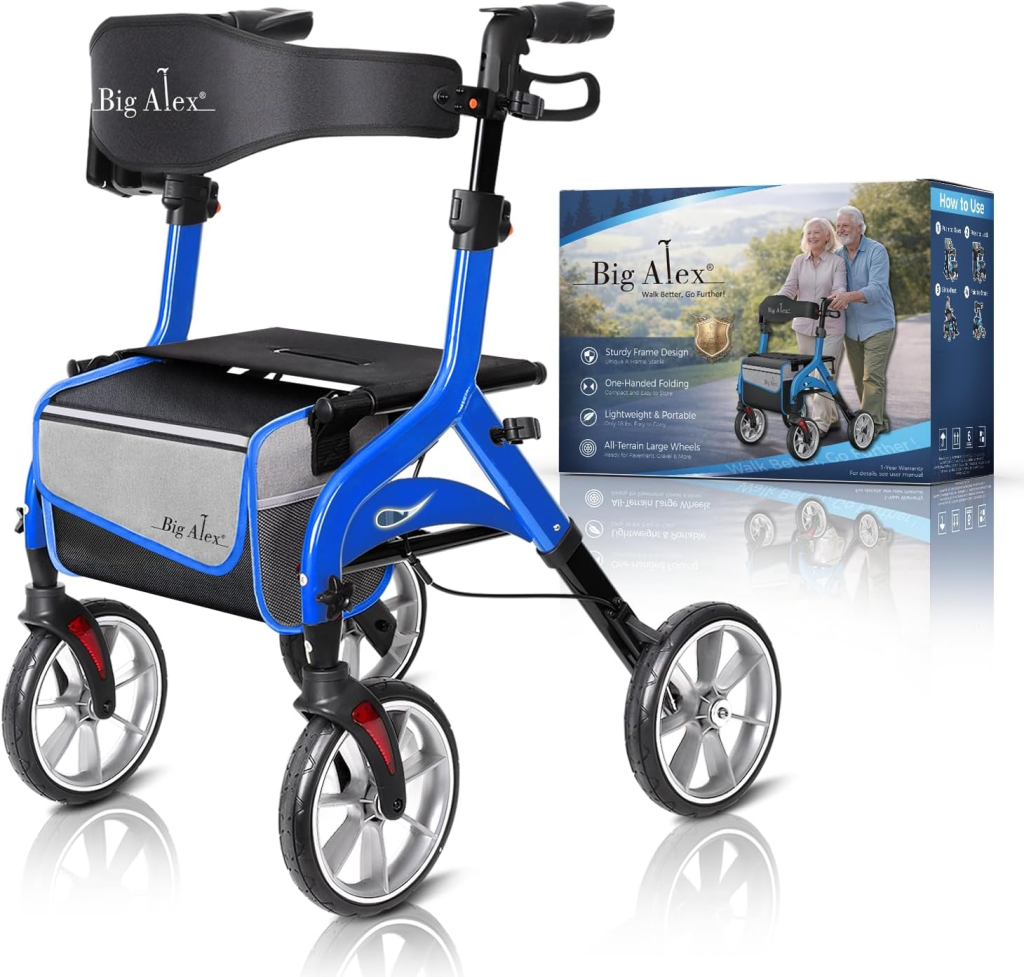
A reliable, sturdy aluminum rolling walker built for stability and everyday convenience, featuring large wheels to roll smoothly over rough patches.
- Rolls easily over gravel and grass
- Convenient built-in cane holder
- Removable backrest for storage
- Larger wheels add minor overall width
How To Measure For a Walker

1. Measure Wrist-to-Floor Height
Have the senior stand upright in their regular walking shoes with arms hanging relaxed at their sides. Measure the distance from the crease of their inner wrist down to the floor. This measurement sets the top grip height of the walker handle.
2. Verify Doorway Clearance
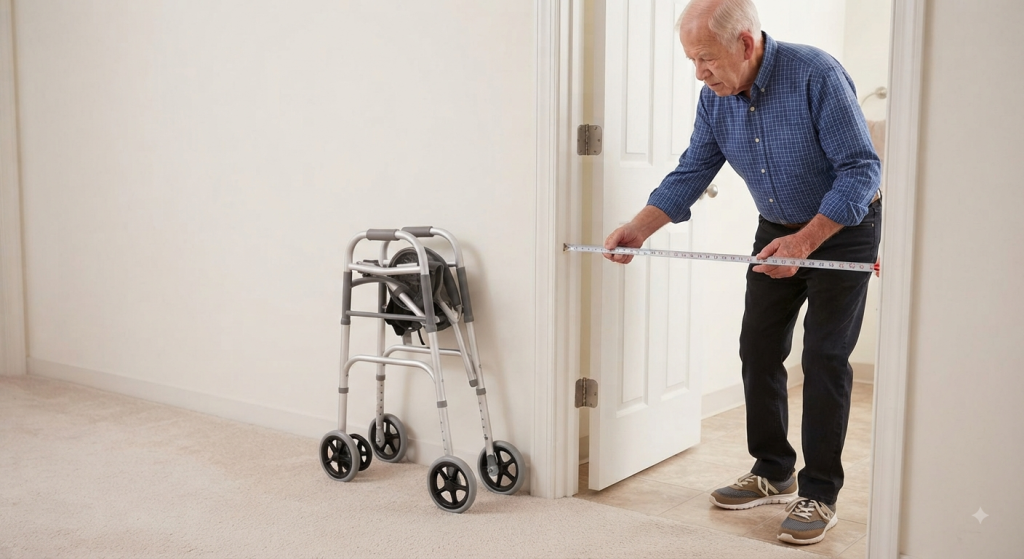
Measure the narrowest door frame in the home (typically bathroom doorways). Ensure the overall width of the selected walker is at least 2 inches narrower than this opening to allow safe clearance for hands.
3. Check User Weight & Height Limits
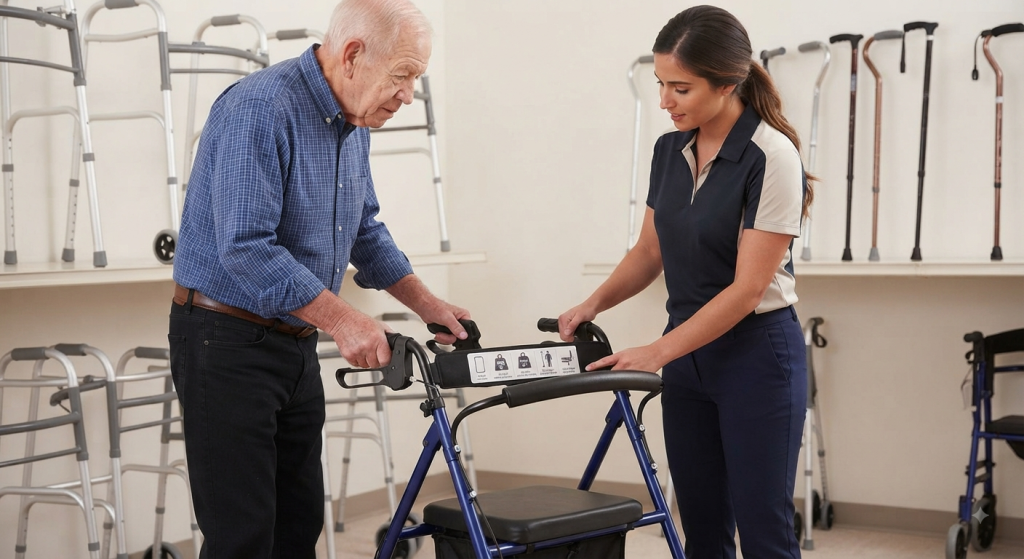
Compare the senior’s weight against the maximum capacity of the walker frame. Verify that handle height adjustment ranges accommodate their standing height.

4. Test Grip Strength & Cognitive Readiness
If considering a rollator with 4 wheels, ensure the senior has sufficient hand grip strength to squeeze loop brakes quickly and understands how to lock them before sitting down.
Essential Walker Accessories for Caregivers
- Glide Skis: Replacing standard rubber rear feet with smooth plastic glide skis allows two-wheel walkers to slide across rugs without catching.
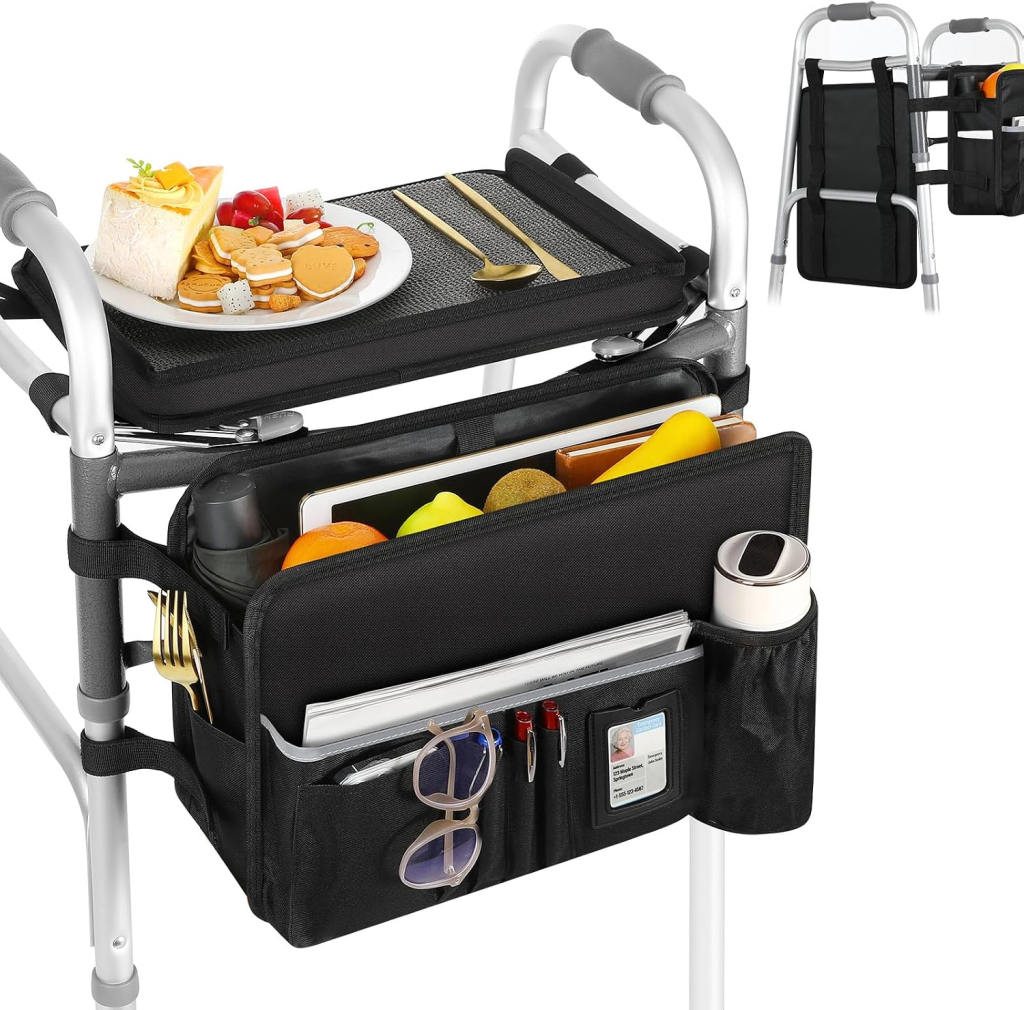
- Tote Bags & Caddy Baskets: Hands must stay on the walker grips at all times. Front bags or trays allow seniors to transport books, glasses, or water bottles safely.
- Cup Holders: Securing a drink attachment directly to the frame keeps water accessible without creating balance hazards.
Final Thoughts & Caregiver Encouragement

Introducing a mobility aid can sometimes bring up complex emotions around independence and aging. It helps to reframe the conversation: a walker isn’t a sign of giving up—it is a practical tool that helps maintain mobility, confidence, and freedom.
Take time to measure your space, assess your parent’s day-to-day environment, and involve them in selecting features like colors or storage bags. With the right mobility support in place, you can both feel more secure and confident every day.
Frequently Asked Questions
Can a senior use a rollator on grass or gravel outdoors?
Standard rollators with small 6-inch wheels can sink or stall on grass and gravel. If your parent spends time outdoors, choose a rollator equipped with 8-inch to 10-inch all-terrain wheels or pneumatic air tires for smoother movement over rough ground.
What is the safest way to sit down on a rollator seat?
Always bring the rollator to a complete stop on flat ground first. Squeeze and push down on both handbrake levers until they lock firmly into place. Back up until the backs of your legs touch the edge of the seat, reach back to hold the armrests or frame, and lower yourself slowly into the seat. Never sit down without locking the brakes.
What should I do if my home’s doorways are too narrow for a rollator?
Standard rollators average 22 to 26 inches in total width. For narrow bathroom doors or tight hallways, look for compact models like the Stander Space Saver (24-inch width) or stick to a standard folding walker, which can be adjusted narrower for short indoor trips.
How do I know if my parent needs a walker instead of a cane?
A cane provides light balance support on one side of the body. If your parent leans heavily to one side, tires quickly, stumbles frequently, or holds onto walls and furniture while moving around the home, a walker provides stable two-handed support.
What is the difference between 3-wheel and 4-wheel rollators?
Three-wheel rollators are lighter, turn sharply in tight spaces, and fold compactly, but they do not feature a built-in seat. Four-wheel rollators offer greater stability, higher weight capacities, and include a padded seat for rest breaks.
Are tennis balls safe to use on the bottom legs of a walker?
While tennis balls are commonly used on two-wheel walkers to slide over floors, they can wear out quickly, gather floor grit, and slip on wet tile surfaces. Purpose-built plastic glide skis or glide caps offer a cleaner, safer, and longer-lasting alternative.