

Growing older does not mean giving up freedom. In fact, many seniors today are more active than ever. They travel, spend time gardening, walk through local parks, visit friends, and continue enjoying the routines that keep them healthy and happy. The challenge is finding a way to stay safe while still maintaining that independence.
That is exactly why an elderly medical alert system has become such an important tool for modern seniors.
Today’s medical alert devices are nothing like the bulky emergency pendants many people remember from years ago. Modern systems are lightweight, discreet, and designed for seniors who still want to live life on their own terms. With features like GPS tracking, automatic fall detection, and mobile emergency support, these devices provide peace of mind without making seniors feel restricted.
For families, that reassurance matters just as much.
Why Active Seniors Need More Than a Traditional Medical Alert Device
Years ago, most medical alert systems were designed for seniors who rarely left home. The devices only worked inside the house, usually within a short distance from a plugin base station. That setup simply does not fit the lifestyle of many older adults today.
Many seniors still spend their mornings gardening, taking long walks, shopping independently, or traveling to visit family and friends. Staying active is incredibly important for physical health and emotional well-being, but it can also create safety concerns.
A fall while working in the garden or sudden dizziness during a walk can quickly turn into an emergency if no one is nearby. An elderly medical alert system with GPS tracking solves that problem by allowing seniors to call for help from almost anywhere. Instead of limiting independence, these systems help protect it.
How an Elderly Medical Alert System Works
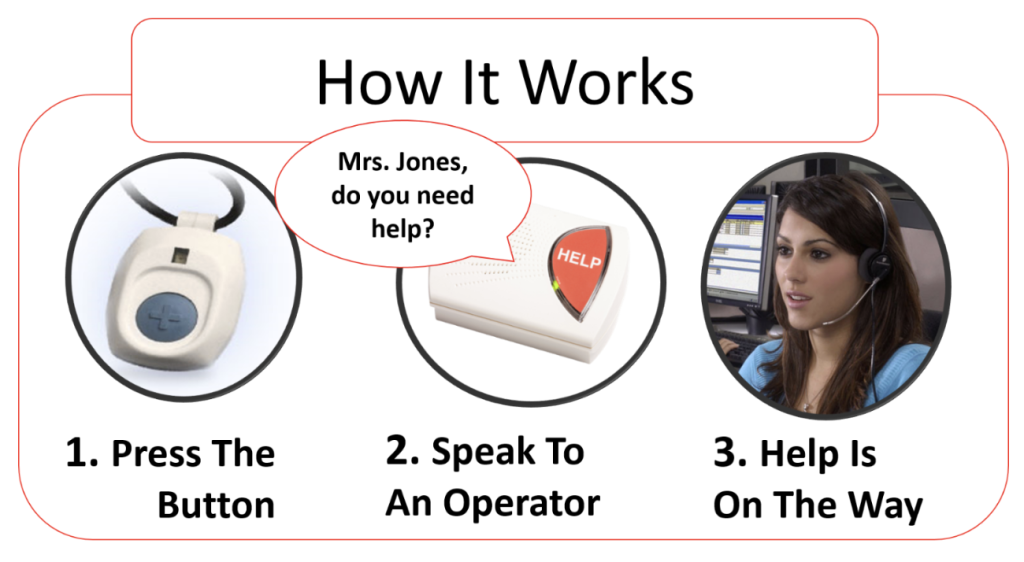
At its core, a medical alert system creates a direct connection between the senior and a dedicated emergency monitoring center. If something goes wrong, help is available with the push of a button.
Most modern mobile systems use cellular service and GPS technology, meaning they work far beyond the home. Many devices include built-in speakers and microphones so the user can speak directly with a trained emergency operator through the device itself.
Some systems even include automatic fall detection. If a hard fall occurs and the user is knocked unconscious or cannot press the emergency button, the device’s internal sensors can automatically contact help on their behalf. For active seniors, that kind of protection can be life-changing.
Choosing the Right System: Top Features to Look For
Choosing the right system depends heavily on your loved one’s daily lifestyle. When comparing your options, keep these key technical factors in mind:
Pricing Structure
Expect a small upfront equipment fee alongside an ongoing monthly monitoring fee (typically $30 to $50 per month) to keep the emergency line active.
Form Factor
Comfort and simplicity are key. Devices that resemble sleek smartwatches or fitness trackers feel less intrusive and are much more likely to be worn consistently.
Battery Life
Look for standalone GPS pendants offering 3 to 5 days of battery life. Keep in mind that smartwatch-style options usually require daily charging.
Waterproof Protection
A non-negotiable feature. Since a high percentage of falls happen in the bathroom or shower, the device must be fully waterproof.
Expect a small upfront equipment fee alongside an ongoing monthly monitoring fee (typically $30 to $50 per month) to keep the emergency line active.
Comfort and simplicity are key. Devices that resemble sleek smartwatches or fitness trackers feel less intrusive and are much more likely to be worn consistently.
Look for standalone GPS pendants offering 3 to 5 days of battery life. Keep in mind that smartwatch-style options usually require daily charging.
A non-negotiable feature. Since a high percentage of falls happen in the bathroom or shower, the device must be fully waterproof.
Proposing an Alert System Without Sparking a Fight
One of the hardest parts of aging is the feeling that independence is slowly slipping away. Family members naturally worry about safety, and seniors often begin hearing frustrating phrases like, “Maybe you should stop walking alone,” or, “You probably shouldn’t travel by yourself anymore.”
If you are a caregiver trying to talk to your parent about getting a medical alert system, position it as an insurance policy for their freedom, not a symbol of fragility.
The Helpful Daughter Tip: Try saying something like: “Mom, I know how much you love working out in the garden, and I want you to keep doing it safely. If you wear this light pendant, I won’t have to worry or constantly check up on you. It’s not about watching your every move—it’s an insurance policy so you can keep doing your thing.”
Common Myths About Medical Alert Systems
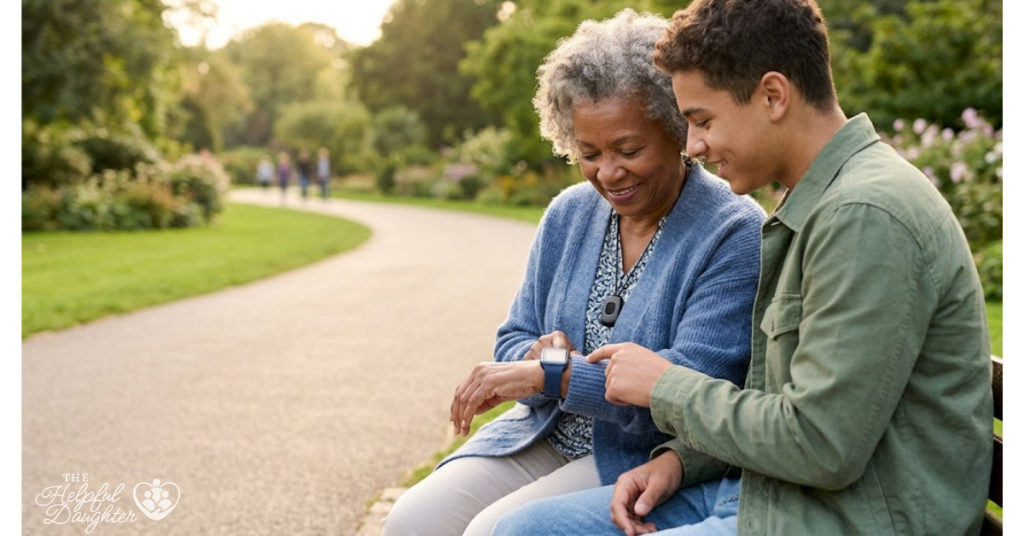
Some seniors actively avoid medical alert devices because they still picture the large, outdated, plastic boxes from decades ago. Modern systems are far more advanced and discreet.
Many devices now look like sleek smartwatches and blend naturally into everyday apparel. Others are so lightweight that users completely forget they are wearing them.
Another common misconception is that a standard cell phone provides enough protection. While cell phones are useful, they are frequently left on a kitchen counter, slip out of pockets during a fall, or require unlocking menus that become impossible to navigate during a high-stress medical event. Medical alert systems are single-button solutions specifically built for fast, reliable emergency access.
Final Thoughts
Growing older should never mean giving up the activities that bring joy and purpose to life. The best elderly medical alert system does far more than provide emergency assistance—it allows seniors to stay active, maintain independence, and continue enjoying everyday moments with confidence.
Whether it is spending hours in the garden, taking a morning walk, or visiting family across the country, modern medical alert systems help seniors stay connected to help without sacrificing freedom. For many families, that balance between safety and independence is priceless.
Ready to find the perfect fit for your family? Check out my hands-on testing and deep-dive comparisons in The Ultimate Guide to Medical Alert Systems for Seniors to see which devices top our recommendation list this year.
Frequently Asked Questions
What is the best elderly medical alert system for active seniors?
The best systems for active seniors usually include GPS tracking, cellular coverage, and fall detection. Lightweight smartwatch-style devices are especially popular because they are comfortable and discreet.
Do medical alert systems work outside the home?
Yes. Mobile medical alert systems use cellular networks and GPS technology, allowing them to work almost anywhere with signal coverage.
Is fall detection really necessary?
Fall detection can be extremely valuable because it allows the device to automatically call for help if the user cannot press the emergency button themselves.
Can family members track the device location?
Many systems offer caregiver apps that allow approved family members to view location updates and receive emergency notifications.
Are modern medical alert systems waterproof?
Many are waterproof or water-resistant, which is important because falls frequently happen in bathrooms or outdoor environments.
How much does an elderly medical alert system cost?
Pricing varies depending on features and monitoring plans. Basic systems are usually more affordable, while GPS-enabled devices with fall detection may cost more monthly.
Do seniors actually wear them regularly?
Modern smartwatch-style systems are much more comfortable and discreet than older devices, which makes seniors more likely to wear them consistently.