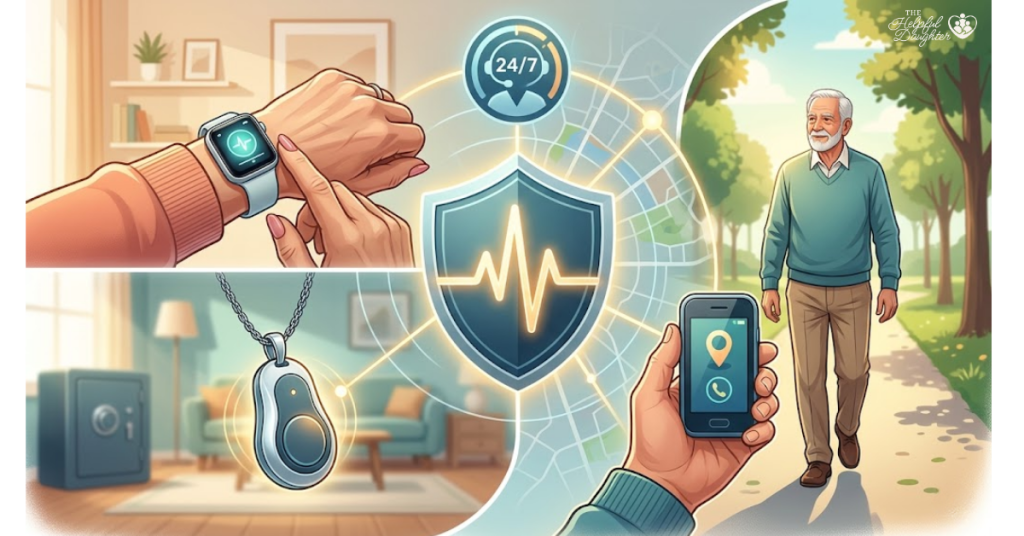
Finding the best medical alert systems for seniors is all about balance—embracing the freedom of independence while ensuring there is a reliable safety net when it matters most. For many older adults and their loved ones, these devices provide that crucial peace of mind.
Today’s market has evolved far beyond the old-school “I’ve fallen, and I can’t get up” buttons. Whether you are a dedicated homebody, an avid traveller, or a tech-savvy individual looking for a sleek, multi-functional gadget, there is a medical alert system tailored perfectly to your lifestyle.
The Three Core Medical Alert Systems for Seniors
Navigating the world of medical alert systems for seniors starts with understanding the three main categories available today.
Traditional In-Home Systems
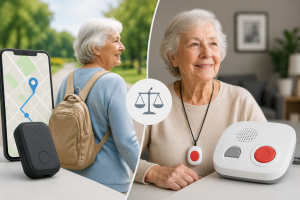
Best for HomebodiesA central base station plugs into a wall outlet and connects via landline or cellular networks. The user wears a lightweight, waterproof help button as a necklace pendant or wristband.
Mobile GPS Systems
Best for On-the-Go AdventurersSelf-contained, pocket-sized cellular devices equipped with global positioning system (GPS) technology designed to travel with you anywhere you go.
Medical Alert Smartwatches
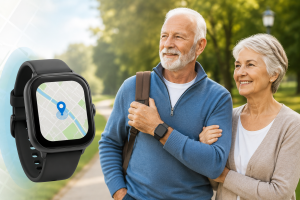
Best for Tech-Savvy & Discreet UsersA fully functioning smartwatch that features a hidden or integrated emergency SOS button alongside everyday digital lifestyle features.
Comparing the Systems at a Glance
| Feature | Traditional In-Home | Mobile GPS Tracker | Medical Alert Smartwatch |
|---|---|---|---|
| Primary Location | Within the home & yard | Anywhere nationwide | Anywhere nationwide |
| Wearable Style | Simple pendant or wristband | Pocket unit or heavy pendant | High-end wristwatch |
| Battery Life | 3–5 years (no charging needed) | 1–5 days (requires recharging) | 24–48 hours (daily charging) |
| Communication | Two-way through base station | Two-way through wearable | Two-way through watch face |
| Health Tracking | None | None | Pedometer, heart rate, etc. |
| Fall Detection | Available as an add-on | Available as an add-on | Often built-in or add-on |
4 Crucial Features to Consider Before Buying
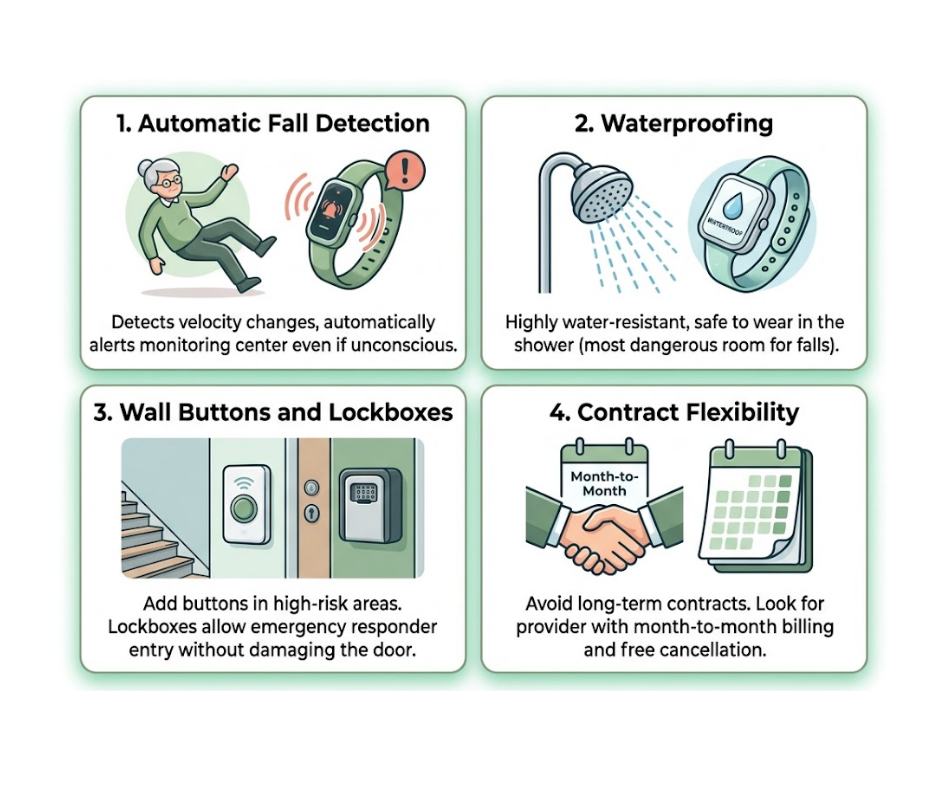
Beyond choosing a style, look closely at these vital add-ons and contract details:
- Automatic Fall Detection: This is arguably the most important modern safety feature. Using miniature sensors called accelerometers, the device can detect the rapid change in velocity associated with a hard fall. If you fall and are unconscious or unable to press the button, the device automatically alerts the monitoring center.
- Waterproofing: The bathroom is statistically the most dangerous room in the house for falls. Ensure your wearable button or smartwatch is highly water-resistant or waterproof so it can be safely worn in the shower.
- Wall Buttons and Lockboxes: Consider adding wireless wall buttons in high-risk areas (like the bottom of the stairs). A lockbox placed on your front door allows emergency responders to enter your home using a key code provided by the monitoring center, saving your door from being kicked in during a crisis.
- Contract Flexibility: Avoid companies that lock you into long-term, multi-year contracts. Look for providers that offer month-to-month billing and free cancellation policies.
Final Thoughts: Investing in Your Freedom

Choosing a medical alert system for seniors isn’t an admission of weakness; it is a proactive strategy to maintain your hard-earned independence. By putting a safety net in place, you remove the anxiety of “what if” scenarios for both yourself and your family.
Whether you choose the reliable simplicity of a home base station, the freedom of a GPS tracker, or the sleek innovation of a smartwatch, you are choosing to live life confidently on your own terms.
Frequently Asked Questions
Q: Are medical alert systems covered by insurance, Medicare, or Medicaid?
A: Standard Medicare (Parts A and B) rarely covers these systems as they are not deemed “durable medical equipment.” However, many Medicare Advantage (Part C) plans, long-term care insurance policies, and state-level Medicaid waiver programs do offer full or partial coverage. It is always best to call your specific provider to check.
Q: What happens if I accidentally press the alert button?
A: Do not panic! Accidental presses happen all the time. When the operator comes over the speaker, simply tell them you are okay and that it was a false alarm. They will politely close the call. They prefer you test the system regularly anyway!
Q: Do I need a smartphone or a personal cell phone plan to use a mobile GPS system?
A: No. Mobile GPS trackers and medical alert smartwatches have their own built-in cellular SIM cards. The cellular service is completely managed by the medical alert company and is included in your monthly subscription fee.
Q: Can I use a medical alert system if I live in a remote or rural area?
A: Yes, provided there is cellular coverage. When purchasing, ask the provider which cellular network they use (usually AT&T or Verizon) and confirm that network has strong signal strength in your specific zip code. If you have no cell service at all, a traditional landline system is your best option.