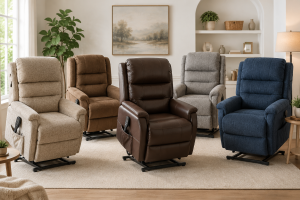
Recovering from surgery can be one of the most challenging periods in a senior’s life. While the procedure itself may be successful, the weeks that follow often involve pain, limited mobility, fatigue, and difficulty performing basic daily activities. Simple actions such as standing up from a chair, sitting down, or finding a comfortable resting position can suddenly become difficult and even dangerous.
This is where a power lift chair becomes an invaluable recovery aid. Designed to provide gentle lifting assistance and customized comfort, lift chairs help seniors maintain independence while reducing physical strain on healing muscles and joints. Whether recovering from hip replacement surgery, knee surgery, back procedures, or heart surgery, the right lift chair can significantly improve comfort, safety, and overall recovery outcomes.
In this guide, you’ll learn the best lift chairs after surgery, which features matter most, and how to choose the best lift chair for your specific recovery needs.
Why Proper Seating Matters After Surgery

The body requires adequate rest and support to heal effectively. Unfortunately, traditional sofas and standard recliners often fail to provide the positioning and assistance needed during post-surgical recovery.
After surgery, patients frequently experience muscle weakness, stiffness, swelling, and reduced mobility. Without proper seating support, they may struggle to move safely and comfortably throughout the day.
Common challenges caused by inadequate seating include:
- Increased risk of falls and accidents
- Excessive strain on healing joints and muscles
- Poor posture that contributes to pain and discomfort
- Difficulty resting in positions that support recovery
- Greater dependence on caregivers for routine movements
A power lift chair addresses these issues by helping users transition smoothly from sitting to standing while providing adjustable positioning that promotes healing and comfort.
How Lift Chairs Support Recovery and Independence
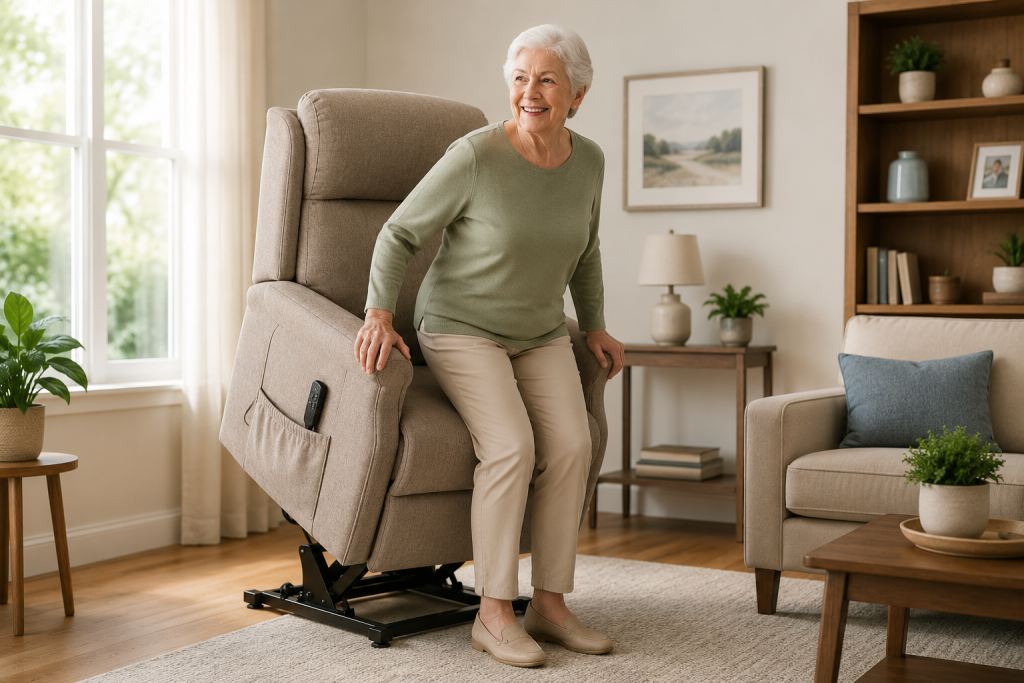
Many people view lift chairs as luxury furniture, but during surgical recovery, they serve an important medical and functional purpose.
Reduced Pressure on Healing Joints
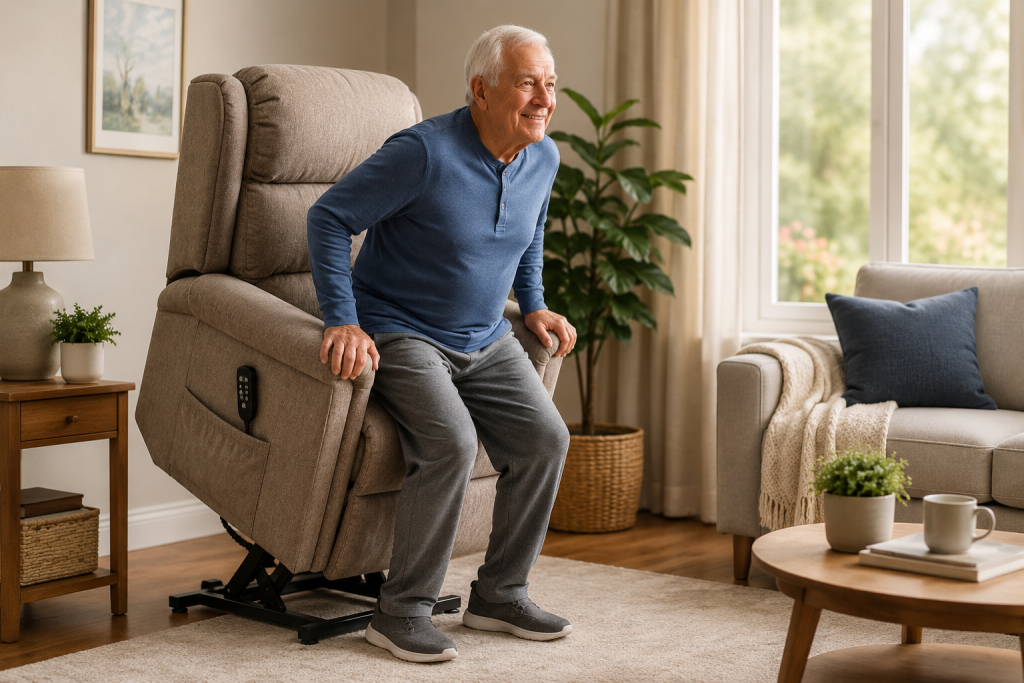
Following surgery, joints and surrounding tissues are often inflamed and sensitive. Movements that require pushing, twisting, or bending can create unnecessary stress on healing areas. A lift chair minimizes the physical effort needed to stand up or sit down, helping protect vulnerable joints such as the knees, hips, and lower back.
Safer Standing and Sitting
One of the greatest risks after surgery is falling. Even a minor fall can delay recovery or cause serious complications. Power lift mechanisms gently tilt and elevate the chair forward, allowing users to stand with minimal effort. This added support significantly improves safety and confidence.
Better Positioning for Healing
Proper body positioning plays a major role in recovery. Adjustable recline settings help improve circulation, reduce swelling, and relieve pressure points. Many seniors find they can rest more comfortably for extended periods, leading to improved sleep quality and faster healing.
Greater Independence
Recovering patients often feel frustrated when they must rely on others for simple tasks. Lift chairs restore a sense of control by making daily movements easier and more manageable.
Crucial Feature Guide: Single vs. Dual Motor Chairs
To understand what you are paying for, it helps to understand the engineering under the hood. Lift chairs are generally divided into two main mechanical categories.
Zero-Gravity Recline
Available almost exclusively on premium dual-motor or multi-motor chairs, the Zero-Gravity position elevates the legs slightly above the level of the heart while keeping the torso perfectly supported. This angle distributes body weight evenly across the chair, reducing spinal compression and promoting optimal lymphatic drainage to clear post-operative fluid build-up.
Heat and Massage Functions
Many premium lift chairs include therapeutic heat and massage features. These options may help relax tense muscles, soothe stiff lower backs, and keep circulation moving safely during extended periods of sitting.
Easy-to-Clean Upholstery
Recovery often involves medications, beverages, snacks, and extended periods of sitting. Heavy-duty, fluid-resistant fabrics or performance faux-leathers make cleanup simple while helping maintain a perfectly hygienic recovery environment.
Surgeries That Benefit Most (And Which Chair to Choose)
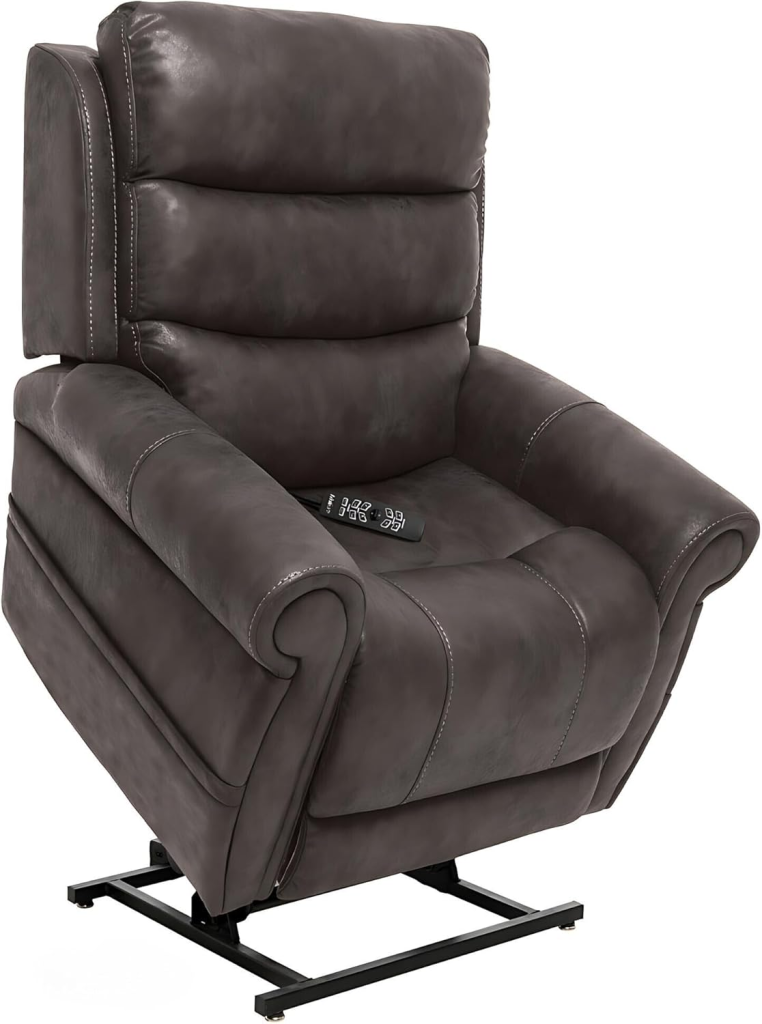
Surgeries That Benefit Most (And Which Chair to Choose)
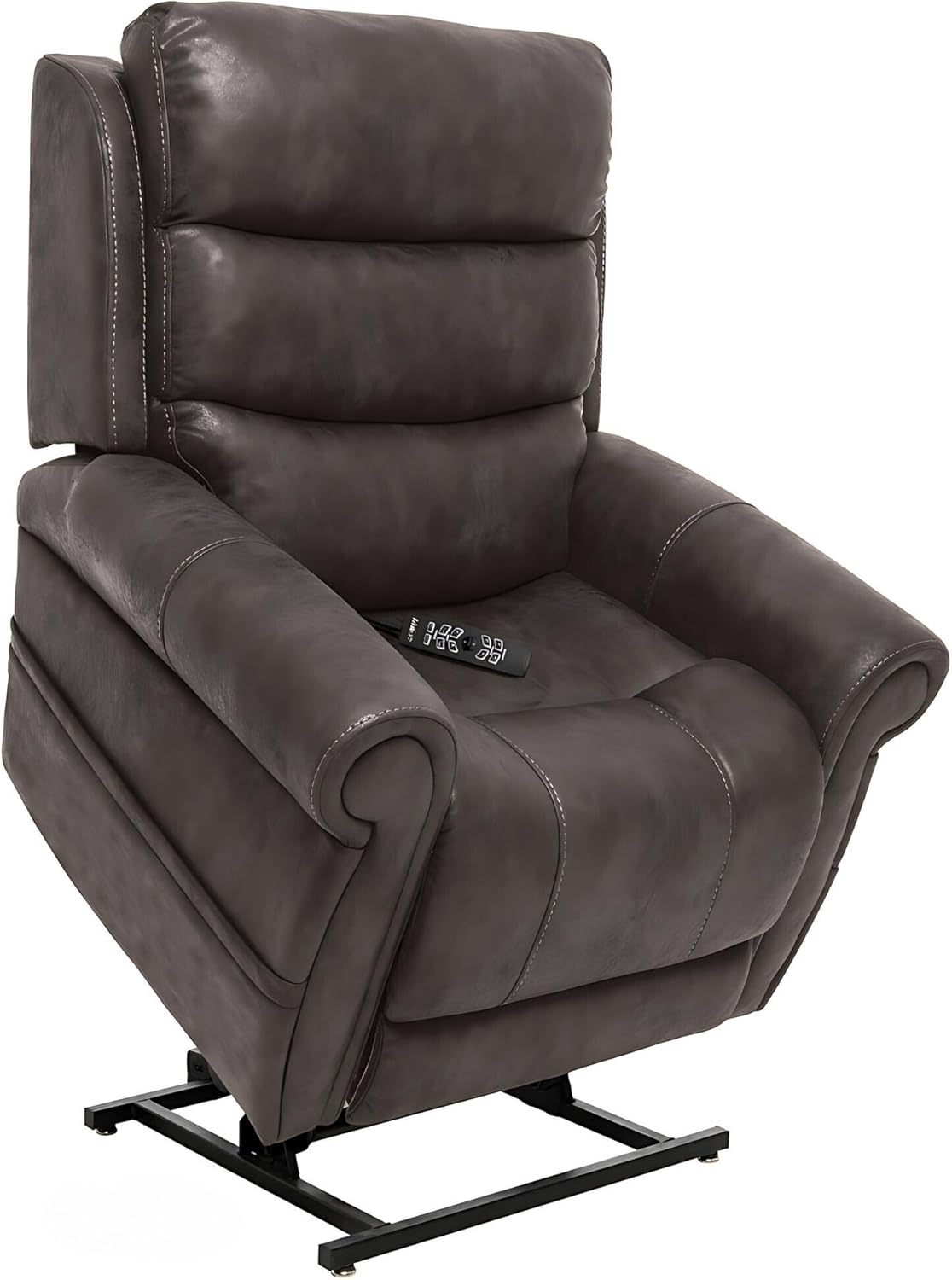
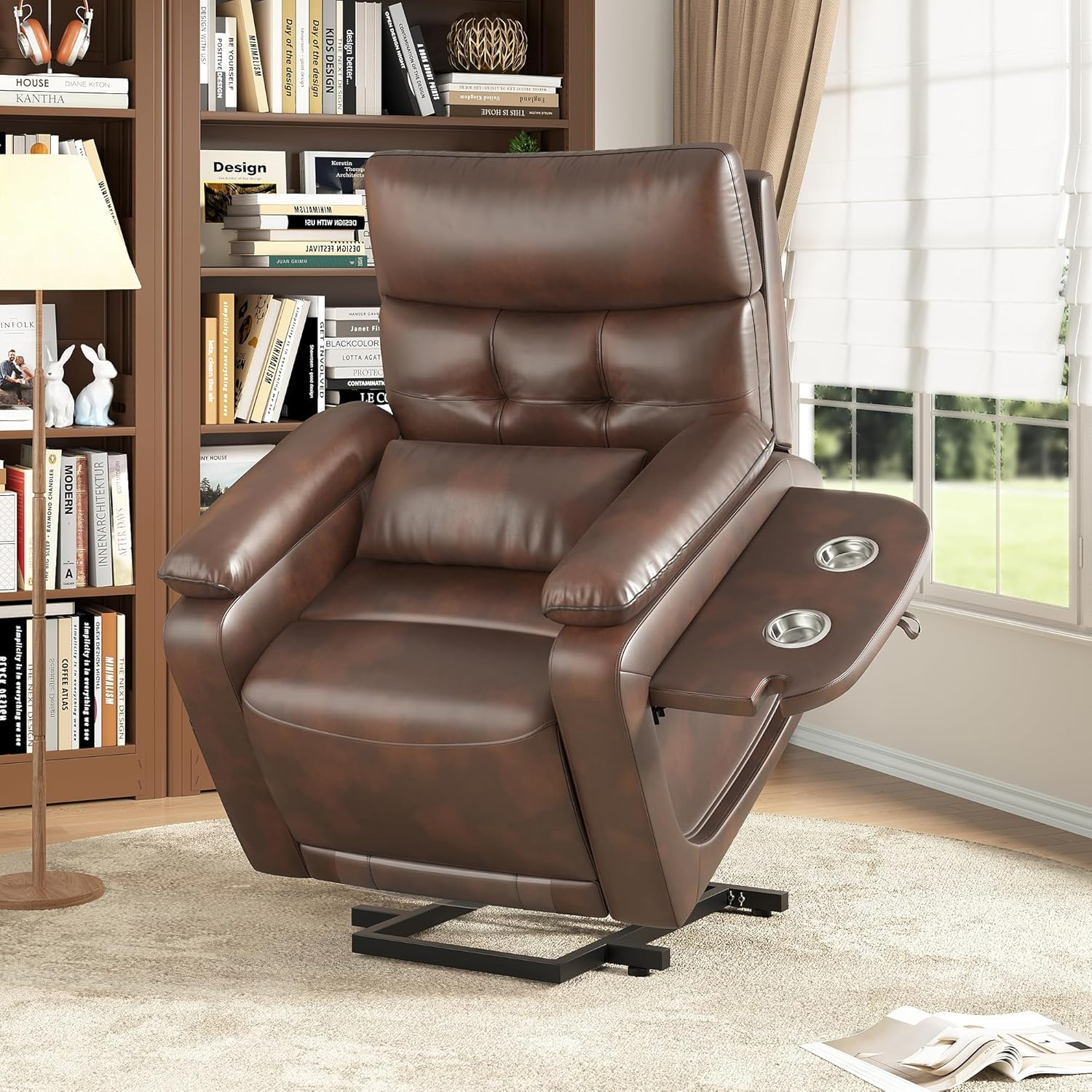
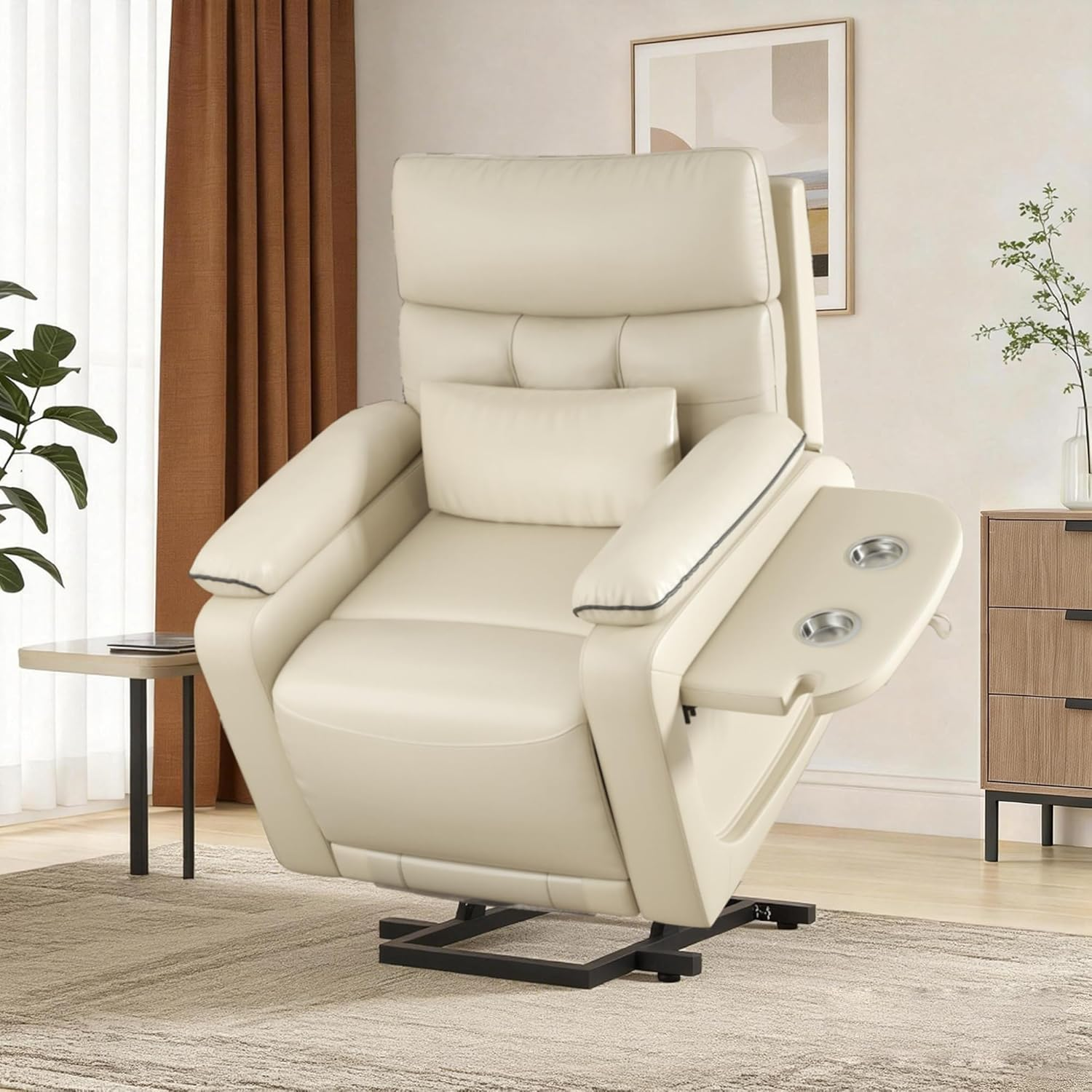
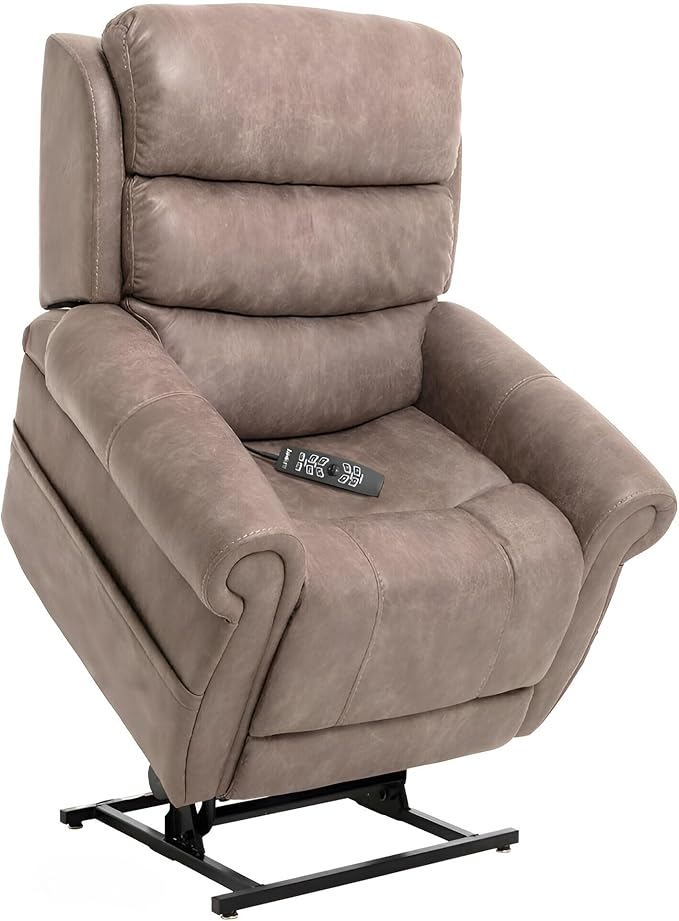
Common Mistake: Choosing the Wrong Chair Size
Purchasing a lift chair solely based on style or color is a recipe for post-operative discomfort. If a chair is too deep, the user’s spine won’t touch the backrest, causing slouching. If it is too wide, they will lean sideways, throwing off surgical alignment.
How to Measure a Senior for a Lift Chair
Grab a soft measuring tape and measure the individual while they are seated comfortably in a standard chair:
- ✔ Seat-to-Floor Height: Measure from the back of the heel up to the underside of the knee crease. Their feet must rest flat on the floor when sitting.
- ✔ Seat Depth: Measure from the outermost point of the lower back straight forward to the back of the knee crease.
- ✔ Seat Width: Measure the widest part of the hips or thighs while seated, then add 2 inches for a comfortable wiggle-room buffer.
Creating the Ideal Recovery Environment
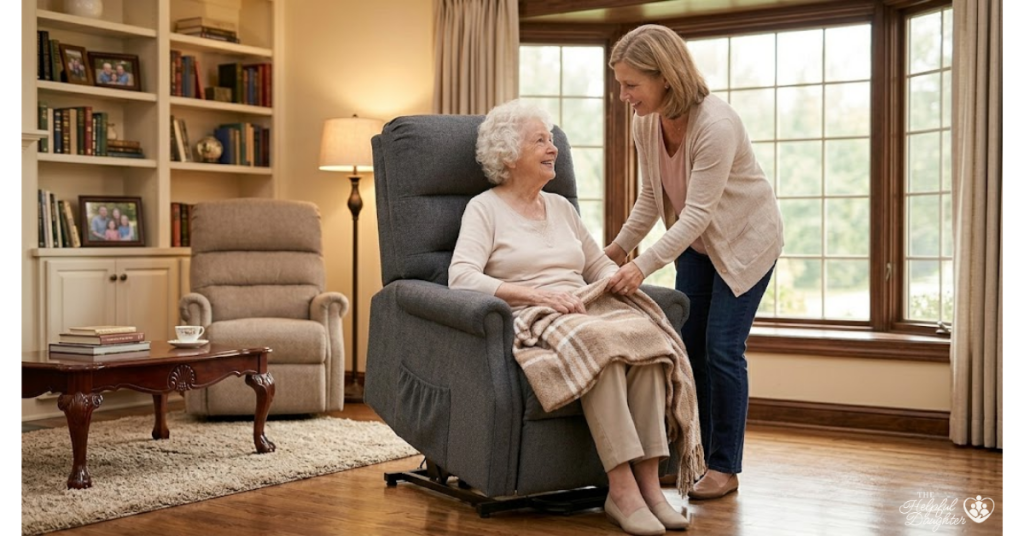
A lift chair works best when combined with a well-organized recovery space.
- Improve Room Lighting: Proper lighting reduces the risk of trips and falls, especially during nighttime bathroom visits.
- Keep Essentials Within Reach: Position a nearby side table to hold water, medications, smartphones, books, remote controls, and emergency contact information.
- Secure the Power Cables: Lift chairs require proximity to a wall outlet. Ensure the power cords are tucked neatly behind the furniture frame so they do not present a dangerous tripping hazard for a senior walking with a cane or walker.
Final Thoughts
The best lift chairs after surgery provide much more than comfort. They support safer movement, reduce strain on healing joints, encourage proper positioning, and help seniors maintain their independence throughout recovery.
Whether recovering from hip replacement, knee surgery, back surgery, or heart surgery, a quality power lift chair can make everyday life significantly easier. For caregivers and family members, it also reduces the physical demands of assisting a loved one while creating a safer recovery environment.
Investing in the right lift chair is often one of the most effective ways to promote comfort, confidence, and a smoother path toward recovery.
Frequently Asked Questions
Can you sleep in a lift chair after surgery?
Yes. Many patients sleep in lift chairs during the first few weeks of recovery, especially after hip, back, abdominal, or heart surgery. Infinite-position chairs provide the best sleeping comfort.
Are lift chairs covered by Medicare or insurance?
In some situations, Medicare and private insurance providers may partially cover the lift mechanism if a physician determines it is medically necessary. Coverage varies by plan.
What is the best lift chair position for recovery?
A semi-reclined or zero-gravity position is often ideal because it reduces pressure on joints, supports circulation, and minimizes swelling.
How often should a lift chair be used after surgery?
Most patients use their lift chair multiple times daily for sitting, resting, watching television, and sometimes sleeping during the early stages of recovery.
What size lift chair should a senior choose?
The chair should match the user’s height and weight. Proper sizing ensures safe standing assistance and optimal posture support.
Do lift chairs reduce caregiver workload?
Absolutely. Lift chairs minimize the physical effort required to assist with sitting and standing, helping caregivers avoid strain and reducing the risk of injury.