
Walking into your parents’ kitchen can sometimes feel like holding your breath. You notice heavy glass measuring cups sitting precariously on the edge of the counter, the faint smell of gas lingering because a burner wasn’t clicked completely off, or the way your mom’s hands tremble when she tries to twist open a stubborn jar of pasta sauce.
Cooking is about much more than just putting food on the table—it represents independence, routine, and a lifetime of cherished daily habits. When safety concerns start creeping in, the natural instinct is to step in and take over. But stripping away those kitchen tasks can also strip away a person’s sense of purpose and autonomy.
That is where senior friendly kitchen gadgets come in. The right tools bridge the gap between safety risks and complete independence. In this guide, we will look at practical, thoughtfully designed adaptive tools that reduce everyday hazards, ease arthritis pain, and give both you and your aging parents peace of mind.
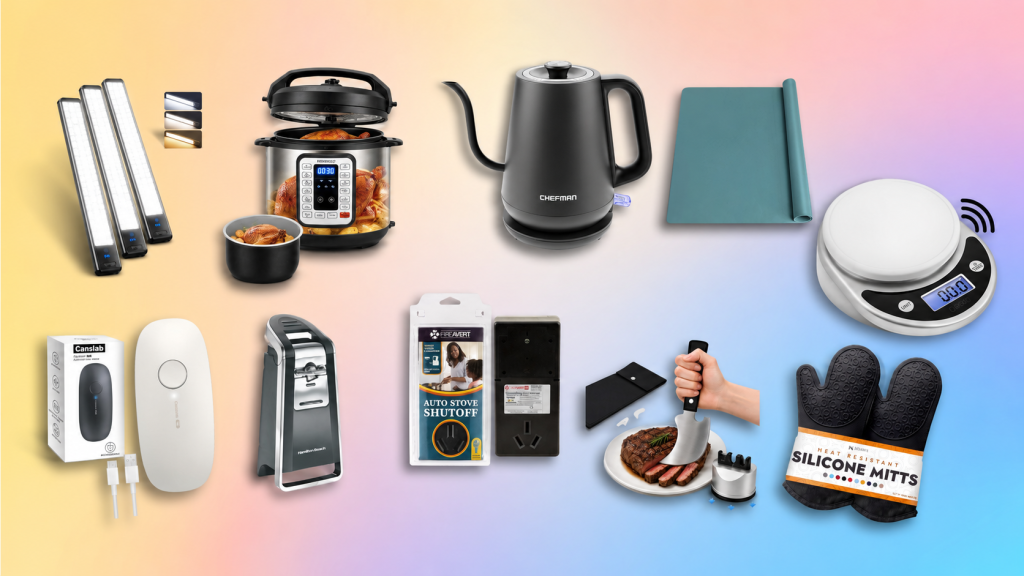
Comparison Table: Quick View
Understanding Kitchen Safety and Independent Living Challenges
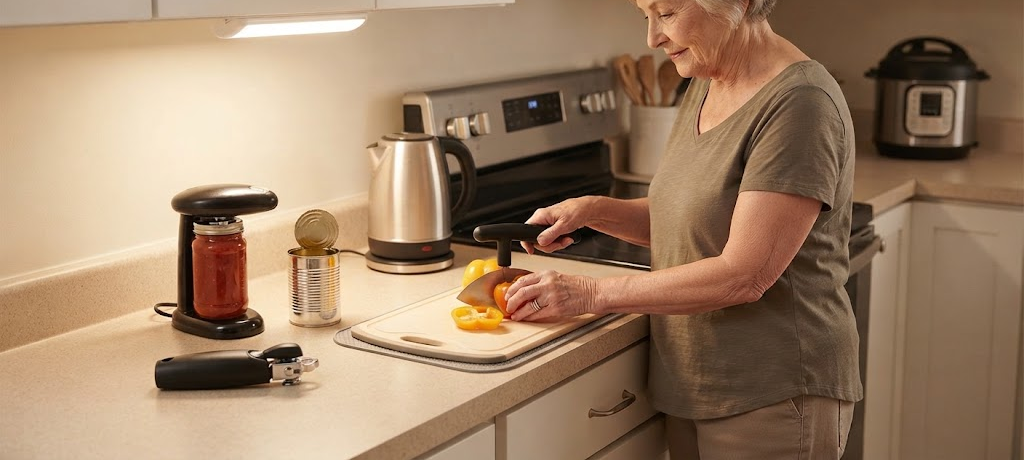
Kitchens are statistically the most hazardous room in the home for older adults. Between slippery tile floors, boiling liquids, sharp knives, and hot stove burners, risks add up quickly. However, safety hazards rarely stem from carelessness; they usually arise from physical changes that happen naturally over time.
Reduced grip strength, fading eyesight, slower reaction times, and chronic joint pain from arthritis turn routine chores into high-stakes activities. For instance, lifting a standard five-quart pot filled with boiling water and pasta requires physical strength that can easily trigger a strain or a slip. Similarly, reading fine print on a microwave keypad or a conventional oven dial becomes difficult when contrast fades.
Top 10 Senior-Friendly Kitchen Gadgets
Let’s dive into the best tools available to protect independence while keeping the kitchen safe and functional.
1. Automatic Electric Jar Opener
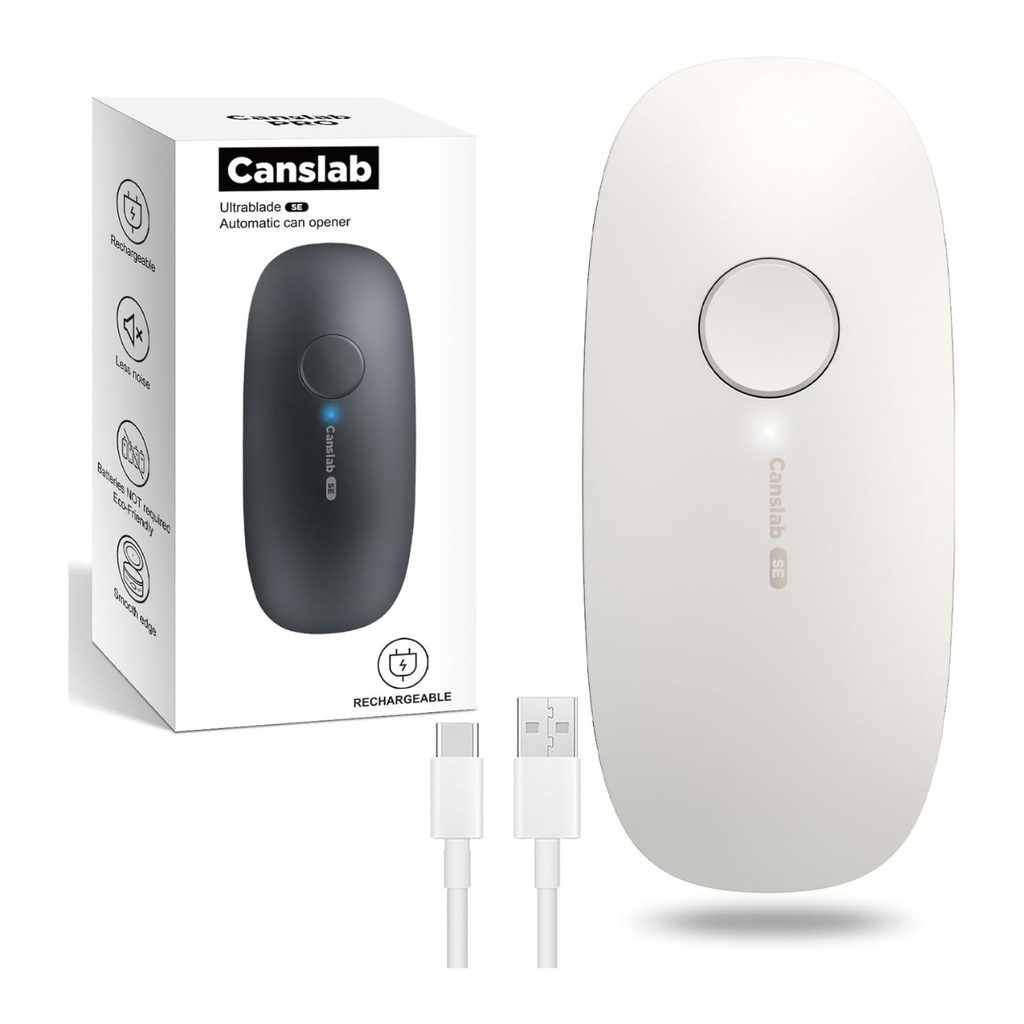
Best for: Seniors with hand osteoarthritis, carpal tunnel, or generalized weakness.
Avoid if: Opening extra-wide canning jars or tiny bottle caps outside clamp range.
Key Features: One-touch operation, automatic size adjustment, battery torque motor.
Value for Money: High (Eliminates daily frustration).
Ease of Use: Excellent
2. Electric Side-Cut Safety Can Opener
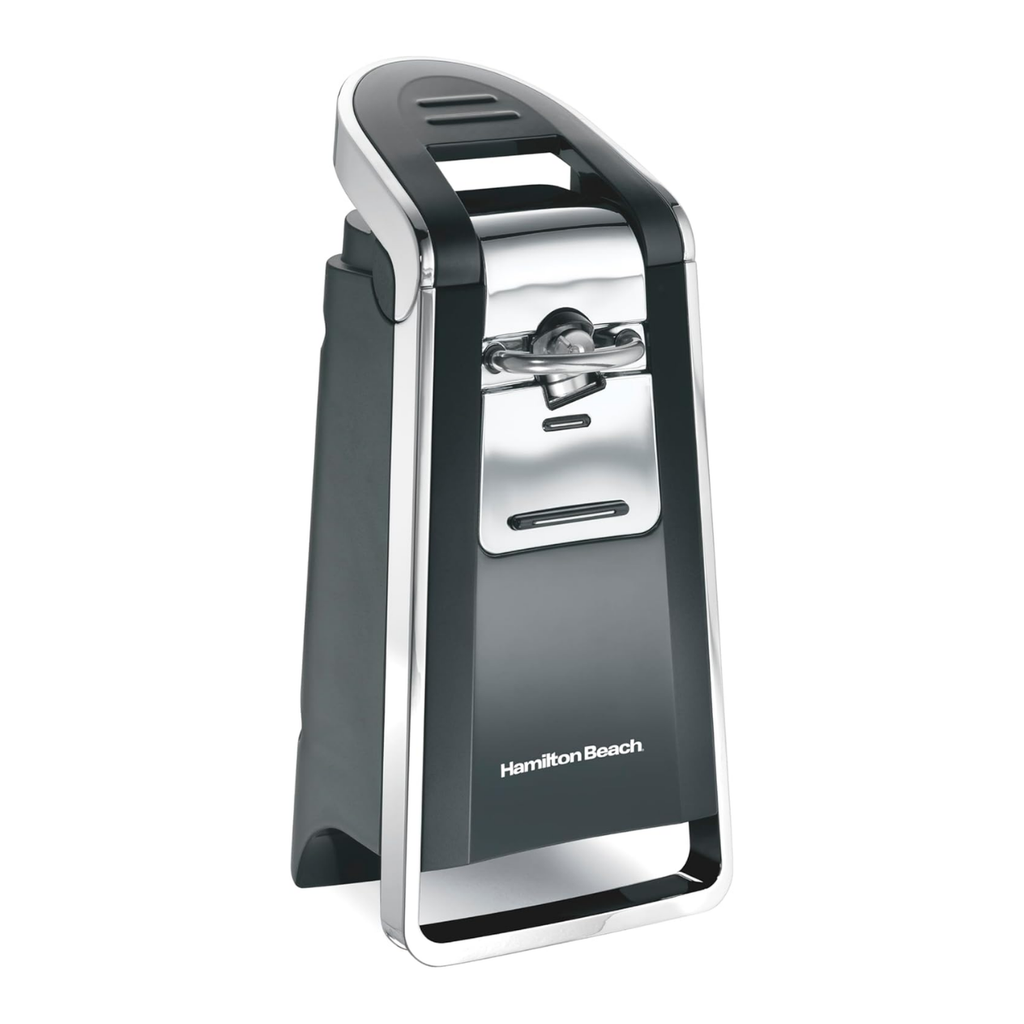
Best for: Anyone struggling with manual dexterity or keeping a steady grip on metal cans.
Avoid if: Counter space is extremely limited and a plug-in unit isn’t desired.
Key Features: Side-cutting mechanism, magnetic lid lifter, smooth-edge rim release.
Value for Money: High (Prevents cuts & wrist pain).
Ease of Use: Very High
3. Safety Shut-Off Timers
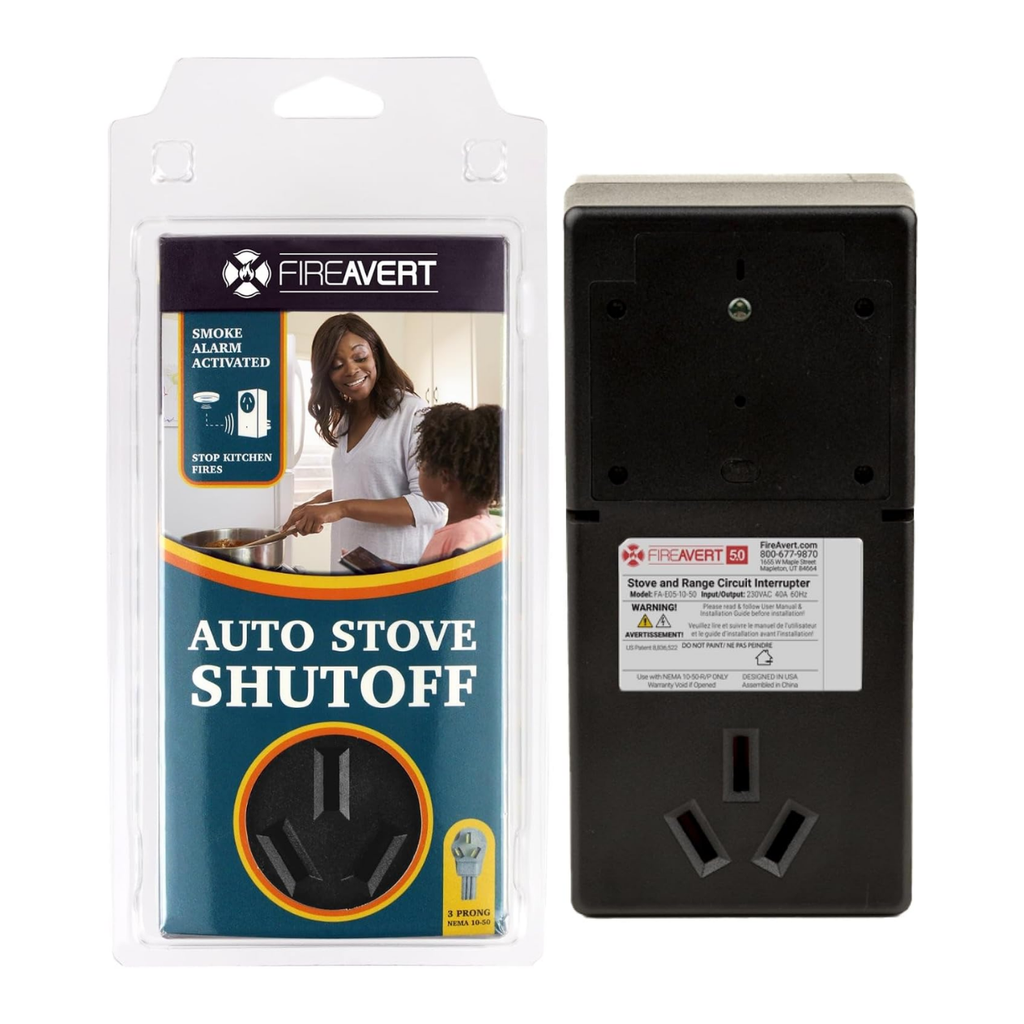
Best for: Households with aging parents experiencing early memory loss or forgetfulness.
Avoid if: Stove uses custom non-standard knobs that aftermarket devices cannot clamp onto.
Key Features: Programmable shut-off timers, motion sensors, smartphone alerts.
Value for Money: Invaluable (Essential fire safety).
Ease of Use: High
4. Ergonomic Rocker Knives with Vertical Handles
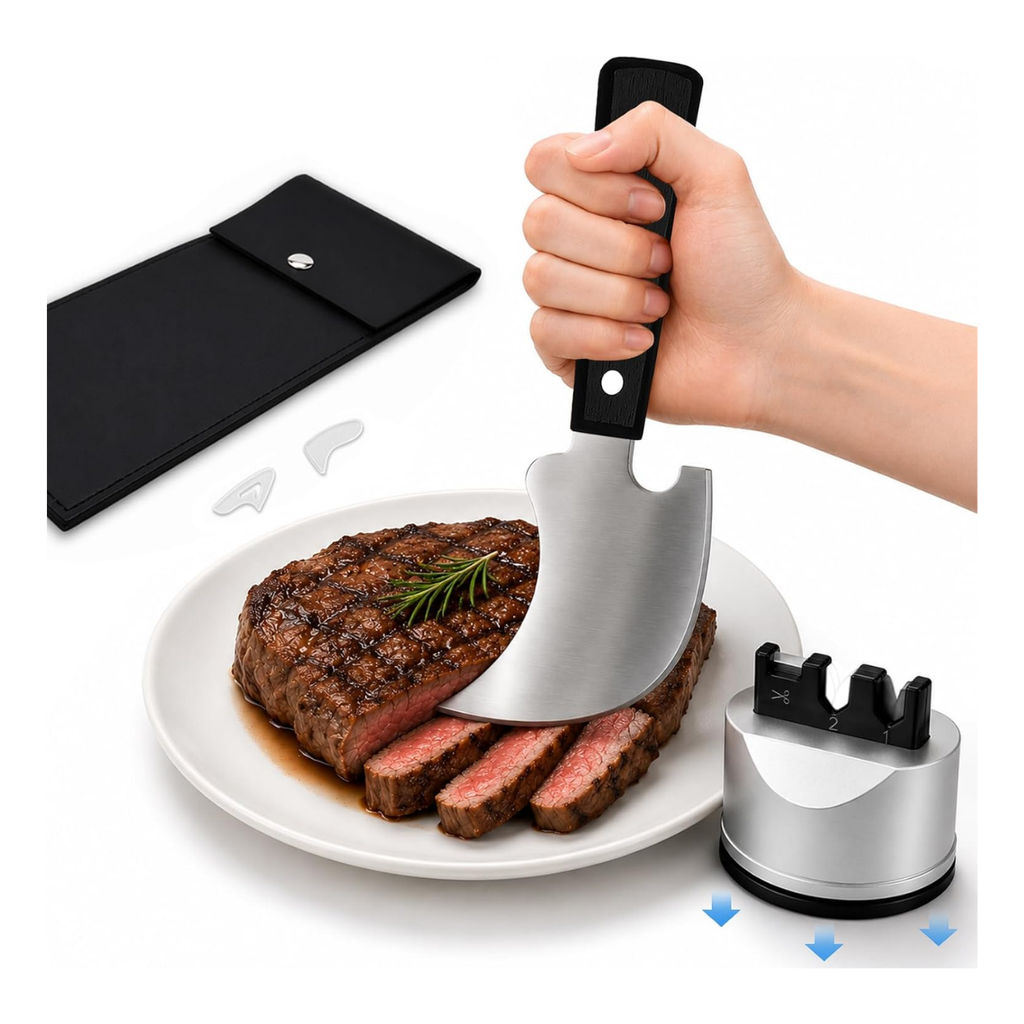
Best for: Seniors who love cooking but experience wrist or knuckle pain during knife prep.
Avoid if: User has severe hand tremors where an open blade poses an ongoing risk.
Key Features: Vertical T-shaped loop handle, curved rocker blade, non-slip rubber grip.
Value for Money: High (Preserves prep independence).
Ease of Use: Very Good
5. Talking Kitchen Scales
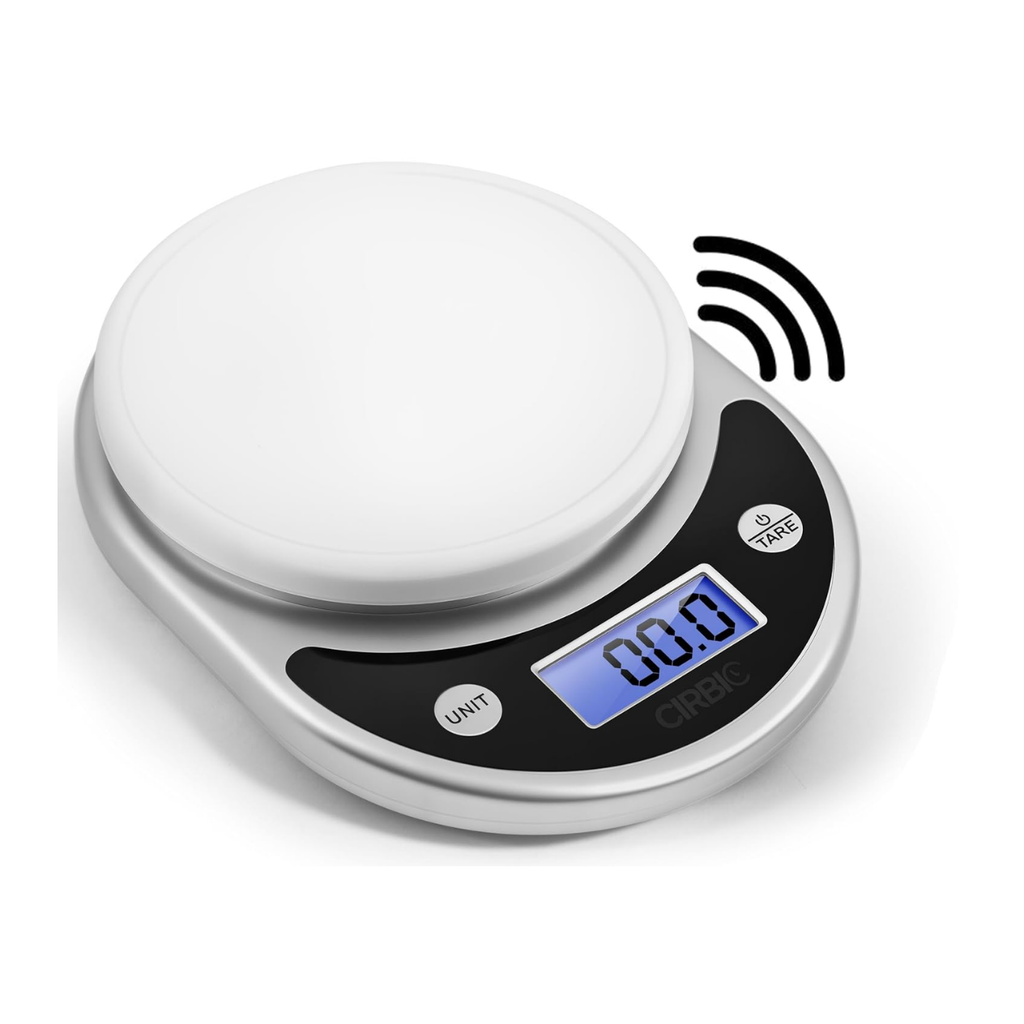
Best for: Visually impaired seniors or those managing strict medical diets.
Avoid if: User finds synthesized audio readouts irritating.
Key Features: Clear audio voice readouts, large high-contrast LCD screen, tare zero-out.
Value for Money: Moderate (Essential for low-vision cooks).
Ease of Use: High
6. Tilt-to-Pour Electric Kettles
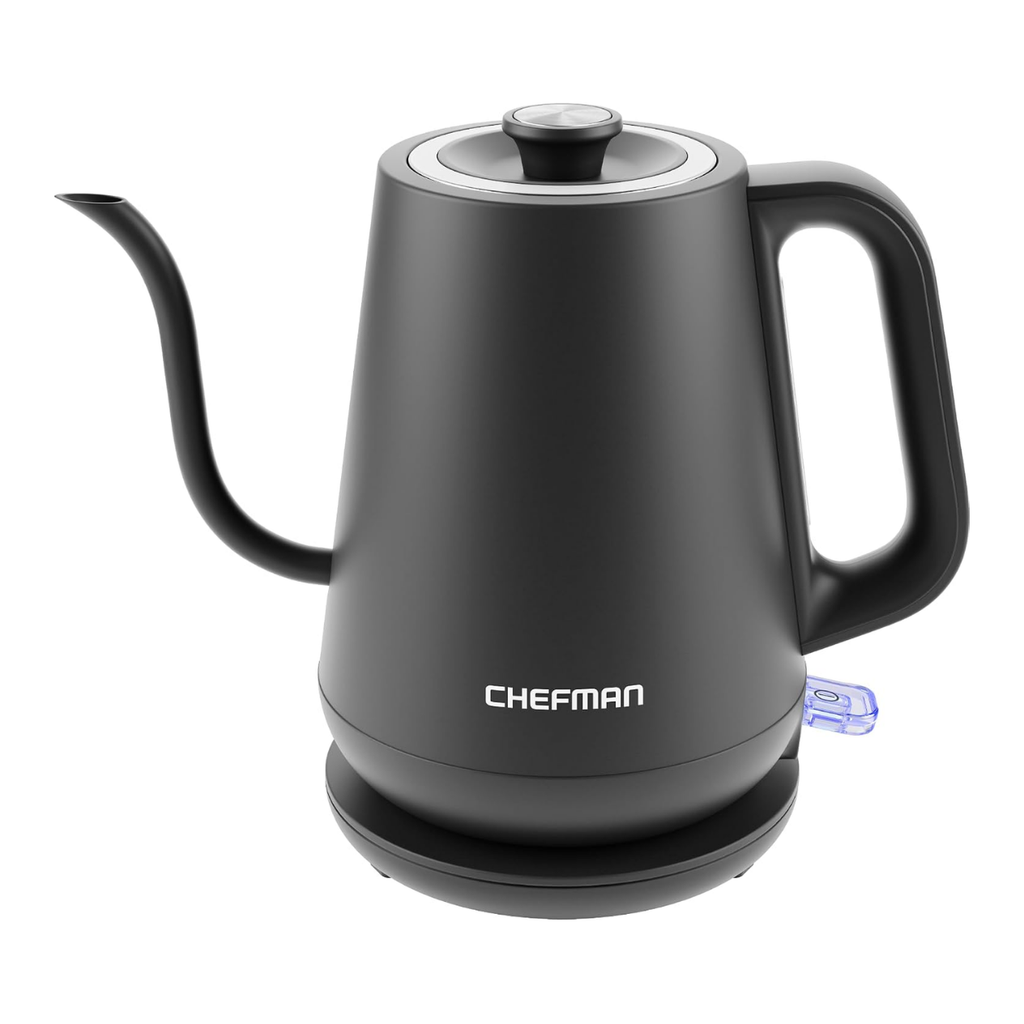
Best for: Tea and coffee lovers with weak wrists, arthritis, or shaky hands.
Avoid if: Stovetop whistling kettles are strongly preferred.
Key Features: Stationary cradled base, easy-tilt design, automatic shut-off, boil-dry protection.
Value for Money: High (Prevents boiling water scalds).
Ease of Use: Excellent
7. Non-Slip Silicone Prep Mats

Best for: One-handed meal prep or anyone dealing with general arm weakness.
Avoid if: N/A (a universal tool for virtually any kitchen).
Key Features: High-grip silicone, suction rings, dishwasher-safe material.
Value for Money: Exceptional (Inexpensive & versatile).
Ease of Use: Effortless
8. Heat-Resistant Mitts
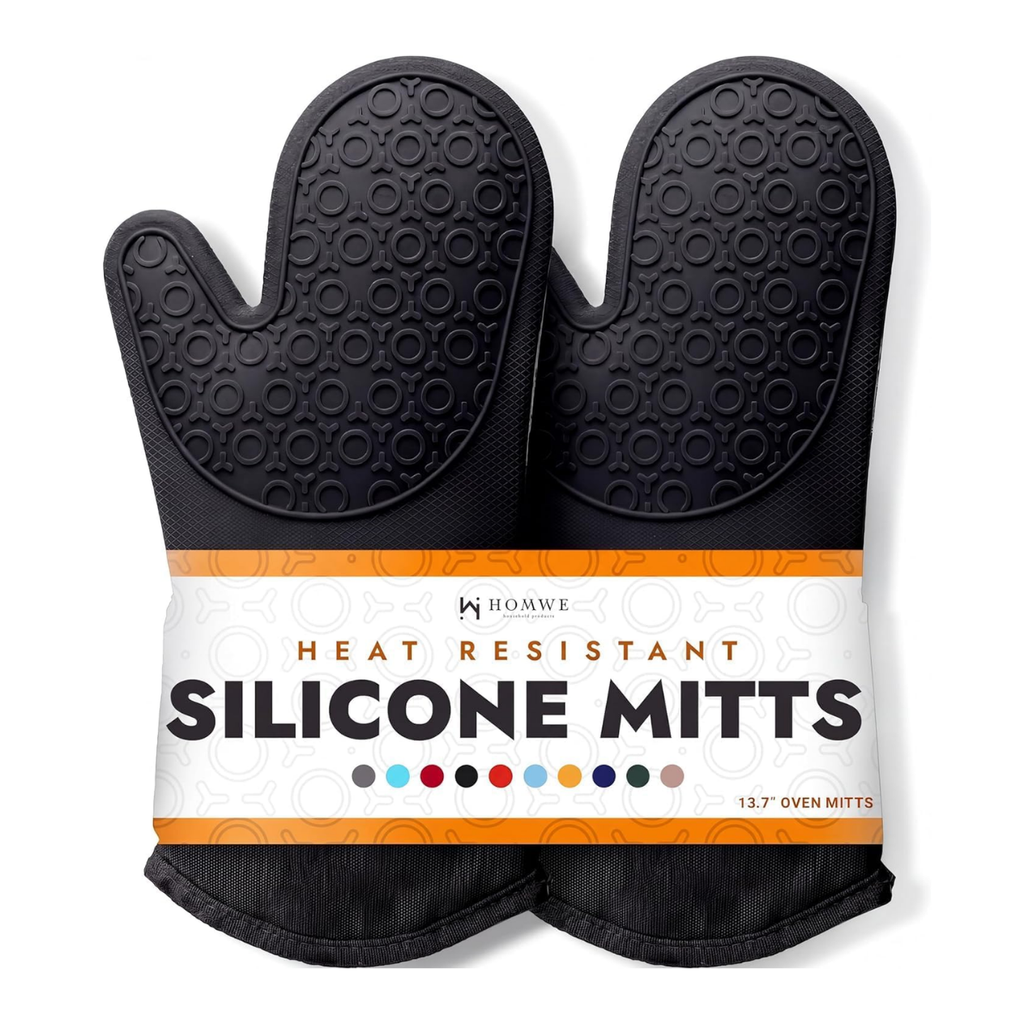
Best for: Seniors who regularly bake or roast meals in a standard oven.
Avoid if: Using countertop toaster ovens exclusively.
Key Features: Heat-resistant silicone edge guards, extra-long fire-retardant oven mitts.
Value for Money: High (Low cost, immediate burn protection).
Ease of Use: High
9. Simplified One-Touch Multi-Cookers
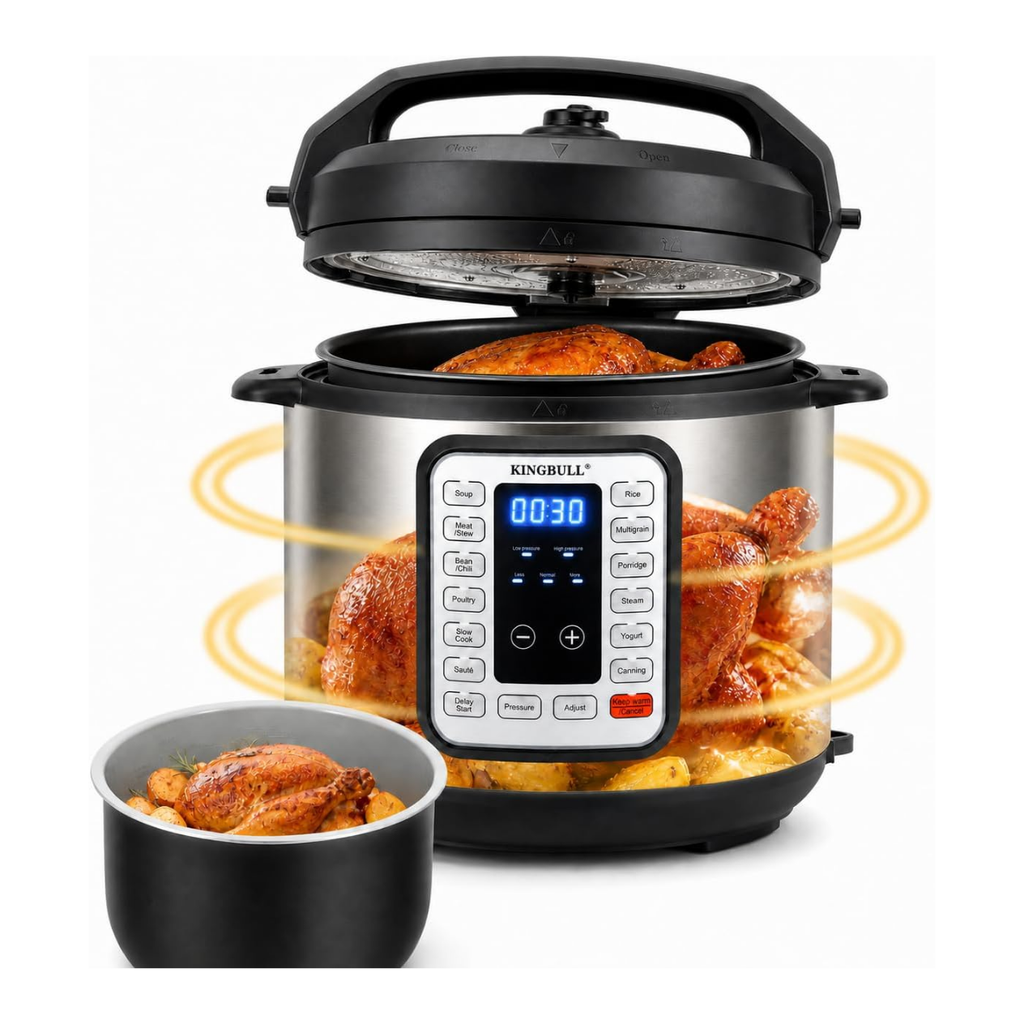
Best for: Seniors wanting to simplify dinner prep into a single, automated appliance.
Avoid if: Digital control panels create confusion or anxiety.
Key Features: Pre-set one-touch buttons, auto warm setting, cool-touch exterior.
Value for Money: High (Replaces multiple standalone pots).
Ease of Use: Moderate
10. Under-Cabinet Motion-Sensor LED Lighting
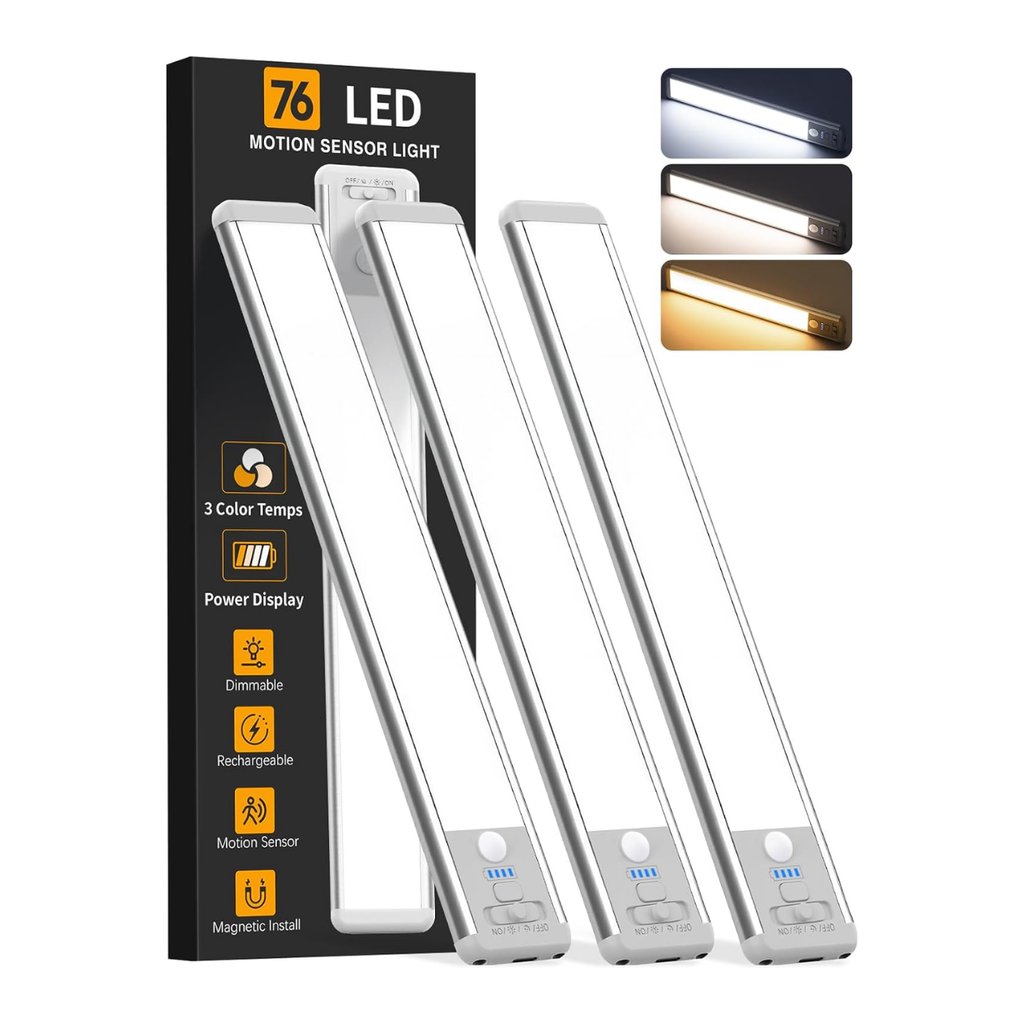
Best for: Seniors experiencing age-related vision changes, cataracts, or macular degeneration.
Avoid if: Renting and unable to use magnetic/adhesive backing (rare).
Key Features: Hands-free motion activation, daylight LEDs, rechargeable USB battery.
Value for Money: Exceptional (Dramatically improves visibility).
Ease of Use: Fully Automatic
Step-by-Step Guide: How to Introduce Kitchen Upgrades Without Resistance
Bringing new tools into an aging parent’s home requires tact. When you rush in with a bag full of safety gadgets, it’s easy for them to feel criticized or babied. Follow these steps to introduce changes smoothly:
- Observe Without Interrupting: Spend time cooking together naturally. Notice where Mom or Dad hesitates, winces in pain, or asks for help. Focus on specific pain points rather than general safety lectures.
- Focus on Comfort and Pleasure, Not “Safety”: Instead of saying, “I bought this because you’re too weak to open jars,” try, “I found this neat little gadget that makes opening pasta sauce effortless so your hands don’t ache afterward.”
- Introduce One Item at a Time: Don’t overwhelm them with five new gadgets at once. Start with a single, high-impact item—like a non-slip mat or an automatic jar opener—and let them experience the benefit firsthand.
- Test It Together: Unbox the item, read the instructions together, and prepare a meal using it. Making it a shared, positive experience builds confidence in the new tool.
Final Thoughts on Senior Friendly Kitchen Gadgets
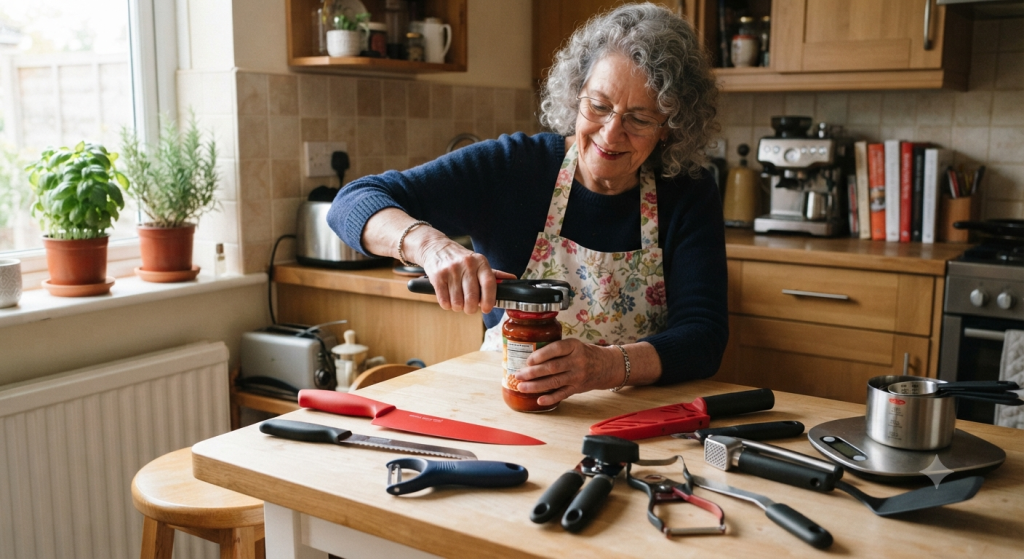
At the end of the day, kitchen safety isn’t just about preventing accidents—it’s about protecting the joy, independence, and sense of purpose that comes with cooking a favorite meal. Handing over the kitchen duties to someone else can feel like giving up a piece of home, but the right adaptive tools make it possible for your parents to keep cooking safely on their own terms.
You don’t need to transform their entire kitchen overnight. Start small with one or two practical tools—like a One-Touch Electric Jar Opener or a non-slip silicone mat—and build from there. Focus the conversation on comfort, ease, and making daily chores feel effortless.
By making simple, thoughtful adjustments, you can give your aging parents the gift of continued independence—and give yourself the peace of mind you deserve every time they step up to the stove.
Frequently Asked Questions
How can I tell if my aging parent’s kitchen is no longer safe?
Look for subtle warning signs during visits. Notice if food is frequently expiring unnoticed, if there are burn marks on pots from unattended cooking, or if you spot unexplained cuts, bruises, or broken dishware. You might also notice your parent avoiding cooking altogether, relying solely on cold snacks or frozen meals because hot prep has become too physically exhausting.
How do I talk to my parent about kitchen safety without offending them?
Approach the conversation with empathy by focusing on comfort and energy conservation. Frame new gadgets as luxury conveniences that professional cooks use to save time and effort. Highlight how much more enjoyable cooking will be when their joints don’t ache afterward, and involve them in choosing which tools to try so they retain full ownership of their home.
Are electric can openers really safer than manual ones?
Yes. Manual can openers require sustained hand strength to squeeze handles together while turning a crank, which can slip and cause cuts against sharp metal edges or strain arthritic joints. Electric side-cut models handle the gripping and cutting automatically, slicing along the outer rim to leave a completely smooth edge on both the can and lid.
What is the most important kitchen safety upgrade for seniors with memory loss?
For seniors experiencing memory changes, automatic stove shut-off devices and timer controls are the most critical investments. Burners left unattended are a leading cause of residential fires. Stove knob locks, timers, and motion-activated shut-off systems provide a reliable safety net that operates quietly in the background.
Can adaptive kitchen tools help maintain cognitive health?
Yes. Preparing meals engages multiple cognitive functions, including sequential planning, memory recall, tactile coordination, and problem-solving. When physical pain or frustration forces older adults to stop cooking, they lose a valuable daily mental routine. By removing physical barriers with adaptive gadgets, seniors can continue cooking independently, supporting mental sharpness and personal purpose.
How do I choose between battery-powered and plug-in kitchen gadgets?
Consider your parent’s daily habits and kitchen setup. Battery-powered gadgets offer cordless mobility across countertops without creating trip hazards, but require battery changes. Plug-in appliances eliminate battery maintenance, but you must ensure cords are routed safely away from sinks, hot burners, and walkways.
Are ergonomic kitchen knives safe for seniors with tremors?
Vertical rocker knives help individuals with mild weakness, but require careful evaluation if your parent experiences significant hand tremors. For moderate to severe tremors, electric food choppers or pre-cut ingredients are often safer choices than exposing any open blade.
What should I look for in senior-friendly lighting upgrades?
Aging eyes require significantly more light to see clearly, especially when handling sharp utensils or hot liquids. Look for under-cabinet LED light strips that offer high lumen output without harsh glare. Motion-activated options ensure the workspace is brightly illuminated the moment someone steps up to the counter without fumbling for wall switches in the dark.